7 Scenic Backroad Travel Ideas for Slow Days
The best journeys rarely begin with a grand plan. They begin when the sat-nav suggests the fast route, and you politely ignore it in favour of the lane curling between stone walls, chestnut trees and a hand-painted sign promising local wine. These scenic backroad travel ideas are for the sort of holiday where lunch runs long, the view from a lay-by earns an extra half-hour, and a tiny village can become the reason you remember an entire region.
Back roads ask for a little patience. They may deliver potholes, wandering goats and the occasional tractor determined to set its own pace. But they also bring you closer to the places that motorways glide past: family-run cellars, bakery windows fogged with warmth, church bells marking the afternoon, and landscapes whose details only reveal themselves slowly.
Scenic backroad travel ideas worth taking slowly
Follow the vineyard roads, not the wine list
A wine region is at its most generous when you travel through it rather than merely arrive at it. Choose a small area with a clear sense of place – the rolling villages of Alsace, the sun-baked lanes of the Languedoc, the Douro’s steep terraces, or the patchwork hills of Tuscany – and give it several days.
Instead of plotting six tastings in one afternoon, let the road decide the rhythm. Stop at a village market for bread, peaches and a wedge of local cheese. Book one winery visit, preferably somewhere small enough that the person pouring may also be the person pruning vines in winter. Then leave room for a quiet picnic overlooking the rows.
The trade-off is simple: you will see fewer famous names. Yet you may come home with a bottle you cannot find in a supermarket, a producer’s story, and the pleasing memory of dusty shoes beside a vineyard gate. If tasting is part of the day, appoint a driver, use spittoons without embarrassment, or stay within walking distance of the cellar door. There is nothing romantic about negotiating hairpin bends after a generous pour.
Make the village bakery your morning compass
On a backroad trip, breakfast is not a logistical task. It is reconnaissance. Find the local boulangerie, panetteria or village bakery and you will usually find the pulse of the place: cyclists collecting coffee, neighbours discussing the weather, and someone buying enough pastries to suggest a large and happy family.
Set off early with a warm pastry tucked into a paper bag, then aim for a modest distance rather than an ambitious one. A 50-mile day can be far richer than a 200-mile sprint when every bend offers a new view. In rural France, this might mean linking hilltop villages in the Lot or Provence. In northern Spain, it could mean tracing green lanes through Asturias, stopping for cider and seafood as the mountains tumble towards the coast.
The beauty of this approach is that it leaves space for accidents of the good kind. A faded sign for a Roman bridge, an open studio, a little square preparing for a fête – none of these fit neatly into an itinerary, which is precisely why they matter.
Turn a market day into a route
Markets make excellent anchors for slow travel because they offer both a destination and an excuse to wander. Pick one weekly market in a town you have never heard of, then build a circular drive around it. Arrive early for vegetables still speckled with soil, jars of honey, cured meats and the local cheese wrapped in wax paper.
Afterwards, take the smaller roads out of town and turn your purchases into lunch. A shady riverbank, a picnic table near an olive grove or a quiet viewpoint will do nicely. Carry a proper knife, reusable cups, a cloth and a small cool bag. This is not glamorous equipment, but neither is eating a beautiful ripe tomato while trying to open cheese with a car key.
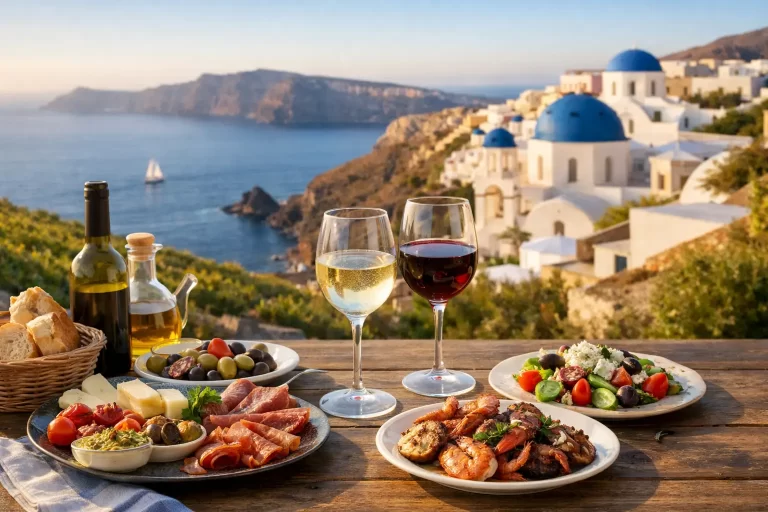
In regions such as Umbria, Catalonia or the south-west of France, market stalls also tell you what to drink. Ask which local white works with the goat’s cheese, or what red locals bring to a Sunday lunch. The answer may be more useful than any glossy tasting note.
Choose one landscape and watch it change
Coastal roads get the photographs, but inland landscapes often offer the deeper road-trip story. Choose a single geographical thread – a river valley, mountain foothills, a volcanic plateau or an old railway line – and follow it for a few days. Repetition becomes part of the pleasure. You start to notice the changing stone in the houses, the way vines give way to orchards, and which village has the best shutters, most cheerful café terrace or most determined resident cat.
The Loire Valley is wonderful for this, with its gentle riverside roads, château villages and whites that seem made for a late lunch. So is Portugal’s Alentejo, where cork oaks, whitewashed towns and broad horizons reward travellers who can tolerate a little glorious emptiness.
Do not over-plan every overnight stop. Book the key nights, particularly in popular areas or high season, but allow an occasional flexible evening. A family-run inn with a terrace may be a better choice than the perfectly researched hotel an hour away. It depends on your appetite for spontaneity and your tolerance for uncertainty, especially if you are travelling in a campervan.
Let the campervan earn its keep
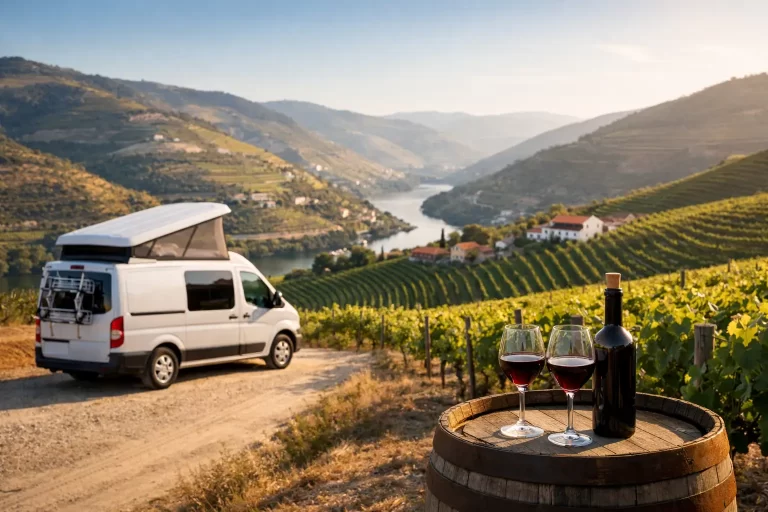
A campervan is not just transport with a kettle. It gives you permission to stay close to the scenery after day-trippers have gone home. Park legally and thoughtfully, support local businesses, and seek designated overnight spots where possible. The quietest-looking lane is not automatically an invitation to settle in for the night.
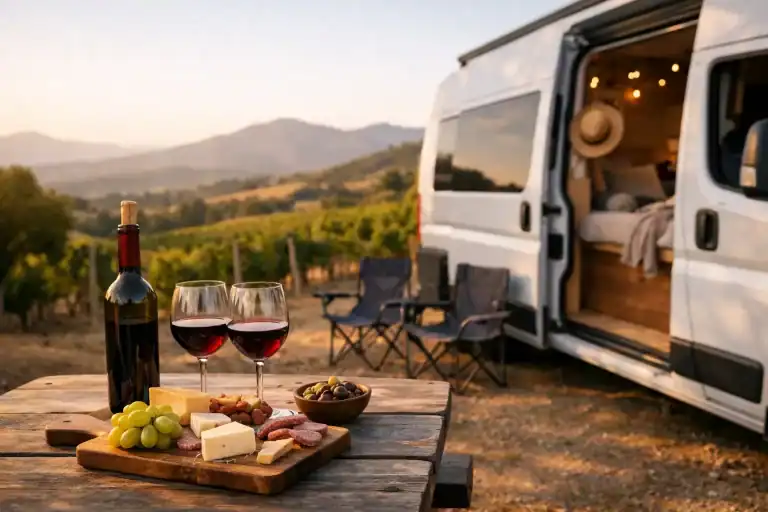
For a particularly lovely rhythm, mix simple campsites with one or two small rural stays. A vineyard campsite may offer a tasting at sunset; a farm site might sell eggs, bread or olive oil at the gate. Wake early, make coffee with the doors open, and watch mist lift from a valley before anyone has checked a phone.
Campervan travel does involve compromises. Narrow village streets can be stressful, water and waste need managing, and the desire to park somewhere spectacular must be balanced with local rules and common sense. Still, when dinner is simmering while swallows swoop over a field, the practicalities feel rather worthwhile.
Drive towards the season, not the headline attraction
The same backroad can feel entirely different in April, September and late October. Spring brings wildflowers, green vines and fewer crowds, though mountain weather can be fickle. High summer delivers long evenings and open restaurants, but heat, traffic and booked-out villages can dull the sense of freedom. Autumn is often the sweet spot for wine country: harvest activity, soft light, earthy menus and a welcome return to fireside reds.
Rather than chasing a famous festival, ask what the landscape is doing. Is lavender in bloom? Are chestnuts being roasted? Is the grape harvest under way? In parts of France and Italy, a harvest-time detour may mean slow-moving tractors and busy wineries. Treat that as part of the show, not an inconvenience. You are witnessing the work behind the bottle.
Save room for the road home
The final scenic backroad travel idea may be the most useful: do not make the return journey a punishment. Leave a final night somewhere calm, within easy reach of your departure point but still pleasing enough to feel like part of the holiday. A village near a ferry port, a rural inn outside an airport city, or a final stop beside a lake can soften the shift back to ordinary life.
Use that last evening to open the bottle you bought three villages ago, preferably with something local on the plate. Recall the road that was too narrow, the café owner who insisted you try one more biscuit, and the view that made everyone fall quiet. The finest backroad journeys do not need constant spectacle. They simply give you enough time to notice where you are – and to wish, just briefly, that the road ahead were a little longer.
f you’re looking for tours, attractions and experiences across the UK and Europe, you can browse and book here: https://tripadvisor.tpk.ro/D6WNK34w
Affiliate Disclaimer
This article contains affiliate links. If you book tours, attractions or experiences through these links, we may earn a small commission at no additional cost to you. We only recommend services that we genuinely use, trust or believe will add value to your travels. Thank you for your supp
One Comment
Comments are closed.