
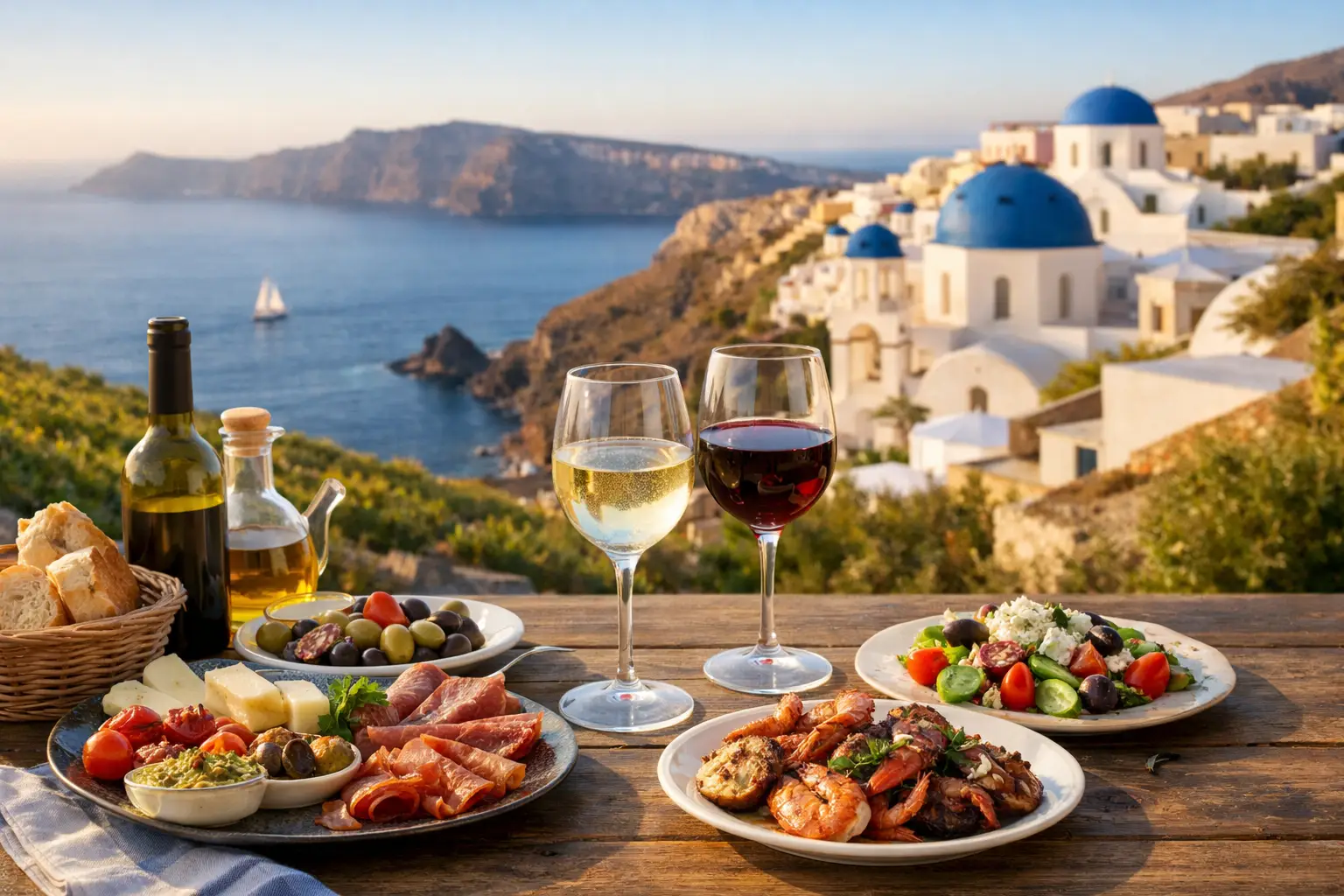
Mediterranean Food and Wine Tours Worth Taking
Some trips stay with you because of a view. Others linger because of a flavour. The best Mediterranean food and wine tours manage both at once – a chilled glass in hand, lunch stretching into late afternoon, and a road that keeps tempting you towards one more village.
That, for me, is the real appeal of the Mediterranean. It is not only the postcard coastlines or the famous labels. It is the rhythm. You move through olive groves, market squares, harbour towns and vineyard slopes at a human pace, with each stop adding another layer to the story. A plate of anchovies in a Catalan seaside town tastes different after a morning among old Garnacha vines. A Sicilian white makes more sense once you have stood in the heat near black volcanic soil. The region asks you to slow down and notice what is in the glass, what is on the table, and what kind of place could have produced both.
Why Mediterranean food and wine tours suit slow travel
There are plenty of holidays built around ticking off landmarks. This is not really that sort of trip. Mediterranean food and wine tours work best when there is room for detours, long lunches and the occasional change of plan because a village square looks too lovely to rush through.
Food and wine here are not separate attractions laid on for visitors. In the best regions, they are part of daily life. You see it in the bakery queue at breakfast, in the way local growers talk about weather rather than marketing, and in the unshowy confidence of a family-run taverna pouring a house wine that tastes as though it belongs exactly where you are sitting. That sense of place is what makes these journeys feel richer than a standard tasting itinerary.
There is also a practical advantage. The Mediterranean gives you variety in relatively short distances. In a few days you might move from mountain villages to coastal vineyards, from seafood-driven menus to rustic inland cooking, and from crisp whites to savoury reds. For travellers who enjoy contrast without constant packing and unpacking, it is hard to beat.
Where Mediterranean food and wine tours feel most rewarding
The Mediterranean is huge, and that is precisely why choosing one corner rather than trying to do everything matters. A good trip has a centre of gravity.
Southern Spain for tapas, sherry and white villages
Andalucía is a wonderful place to start if you want warmth, atmosphere and wines with real personality. Around Jerez, the connection between wine and food feels especially grounded. Sherry is still misunderstood by many travellers, which makes tasting it at source such a pleasure. A dry fino with almonds, olives and slices of jamón in a shaded bar can completely change your understanding of what this wine is for.
Drive out beyond the bigger towns and the trip widens beautifully. You get whitewashed villages, winding roads, grilled fish along the coast and Moorish echoes in the architecture. It is an excellent region for travellers who want culture and scenery alongside the cellar doors.
Sicily for volcanic wines and layered history
Sicily has a way of making everything feel intense – the light, the landscape, the flavours, even the conversations over supper. Around Etna, vineyards sit in dramatic black soils, and the wines often carry that sense of energy and tension people talk about once they have tasted them in place.
But a Sicilian route is not only about serious bottles. It is also about pistachios, citrus, street food, grilled swordfish, aubergine cooked a dozen different ways, and village cafés where the granita becomes part of the day’s structure. If you like destinations that feel a little wild around the edges, Sicily delivers.
Portugal’s southern coast and inland hills
Portugal is not always the first place people picture for Mediterranean-style touring, but parts of the country fit the mood perfectly. The Alentejo, especially, offers broad landscapes, white villages, olive oil, generous cooking and approachable wines that do not demand a textbook to enjoy.
It suits travellers who want space and calm. The pace is gentler, the roads are manageable, and the hospitality often feels refreshingly unfussy. Add a few nights on the coast and you have a trip that balances vineyard visits with seafood lunches and sea air.
Greek islands and the mainland for freshness and simplicity
Greece is ideal if your idea of pleasure is a table near the water, tomatoes that taste of sun, and wines that feel bright and alive in warm weather. Santorini may be the headline act, with its striking volcanic vineyards and saline whites, but smaller islands and mainland regions can feel more relaxed and better value.
What Greece does especially well is clarity. The food is often simple in the best possible way, and that simplicity lets the wine shine. Grilled octopus, soft cheeses, herbs, lemon, local olive oil – when the ingredients are that good, not much needs improving.
What makes a tour memorable, not merely expensive
It is very easy to book something polished and come home feeling you saw only the curated surface. Price does not always equal depth. The most memorable Mediterranean food and wine tours usually have a few things in common.
First, they leave time for place. If every day is stacked with tastings, transfers and restaurant bookings, the experience can start to feel strangely airless. You want the hour in the village square. And you want the unplanned stop at a roadside producer selling honey or cheese. You want one free evening where you choose a restaurant because the terrace looks inviting, rather than because it was in the itinerary.
Second, they balance the known names with the smaller stories. Visiting a prestigious estate can be thrilling, especially if the landscape is exceptional, but some of the most touching moments happen at modest family wineries where the tasting is part conversation, part local history lesson.
Third, they understand food as more than a side note. A proper lunch matters. So does a market visit, a bakery stop, or the chance to try regional dishes in the setting that shaped them. Wine without food can become abstract very quickly. In the Mediterranean, it rarely should.
Should you join a group or plan your own route?
This depends less on budget than on personality. A small, well-run group tour can be a gift if you want access without hassle. It takes the strain out of driving, appointments and language barriers, and it can open doors to producers you might not find alone. For travellers new to wine regions, that structure can be reassuring.
Planning your own route, though, brings freedoms that are hard to beat. You can linger where you feel happy, adjust for weather, and build your days around appetite rather than a timetable. If you enjoy road trips, village stays and the pleasure of finding a lunch spot by instinct, self-guided travel is often the better fit.
The trade-off is effort. You need to think about driving distances, tasting appointments and whether a gorgeous rural stay is actually practical after an afternoon of wine. For many readers of Vineyards and Villages, that planning is part of the pleasure, but it is worth being honest about your tolerance for logistics.
A better way to pace Mediterranean food and wine tours
One mistake I see often is trying to cover too much ground. The Mediterranean rewards concentration. Three nights in one area will usually give you more than one-night hops across a whole map.
A rhythm that works well is this: one substantial visit in the morning, a long lunch, a slow afternoon in a village or by the coast, then a simple supper with a local bottle. Repeat, with occasional market mornings or scenic drives folded in. It sounds obvious, but many travellers forget that pleasure needs space.
Season matters too. Late spring and early autumn are usually ideal, with enough warmth for al fresco meals but fewer crowds and gentler temperatures for moving around. High summer can be glorious by the sea, yet harder inland if your idea of enjoyment does not include walking into a vineyard at midday in punishing heat.
What to look for in the glass
You do not need to be a wine expert to enjoy these regions properly. In fact, a little curiosity is often more useful than technical language. Ask what is local, what grows well in the soils around you, and what people actually drink with lunch.
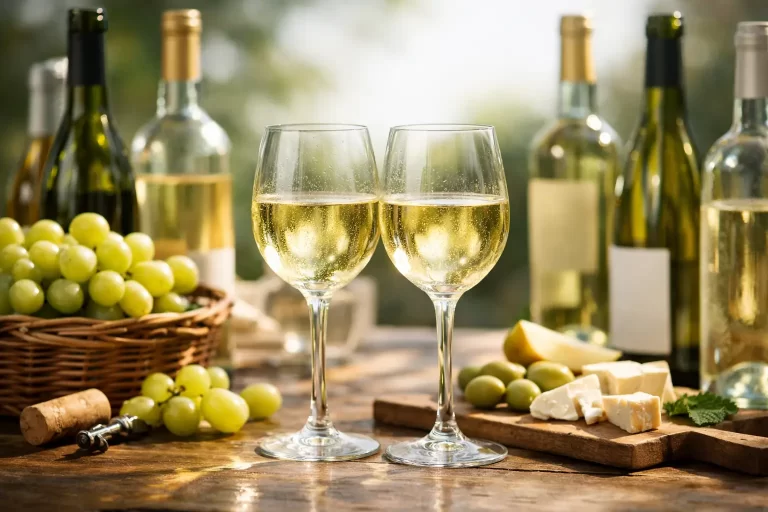
Mediterranean wines often make the most sense at the table. Mineral whites, herbal rosés and savoury reds can seem one thing in a formal tasting and quite another beside grilled fish, tomatoes, lamb or hard local cheeses. That is why tasting in context matters. A bottle is rarely just a bottle here. It is part of the landscape, the climate and the meal in front of you.
If you remember anything, let it be this: leave room for surprise. Order the unfamiliar grape. Choose the village restaurant with handwritten specials. Turn off the main road when the inland route looks prettier. The Mediterranean is generous with travellers who do not hurry, and the best food-and-wine journeys usually begin the moment you stop trying to optimise every hour.
This post may contain affiliate links. If you purchase products or services through these links, Vineyards and Villages may earn a small commission at no additional cost to you. We only recommend wines, destinations and travel products we genuinely enjoy during our narrowboat, campervan and vineyard adventures.
One Comment
Comments are closed.