12 Castle Towns in Europe Worth the Detour
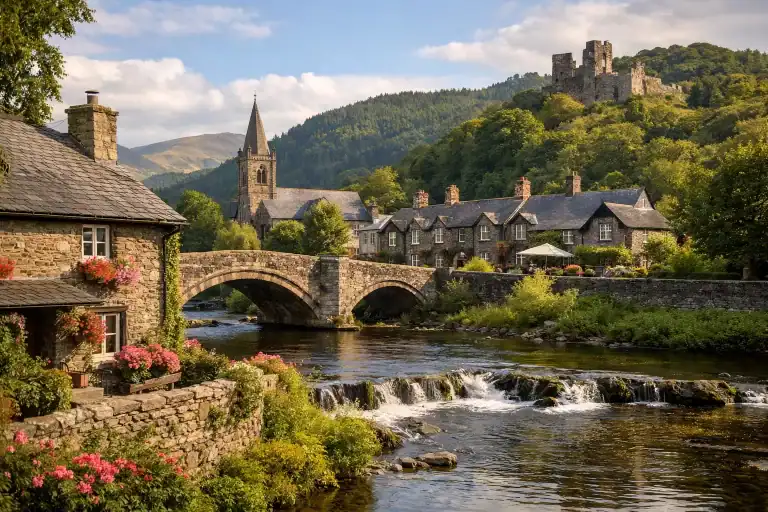
You know the feeling when a road bends, the stone walls appear, and suddenly a castle is perched above a cluster of tiled roofs as if it has been waiting for your arrival all morning. That, for me, is the real appeal of castle towns in Europe. They are not just postcard places. They are places where history still shapes the afternoon light, where a glass of local wine tastes better after a steep walk uphill, and where staying one extra night nearly always feels like the right decision.
The best ones are not all polished to perfection. Some are grand and theatrical, others a little faded around the edges, which often makes them more lovable. What they share is atmosphere – a sense that the castle is not separate from the town, but part of its rhythm. You see it from the bakery queue, from the riverside path, from the terrace where you order a carafe and forget the time.
Why castle towns in Europe suit slow travel
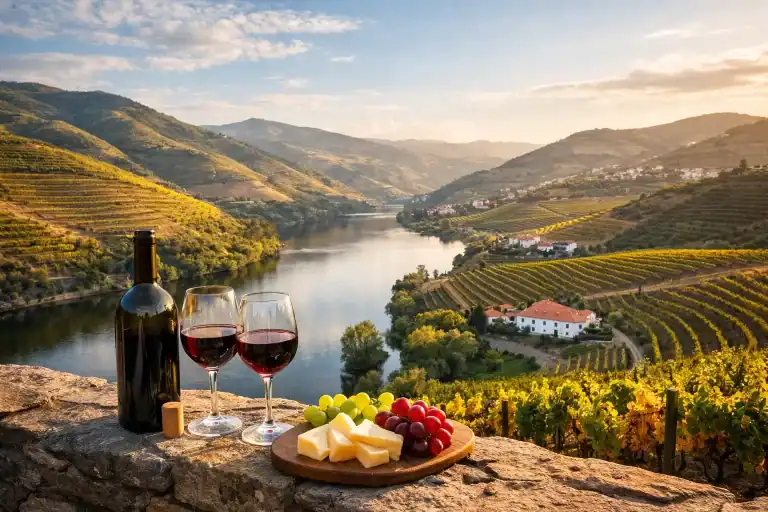
A castle city break can become a checklist very quickly. One tower, one museum room, one gift shop, and back to the car. A proper castle town asks for a slower pace. You wander the lanes before breakfast, climb to the ramparts when the light is soft, then settle into lunch that somehow turns into late afternoon because the local red is generous and no one seems in a hurry.
That pace matters because these towns are rarely only about the fortress. They work best when the castle, the market square, the regional cooking and the surrounding landscape all pull in the same direction. For travellers who like vineyard visits, village stays and drives through scenery that makes you pull over more than planned, they offer a sweet spot between heritage and pleasure.
12 castle towns in Europe I would happily return to
Český Krumlov, Czech Republic
There is no point pretending this place is a secret. Český Krumlov is famous, and in high season it can feel as though every cobbled lane has been adopted by a tour group. Still, come early or stay overnight and the town changes character completely. The Vltava River loops around the old centre, the castle complex towers above it all, and the views from the hill make the whole scene look almost absurdly picturesque.
What makes it linger in the memory is the contrast between grandeur and intimacy. You can admire a substantial castle one moment and then be in a tiny tavern eating something hearty enough to justify a second beer. Wine is not the headline act here, but South Moravian bottles do appear on menus, and they are worth choosing over the obvious international options.
Carcassonne, France
Carcassonne can feel too perfect at first glance, like a medieval film set that someone forgot to switch off. Then evening arrives, the day-trippers leave, and the place softens. The fortified cité glows honey-coloured, the lanes quieten, and dinner within the walls starts to make sense despite the touristy reputation.
This is also a strong base for wine lovers. You are in Languedoc country, where robust reds, crisp whites and easy-drinking rosés are close at hand. The trick with Carcassonne is not to treat it as a quick stop. Pair the castle with a slow lunch, a canal-side stroll in the lower town and a bottle from the surrounding region, and it becomes far more than a famous silhouette.
Sighişoara, Romania
Sighişoara has the kind of hilltop old town that encourages aimless wandering, which I mean as praise. The clock tower watches over pastel houses, cobbles creak underfoot, and the whole place seems to hold itself slightly apart from the modern world below. It is compact enough to enjoy without strategy, always a relief.
Romania does not get enough credit for its wine, and this is a good area to correct that oversight. Local lists often include excellent domestic bottles, and trying them here feels more interesting than reaching for something familiar. Sighişoara suits travellers who prefer atmosphere over spectacle, though the spectacle is not exactly lacking.
Óbidos, Portugal
Óbidos is small, walled and very easy to like. You can walk the ramparts, browse whitewashed streets with blue and yellow trim, and be back at a shaded table before your coffee gets a chance to feel neglected. It has polish, yes, but it still feels genuinely lived in once the busiest hours pass.
There is also ginjinha, the local cherry liqueur often served in a chocolate cup, which sounds faintly gimmicky until you try it and realise holiday logic has its own rules. For wine drinkers, the broader Lisboa region offers plenty to explore, making Óbidos a handy stop on a longer Portuguese road trip.
Rothenburg ob der Tauber, Germany
If your tolerance for fairytale charm is high, Rothenburg will suit you just fine. Timber-framed houses, gate towers and defensive walls all appear exactly where you want them to. It is one of those towns where even the slightly overdone bits are hard to resent.
What I like most is how easily it folds into a wider Franconian journey. This is rewarding wine country, especially for fresh whites like Silvaner, and the regional food has the good sense not to be shy. Stay for the night watchman atmosphere if you like, but stay for the wine bars and the sense of being planted in a broader landscape rather than trapped in a museum piece.
Eguisheim, France
Eguisheim is less about a dominating castle and more about the remains and memory of one shaping the village around it. Even so, it belongs in this conversation because it captures the castle-town mood beautifully. Circular streets wind through flower-filled houses, storks patrol the rooftops with enviable confidence, and vineyards press close to the edge of the village.
For anyone who loves Alsace, this is dangerous territory. You arrive intending to taste one glass of Riesling and leave wondering whether moving into a half-timbered house is a practical life choice. It is not, probably, but a long lunch here can make many things seem possible.
Stirling, Scotland
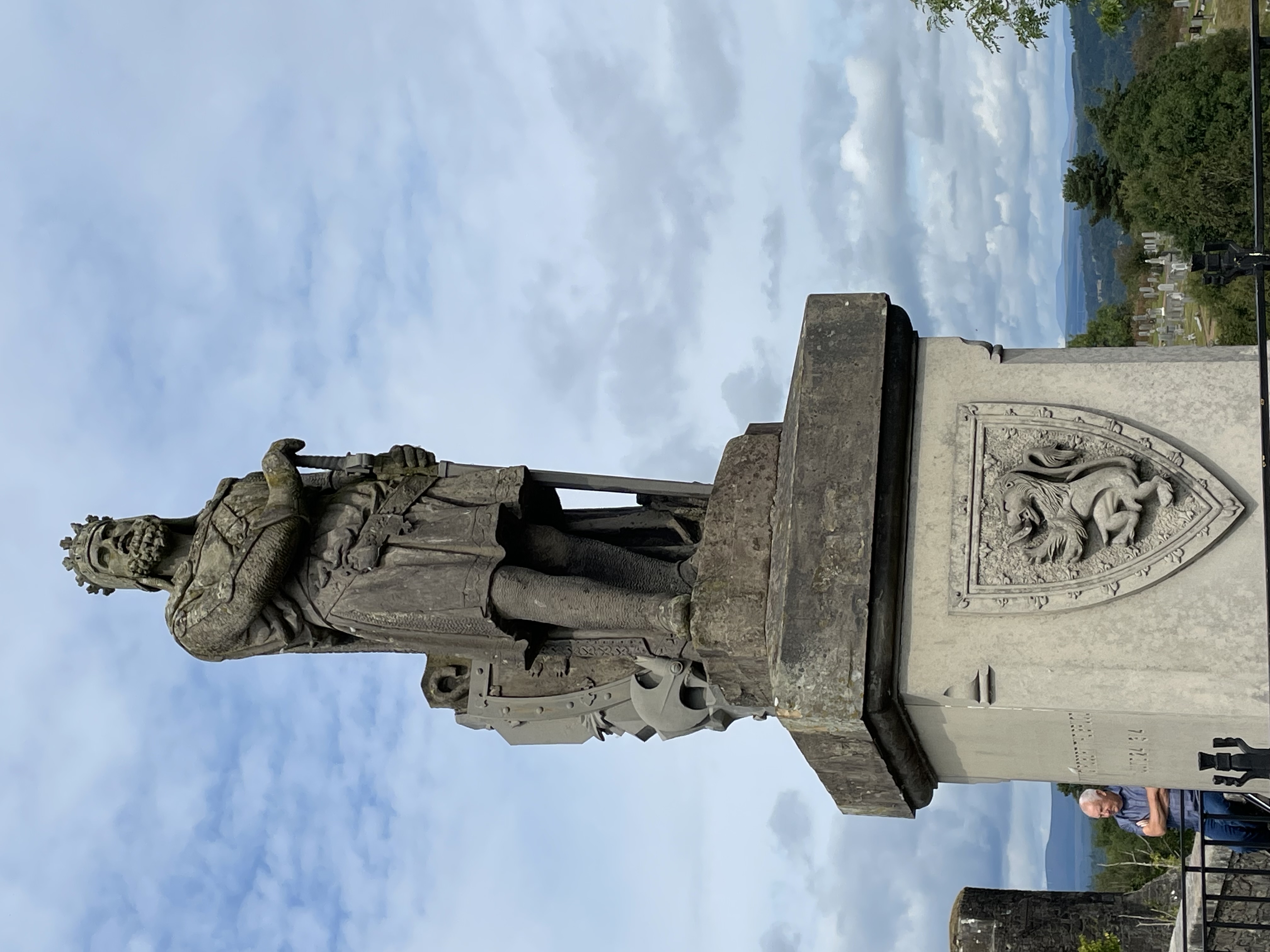
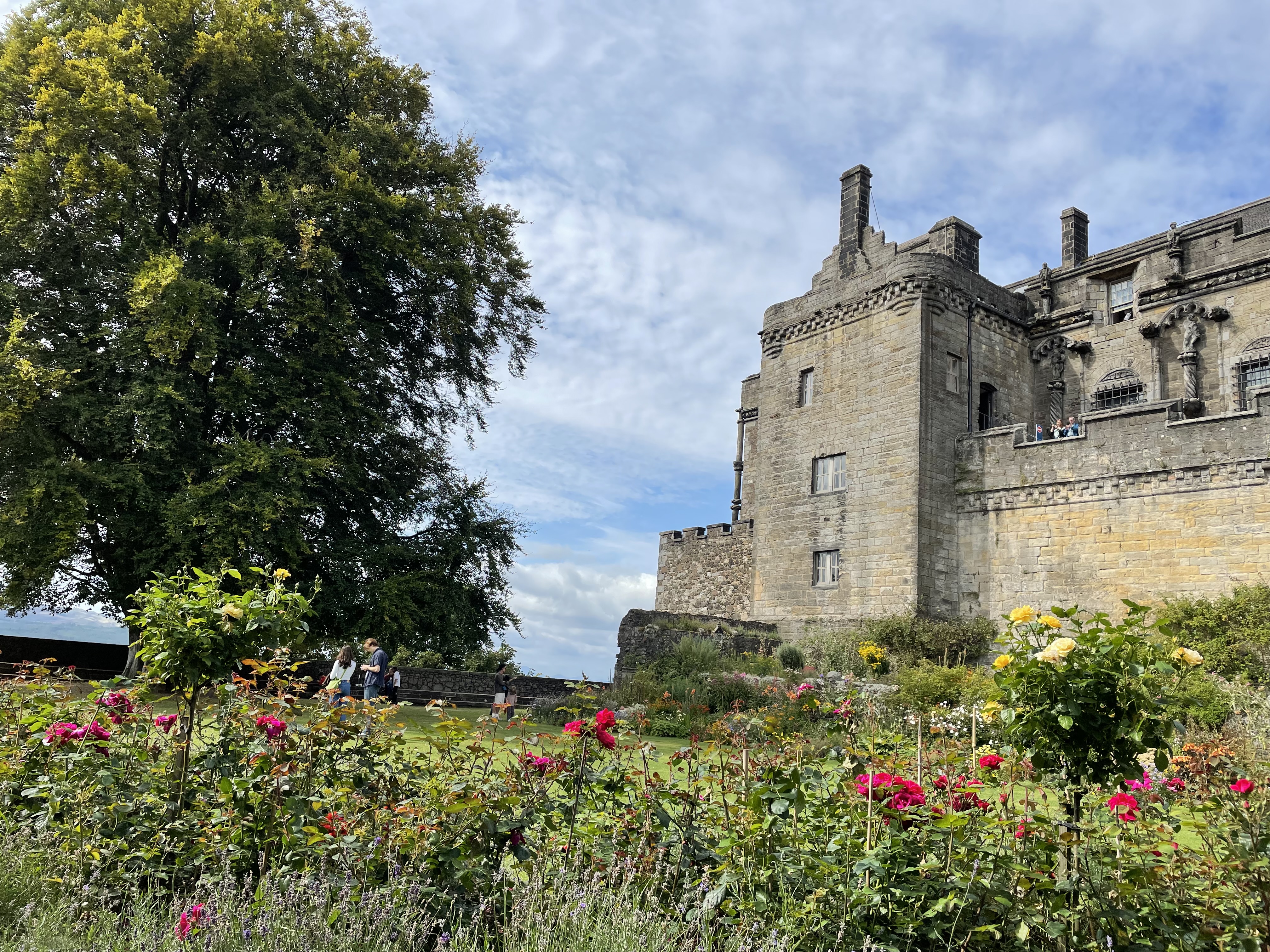
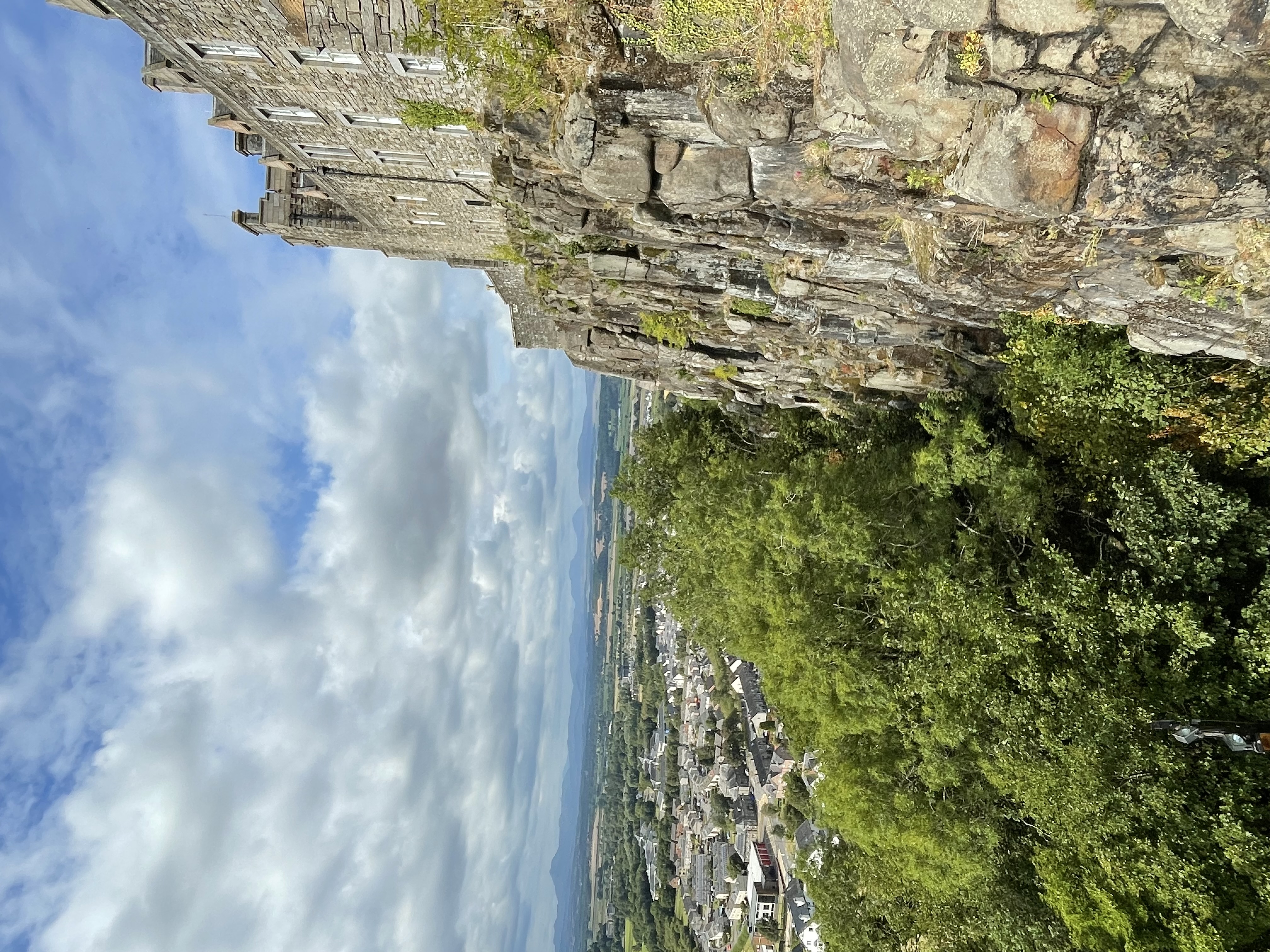
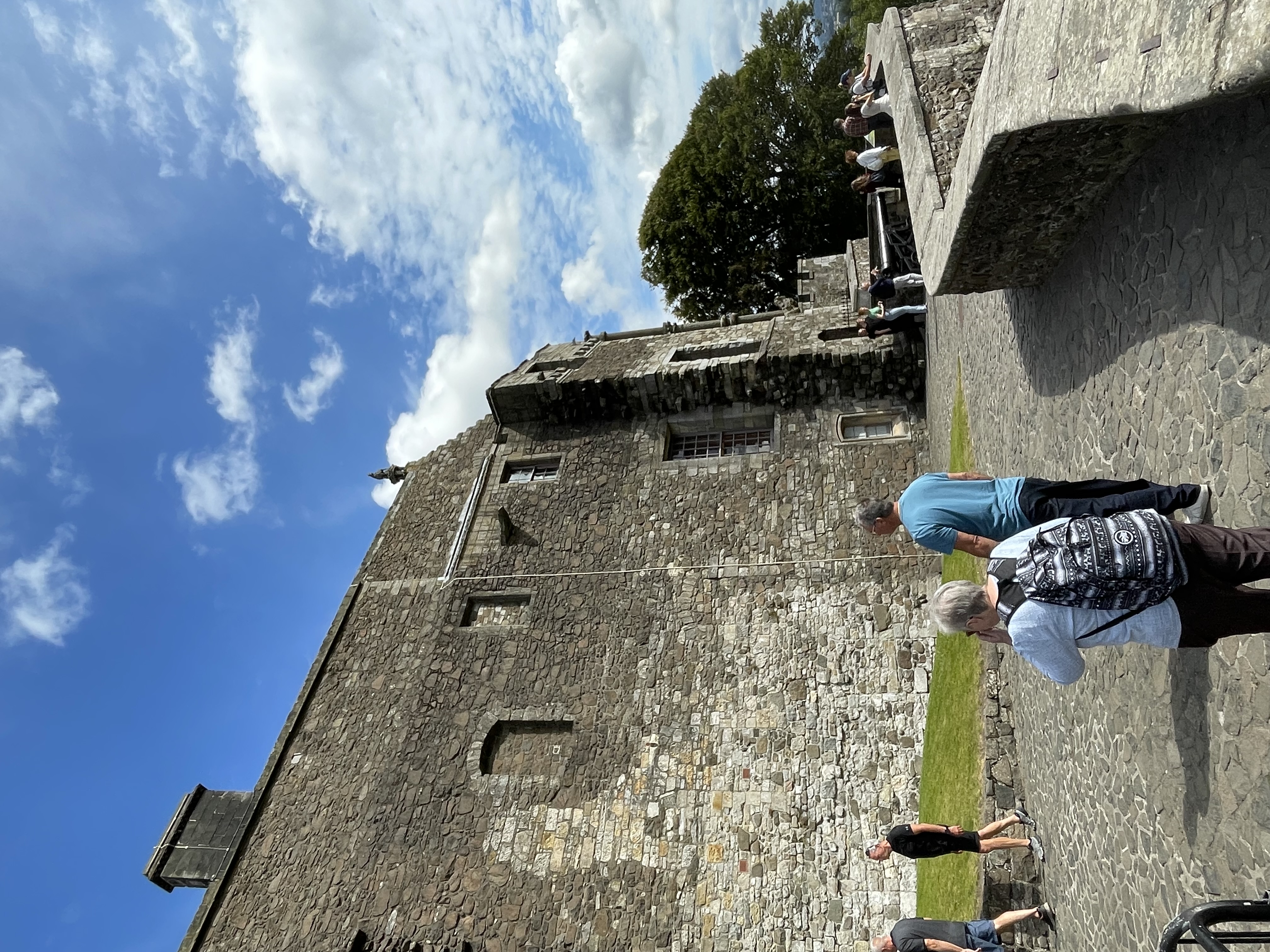
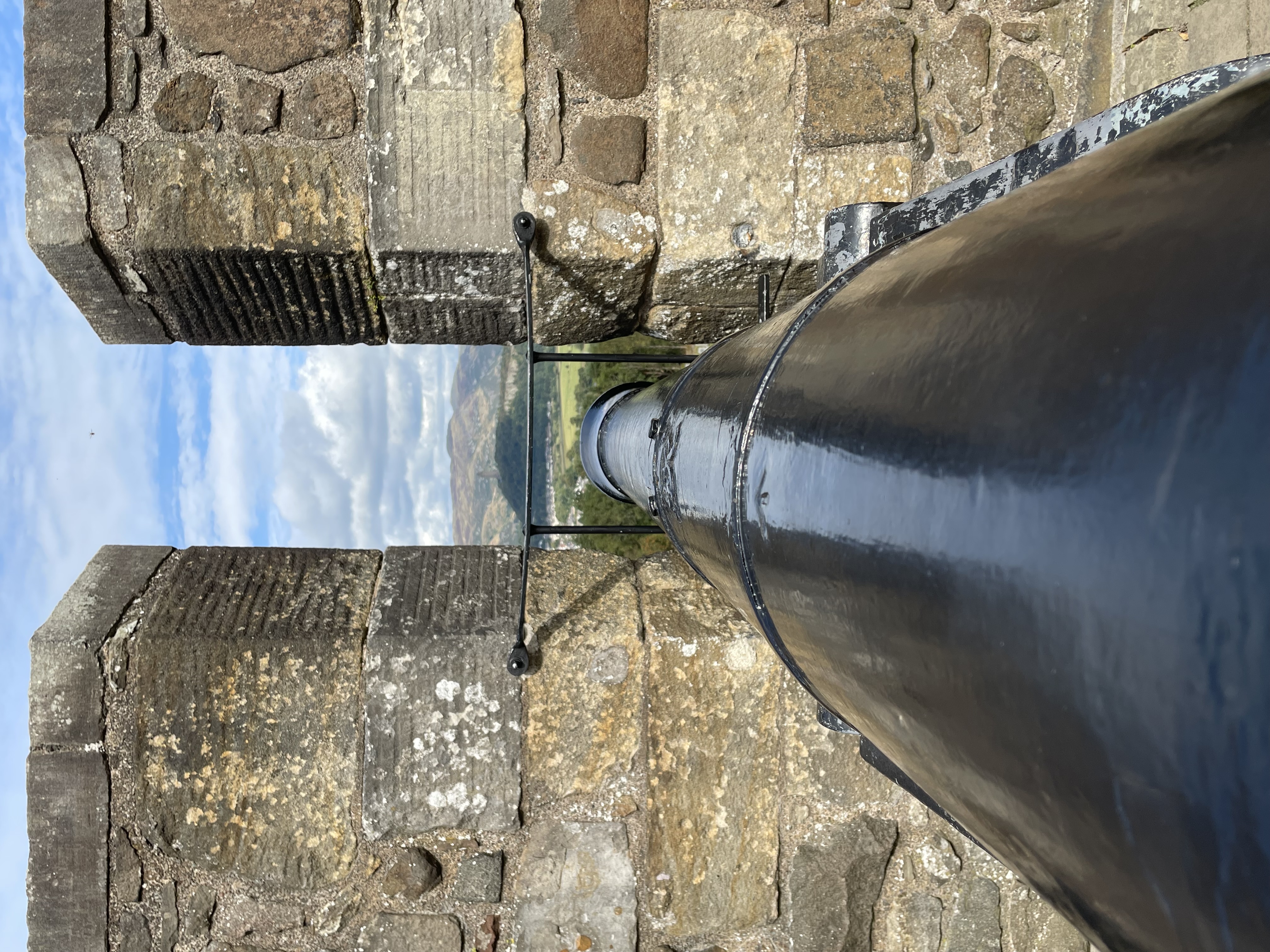
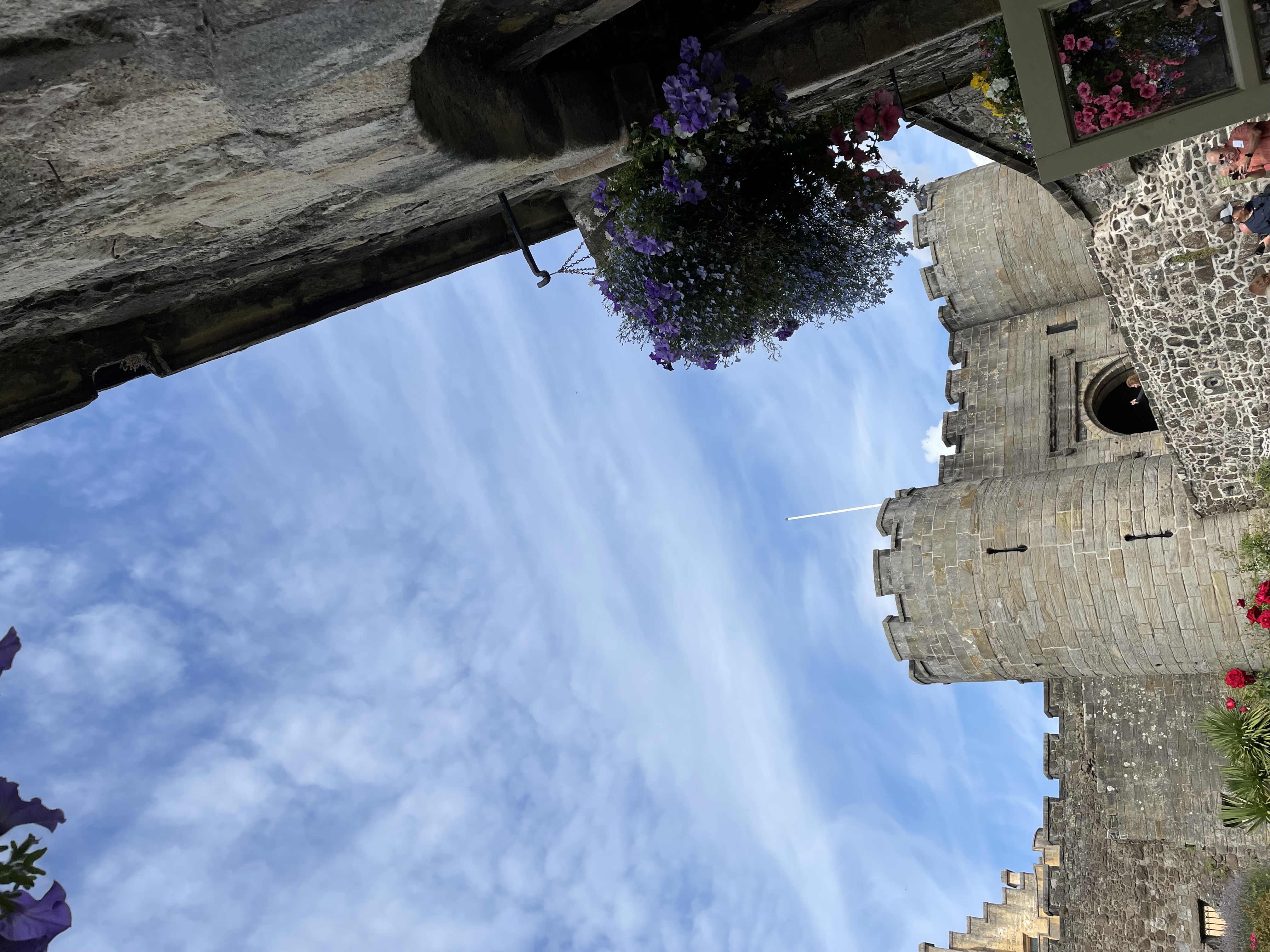
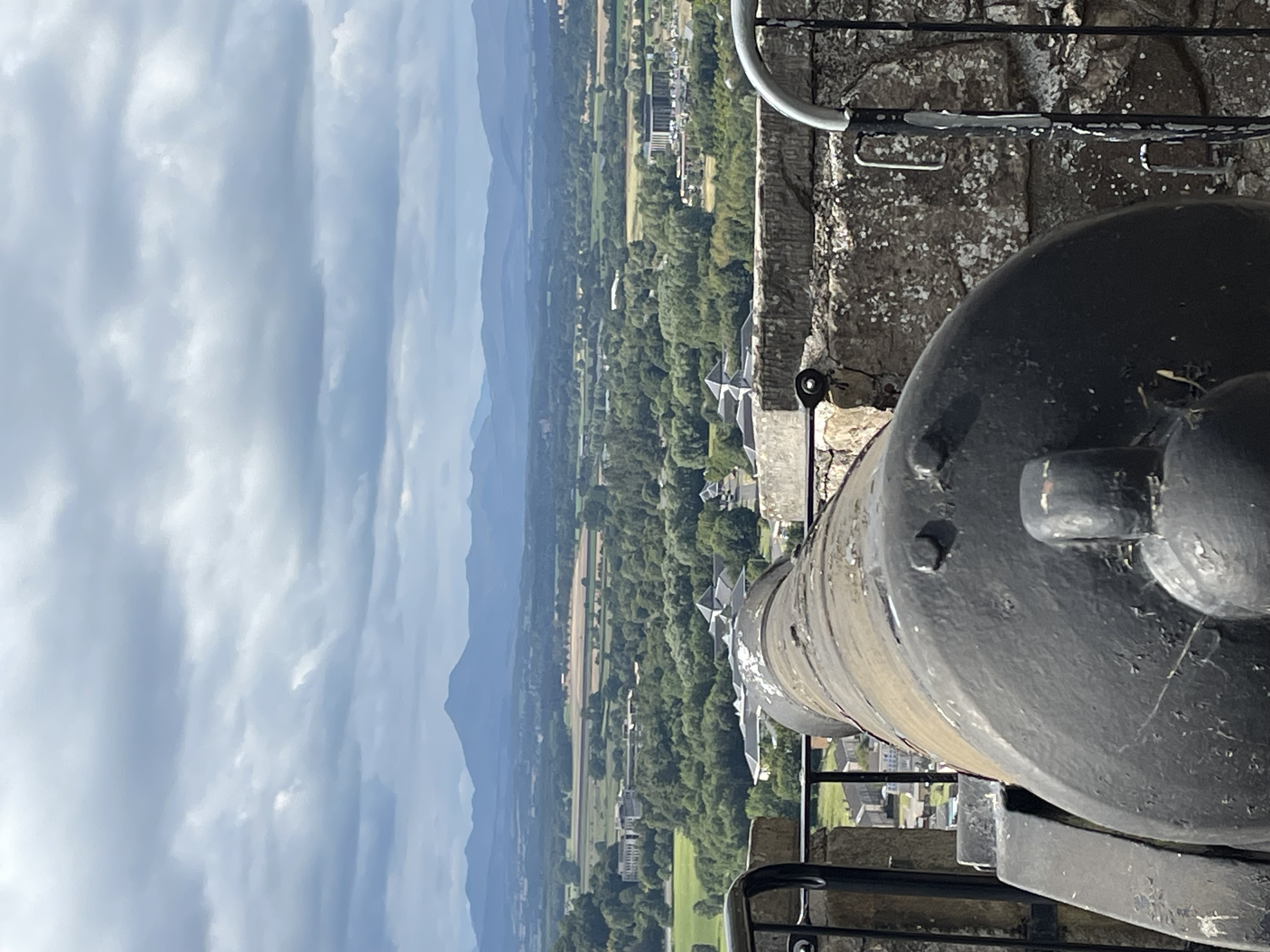
Stirling Castle has presence. It does not merely overlook the town, it dominates it with all the confidence of a place that knows exactly how important it has been. The old town below has enough steep streets and stone buildings to keep the setting suitably dramatic, especially when Scottish weather decides to lean into the mood.
This is not wine country, of course, and pretending otherwise would be silly. But castle towns are about drink and atmosphere as much as terroir, and Stirling offers excellent pubs, comforting food and access to landscapes that feel cinematic in the best way. If your holiday leans more towards history and long drives than vineyard hopping, it earns its place easily.
Peñafiel, Spain
Here is where the castle and the wine story become inseparable. Peñafiel, in Ribera del Duero, sits beneath a long, striking hilltop castle that looks almost ship-like from a distance. Below it, the town makes an excellent base for exploring one of Spain’s most celebrated red wine regions.
This is a place for unhurried tasting and proper meals. The wines are structured, generous and often beautifully polished, but they shine brightest with food and a bit of time. If you enjoy the idea of pairing medieval stonework with a serious glass of Tempranillo, Peñafiel is very hard to beat.
Bellinzona, Switzerland
Bellinzona has not one castle but three, linked across the hills in a way that makes the whole town feel defended from every angle. It is a wonderfully strategic bit of landscape, and from a traveller’s point of view, a rather pleasing excuse for a lot of walking followed by an equally pleasing lunch.
Being in Ticino, it also carries a softer, more Mediterranean note than some Alpine destinations. You get Swiss orderliness with Italian-speaking warmth, and the local Merlot deserves attention. It is a fine reminder that castle towns do not always have to be quaint. Some are confident, handsome and slightly understated.
Vianden, Luxembourg
Vianden rises neatly beside its river, with the restored castle sitting above it like a well-earned reward for looking up. Luxembourg often gets overlooked in favour of louder neighbours, which is part of its charm. Things feel calmer here, and the scenery around town has that wooded, folded quality that makes even short drives feel scenic.
The local wine connection is stronger along the Moselle, but that is hardly a hardship because it is an easy pairing for a wider trip. Vianden works especially well for travellers who want a castle destination without overwhelming crowds or too much logistical fuss.
Gruyères, Switzerland
Yes, the cheese is unavoidable, and frankly that is excellent news. Gruyères has a hilltop castle, a beautiful pedestrian main street and enough pastoral charm to test the cynicism of even the most seasoned traveller. The views are lovely, the buildings are beautifully kept, and the whole place feels designed for lingering.
There is also decent regional wine from the surrounding canton of Fribourg and nearby Lavaux if you are extending the journey. Gruyères is a reminder that a castle town does not need to be large to feel complete. Sometimes one good street, one strong view and one memorable lunch are enough.
Eltville am Rhein, Germany
Eltville is gentler than some of the grander names on this list, but that is precisely why I like it. Set on the Rhine, with its electoral castle and rose-filled corners, it feels connected to the river and vineyards in a way that is deeply relaxing. You can stroll the waterfront, explore the old lanes and be tasting Riesling without much effort at all.
For wine-minded travellers, this is one of the easiest castle towns to love. The Rheingau delivers elegance in the glass and beauty in the landscape, and Eltville gives you both without too much theatricality. Not every castle town needs to thunder. Some can simply charm.
How to choose the right castle town
It depends what sort of trip you want. If the priority is sheer drama, Carcassonne, Stirling and Peñafiel bring the big visual moments. However, if you want wine woven into the experience, Peñafiel, Eltville and Eguisheim make the strongest case. If you prefer somewhere compact and easy-going, Óbidos, Vianden and Gruyères are very kind on the nerves.
Season matters too. Popular castle towns can feel magical in the shoulder months and rather crowded in midsummer. Rain can also work in your favour, which is not a sentence I write lightly. A damp morning often empties the lanes and makes the first café stop feel even better.
The real joy of these places is that they invite a different sort of travel rhythm. You do not race through them. You arrive, look up, settle in, and let the town reveal itself between coffee, castle steps and whatever is being poured nearby. If you are planning your next slow European escape, choose the place that gives you room to linger – because the best castle towns are never just about the castle.
Affiliate Disclaimer
Some links on this blog may be affiliate links. This means that, at no additional cost to you, we may earn a small commission if you make a purchase through those links. We only recommend products, services, destinations, and experiences that we genuinely use, enjoy, or believe may be useful to fellow travellers and narrowboat enthusiasts. Thank you for supporting Vineyards and Villages and helping to keep our adventures afloat.
One Comment
Comments are closed.