How to Find Authentic Village Stays That Feel Real
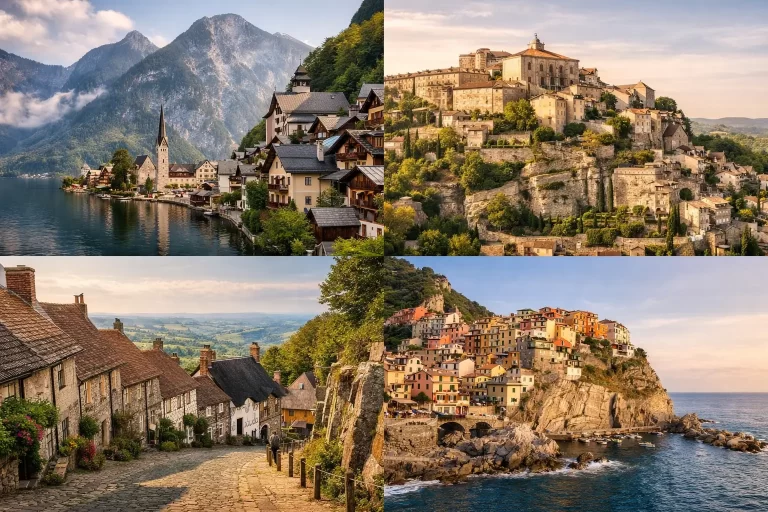
The best village stays rarely announce themselves with a glossy sign. They are the places where the bakery opens before the church bell has quite finished ringing, where somebody’s grandfather is pruning vines behind a low stone wall, and where your evening glass of local red comes with advice on tomorrow’s market. If you are wondering how to find authentic village stays, start by looking beyond the prettiest photographs and towards the everyday rhythm of a place.
Authenticity is not a themed guesthouse with a decorative wheelbarrow by the door. Nor does it mean sacrificing comfort, decent coffee or a bathroom that does not require a strategic plan. It means staying somewhere with a genuine connection to its landscape, people and traditions – a village that still has a life when visitors have gone home.
Start with the village, not the accommodation
It is tempting to begin with a dreamy cottage listing, then build a holiday around it. For a more meaningful stay, reverse the process. Choose a region you want to understand through its food, wine, landscape or history, then seek out villages within it.
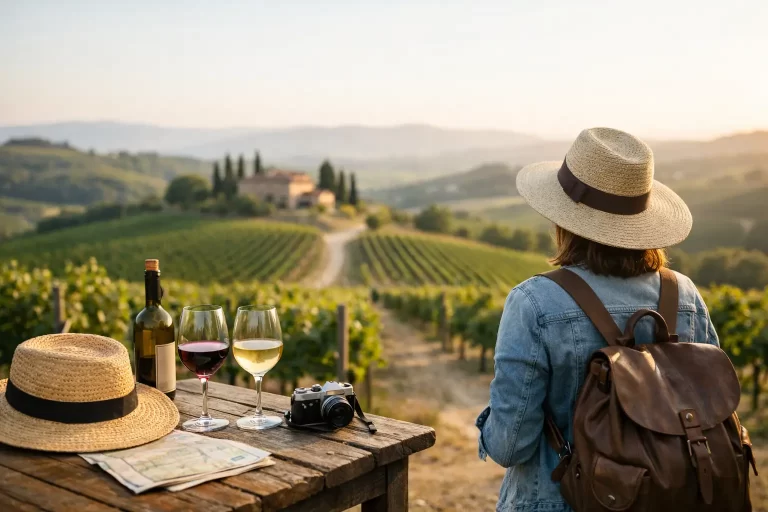
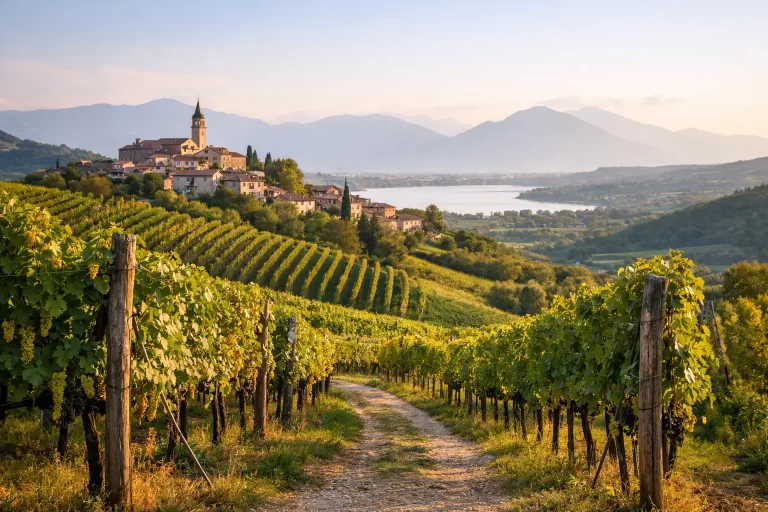
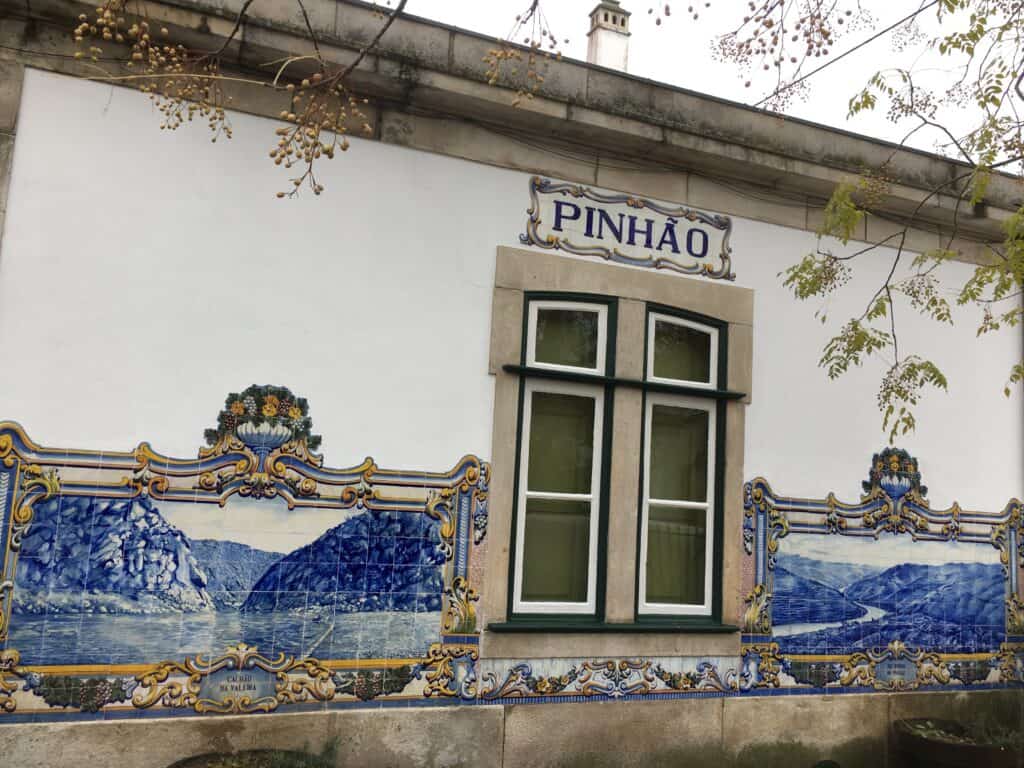
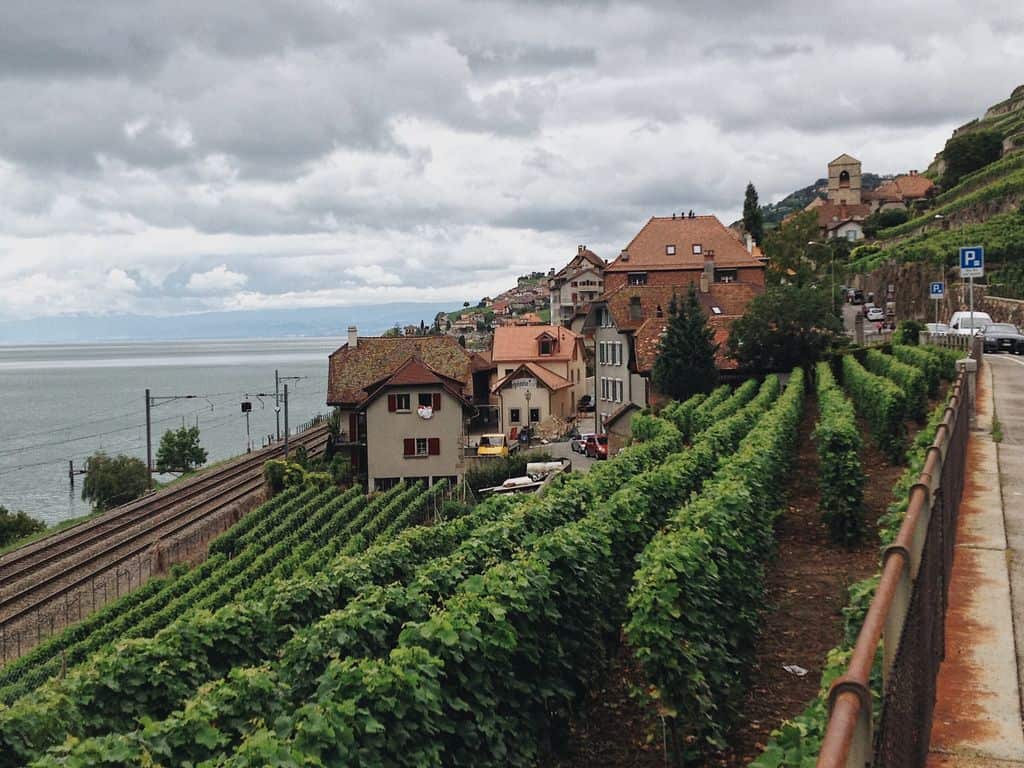
A village near a wine appellation can be especially rewarding. In Alsace, the Languedoc, Tuscany, the Douro, Rioja or the hills of southern England, vineyards offer more than a scenic backdrop. They shape the local calendar, the dishes served in small restaurants, the chatter at the café and the bottles on the table. A village with working wineries, growers’ co-operatives or a weekly market is usually a better bet than one that exists mainly for day trippers.
Look at a map before you look at photographs. Is the village surrounded by farmland, vines, woodland or olive groves? Does it sit close enough to a larger town for practical things, but far enough away to have its own identity? A place with a grocer, bakery, bar, pharmacy or post office is often a strong sign. These details may not sound romantic, but they are where real village life tends to gather.
How to find authentic village stays in the listings
Accommodation descriptions can be wonderfully vague. “Traditional”, “rustic” and “authentic” sometimes mean a 1990s sofa, a slightly aggressive floral duvet and no shop within a 20-minute drive. Read carefully, and read beyond the headline.
The most promising stays often mention the host’s family connection to the house, land or village. Perhaps the owner makes olive oil, runs a small vineyard, restores old stone buildings or can recommend the butcher who prepares regional specialities. A host does not need to become your full-time social secretary, but local knowledge is worth more than a basket of miniature toiletries.
Guest reviews are more revealing than polished descriptions. Search for clues about daily life: mentions of neighbours, a village fête, fresh bread nearby, a host’s recommendations, harvest activity, morning bells or walks directly from the front door. Notice, too, what people say about noise. A review complaining about tractors, cockerels or the village square being lively may actually describe exactly the sort of place you came to find.
At the same time, distinguish living character from avoidable discomfort. Church bells at seven are part of the deal in many villages. A mouldy room, poor heating or a host who is impossible to reach are not charming local customs. Slow travel should feel grounded, not like an endurance test.

Ask questions that invite real answers
Before booking, send a short, friendly message. Ask which day the market takes place, whether local wineries welcome visitors, where residents go for lunch, or whether there is a walk through the vines or hills from the village. The reply matters as much as the answer.
A thoughtful response suggests someone who knows and cares about the place. You may also learn whether a car is essential, whether restaurants close on certain nights, or whether the village becomes very quiet out of season. This is useful intelligence, not a reason to panic. Quiet can be glorious when you have planned for it and brought a bottle for the first evening.
Travel when the village belongs to itself
Timing can completely alter the experience. In peak summer, famous villages can become a procession of coaches, camera phones and queues for gelato. The architecture remains beautiful, but it is harder to hear the place beneath the performance.
Late spring and early autumn are often the sweet spots. Vineyards are busy, terraces are open, and evenings still invite a slow wander after dinner. In wine regions, harvest can be thrilling, with tractors moving through narrow lanes and the scent of crushed grapes in the air. It can also mean booked-up restaurants, busy roads and hosts with very little spare time. That is the trade-off.
Winter has its own appeal, particularly in southern Europe and in villages with hearty food, fireplaces and local wine bars. You may find lower prices and warmer welcomes, but confirm what will be open. A village that feels deliciously peaceful in November can be less enchanting if the only restaurant is shut until Easter and your cottage kitchen contains one blunt knife.
Choose independent places, but do not romanticise every detail
Family-run guesthouses, restored farmhouses, village B&Bs and small self-catering homes are often excellent choices. They can keep more of your spending in the community and create an easy opening for conversation. A host might point you towards a modest cellar door, a cheese maker down the lane or a viewpoint that never makes the guidebooks.
Yet independent does not automatically equal authentic, and larger properties are not automatically soulless. A sensitively run small hotel in a working village may offer better access to local food and more reliable service than an isolated rural rental. What matters is the relationship between the accommodation and its surroundings. Does it employ local people? Serve regional produce? Encourage guests to use village businesses rather than treating the area as a private backdrop?
Be wary of properties that promise total seclusion while using a village name as decoration. There is nothing wrong with a remote retreat – sometimes a quiet terrace and a view of vines is precisely the medicine required. But if your aim is village life, stay within walking distance of its centre. The magic often happens in the small unscheduled moments: buying peaches, overhearing pétanque scores, or accepting a neighbour’s firm opinion about which rosé is worth drinking.
Let food and wine lead you into the place
One of the simplest ways to become less of a spectator is to eat and drink locally with curiosity. Skip the temptation to order the familiar international bottle on your first night. Ask what is grown nearby, whether there is a house wine, and which dish people make at home.
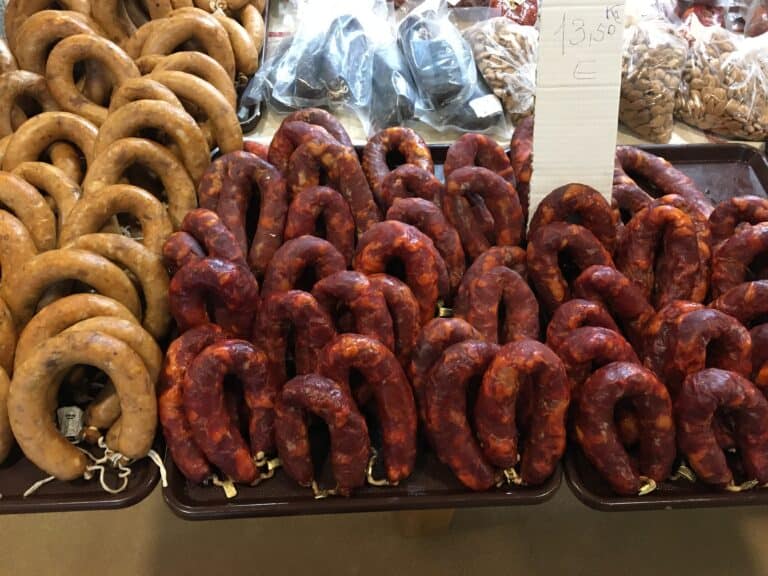
You do not need a formal tasting itinerary. A chat with a village shopkeeper about a local white, a simple plate of charcuterie at a bar, or a visit to a producer recommended by your host can tell you more about a region than a slick tasting room ever could. Buy a bottle or two directly when you can. It is a small pleasure to open one later and remember not just its flavour, but the dusty lane, the weathered hands that sold it and the view beyond the cellar door.
Markets are equally useful. They reveal what is in season, what people actually cook, and whether the village is a community or merely a handsome set. Arrive early, take a reusable bag and ask before photographing stalls. A few words in the local language go a long way, even if your accent makes the cheese seller smile.
Be a guest, not a collector of backdrops
Authentic travel asks for a little humility. Villages are homes first and holiday scenery second. Keep noise down late at night, park thoughtfully, support the businesses that remain open year-round, and do not wander into vineyards or private gardens simply because they look irresistible on a map.
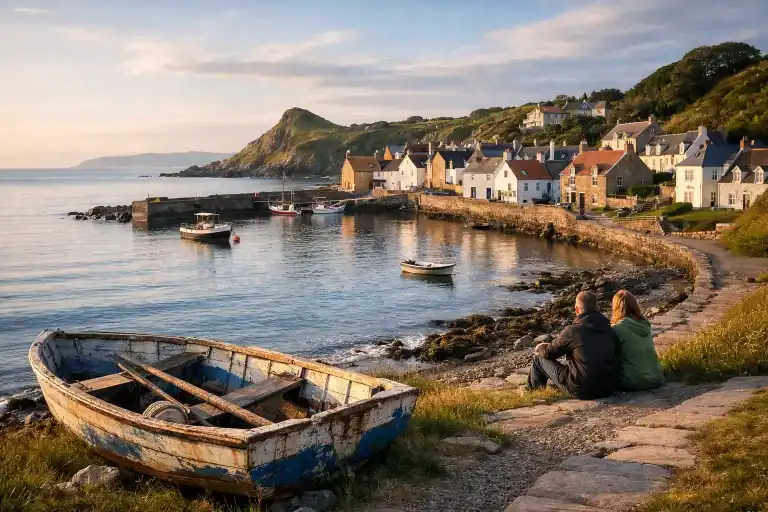
Try to stay long enough for the village to become familiar. Three nights is usually better than one, especially if you want a leisurely meal, a market morning and an unplanned conversation. The first day is for noticing the shutters, the hills and the way the light catches the church tower. By the third, you may know where to buy bread and which table catches the last sun.
That is when a village stay begins to feel real: not when everything is perfectly arranged, but when you stop trying to consume the place and let it set the pace. Order the local wine, linger after lunch, and leave room in the day for the road that looks too small to be promising. It often is.
If you’re looking for tours, attractions and experiences across the UK and Europe, you can browse and book here: https://tripadvisor.tpk.ro/D6WNK34w
Affiliate Disclaimer
This article contains affiliate links. If you book tours, attractions or experiences through these links, we may earn a small commission at no additional cost to you. We only recommend services that we genuinely use, trust or believe will add value to your travels. Thank you for your support!