Rural Food Experiences in Europe Worth the Detour
The best meal of a European road trip is rarely the one with the glossy menu or the view everyone has photographed. It is more often a plate of still-warm cheese pie in a Greek mountain village, eaten at a plastic table beneath a plane tree, or a bowl of bean stew served by someone who has been stirring it since breakfast. Rural food experiences in Europe have a pleasing way of making the clock disappear. You arrive intending to stop for lunch and, several carafes of local wine later, realise the afternoon has quietly become the plan.
For travellers who prefer vineyard lanes to city queues, this is the real pleasure of going slowly. Food in the countryside is not arranged as an attraction. It is simply the visible result of weather, soil, family habit, old preservation tricks and whatever was ready in the garden that morning. A good rural meal tells you where you are before anyone reaches for a map.
Why rural food experiences in Europe feel different
In a village, the distance between the field, the kitchen and your plate can be wonderfully short. Sheep graze on the hillside above a tavern. Olive trees cast shade over the terrace where the oil is poured. The wine in your glass may have been made a few bends down the lane by a family who also grow peaches, keep bees, and have strong views about the correct temperature for serving rosé.
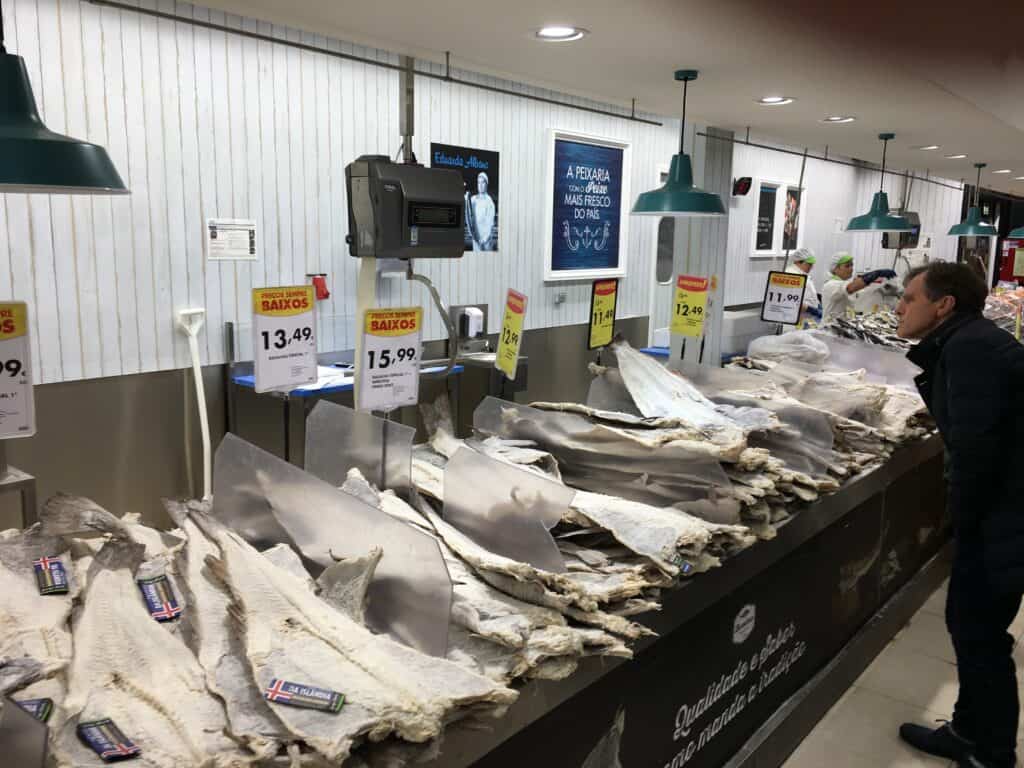
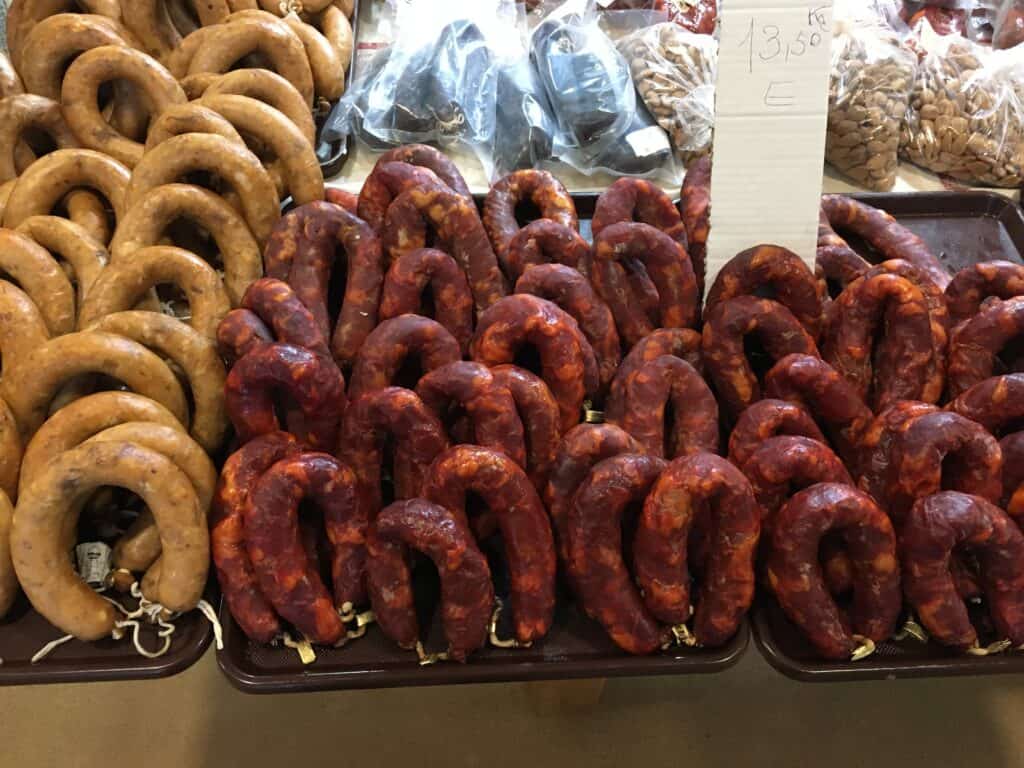
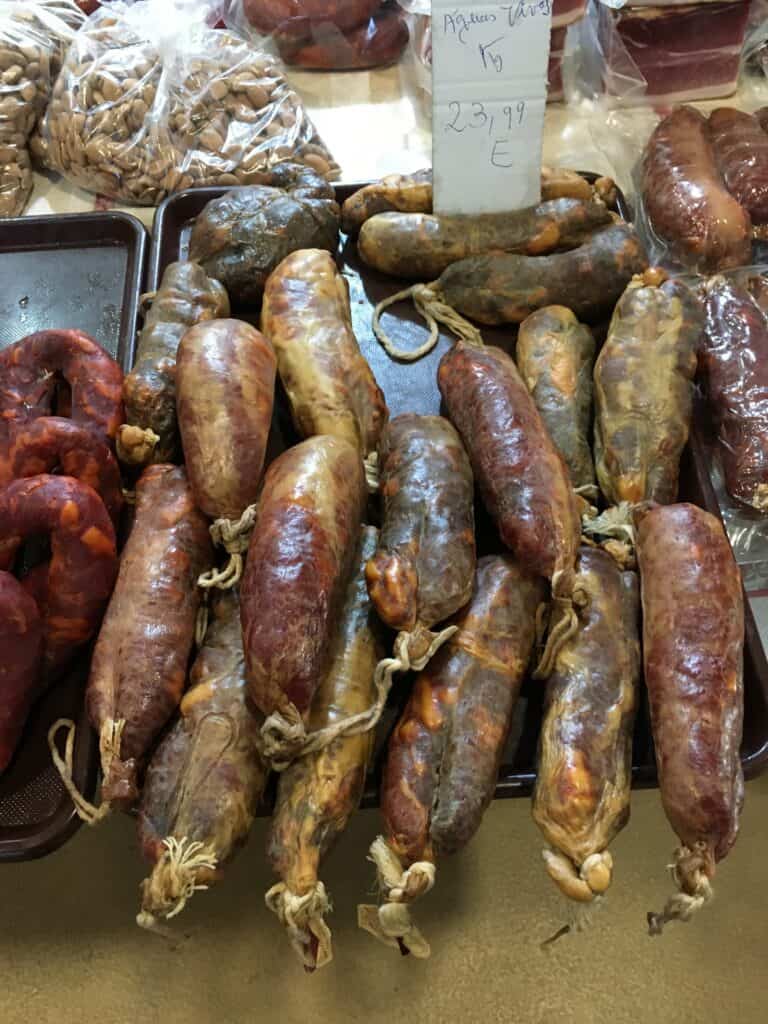
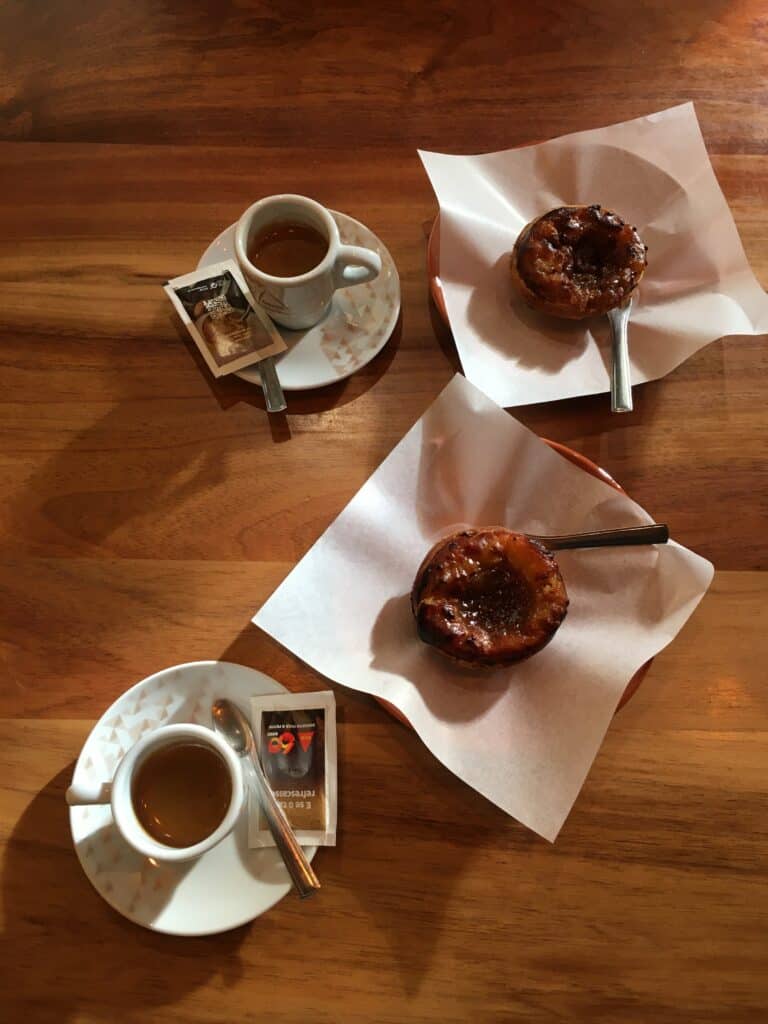
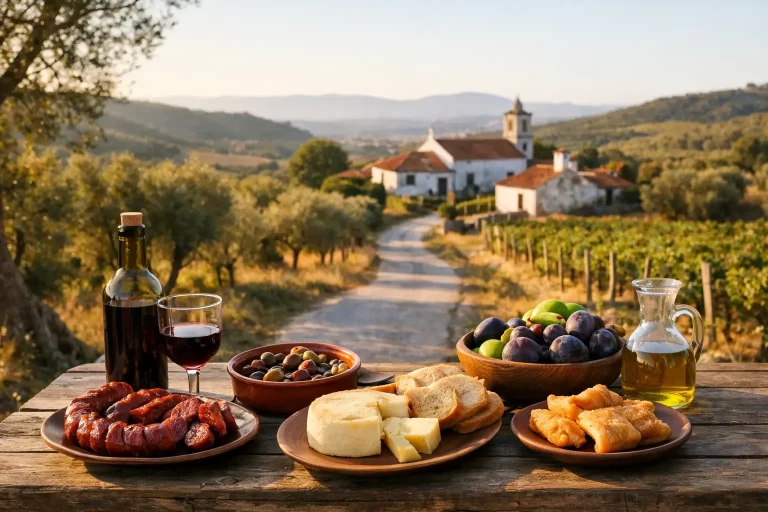
That closeness gives rural cooking its character. A dish may be simple, but it is rarely careless. In Tuscany, a bowl of ribollita makes sense after a cool day among chestnut woods. Then, in the Basque Country, grilled lamb and cider carry the smoky, green character of the Atlantic foothills. In rural Portugal, bread, pork, coriander and a good splash of local red can turn a modest lunch into an occasion that calls for an unhurried second glass.
The trade-off is that rural dining does not always behave like a polished city restaurant. Opening hours may be flexible in the most literal sense. Menus can be handwritten, untranslated or based on a cheerful shrug from the person taking your order. That uncertainty is part of the charm, although it is sensible to keep a few useful food words on your phone and not arrive ravenous at 3.30pm expecting a full lunch service.
Follow the landscape, then order what belongs there
The easiest way to eat well in the European countryside is to stop trying to find the same familiar dishes everywhere. Instead, let the landscape choose for you.
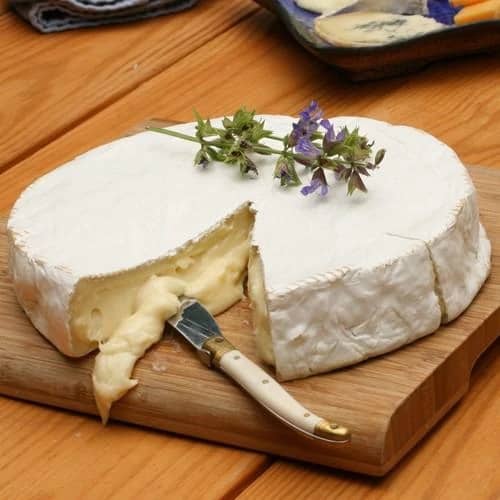
In alpine regions, look for the food that has traditionally sustained people through long winters: mountain cheeses, potatoes, cured meats, dumplings and slow-cooked stews. A small dairy in the French Jura, Swiss Valais or northern Italy can offer far more than a cheese tasting. It may reveal why the pasture smells faintly of wild herbs, why the milk changes with the season, and why a wedge wrapped in wax paper feels like the most valuable souvenir in the campervan.
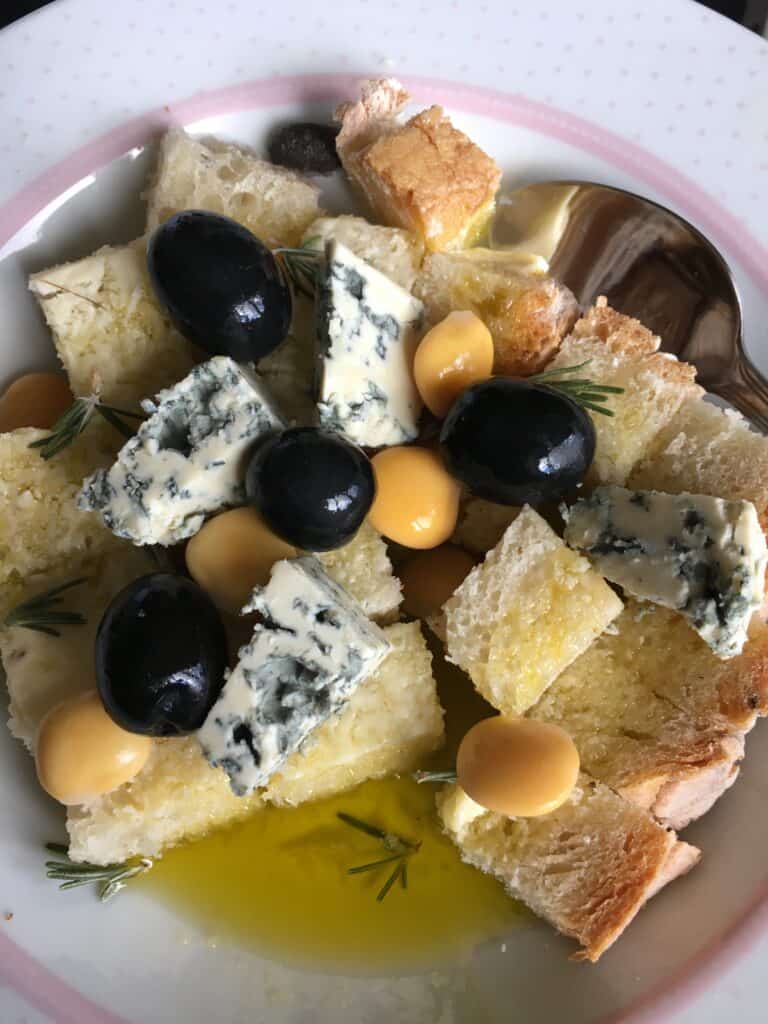
Along the Mediterranean, the table often follows sun and scarcity. Expect tomatoes at their sweetest, grilled fish where the coast is near, pulses in the interior, generous olive oil and herbs that seem to have been picked moments before. In Puglia, Crete, inland Catalonia or the Peloponnese, lunch can look almost disarmingly plain until you taste it. A ripe tomato, local feta or sheep’s cheese, fresh bread and oil with a peppery finish need very little help.
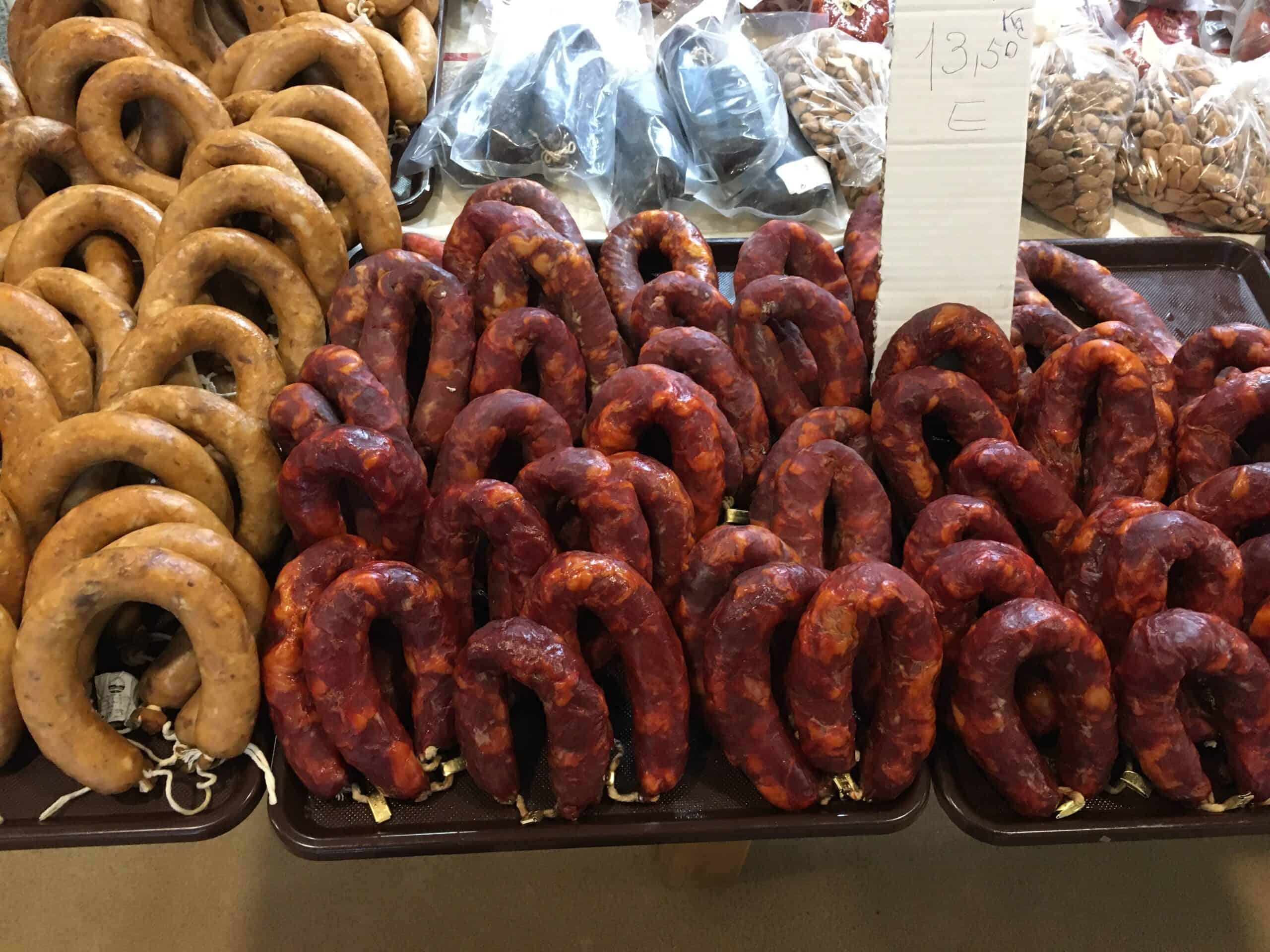
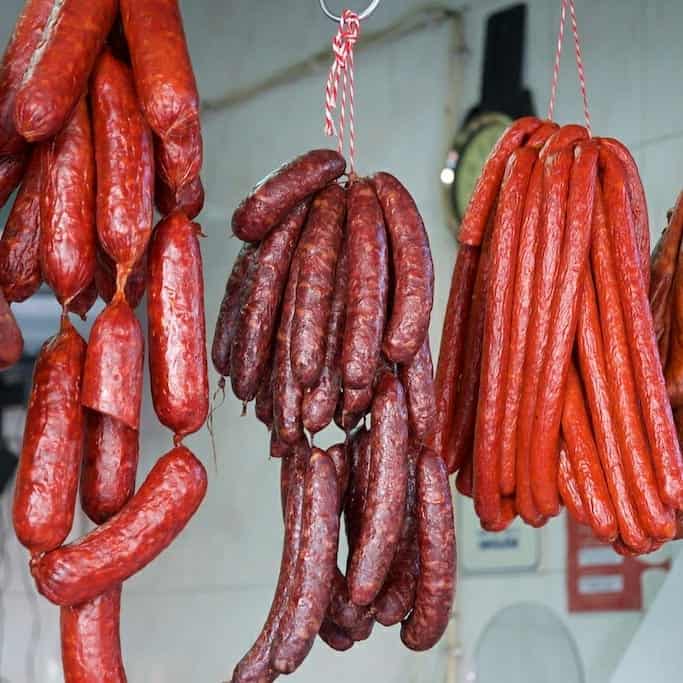
In central and eastern Europe, rural kitchens often shine through preserving, pickling, baking and braising. Think plum dumplings in Slovenia, mushroom dishes in Poland, smoked sausages in the Czech countryside, or Hungarian goulash cooked with the patience it deserves. These are not always light meals, admittedly, but a misty morning walk or a long drive through rolling farmland is excellent preparation.
Wine belongs to this story too, though it need not be intimidating. Ask for the house wine, especially in a village restaurant with a short menu and a busy local dining room. In many rural areas, it is the most honest expression of the place: a bright vinho verde beside grilled sardines in northern Portugal, a rustic Mencía with roast pork in Spain’s Bierzo, or a chilled local red on a warm evening in the Languedoc. The label may not be famous. The memory usually is.
The places where the best meals hide
A market is often the clearest introduction to a region, particularly if you visit early. Watch what local shoppers buy rather than heading straight for the prettiest stall. If everyone is carrying bunches of asparagus, soft goat’s cheese or paper bags of cherries, you have found the season’s unofficial menu.
Farm shops deserve more time than a quick dash for snacks. Some are beautifully curated, others are a glorified shed with an honesty box and a fridge humming in the corner. Both can be brilliant. Pick up bread, fruit, cheese and something drinkable, then make a picnic of it beside a river, vineyard or village square. It is one of the simplest pleasures of a self-drive holiday, and considerably more romantic than eating motorway crisps in a lay-by.
Look out, too, for village festivals. Harvest celebrations, truffle fairs, chestnut weekends and spring asparagus events are not always slickly advertised beyond the region, but they bring together producers, home cooks and local pride in one happy, noisy place. You may have to accept a little crowding and a very enthusiastic brass band. Consider it seasoning.
Then there are the small restaurants that seem to have no interest in impressing the internet. They may have three tables, patterned curtains and a menu built around what the owner bought that morning. These are the places to ask, gently, what is best today. If the answer is a long explanation accompanied by hand gestures, you are probably in safe hands.
How to plan a slower, tastier route
A rural food journey works best when you leave room for chance, but a little planning prevents avoidable disappointment. Base yourself for two or three nights in one wine or farming region rather than changing accommodation every evening. That gives you time to visit a market, try a vineyard lunch, return to a restaurant you loved, and learn the rhythm of the place.
Book ahead when there is something specific you genuinely do not want to miss: a small winery tasting, a farmhouse table with limited covers, or a restaurant in a remote destination. In quieter places, a phone call is often more effective than assuming an online booking system exists. If you do not speak the language, keep it simple, be warm, and have your dates and party size ready. Hospitality crosses a surprising number of linguistic gaps.
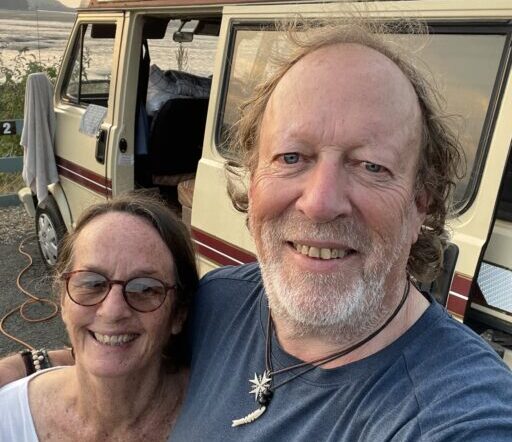
For campervan travellers, rural food experiences are a joy but require a little restraint. Buy local cheese and charcuterie, certainly, but remember that a warm vehicle is not a wine cellar or a refrigerated larder. Choose smaller quantities, carry a cool bag, and save the grand shopping spree for the final days. Also, if you are tasting wine, settle in for the night or appoint a driver. The village may be tiny, but local driving laws are not a suggestion.
Season matters more than many itineraries admit. Spring brings tender vegetables, fresh cheeses and blossom-filled lanes. Summer is glorious for outdoor meals but can be hot, busy and prone to limited afternoon service. Autumn is made for harvest tables, mushrooms, game and wine festivals. Winter, where restaurants remain open, offers the deep comfort of slow cooking and fewer competing diners. There is no wrong choice, only different appetites.
Let curiosity do some of the work
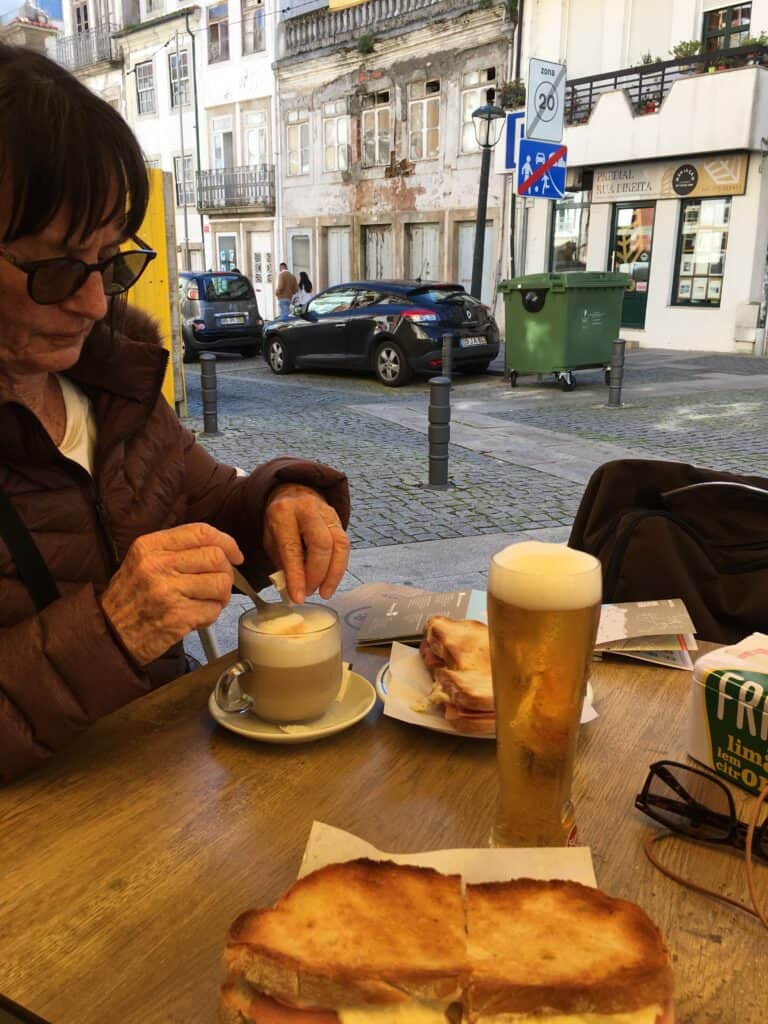
The most memorable rural meals are not necessarily the grandest. They are the ones where you notice the jug of wine sweating on the table, the sound of cutlery from the next terrace, and the fact that the bread tastes of something beyond flour and salt. Ask where the cheese comes from. Ask which wine locals drink with the stew. Buy the slightly odd-looking jar from the producer who clearly cares about it.
Europe’s villages reward travellers who make time to linger. Leave a little space between the vineyard visit and dinner, take the slower road when it runs through orchards or hills, and treat lunch as an experience rather than a refuelling stop. The meal you cannot quite pronounce may become the one you talk about long after you have unpacked your suitcase.
If you’re looking for tours, attractions and experiences across the UK and Europe, you can browse and book here: https://tripadvisor.tpk.ro/D6WNK34w
Affiliate Disclaimer
This article contains affiliate links. If you book tours, attractions or experiences through these links, we may earn a small commission at no additional cost to you. We only recommend services that we genuinely use, trust or believe will add value to your travels. Thank you for your support
2 Comments
Comments are closed.