7 Best Scenic Campervan Routes in Europe
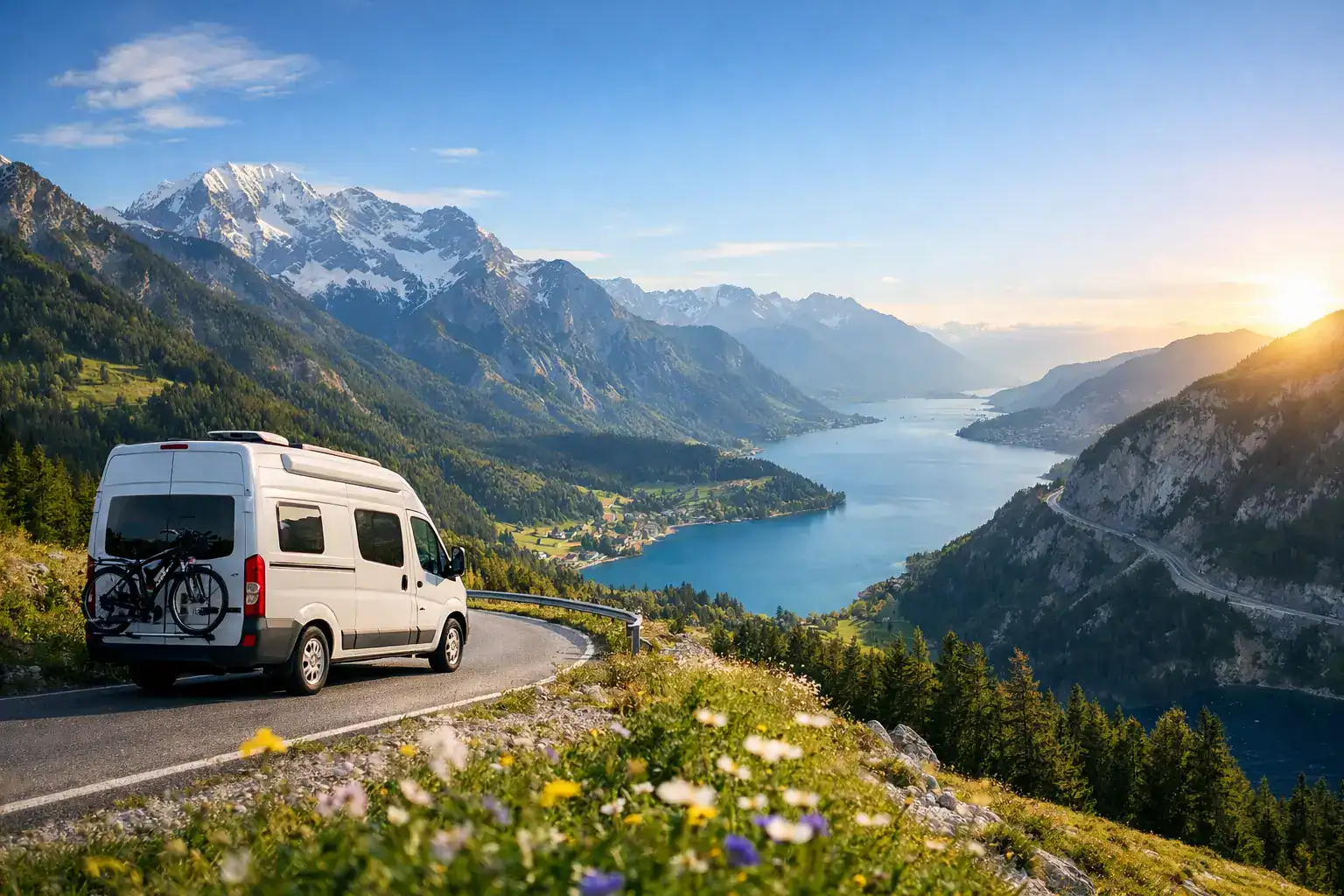
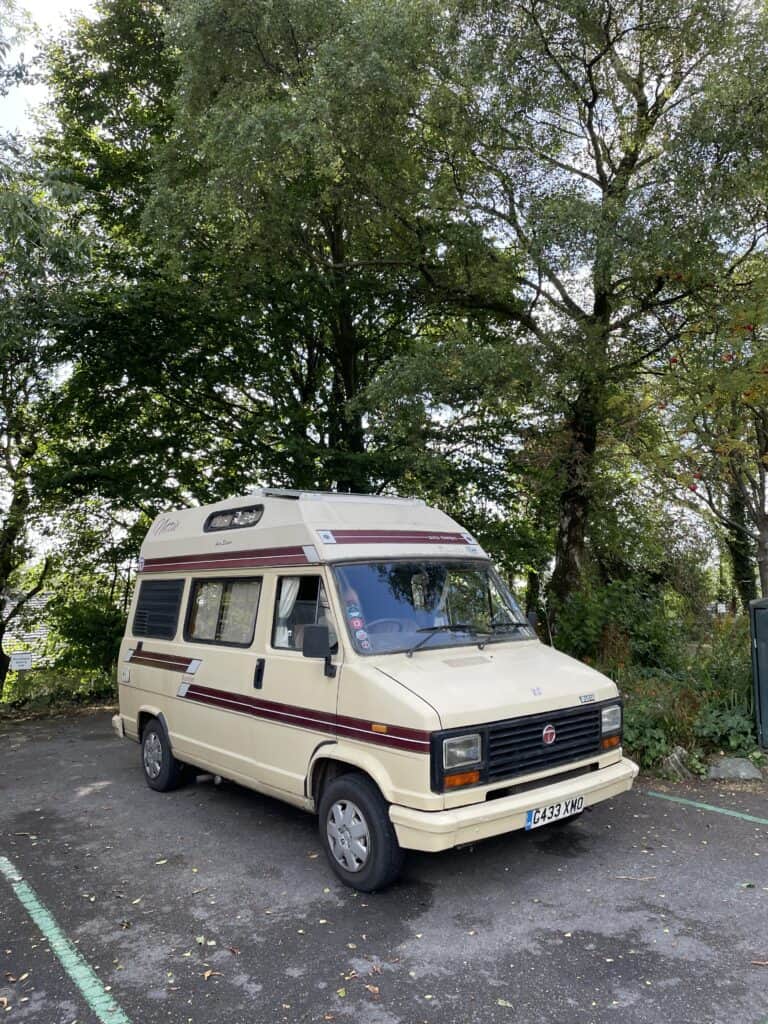
The best scenic campervan routes Europe can offer are not always the ones with the most dramatic hairpin bends or the loudest social-media reputation. They are the roads where you wake to church bells in a vineyard village, buy warm bread from a family bakery, and reach the next view before the day has had time to hurry you along. A campervan gives you the rare luxury of letting a beautiful landscape set the pace.
For those of us who travel with a corkscrew in the drawer and muddy walking shoes by the door, the sweet spot is a route with enough scenery to stir the soul, enough villages to keep lunch interesting, and enough sensible places to stop for the night. These are seven journeys made for exactly that sort of holiday.
Before you follow Europe’s best scenic campervan routes
A glorious road is less glorious when it ends with a low bridge, a no-overnight-parking sign or a white-knuckle encounter with an oncoming coach. Europe rewards the unhurried driver. Plan shorter daily distances than you think you need – 80 to 150 miles is usually ample – and use established campsites or designated motorhome areas rather than assuming you can park anywhere wild and lovely.
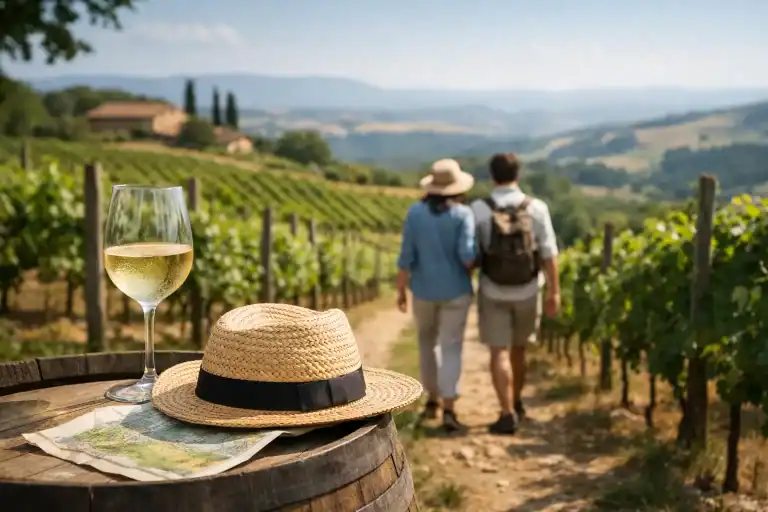
Wine tasting needs a little choreography, too. Many vineyards welcome visitors, but reserve ahead where possible and decide who is driving before the first pour. Buy a bottle for later, enjoy a glass with supper at the campsite, and let the scenery remain the main intoxication while you are behind the wheel.
1. Douro Valley, Portugal
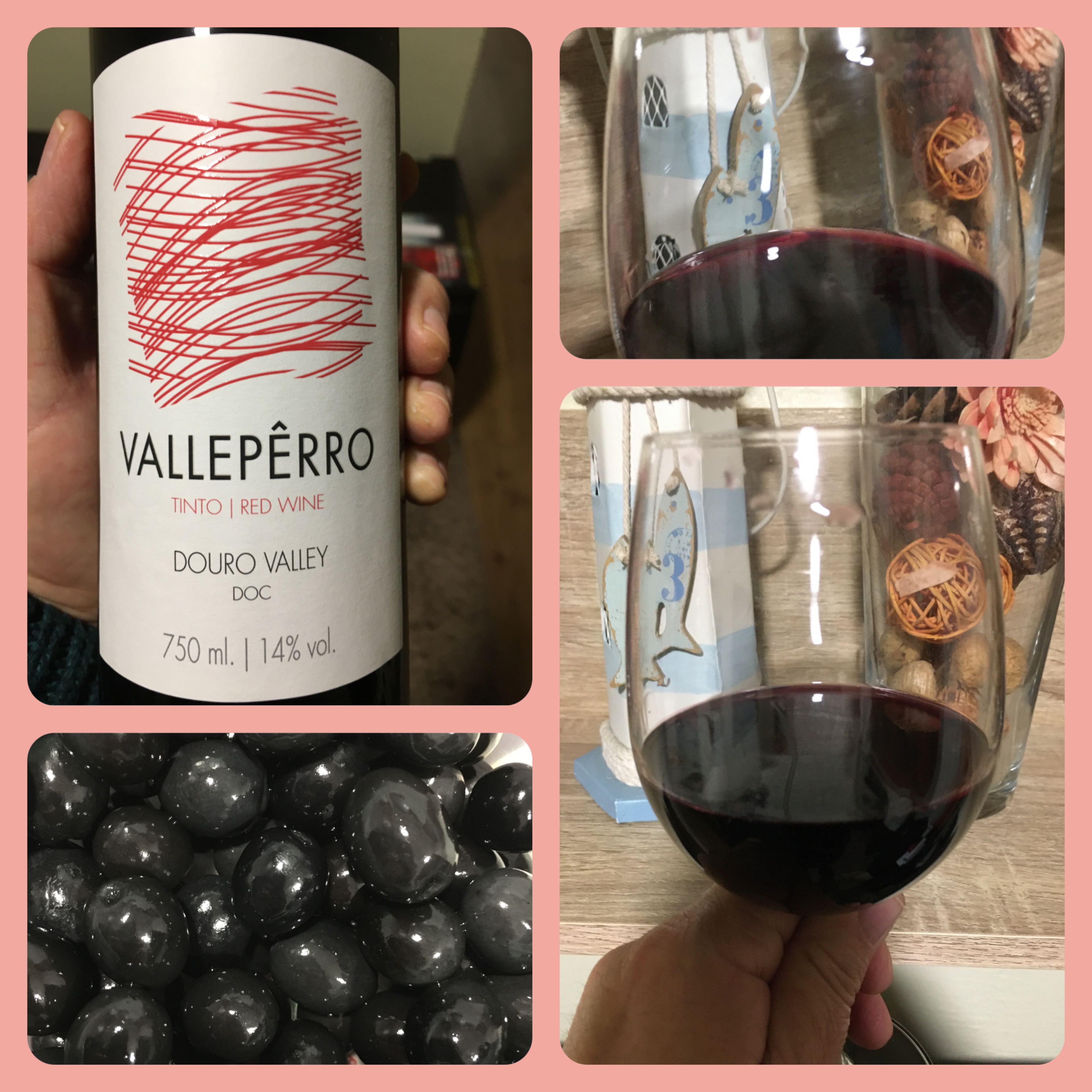
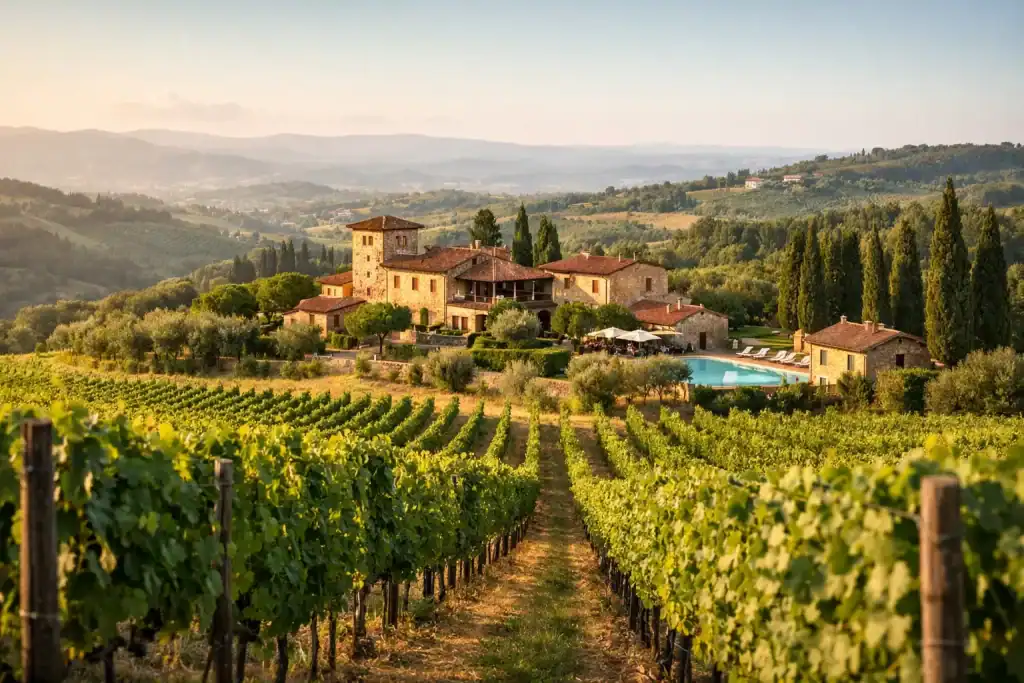
Start in Porto, then follow the river east towards Peso da Régua and Pinhão, where the Douro folds itself into steep, improbable terraces. This is a route of slate-coloured hills, silver-green olive trees and vineyards that look as though they have been patiently stitched into the mountainside.
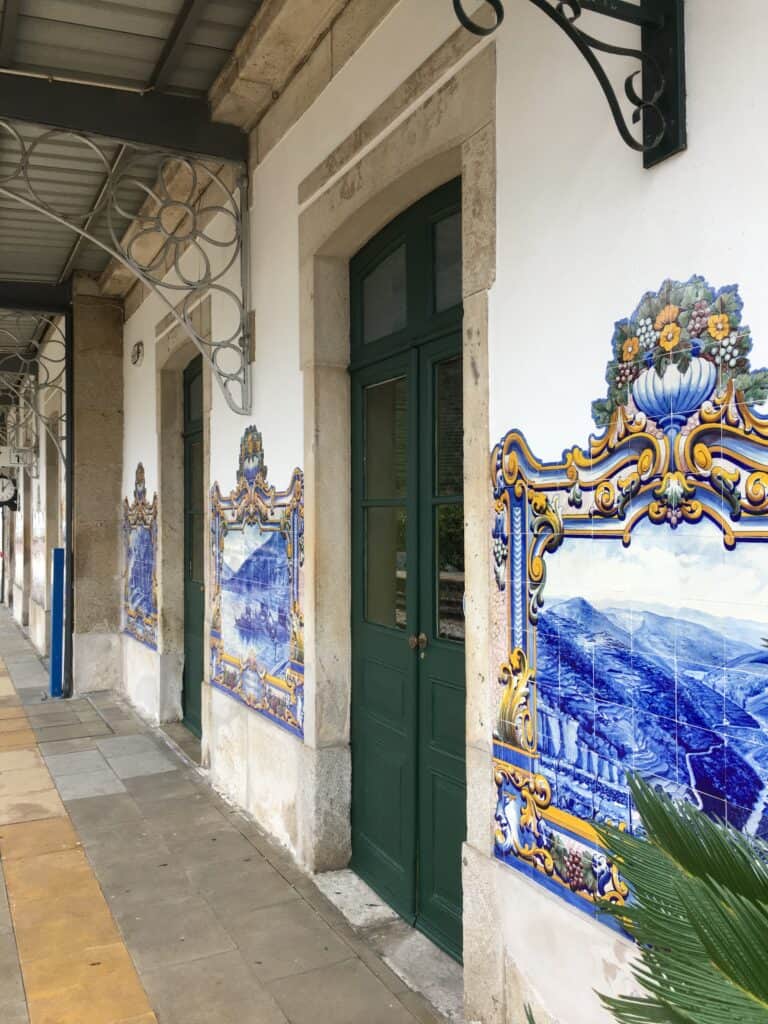
The N222 between Peso da Régua and Pinhão is famously beautiful, but give yourself permission to leave the headline road. Small lanes lead to whitewashed villages and viewpoints above the river, where the silence is broken only by a train occasionally tracing the water below. Pinhão’s tiled station is worth a pause, even if you are normally immune to railway romance.
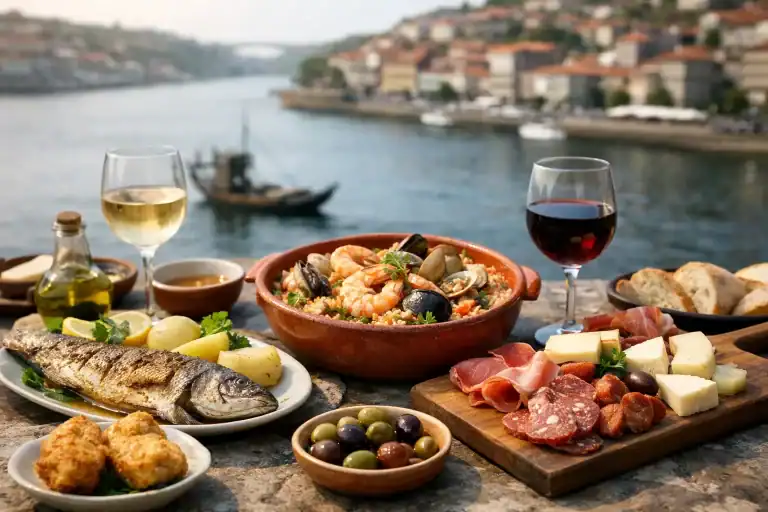
Port is the obvious local companion, but a chilled white port with tonic makes a fine late-afternoon campervan aperitif. For meals, look for hearty northern Portuguese cooking: grilled fish, roast kid, smoky sausages and potatoes that have clearly never met a diet plan.
2. The Alsace Wine Route, France
Between Strasbourg and Colmar, the Alsace Wine Route connects villages that seem to have been designed by someone with a fondness for half-timbered houses, geraniums and very good Riesling. Riquewihr, Eguisheim, Kaysersberg and Ribeauvillé are the famous names, but the pleasure lies in drifting between them rather than treating each as a tick-box stop.
This is one of the gentler scenic campervan journeys in Europe. The roads are manageable, the villages are close together, and campsites tend to be well placed for walking or cycling. It is ideal for a first continental campervan trip, particularly if narrow Alpine roads are not your idea of relaxation.
Order a glass of dry Riesling with tarte flambée. Then try Pinot Gris or Gewürztraminer with stronger cheeses and richer dishes. Alsace can be busy in high summer and around Christmas. Late spring and early autumn bring a more peaceful rhythm, along with vines in fresh green or burnished gold.
3. The North Coast 500, Scotland
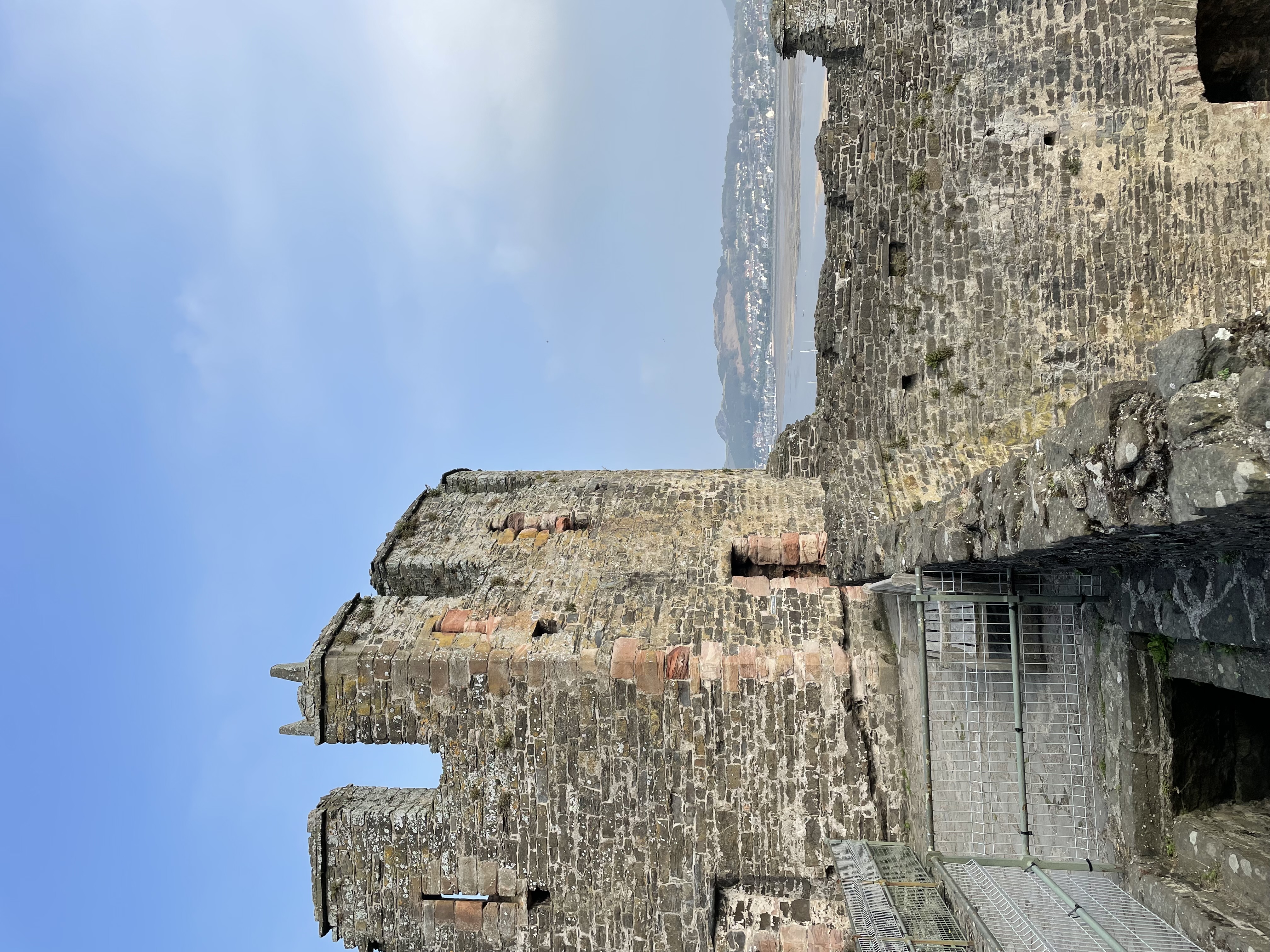
The North Coast 500 is not a wine route, and that is part of its charm. It is a wild northern escape of sea lochs, heather moorland, white-sand beaches and weather that changes its mind with impressive confidence. Beginning and ending in Inverness, it sweeps through the Highlands via Applecross, Torridon, Ullapool, Durness and John o’ Groats.
The Bealach na Bà road to Applecross is spectacular but serious: steep, twisting and unsuitable for drivers uncomfortable with tight mountain passes. A longer alternative route exists, and choosing it is not cowardice. It is simply a sensible way to keep your tea in its mug.
Slow down around Torridon for the mountains and along the north coast for beaches that could pass for the Caribbean if the water were not so bracing. Seafood is the local treasure here: scallops, langoustines and fish landed close enough to make supper feel wonderfully immediate. Bring a bottle of crisp English sparkling wine or a bright, citrusy white from home for a fitting toast to the coast.
4. The Romantic Road and Franconia, Germany
Germany’s Romantic Road is often associated with storybook towns, but it becomes more compelling in a campervan when you pair its medieval streets with the softer countryside of Franconia. Start around Würzburg, where vineyards climb the hills above the Main River, then weave south through Rothenburg ob der Tauber, Dinkelsbühl and the smaller villages that sit quietly beyond the guidebook glare.
Franconian Silvaner is the bottle to seek out – dry, understated and often sold in its distinctive flattened Bocksbeutel bottle. It is a refreshing match for asparagus, river fish and the region’s more substantial pork dishes. The wine country around Würzburg and Iphofen offers a pleasing contrast to the timbered town squares further south.
Rothenburg is beautiful, but arrive early or stay nearby rather than attempting to thread a larger vehicle through every historic lane. Park outside the centre, walk in at dusk, and watch day-trippers melt away. That is when the town’s old walls and cobbles start to feel less like a film set and more like a place with a pulse.
5. South Tyrol and the Dolomites, Italy
South Tyrol is where Alpine drama meets Italian appetite. From Bolzano, travel through the vineyards around Caldaro and Termeno, then head towards the Dolomites for jagged limestone peaks, pine forests and mountain passes that make even a modest campervan feel heroic.
The trade-off is clear: this route is best for confident drivers and compact vehicles. The scenery is enormous, but so are the gradients, and busy summer roads can remove much of the magic. September often offers the finest balance of clear light, harvest energy and fewer cyclists navigating every bend.
Stop for local Lagrein, a dark, lively red, and aromatic Gewürztraminer, which has deep roots in the village of Tramin. Between vineyard tastings, seek out speck, dumplings and apple strudel – a delicious reminder that this is a borderland with its own character, not simply Italy with taller mountains.
6. Slovenia’s Vipava Valley to the Soča Valley
Slovenia is made for travellers who prefer a well-kept secret to a grand announcement. Begin in the Vipava Valley, west of Ljubljana, where stone villages, orchards and vineyards sit beneath the Karst plateau. Local wines such as Zelen and Pinela are gentle introductions to a region whose food and wine culture feels proudly local rather than polished for show.
From there, turn north-west towards the Soča Valley. The river is an almost implausible shade of turquoise, running beneath wooded slopes and past small towns shaped by both Alpine life and First World War history. The change from sunlit vineyards to high, clear valley feels like two holidays joined by a single winding road.
Keep an eye on the weather in the mountains and do not overpack the itinerary. A long lunch in Vipava or an unplanned riverside walk near Kobarid may become the part you remember most. Slovenia has a talent for making a modest afternoon feel rather special.
7. The Basque Coast to La Rioja, Spain
This route begins with Atlantic energy in San Sebastián or Bilbao and ends among the vine-covered hills of La Rioja. The first section brings rugged coastlines, pintxos bars and fishing villages; the inland stretch softens into plains, rocky ridges and neatly ordered vineyards around Haro, Laguardia and Elciego.
Laguardia is particularly lovely, perched behind old walls above a broad sweep of vines. Park outside the historic core and wander in for tapas, because its streets were built for footsteps rather than campervans. In Rioja, tasting rooms range from traditional family bodegas to startlingly modern architecture, but the most memorable visits are often the quiet ones where someone explains the family vineyard over a simple plate of cured ham.
Tempranillo belongs at the table here, naturally. Try a younger Rioja with pintxos and grilled vegetables, then save a more mature bottle for a slow supper beneath your awning. The coast can be damp and dramatic, while inland Rioja is hotter and drier, so this is a route where layers, shade and a good water supply all earn their cupboard space.
Let the road leave room for surprise
The finest campervan route is not necessarily the longest, nor the one that produces the most photographs before breakfast. Leave a blank day in your plan. Follow the hand-painted sign to a village market. Stay for the second glass only when the keys are safely put away. Europe’s vineyards, valleys and villages are generous with those who give them time – and a campervan, used well, is a rather lovely way to do exactly that.
If you’re looking for tours, attractions and experiences across the UK and Europe, you can browse and book here: https://tripadvisor.tpk.ro/D6WNK34w
Affiliate Disclaimer
This article contains affiliate links. If you book tours, attractions or experiences through these links, we may earn a small commission at no additional cost to you. We only recommend services that we genuinely use, trust or believe will add value to your travels. Thank you for your support!