Wine Storytelling Trends in Publishing That Matter
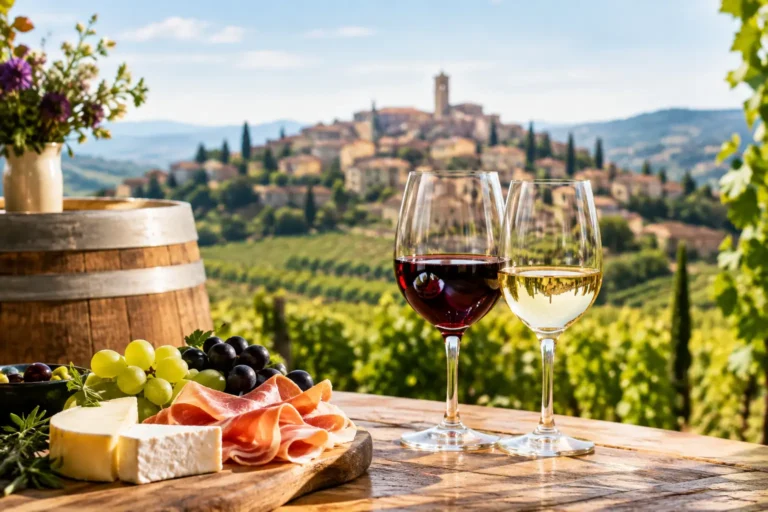
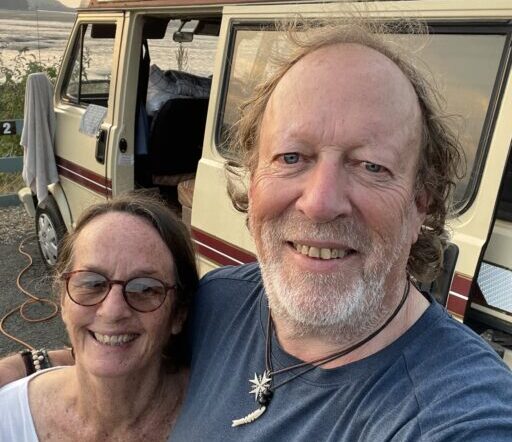
A bottle opened on a campsite table can tell a more memorable story than one photographed beneath studio lights. There may be dust on the glass, a wedge of local cheese softening in the sun, and a village bell announcing the hour just as the first sip reveals something bright and herbal. That is where wine storytelling trends in publishing are heading: away from detached scores and towards the lived, deliciously imperfect context around the wine.
For readers who travel slowly and choose a route partly by what might be poured at supper, this is very good news. Wine is no longer being treated simply as a product to assess. It is becoming a route into landscape, craft, memory and the small encounters that make a holiday feel like it belonged to you.
Wine storytelling trends in publishing are becoming more human
For many years, wine writing leaned heavily on authority. A bottle was explained through grape varieties, vintage conditions, oak regimes and a confident verdict. That expertise still has value, particularly when readers need help choosing between bottles or understanding a region. Yet it can also create a little distance. Not everyone wants to feel they need a chemistry degree before ordering a carafe at lunch.
The strongest publishing now makes room for the human hand behind the label. It introduces the grower who has inherited a few steep terraces from an uncle, the chef who insists on serving a local white with grilled sardines, or the village shopkeeper who recommends a bottle with the solemnity of a museum curator. These are not decorative details. They explain why a wine tastes as it does and why it stays in the mind.
This shift suits destination-led publishing especially well. A traveller may forget whether a red had fourteen months in French oak, but remember drinking it beside a river in the Languedoc after getting mildly lost on a road that was supposedly a shortcut. The wine becomes an anchor for the place.
The bottle is no longer the whole story
A label, a price and a tasting note can be useful, but they are only the beginning. Readers increasingly want to know where they might drink that wine, what they should eat with it, whether the winery feels welcoming, and how the surrounding area changes between a busy August afternoon and a quiet November morning.
This does not mean every article needs a grand personal revelation. In fact, small observations often do more work. The pink shutters opposite a tasting room. The sound of gravel underfoot in a vineyard lane. The producer who pours a second glass because the first was too cold. Such details make wine feel less like an object on a shelf and more like a companion to a journey.
Place is taking centre stage
The most appealing wine stories now start with a sense of place rather than a list of specifications. A coastal Albariño is not merely crisp and saline. It belongs to wind-whipped Atlantic vineyards, late seafood lunches and harbours where gulls behave as though they own the town. A Sicilian Nero d’Avola carries more weight when it arrives with sun-baked stone, citrus groves and a roadside bar where everyone seems to know the owner.
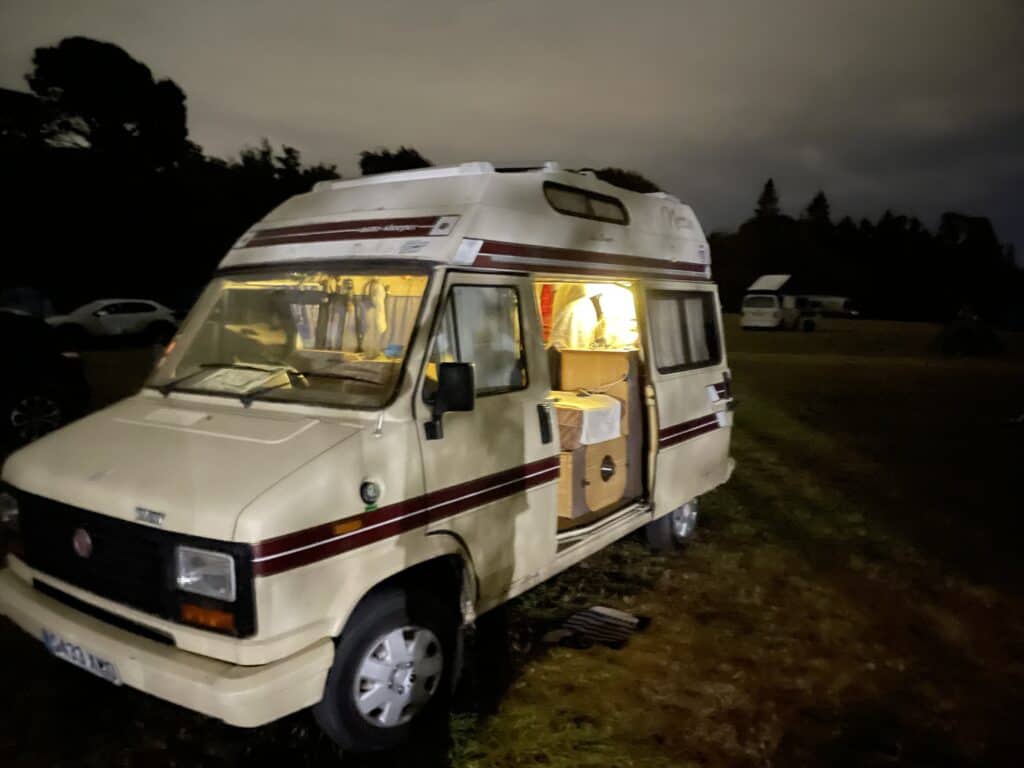
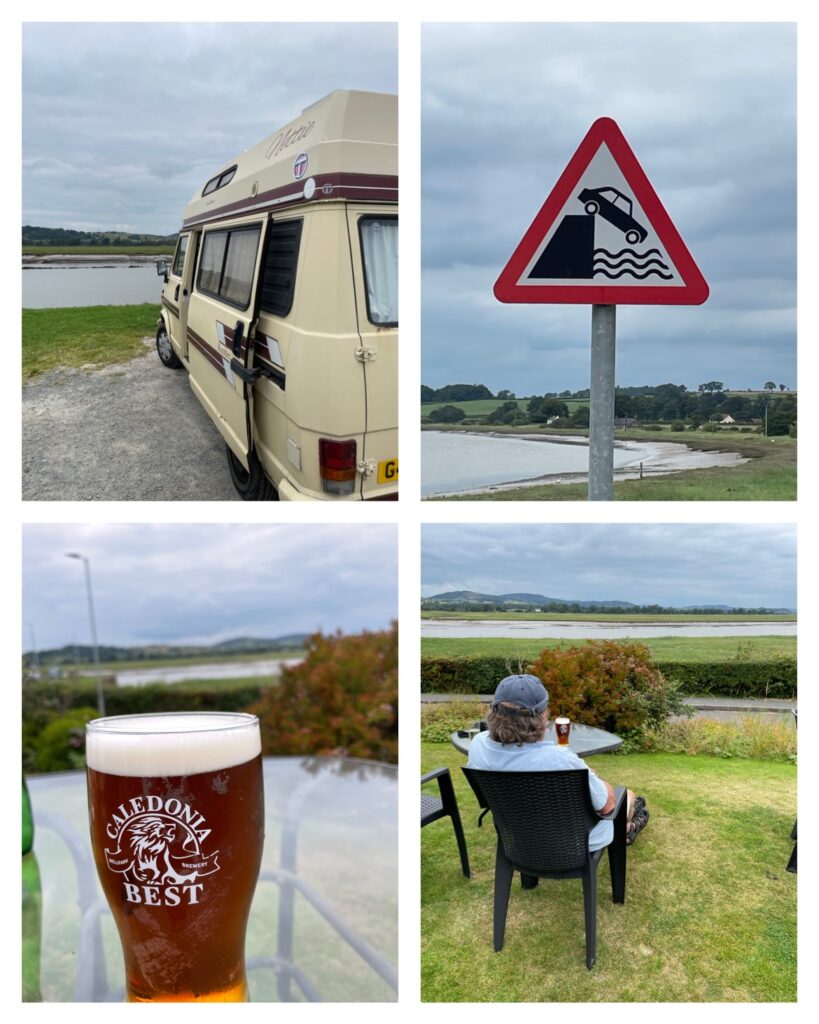
This approach is not about turning every region into a postcard. Good travel-and-wine writing includes the texture that postcards miss: the closed restaurant on a Monday, the narrow lanes unsuitable for an ambitious campervan, the heat that makes a mid-afternoon vineyard walk a questionable life choice. A believable story gives readers beauty, certainly, but also useful reality.
For publishers, this opens a richer editorial path. A regional guide can combine practical notes on getting around with the story of a local grape. A road-trip diary can reveal why a particular appellation deserves a detour. A recurring bottle feature can become a tiny transportive escape, connecting one accessible wine to the people and landscape that produced it.
Slow travel and slow reading belong together
There is a natural meeting point between slow travel and contemporary wine publishing. Both push back against the urge to tick off destinations or reduce an experience to a quick rating. They make space for a second cup of coffee in a village square, an unplanned chat at a market stall, and a wine that is interesting precisely because it is slightly unfamiliar.
Readers are not necessarily looking for a rigid itinerary. They are looking for confidence to linger. An article that says, in effect, “stay two nights here, take the back road, and order the local red with the stew” can be far more helpful than an exhaustive directory of vineyards.
That warmth is also commercially sensible. People may research destinations with practical questions, but they share stories that make them feel something. A useful article gets saved. A vivid one gets sent to a friend with the message, “This looks like us.”

Expertise is becoming more generous
The move towards narrative does not require publishers to abandon knowledge. It asks them to wear it lightly. There is a considerable difference between explaining a grape with clarity and using technical language as a fence around the conversation.
The best writers translate without patronising. They might explain that volcanic soil can lend a wine a smoky edge, then relate that character to a plate of charred aubergine eaten on a terrace near Mount Etna. They might mention that a wine is made with minimal intervention, while also acknowledging that the phrase means different things to different producers and is not an automatic guarantee of quality.
That last point matters. Publishing trends can produce their own clichés. Natural wine, orange wine, regenerative farming and small-production labels all make compelling subjects, but none should be treated as shorthand for virtue. Readers deserve curiosity rather than sermons. A flashy new style may suit one traveller’s adventurous palate and leave another longing for a familiar, properly chilled glass of white.
The return of first-person perspective
First-person wine writing is enjoying a welcome resurgence, particularly when it earns its place. The writer is not the hero of the story. They are the observant companion, asking the questions readers might ask and admitting when a wrong turn led somewhere better.
A personal voice creates trust because it shows the conditions of the experience. Was the tasting crowded? Did the winery require an appointment? Was the wine excellent, or simply perfect for that rain-soaked evening? These distinctions help readers make their own decisions rather than borrow someone else’s certainty.
There is a trade-off. Too much diary-like detail can leave a reader wondering what any of it means for them. The answer is to braid personal moments with practical context. Describe the bread, the view and the funny conversation with the winemaker, then explain which village makes a sensible base, when to visit, and what sort of drinker will enjoy the wines.
Short formats need a proper sense of place
Social platforms have encouraged punchier wine content: quick recommendations, short videos and striking photographs. These formats are excellent at sparking desire, but they rarely carry all the nuance a region deserves. A fifteen-second clip can show a beautiful vineyard. It cannot always explain the family history, the changing climate, or why the most famous bottle is not necessarily the one to seek out.
That creates an opportunity for longer editorial work. A strong feature can begin with the immediate pleasure of a bottle and then go deeper, giving readers enough context to travel thoughtfully and buy with confidence. Short-form content brings people to the table; considered publishing gives them reasons to stay.
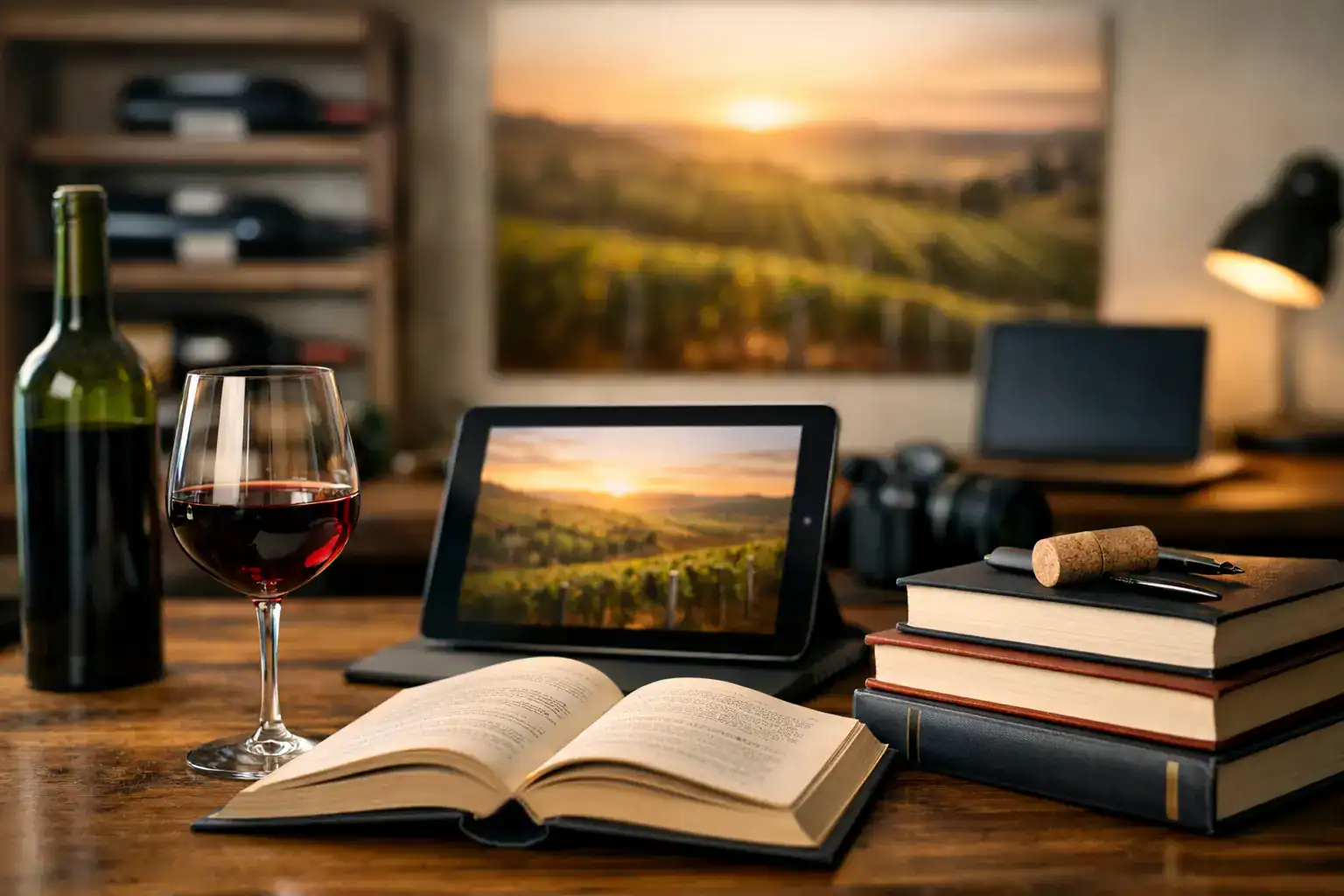
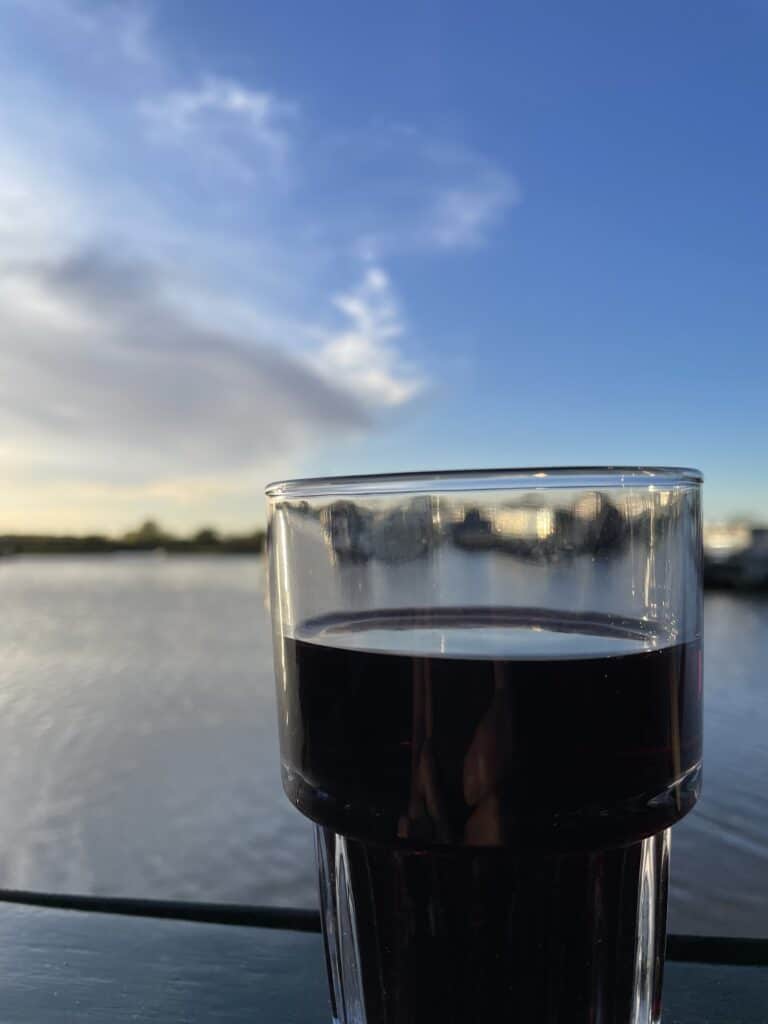
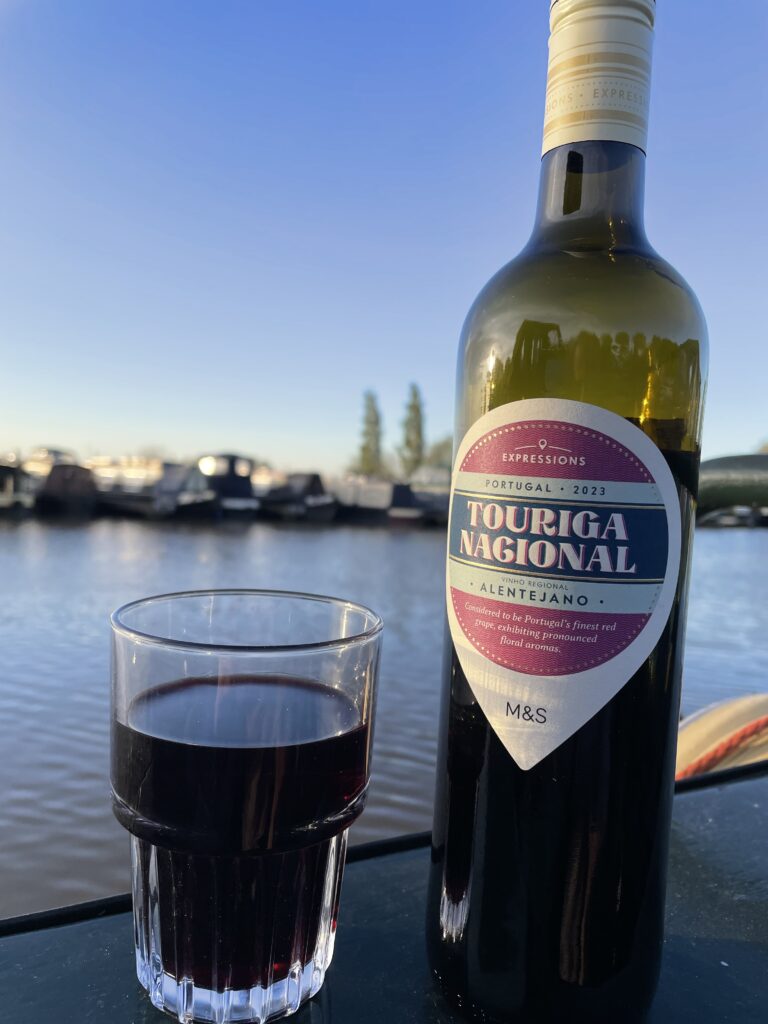
Photography has a role here too. The trend is moving away from immaculate, anonymous bottle shots towards scenes with atmosphere: muddy boots by a cellar door, a carafe on a chequered cloth, vines seen through a café window. Polish still matters, but perfection can feel oddly flavourless. A little life in the frame goes a long way.
What should wine publishers keep doing next?
The future is not about making every glass profound. Sometimes a wine is simply good with lunch, and that is a perfectly noble achievement. But publishing has a chance to remind readers that wine can make us look up from the table and notice where we are.
For a brand such as Vineyards and Villages, the opportunity lies in pairing honest recommendations with the roads, villages and meals that give them meaning. Tell readers which bottle to try, certainly. Then tell them about the lane that led there, the local dish worth ordering, and the extra hour they should leave free for wandering. The finest wine stories do not rush to the last sip. They leave the reader picturing the next journey.
If you’re looking for tours, attractions and experiences across the UK and Europe, you can browse and book here: https://tripadvisor.tpk.ro/D6WNK34w
Affiliate Disclaimer
This article contains affiliate links. If you book tours, attractions or experiences through these links, we may earn a small commission at no additional cost to you. We only recommend services that we genuinely use,