How to Travel by Campervan and Enjoy It
The first morning in a campervan usually tells you everything. You slide open the door, step out with slightly bed-creased hair and a mug of coffee, and there it is – a vineyard on one side, a sleepy village on the other, and no hotel corridor in sight. If you have been wondering how to travel by campervan without turning your holiday into a logistical wrestling match, the good news is that it is far less about perfection and far more about rhythm.
Campervan travel suits people who like a journey with texture. It is ideal if you would rather linger at a family-run winery, browse a village market, and watch the evening light shift across a valley than race through a checklist. That said, romance on wheels still needs a bit of planning. The trick is to prepare enough that the trip feels easy, but not so much that you strangle the spontaneity out of it.
How to travel by campervan without overplanning
The most enjoyable campervan trips have shape, not rigidity. Pick a region rather than trying to cover half a country. One wine area, one coastline, one mountain route, or a cluster of villages is often enough for a week. A route through Alsace, the Douro, inland Andalusia or the Loire can be far more satisfying than bouncing between major cities and spending your life searching for somewhere to park a van that clearly does not belong in a medieval lane.
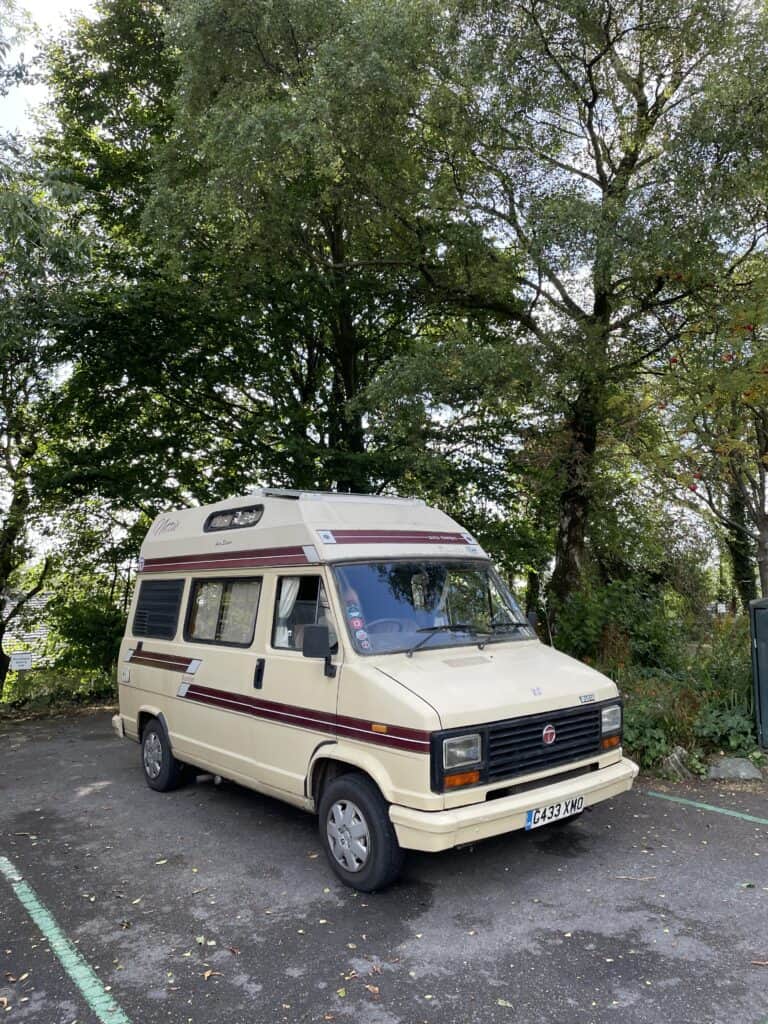
Build your days around a loose pattern. Drive in the morning when roads are calmer and you are fresher. Arrive by mid-afternoon so you are not reversing into a tight pitch at dusk while an audience appears from nowhere. Leave room for proper pauses – a bakery stop, a lazy lunch, an unexpected cellar door. Campervan travel rewards travellers who understand that covering less ground often means seeing more.
It also helps to be realistic about driving times. On paper, 90 miles may look modest. In a campervan, on rural roads, with scenic detours and a cheese shop calling your name, it can become most of the day. Underestimate your speed and overestimate how often you will want to stop. That is usually closer to the truth.
Choosing the right van for your kind of trip
Not every campervan suits every traveller. A compact van is easier on narrow roads, simpler to park and less intimidating if you are new to driving something larger than a car. For couples doing village-hopping and scenic routes, smaller often feels more liberating. You trade a bit of interior space for far less stress.
A larger motorhome gives you more comfort, more storage and often a proper washroom, which can be a blessing on longer trips. But it also limits where you can go. Some of the loveliest places in Europe were not designed with broad vehicles in mind, and old stone villages can become a test of nerve very quickly.
Think carefully about what you actually need. If you plan to cook often, a functional kitchenette matters. On the other hand, if you want off-grid nights among olive groves or near lakes, battery capacity and water storage matter more. If the trip is mostly campsite-based, you may not need every extra. The best van is not the fanciest one. It is the one that matches the roads, the season and your tolerance for fiddling with things.
What matters before you set off
The glamorous part of campervan travel is easy to imagine. The unglamorous part is the bit that saves the holiday. Before leaving, make sure you are comfortable with the vehicle itself. Know the height, width and fuel type. Learn how to fill the water tank, empty waste properly, connect electricity if needed and switch the gas on and off. Five slightly boring minutes at the start can spare you an hour of muttering later.
Packing is where many first trips go wrong. You do not need much, but you do need the right things. Layers work better than bulky outfits. Soft bags are easier to stash than hard suitcases. A torch, washing-up basics, a clothes line, flip-flops for campsite showers, and a decent corkscrew are all oddly morale-boosting. If your route includes vineyards, a few padded wine sleeves are worth their weight in gold. Bottles have a way of following you home.
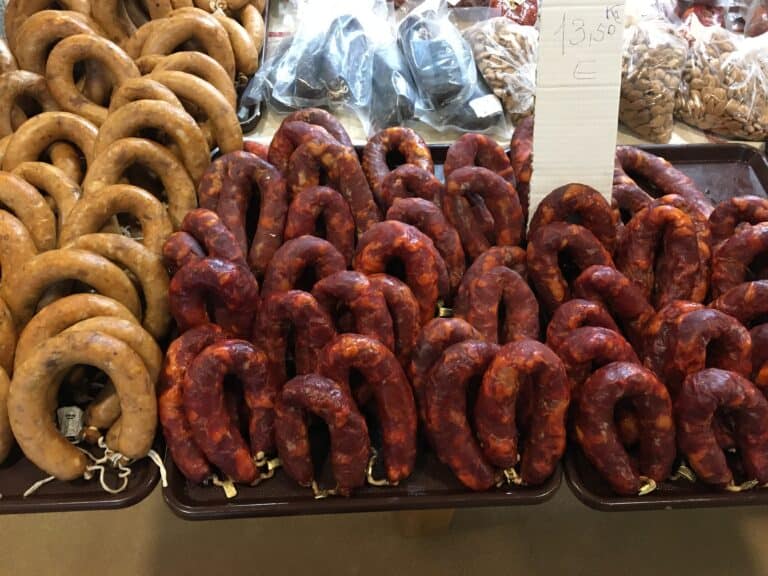
Food shopping should be light and local. Buy enough for a couple of simple meals, breakfast and snacks, then top up as you go. One of the joys of travelling this way is cooking with what the region gives you – tomatoes still warm from a market stall, a wedge of local cheese, bread that barely survives the walk back to the van.
Overnight stops can make or break the mood
Where you stay affects the whole tone of the trip. Campsites are the easiest option if you want showers, power and straightforward facilities. Some are practical rather than pretty, but others sit among vines, near rivers or within walking distance of villages. A well-placed simple site often beats a polished one beside a dual carriageway.
Aires, farm stays and designated motorhome stopovers can feel more atmospheric and sometimes more connected to the places you came to see. They are often excellent for one-night stops, especially when you want to wake up near a market town or spend an evening in wine country without a long drive back.
Wild camping is where fantasy and reality need a polite conversation. Rules vary enormously by country and region, and what seems wonderfully free-spirited can become expensive or inconsiderate very quickly. Always check local regulations, respect private land and leave no trace. A peaceful night is only romantic if you are allowed to be there.
The daily rhythm of travelling by campervan
Once you settle in, life in a campervan becomes wonderfully small in the best possible way. Water levels, coffee supplies, weather and where to buy peaches start to feel like the important questions. There is a comforting simplicity to it.
A good daily rhythm is to keep mornings for movement and afternoons for inhabiting a place. Park up, walk into town, choose a terrace, visit a vineyard, browse a church or a brocante, then come back to the van for a slow supper. You do not need to fill every hour. Some of the best campervan memories come from the in-between bits: rain on the roof, cards by lantern light, a chilled bottle opened while swallows cut across the sky.
If you are travelling through wine regions, be sensible about tastings. That may sound painfully obvious, but pretty cellar doors and rural roads are not a combination for improvisation. Share tastings, spit when needed, stay put overnight, or visit wineries on foot or by bike where possible. The holiday should taste good and remain legal.
Budgeting without losing the pleasure
Campervan travel can be economical, but it is not automatically cheap. Vehicle hire, fuel, campsite fees and toll roads add up quickly, particularly in peak season. The savings often come from flexibility and from not eating every meal out.
The smartest way to budget is to decide where comfort matters to you. You might happily stay on modest sites if it means splurging on a vineyard lunch. You might prefer fewer miles and more memorable meals. Fuel costs rise sharply when you zigzag too much, so slower routing is not just more enjoyable – it is often kinder to the wallet.
It is also worth keeping a small buffer for the treats that make a trip feel personal. A bottle from a winemaker you chat with for half an hour, a farm shop picnic, an extra night in the village you had planned to leave – these are rarely the moments people regret.
The campervan mindset that makes it work
If there is one secret to how to travel by campervan well, it is this: do not expect the experience to behave like a hotel holiday on wheels. Things take longer. Storage is limited. You will occasionally knock your elbow while making tea. It is a compact life, and that is part of its charm.
The travellers who love it most are usually the ones willing to adjust. If the weather turns, they find a cosy bar or cook something comforting and listen to the rain. When a village is too crowded to park, they move on and discover somewhere else. If a planned stop disappoints, they treat it as part of the road rather than a ruined day.
That flexibility creates the magic. You notice places more keenly when you arrive slowly. You remember the scent of pine near the campsite, the church bells drifting across the vines, the bottle of red shared with the door open to the dusk. At Vineyards and Villages, that is the part of campervan travel worth chasing – not simply movement, but a richer way of being in a place.
Start with one region, leave space in your plans, and trust the smaller pleasures to do the heavy lifting. A good campervan trip is rarely the one with the most stops. It is the one you can still feel when you get home.
Affiliate Disclaimer
Some links on this blog may be affiliate links. This means that, at no additional cost to you, we may earn a small commission if you make a purchase through those links. We only recommend products, services, destinations, and experiences that we genuinely use, enjoy, or believe may be useful to fellow travellers and narrowboat enthusiasts. Thank you for supporting Vineyards and Villages and helping to keep our adventures afloat.Bookings.com




4 Comments
Comments are closed.