Olive Oil Tasting Holidays Worth Taking
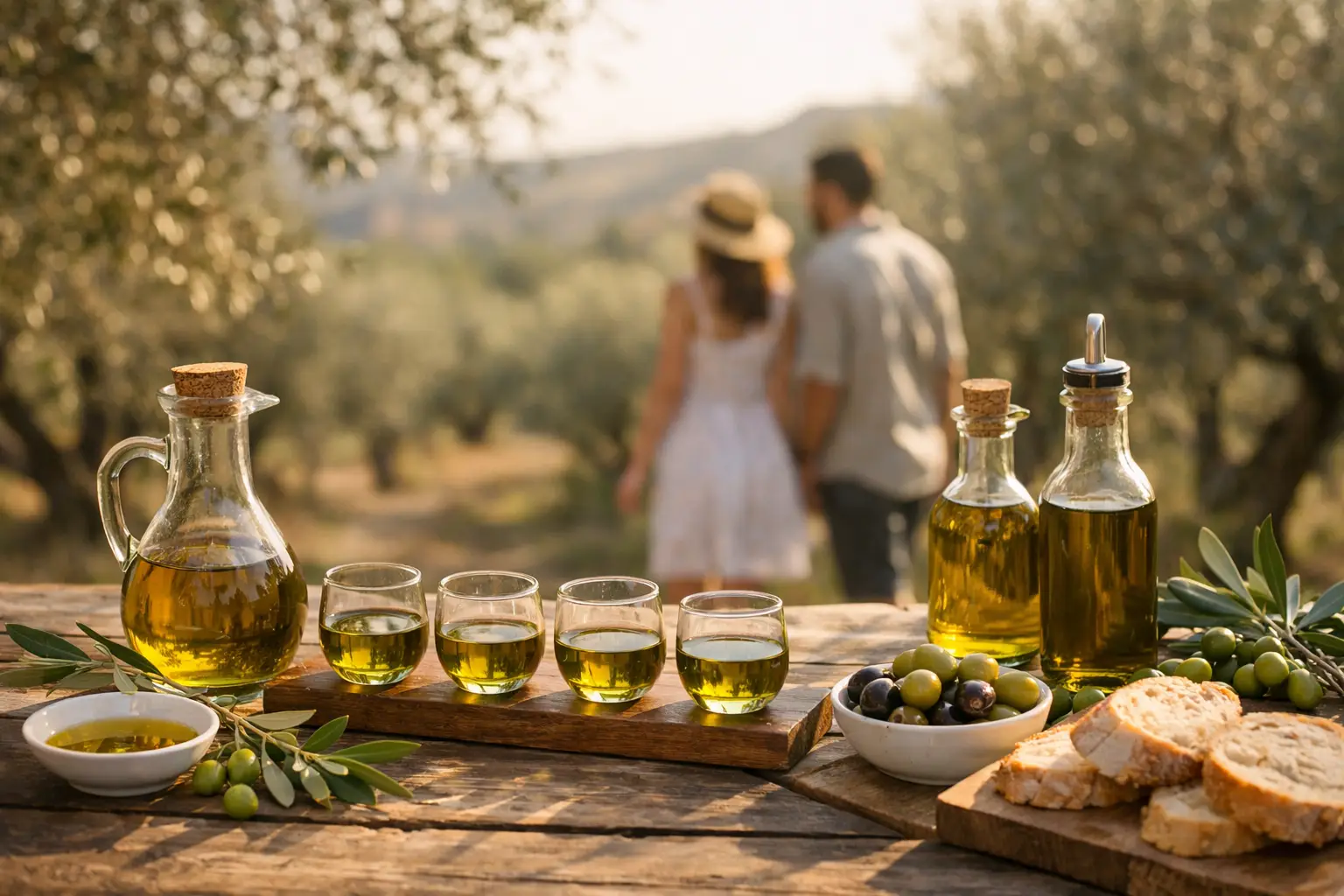
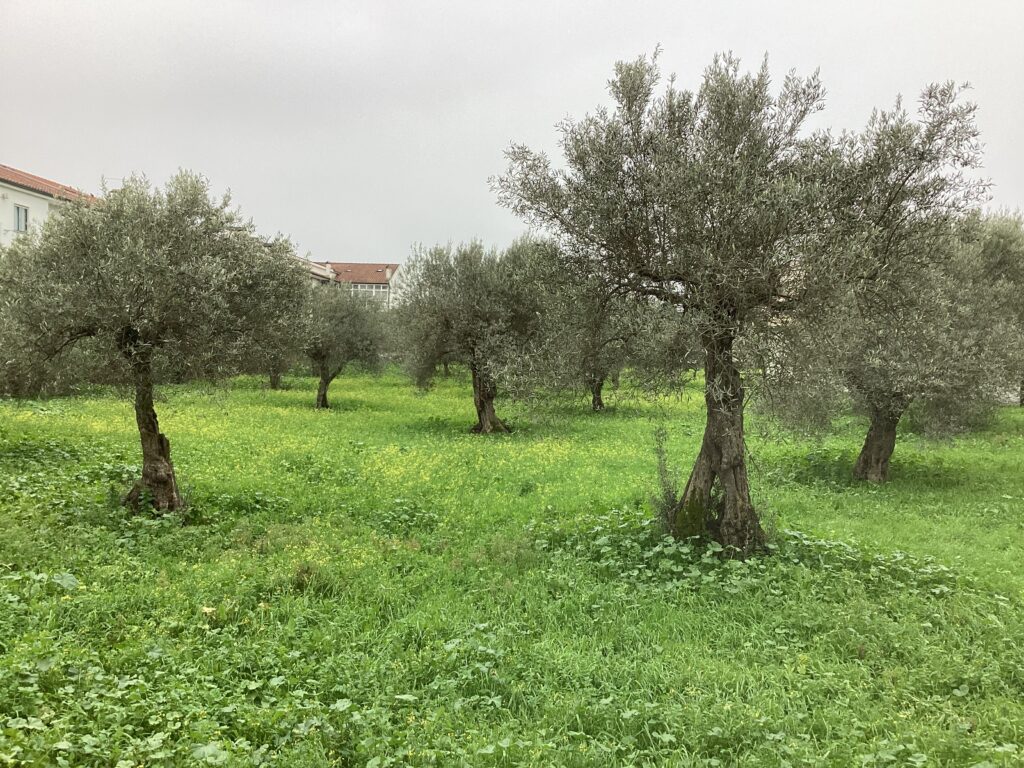
There is a particular kind of afternoon you only seem to find in olive country. The light turns syrupy, the road curls between silver-green groves, and lunch somehow stretches to three hours without anyone needing to explain why. That, for me, is where olive oil tasting holidays begin – not in a formal tasting room, but in the landscape itself, with bread on the table, dust on your shoes, and the sense that flavour here starts long before the bottle is opened.
For travellers who already plan trips around wine, food markets, village stays and the pleasure of taking the scenic route, olive oil offers an equally rewarding way into a region. It is agricultural, yes, but also deeply cultural. You taste weather, tradition, family habits, old trees, new ideas, and local pride in one small green-gold pour. Better still, olive oil regions tend to be exactly the sort of places slow travellers love most – beautiful, rural, generous and gloriously unhurried.
Why olive oil tasting holidays work so well
What makes these trips special is that olive oil is woven into daily life rather than packaged as a single attraction. A vineyard visit can be the headline act. Olive oil often plays the brilliant supporting role that quietly steals the scene. It appears at breakfast with fresh tomato and toast, at lunch with grilled vegetables, at dinner over fish, beans or soup. By the time you visit a press or sit down for a guided tasting, you are already primed to understand it as part of a place rather than a souvenir.
There is also something very grounding about olive oil tourism. Wine can occasionally make people feel they ought to know more than they do. Olive oil, at least at first glance, feels friendlier. Most of us use it at home. We have preferences, even if we cannot always name them. A tasting quickly shows that one oil can be peppery and assertive while another is soft, almondy and almost buttery, and suddenly the whole category opens up.
That said, the best olive oil tasting holidays are not simply about sampling half a dozen oils from tiny blue glasses and nodding wisely. They work best when tasting is tied to travel rhythm – a mill visit in the morning, a wander through a hill village in the afternoon, perhaps a simple supper on a farmhouse terrace later on. The oil makes more sense when the day around it is memorable.
Where olive oil tasting holidays shine
The Mediterranean remains the natural heartland, and the choice is pleasantly difficult. In Spain, Andalusia is the obvious draw, especially around Jaen and Cordoba, where the sea of olive trees feels almost unreal from a hillside viewpoint. This is a strong choice if you want scale, confidence and a deep sense of olive oil as local identity. The landscapes can feel vast and elemental, especially in late autumn when the harvest begins.
ITALY
Italy offers a slightly different mood depending on where you go. In Tuscany, olive oil slots beautifully into a wider food-and-wine itinerary, with medieval towns, agriturismi and long lunches doing their usual persuasive work. Puglia feels earthier and brighter, with ancient trees, white towns and an Adriatic light that makes everything look hand-painted. Umbria often suits travellers who want fewer crowds and a calmer, more intimate pace.
GREECE
Greece has a lovely way of making olive oil feel both everyday and sacred. Crete is especially rewarding because the food culture is so closely tied to it, and because the island gives you the bonus of sea views, mountain villages and tavernas where the olive oil on your plate may have come from the family grove. In the Peloponnese, the experience can feel more rooted in mainland history and village life, with a strong sense of continuity.
PORTUGAL
Then there is Portugal, where the Alentejo deserves far more attention from food-loving travellers than it sometimes gets. The landscapes are broad, beautiful and restful, and olive oil fits naturally alongside wine, cork forests and whitewashed towns. If your ideal trip includes quiet roads, elegant rural stays and meals that seem simple until you notice how good every ingredient is, it is a very strong contender.
MOROCCO
North Africa can be just as compelling. Morocco, in particular, offers olive oil experiences that sit within a much wider sensory tapestry of spice markets, mountain roads, orchards and traditional cooking. Here, the pleasure often lies in contrast – city and countryside, bustle and stillness, tagines and fresh bread with local oil in places where hospitality does not feel staged.
What a good olive oil tasting actually feels like
If you have never done one, the formal side is more interesting than intimidating. You may be given a small glass, often coloured so the oil’s hue does not sway you too much. You warm it in your hand, smell it, sip a little and let air in with a slightly undignified slurp. It is not your most glamorous moment, but it works.
The real surprise is how alive fresh oil can be. A good extra virgin often has grassy, tomato-leaf, artichoke or almond notes, with bitterness and a peppery tickle at the back of the throat that signal freshness and polyphenols. People sometimes mistake that peppery finish for harshness, but in context it can be the thing that makes an oil thrilling.
Still, it depends what you enjoy and what you are eating. A bold oil that flatters grilled steak or bean stew may overwhelm delicate fish. A softer style might be gorgeous over burrata or baked white peaches, but less memorable in a robust winter dish. This is where olive oil tasting holidays become properly useful rather than merely pleasant. You begin to understand not just quality, but pairing, mood and place.
How to plan olive oil tasting holidays without overstuffing them
The temptation is to book every mill tour, farm lunch and tasting session available. I understand this urge completely. Yet olive regions reward restraint. One excellent guided tasting, one thoughtful producer visit and plenty of room for pottering usually beat a packed schedule.
A hire car helps in many regions because the magic often sits between headline destinations – small estates, roadside farm shops, family-run restaurants and villages with sleepy squares. But this is not about racing around. Base yourself somewhere with character, ideally on a farm stay or in a village guesthouse, and let the days breathe.
Timing matters too. Harvest season, typically autumn into early winter depending on the country, can be fascinating because mills are active and the air smells faintly green and crushed. You will often taste new-season oil at its most vivid. The trade-off is that some areas are busier and accommodation can book up. Spring is another lovely option, especially if you care as much about walking, wildflowers and long lunches as the mechanics of production.
It is also worth checking what kind of experience is actually on offer. Some producers are brilliant hosts, making technical details feel warm and accessible. Others are more functional. If you prefer travel with atmosphere, look for visits that combine groves, tasting and food rather than a quick stop in a shop with a ten-minute explanation.
Olive oil and wine make a very happy itinerary
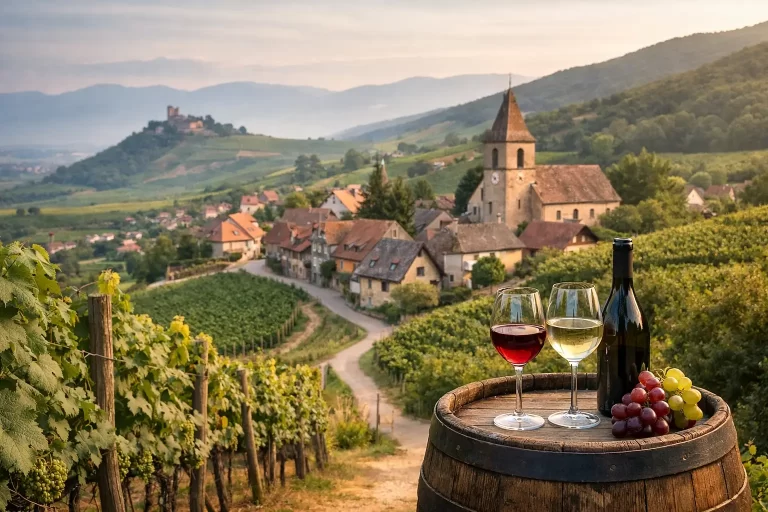
For Vineyards and Villages readers, this may be the sweetest part of the whole idea. Olive oil regions and wine regions so often overlap that you can shape a trip around both without it feeling forced. In Tuscany, the pairing is obvious. On the other hand, in Alentejo, it is quietly luxurious. In parts of Spain and Greece, too, the combination works beautifully because both products are expressions of soil, climate and local habit.
The joy is that olive oil changes the cadence of a wine trip. It adds daylight experiences that feel agricultural and rooted, then hands you back to the pleasures of a cellar door or village wine bar later on. One keeps the other from becoming repetitive. After two or three winery visits, a walk through an olive grove and a proper lunch with local oil can be exactly the reset you did not know you needed.
The small pleasures you remember most
What tends to linger after these trips is not only the tasting note you scribbled down in a mill shop. It is the grandmother who insisted you try her oil with oranges, the stone village where every doorway smelled faintly of lunch, the bottle padded carefully into your suitcase, the meal back home months later when one spoonful took you straight back to a terrace at dusk.
That, really, is why olive oil tasting holidays are worth taking. They offer flavour, certainly, but they also sharpen your eye for rural life and your appetite for places that have not been polished into sameness. You come home with better shopping instincts, yes, but also with a stronger feel for how a landscape feeds people and how hospitality often begins with the simplest things on the table.
If you are choosing between a trip that ticks off landmarks and one that leaves room for groves, mills, village rooms and unhurried meals, I would take the olive road every time. It is rarely the loudest holiday, but it has a way of staying with you.Affiliate Disclaimer
Some links on this blog may be affiliate links. This means that, at no additional cost to you, we may earn a small commission if you make a purchase through those links. We only recommend products, services, destinations, and experiences that we genuinely use, enjoy, or believe may be useful to fellow travellers and narrowboat enthusiasts. Thank you for supporting Vineyards and Villages and helping to keep our adventures afloat.