
Wine Tourism Trends 2026 and Going Slow
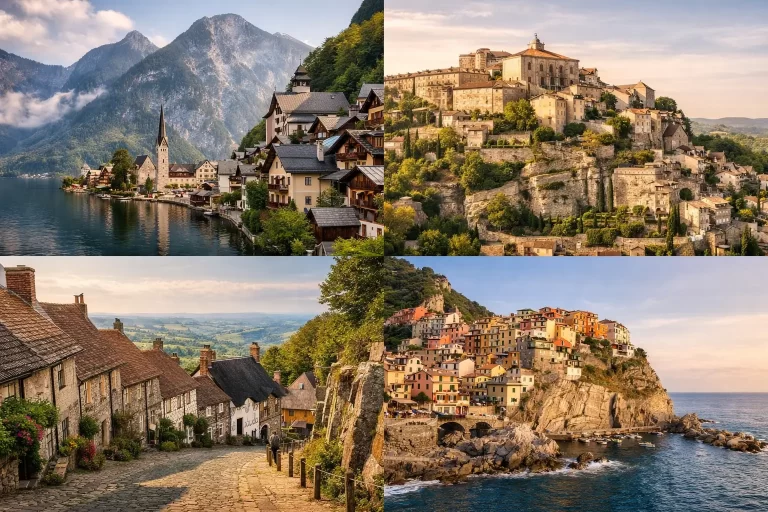
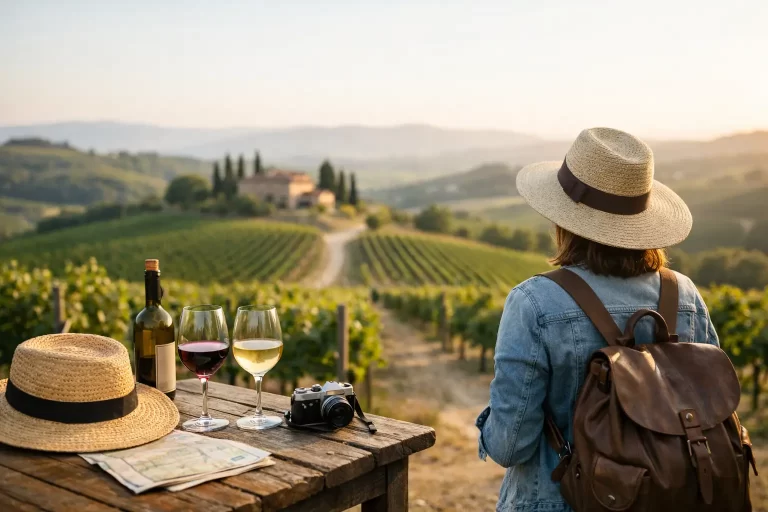
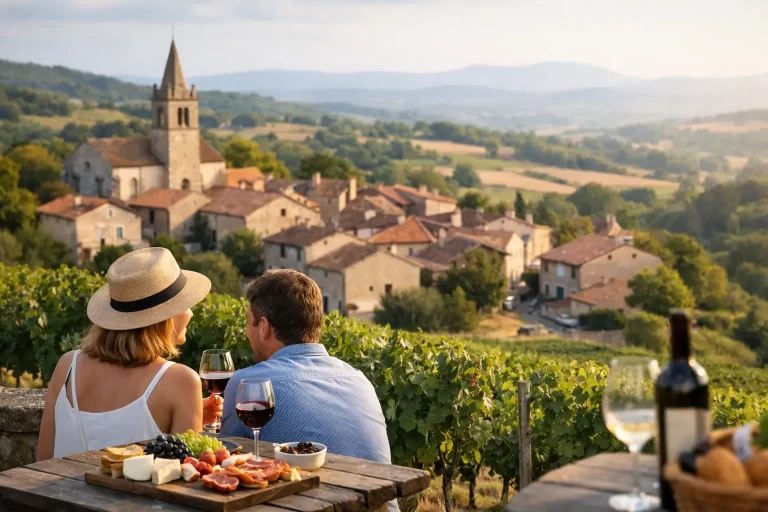
The best wine days rarely begin with a timetable. They begin with a slightly dusty lane, a bakery opening its shutters, and the hopeful question of whether that little family-run domaine at the end of the road might be pouring this afternoon. Wine tourism trends 2026 point firmly in this direction: less racing between famous names, more time spent getting to know the landscape behind the label.
For travellers who prefer a village square to a hotel lobby and a picnic of local cheese to a hurried tasting flight, this is very good news. Wine travel is becoming more thoughtful, more local and, thankfully, less interested in treating vineyards as a backdrop for a quick photograph before lunch.
Wine tourism trends 2026 favour time over tick lists
For years, a wine weekend could feel rather like a competitive sport. Three tastings before noon, a cellar door booked for 2pm, then a brisk drive to another region because somebody on social media said it was essential. There is still a place for ambitious itineraries, especially if you have crossed an ocean to reach Burgundy or the Douro. But the mood is shifting.
In 2026, the most appealing wine holidays will be built around staying longer in one area. Think four nights in a small town in the Languedoc rather than a frantic circuit of southern France, or a week in the Mosel with enough unplanned afternoons to follow a sign for a village wine festival.
This is not simply about taking things easy, although nobody at Vineyards and Villages would argue with a leisurely lunch. It is about context. A glass of Assyrtiko tastes different once you have watched the Aegean light fade over Santorini’s volcanic slopes. A rustic red from the Alentejo makes more sense after a slow drive past cork oaks and whitewashed farmhouses. The wine is better understood because the place has had time to speak.
Smaller producers are becoming the destination
Big, polished visitor centres remain useful. They can offer dependable opening hours, restaurant bookings and an accessible introduction for first-time visitors. Yet many travellers are increasingly seeking the quieter experience: a small producer where the person pouring the wine may also have pruned the vines that morning.
These visits feel personal because they are personal. You might taste in a cool stone room beside old barrels, hear why a family has kept a rare local grape alive, or leave with a bottle whose label will forever bring back the sound of swallows above the courtyard. It is a world away from being handed a branded tote bag and gently shepherded towards the till.
The trade-off is that smaller wineries often require more care from visitors. Appointments may be essential, English may be limited, and harvest season can make even the friendliest winemaker hard to pin down. A little patience goes a long way. Learn a few polite phrases, arrive on time, buy a bottle if you have enjoyed the visit, and remember that this is somebody’s working day, not a theme park performance.
The rise of wines with a local accent
Wine drinkers are also moving beyond the familiar international grapes. There will always be room for excellent Chardonnay and Cabernet Sauvignon, but curiosity is travelling well. Visitors want to meet grapes they cannot easily pronounce and regions their friends have not yet turned into a fridge magnet.
That could mean Godello in north-west Spain, Xinomavro in northern Greece, Furmint in Hungary or Frappato in Sicily. These are not novelty acts. They are often the clearest route into a region’s history, weather and cooking. A bright, almondy local white beside grilled fish in a harbour town can be far more memorable than a technically perfect wine served without a story.
Wine regions are widening the invitation
The most interesting wine trips in 2026 will not ask travellers to spend every waking hour in a tasting room. Vineyards are increasingly part of a broader rural escape, one that includes walking paths, cycling routes, market mornings, pottery studios, farm lunches and small museums that explain why a region looks and tastes the way it does.
This matters for couples with different levels of wine enthusiasm. One person may happily discuss fermentation vessels until sunset; the other may be more interested in a good book, a beautiful view and a plate of something cooked with care. A strong wine destination gives both people a reason to be there.
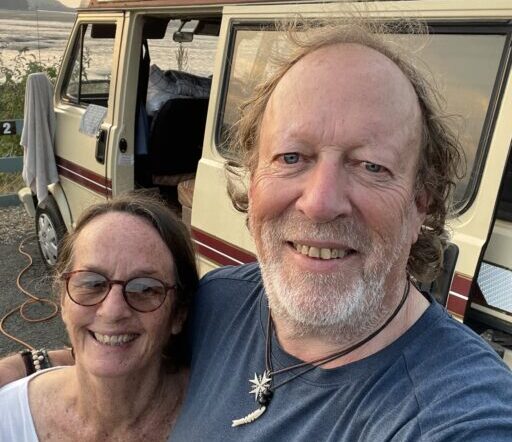
Campervan travel fits naturally into this gentler rhythm, particularly in regions where vineyard accommodation and rural stopovers are well organised. Waking beside vines can feel wonderfully romantic, provided you have checked local rules, booked where necessary and resisted the urge to treat every scenic lay-by as a private campsite. The vineyard may look peaceful at dawn, but farmers and neighbours still need their lanes clear.
Climate-aware travel moves from theory to itinerary
Climate change is no longer an abstract conversation in wine country. It shapes harvest dates, grape varieties, water use and the very feel of a summer visit. Travellers are starting to notice this, especially in regions facing intense heat, drought or wildfire risk.
The response need not be gloomy, but it should be practical. Visiting in spring or autumn can bring softer light, quieter roads and more comfortable temperatures, while spreading tourism beyond the busiest summer weeks. Choosing trains where they work well, hiring a car only for rural stretches, and booking a longer stay rather than hopping between distant regions are sensible choices too.
There is also value in asking thoughtful questions at a winery. How are growers managing water? Are they protecting biodiversity between the vines? Have they changed what they plant? Most producers will welcome genuine interest, as long as it does not sound like an interrogation over the cheese board. Wine has always been tied to weather. Now, more visibly than ever, it is tied to how people respond to it.
Food is no longer the supporting act
A tasting without food can be useful, but a wine journey without food is rather like visiting the coast and ignoring the sea. In 2026, the pull of regional cooking will continue to shape where people go and how long they stay.
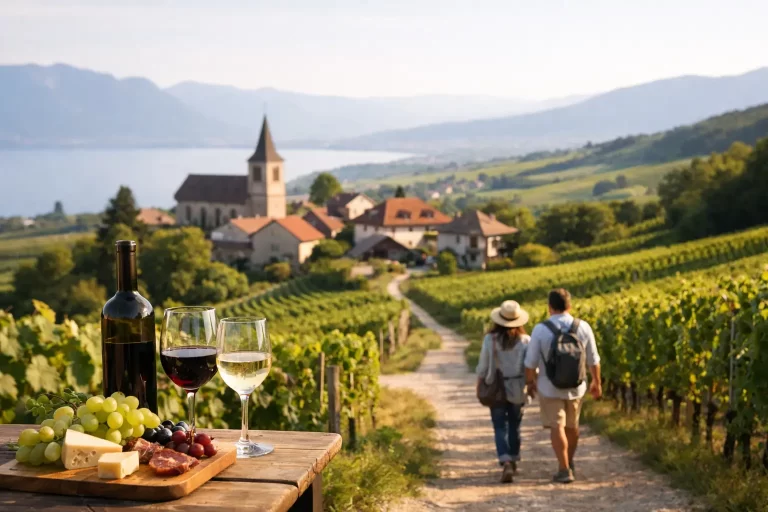
The most satisfying experiences are often simple: a warm loaf from a village bakery, anchovies and tomatoes in a coastal bar, chestnut honey at a mountain market, or a long Sunday lunch where the house wine arrives in a jug and nobody is in a hurry. These meals reveal the practical side of pairing. Local wines evolved alongside local ingredients, and the match is usually less fussy than any restaurant tasting note suggests.
Look for places where food and wine belong to the same neighbourhood. A vineyard picnic using nearby produce, a cookery class with a local host, or a family restaurant pouring bottles from growers down the road will tell you more about a region than a carefully staged luxury experience ever could. Luxury has its moments, of course. But a bowl of handmade pasta and a carafe of village red can be quite persuasive.
How to travel well in wine country
The defining wine tourism trend for 2026 may be a quieter one: visitors behaving less like consumers passing through and more like temporary members of a place. That means booking directly when possible, supporting local businesses beyond the winery, and leaving room in the plan for the unexpected.
Choose one or two tastings a day, not five. Keep one alcohol-free driver in the group, or arrange taxis where available. Ask your host where they eat, which road is prettiest, and whether there is a market worth visiting tomorrow. Then take the answer seriously.
The bottle you bring home may be splendid. But the real prize is usually the memory attached to it: late sunlight on a terrace, a wrong turn that became a glorious view, and the particular pleasure of finding a village you had never planned to love.
If you’re looking for tours, attractions and experiences across the UK and Europe, you can browse and book here: https://tripadvisor.tpk.ro/D6WNK34w
Affiliate Disclaimer
This article contains affiliate links. If you book tours, attractions or experiences through these links, we may earn a small commission at no additional cost to you. We only recommend services that we genuinely use, trust or believe will add value to your travels. Thank you for your support!