Rural Portugal Travel for Wine and Villages
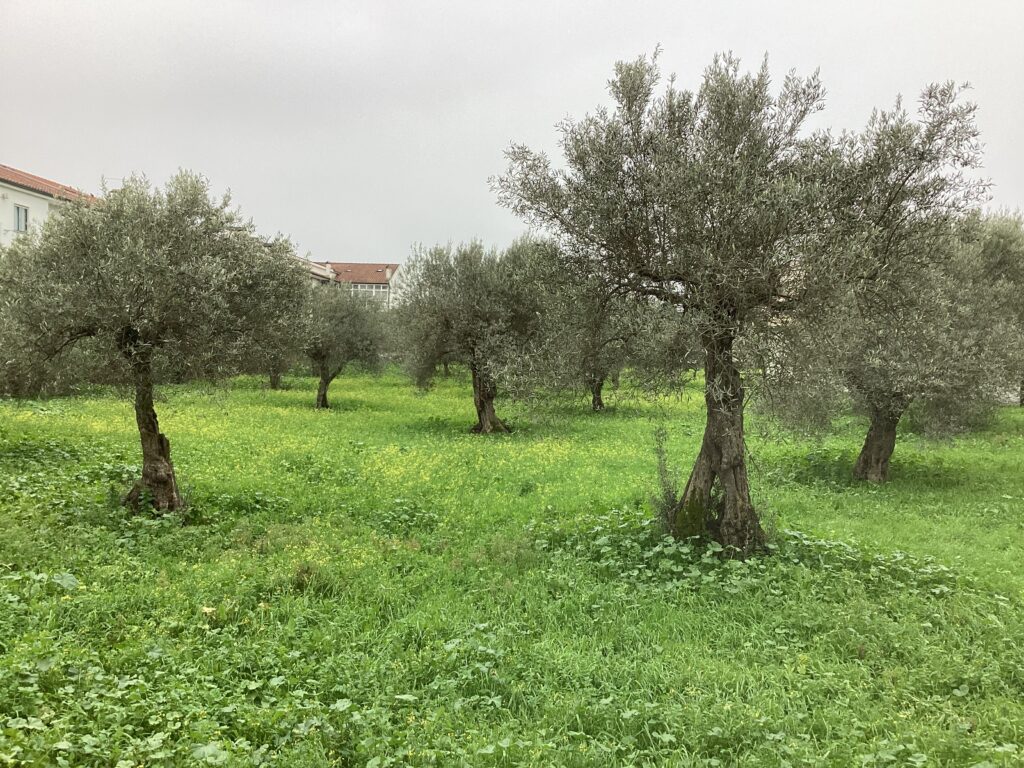
The road narrowed to a ribbon between stone walls and olive trees, and somewhere outside a village I still can’t pronounce with confidence, I realised rural Portugal travel works best when you stop trying to tick things off. First, you pull over for the view. You order the house wine. You follow the church bells into a square where three elderly men are arguing gently over coffee, and lunch somehow turns into the whole afternoon.
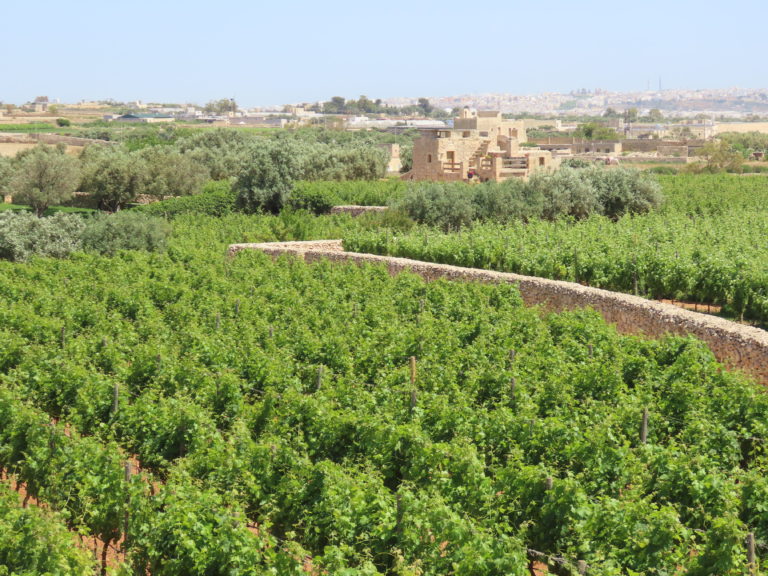
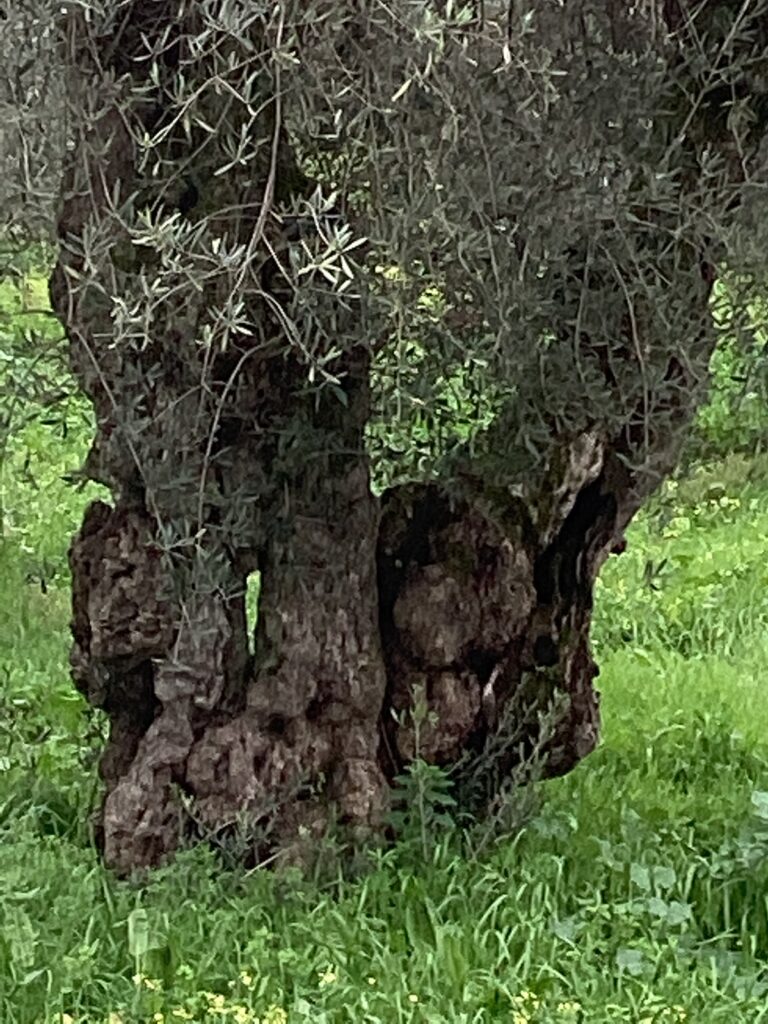
That, for me, is the real appeal. Portugal’s cities get plenty of attention, and fairly so, but the countryside is where the country’s texture really shows itself. It’s in the dry-stone terraces above the Douro, the cork oaks of the Alentejo, the granite villages of the Beiras, and the sleepy lanes where a hand-painted sign still points to wine, bread or honey as if modern life never quite hurried through.
Why rural Portugal travel suits slow travellers
If you enjoy places that reveal themselves gradually, Portugal is very easy to love. Distances are manageable, the roads are generally good, and the shifts in landscape feel dramatic without demanding endless hours behind the wheel. In a single trip, you can move from river valleys lined with vines to broad plains studded with cork trees, then on to mountain villages where smoke curls from chimneys on cool evenings.
It also helps that rural Portugal still feels lived-in rather than staged. Yes, there are beautiful boutique stays and polished wine estates, but there are also weathered cafés, local markets, family-run restaurants and village festas that haven’t been arranged for visitors. That balance matters. It keeps the experience grounded.
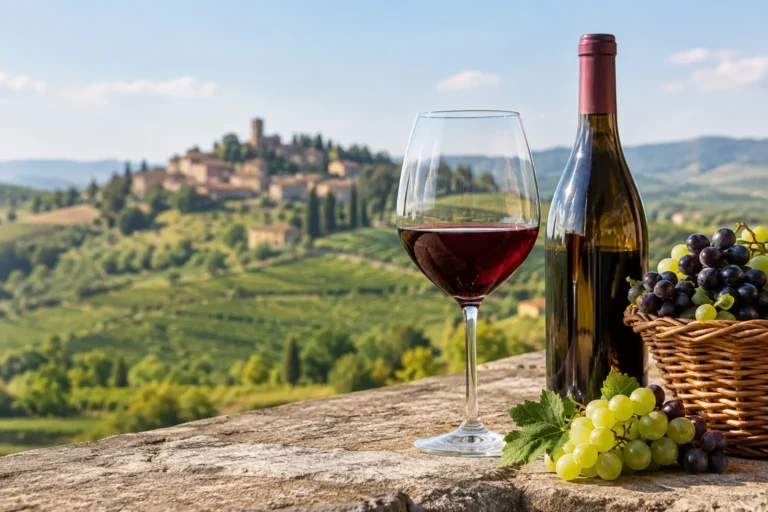
For wine lovers, the countryside is especially generous. You do not need to be the sort of person who swirls a glass as if making a point. You only need curiosity. Portugal’s wine culture is deeply tied to place, and tasting local bottles where they are grown gives the landscape a different sort of meaning. A red from the Alentejo makes more sense under that huge, sun-struck sky. A crisp white in Vinho Verde country tastes exactly right when the air still carries morning rain.
The best regions for rural Portugal travel
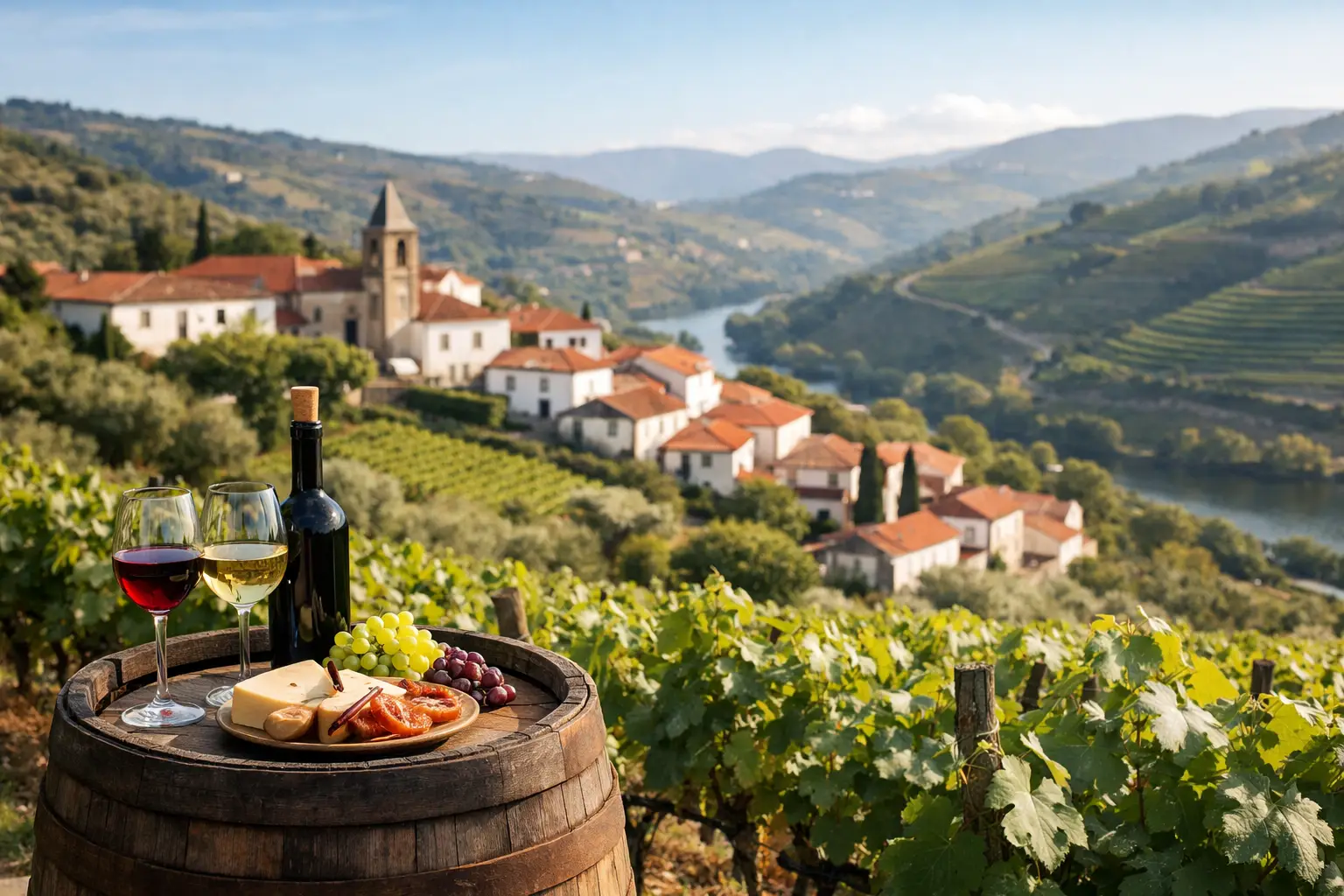
The Douro Valley is the obvious starting point, and I say that without apology. It is famous for a reason. The terraced vineyards are astonishing, the river gives the whole region a sense of calm, and even a simple drive between quintas can feel cinematic. The trade-off is that parts of the Douro can be busy in peak season, especially around the better-known estates and viewpoints. If you want grandeur and don’t mind sharing it, go. If you want a quieter version, stay in a smaller village and head out early or late, when the heat softens and the light turns honey-coloured.
Then there is the Alentejo, which has a completely different rhythm. Where the Douro rises and folds, the Alentejo stretches. Whitewashed villages sit above plains of vines, wheat and olive groves, and the whole region seems to encourage longer lunches and lower expectations of punctuality. It is one of my favourite places for travellers who want comfort without fuss. The wines are generous, the food often excellent, and the villages, places such as Monsaraz, Marvão and Estremoz, have the kind of beauty that feels both dramatic and deeply human.
The Dão deserves more attention than it gets. This inland region, framed by mountains and forests, feels cooler and more restrained than the Alentejo, with elegant wines and villages that seem to belong to another century. It suits travellers who like a little subtlety. You come here less for blockbuster sights and more for atmosphere – granite houses, shaded lanes, old wine cellars and a sense that the best moments might happen over a quiet dinner rather than from a famous viewpoint.
If your idea of happiness includes green hills, old manor houses and fresh, lively wines, Minho and Vinho Verde country are also worth your time. This is rural Portugal at its gentler, more verdant end. It can be wonderfully restorative, especially in spring and early summer, when everything looks freshly washed.
Villages worth lingering in
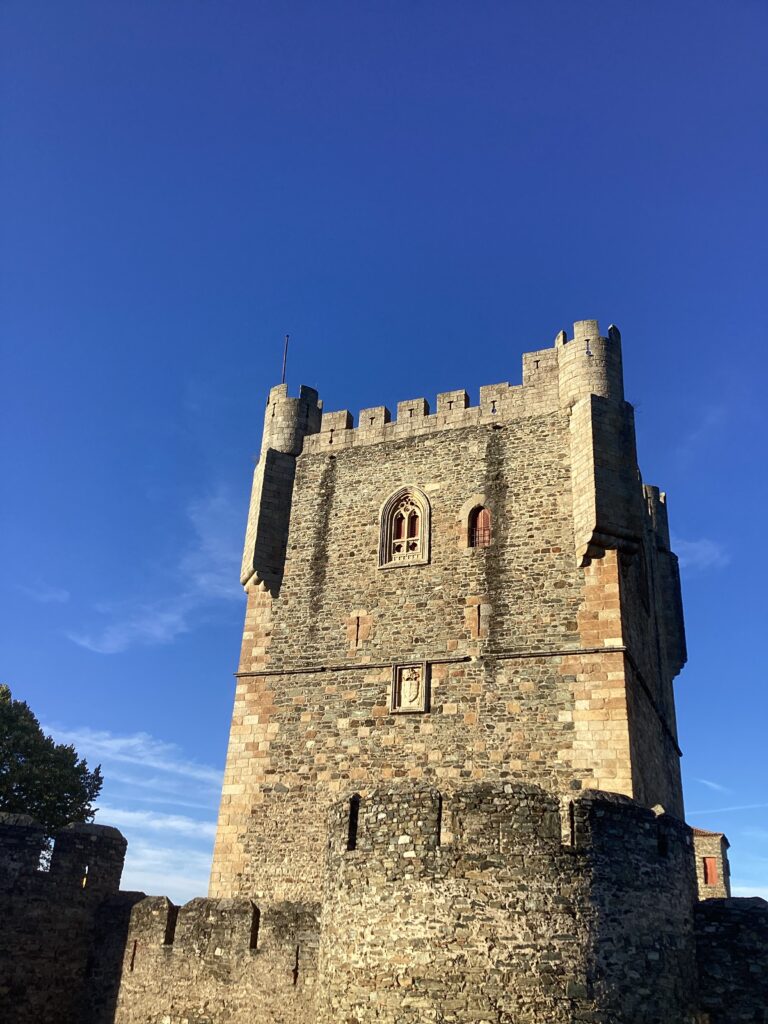
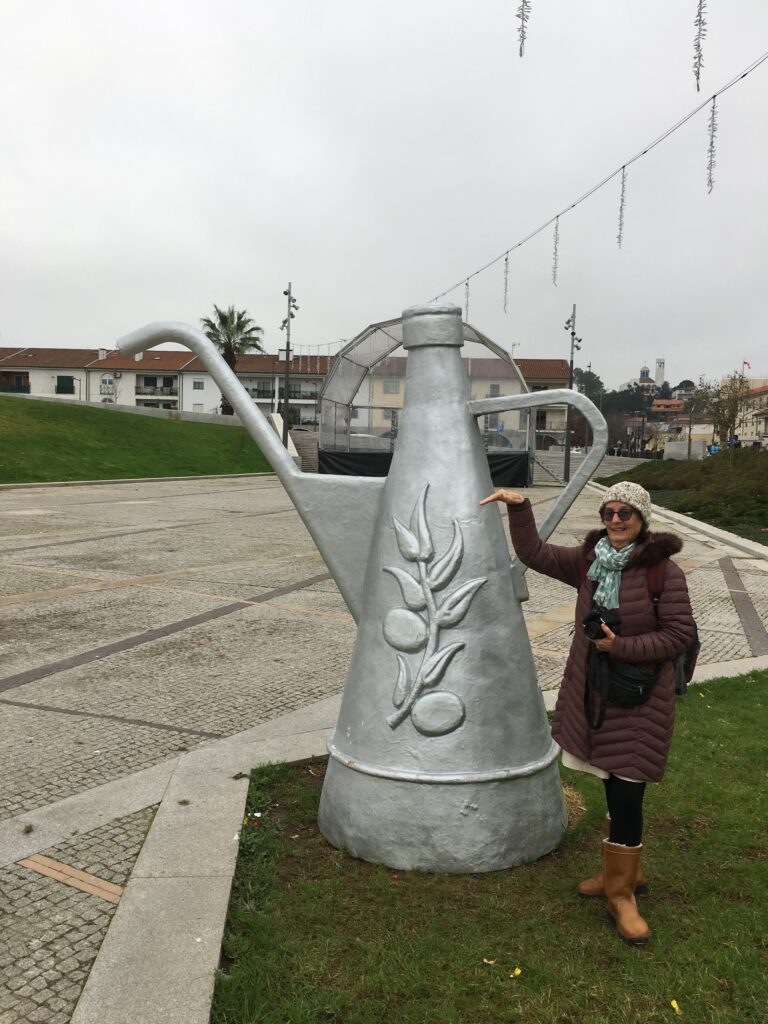
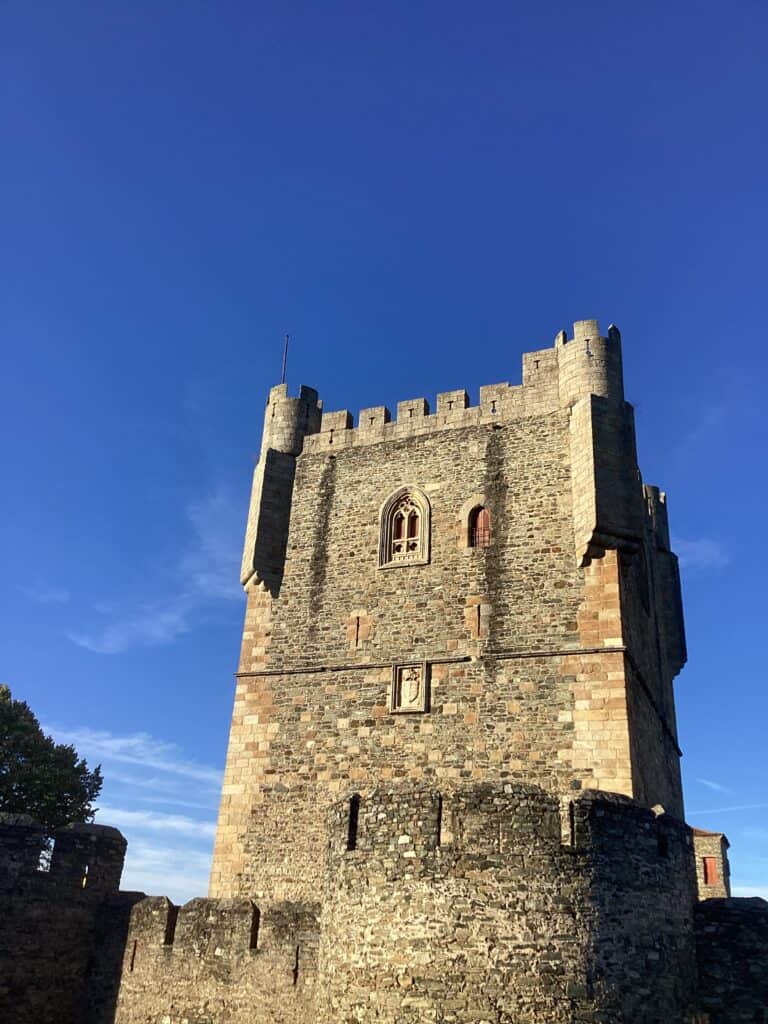
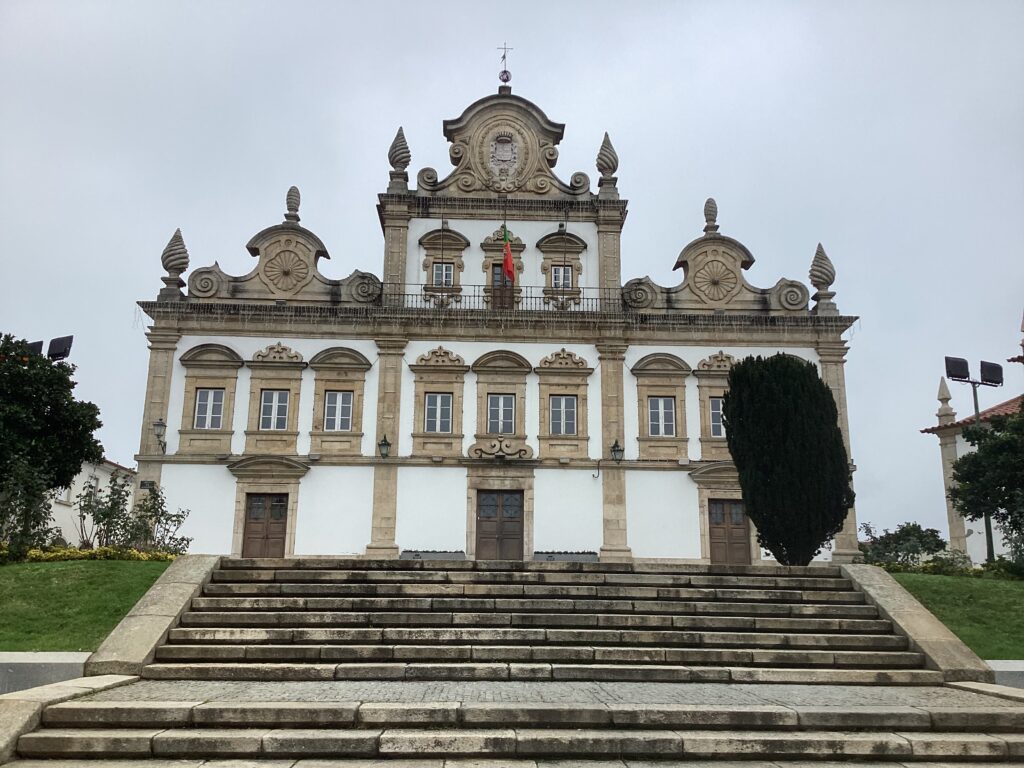
Portugal is full of villages that tempt you into changing your plans, and honestly, I would leave room for that. Monsaraz, high above the Alentejo plain, is one of those places where you arrive for an hour and stay until sunset. Its white houses and medieval walls are undeniably photogenic, but it is the silence between the stones that stays with you.
In the central regions, places like Linhares da Beira or Piódão offer a different kind of charm. They are more rugged, more tied to mountain landscapes, and they reward travellers who don’t mind a few winding roads. You may not find endless restaurant choice or polished tourist infrastructure, but that is part of the appeal. Rural Portugal rarely feels over-explained.
Further north, villages around the Douro and Trás-os-Montes can feel particularly evocative in autumn, when harvest season brings movement to the vineyards and a slight edge to the air. This is a lovely time for travellers who enjoy seeing working landscapes rather than postcard perfection.
What to eat and drink along the way
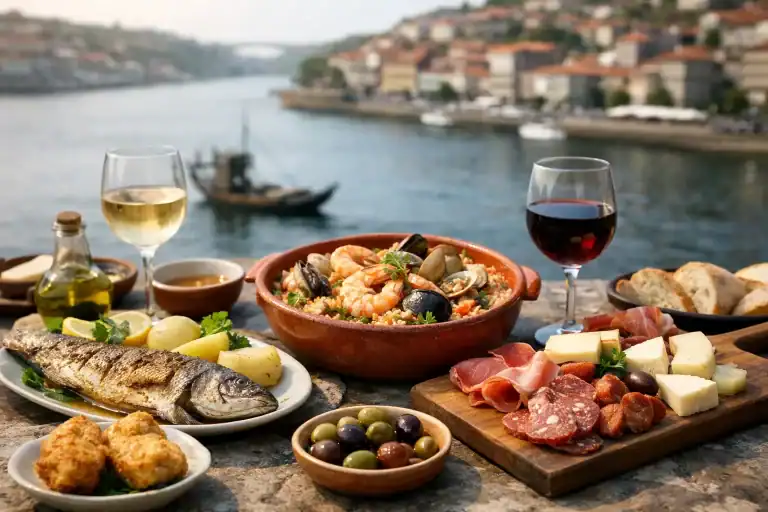
One of the quiet joys of travelling through rural Portugal is how often the simplest meals are the most memorable. A table under a vine-covered terrace, a chunk of local cheese, black olives, a carafe of house red, grilled pork or bacalhau, maybe a slice of almond tart if you have made room for it – that can be more satisfying than any carefully choreographed tasting menu.
Wine, of course, is part of the story. In the Douro, expect depth, structure and bottles that can feel as dramatic as the scenery. And then, in the Alentejo, wines often lean ripe and generous, with plenty of easy pleasure. In the Dão, you may find more freshness and finesse. The lovely thing is that rural restaurants often pour local wines without ceremony. You are not being tested. You are simply being invited to enjoy what belongs to that place.
If I had to recommend one approach, it would be this: ask for the local suggestion, then drink it with whatever the kitchen is proud of that day. Portugal is very good at rewarding trust.
How to travel well in rural Portugal
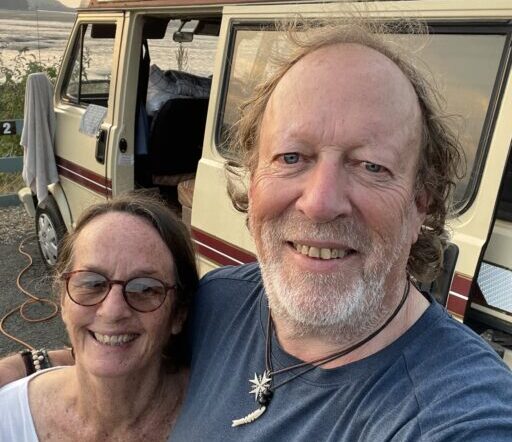
A car makes the biggest difference. Public transport can work between larger towns, but once you want to reach estates, hilltop villages or those excellent little restaurants hidden along back roads, your own wheels are a gift. This is also a wonderful destination for a campervan trip, though village streets can be narrow and not every romantic-looking lane wants to welcome a large vehicle. Sometimes the prettiest route is the one to avoid.
Timing matters too. Spring and autumn are, for me, the sweet spots. Summer brings glorious evenings and long days, but inland Portugal can get fiercely hot. Winter has its own appeal, especially in the centre and north, though some rural properties operate more quietly or seasonally.
It is worth booking a few anchor points rather than planning every stop. Choose two or three regions, stay long enough to settle in, and let the rest happen around local recommendations, roadside detours and whatever village square looks appealing at coffee time. Portugal responds well to a looser hand.
Language need not be a barrier, but a few Portuguese phrases go a long way and are always appreciated. So does patience. Service in rural places may be warm and leisurely rather than brisk. Good. You are not there for efficiency.
A few honest trade-offs
Rural Portugal is not the place for constant spectacle. Some afternoons will be quiet. Some villages will look sleepy rather than cinematic. You may drive a fair distance for a winery lunch that is lovely rather than life-changing. That is part of the deal.
But if you like places with real texture, where beauty arrives in layers rather than fanfare, those quieter moments become the point. A swallow looping over terracotta roofs. Laundry lifting in the wind. The clink of glasses from a café terrace just before dusk. The smell of eucalyptus after rain. These are not headline attractions, but they are exactly why I would go back.
At Vineyards and Villages, we tend to believe the best trips leave a little space around the edges, and rural Portugal proves that beautifully. Go for the wine if you like, or the villages, or the road trip itself. Just leave room for the unplanned table, the extra night, and the road that looks too lovely not to follow.
Affiliate Disclaimer
Some links on this blog may be affiliate links. This means that, at no additional cost to you, we may earn a small commission if you make a purchase through those links. We only recommend products, services, destinations, and experiences that we genuinely use, enjoy, or believe may be useful to fellow travellers and narrowboat enthusiasts. Thank you for supporting Vineyards and Villages and helping to keep our adventures afloat.