A Guide to Canal Boat Holidays
The first time you wake on a canal boat, the world feels oddly well-behaved. Water laps softly against the hull, a moorhen fusses in the reeds, and somewhere beyond the towpath a church bell reminds you that villages still keep their own time. If you are looking for a guide to canal boat holidays, this is the part brochures often miss – the pleasure is not only in where you go, but in how gloriously slowly you get there.
Canal boat travel suits a certain kind of holidaymaker. If your idea of bliss involves tearing through five cities in four days, this may test your patience. But if you like long lunches, vineyard detours, market towns, waterside pubs and evenings that end with a bottle on deck while the light fades over a lock gate, a canal boat holiday can feel wonderfully right.
Why a canal boat holiday feels different
There is a gentle intimacy to travelling by water that is hard to find elsewhere. Roads skim past places. Trains ignore them entirely. A canal threads through the middle of life – back gardens, old mills, grazing fields, stone bridges, village edges. You do not simply arrive in a landscape. You drift through its working heart.
That is one reason canal boating appeals to slow travellers. The route itself becomes part of the ritual. You notice the scent of damp earth after rain, baskets of geraniums hanging from lock cottages, and the shift in architecture as one county eases into another. In wine country or near regions with good local produce, that pace is especially rewarding. You actually have time to stop, browse, taste and talk.
It is also unexpectedly sociable. Locks, swing bridges and water points have a way of turning strangers into temporary crewmates. One minute you are wondering what on earth to do with a rope, the next a seasoned boater is chatting you through it while recommending a nearby pub with excellent pie and a decent bottle list.
A practical guide to canal boat holidays for first-timers
The biggest question is usually whether you need experience. In most cases, no. Hire companies generally give you a handover before you set off, showing you how to steer, moor, work the galley and manage the loo. It can feel daunting for the first hour or two, especially when the boat responds less like a car and more like a thoughtful cow, but most people settle in quickly.
Choosing the right route matters more than many first-timers realise. Some canals are lock-heavy and energetic, with a pleasing sense of progress if you enjoy the rhythm of boating. Others are easier, flatter and better for a lazier week with long cruising stretches. If you want your holiday to lean towards food, wine and village wandering, choose an area where pretty moorings and walkable stops come often. If you secretly want a practical challenge and do not mind working for your dinner, a route with more locks can be huge fun.
The length of your trip makes a difference too. A short break of three or four nights can be charming, but it sometimes becomes a race between handover times and turning points. A full week gives the journey room to breathe. Ten days is even better if you want to do the thing properly – boat in the morning, explore in the afternoon, cook or dine out in the evening, and never feel harried.
Picking the right boat and route
Boat layouts are less glamorous than holiday cottage photos would have you believe, but comfort counts. A couple may be perfectly happy in a compact narrowboat with a snug saloon and small galley. Two couples or a family need to think carefully about privacy, bathroom arrangements and whether everyone will still like one another after three damp mornings and a discussion about whose turn it is to do the cassette toilet.
Look honestly at your habits. Do you love cooking? Then galley space, a proper fridge and nearby farm shops matter. Prefer pub lunches and easy suppers? Then moorings near towns become more important than countertop space. If one of you is less steady on your feet, choose a route with simpler access and fewer awkward lock landings.
Scenery also varies more than many people expect. Some routes are deeply rural, lined with hedgerows, sheep and kingfishers. Others pass through industrial heritage landscapes where old warehouses, converted mills and brick viaducts tell their own story. Both can be beautiful, but they offer different moods. The joy is in choosing the one that suits your kind of romance.
What daily life on board is really like
A canal boat holiday is not difficult, but it is hands-on. You will move more slowly, think more practically and become oddly interested in water levels. Mornings tend to begin with tea, a look at the weather and a quiet discussion about whether to cast off now or after breakfast. Someone unties the ropes. Someone else pretends to know what they are doing.
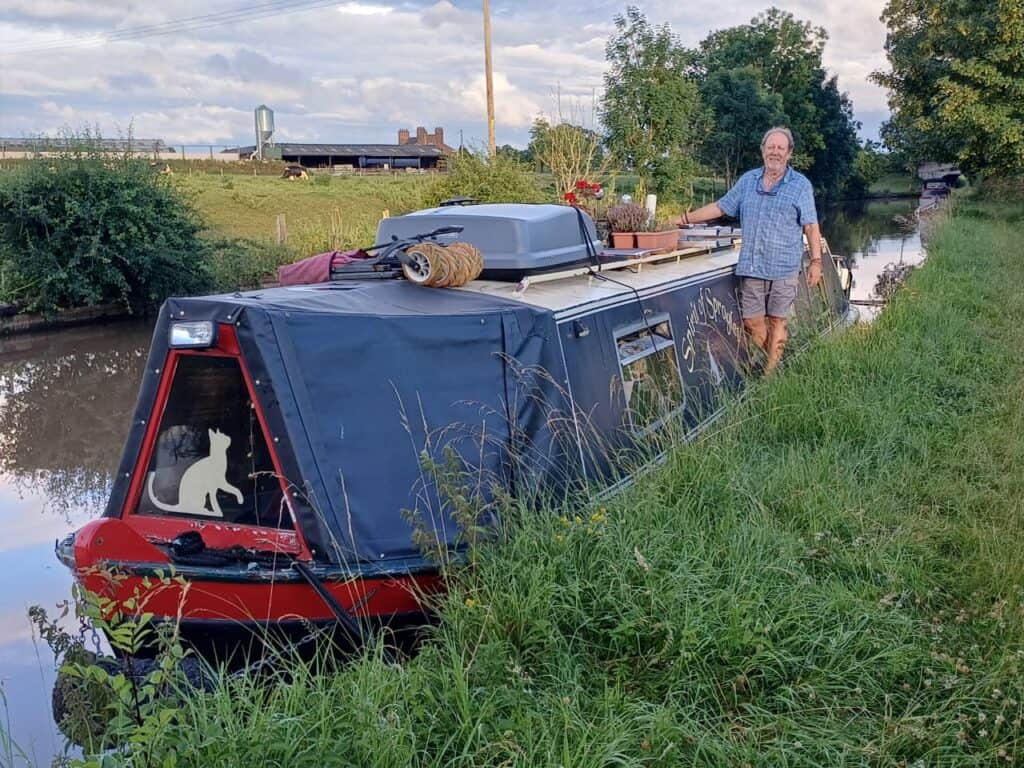
Cruising itself is deeply calming once you find your rhythm. The engine hums steadily, ducks scatter indignantly, and the countryside unfurls at walking pace. Then comes a lock, and calm gives way to teamwork. One person steers, one handles gates, and both try to look competent in front of the gongoozlers watching from the bridge. It is all part of the charm.
Evenings are often the best part. Moor up near a village, walk to a pub, or cook with local ingredients if you have found a good butcher or market along the way. This is where canal holidays suit food-and-wine travellers especially well. A boat may be compact, but supper on deck with a chilled white wine, a simple cheeseboard and the last of the daylight feels wonderfully indulgent.
Food, wine and the pleasures of the towpath
One of the loveliest things about boating is the excuse it gives you to forage your way through a region. Canal routes frequently pass market towns with delis, bakeries, greengrocers and old-fashioned village shops. You can buy what looks good that day rather than planning every meal in advance.
Wine takes a bit of thought, of course. Storage is limited, and glass clinks alarmingly if you are not careful. But a small, well-chosen selection works beautifully: something crisp for sunny afternoons, a light red for cool evenings, perhaps a local bottle if you are cruising near an English wine region and can arrange a tasting ashore. This sort of holiday rewards easy pleasures over grand gestures.
If you enjoy pairing place with flavour, keep it simple. Fresh bread, good cheese, ripe tomatoes, smoked fish, strawberries in season, a pork pie from a market stall – these are boat-friendly luxuries. They feel entirely in keeping with the landscape, and after a day of locks they taste even better.
The mistakes first-timers often make
The classic error is trying to do too much. Distances look manageable on paper, but canals do not care about your timetable. Locks take time. Swing bridges take time. Stopping for lunch because you have found a village green and cannot possibly leave yet also takes time.
Another common mistake is overpacking. Space on board is precious, and hard suitcases are particularly annoying. Soft bags, practical layers and shoes you do not mind getting muddy are far more useful than half your wardrobe. Bring a waterproof even if the forecast looks kind. Britain enjoys proving forecasts wrong.
People also tend to overestimate their appetite for elaborate cooking. You can certainly cook proper meals on many boats, but after a full day outside, simple food usually wins. Think one-pot suppers, picnics, pub meals and breakfasts that involve little more effort than coffee and toast.
Weather, budget and whether it is worth it
Canal boat holidays are not the cheapest form of travel once hire fees, fuel, food and pub stops add up. Yet value depends on what you want from a break. You are combining transport, accommodation, scenery and the pleasure of doing almost nothing quickly. For many travellers, that is money well spent.
Weather is the great variable. Sunshine turns the water to silver and makes every lock feel cinematic. Rain can shrink the horizon and test your waterproofs. But even poor weather has its own atmosphere if you are in the right mood. A snug cabin, a kettle on, windows misted with drizzle, and the satisfaction of being moored somewhere peaceful can feel rather wonderful.
If you are curious but hesitant, start with a week in high spring or early autumn. The canals are often quieter than peak summer, the light is lovely, and villages feel more relaxed. It is a particularly good time for travellers who enjoy scenery, local food and a less crowded pace.
A final word on the magic of going slowly
The best guide to canal boat holidays may simply be this: do less than you think you should. Cruise shorter distances. Stop when somewhere feels inviting. Leave room for the unplanned pint, the towpath conversation, the farm shop detour and the evening when the sky turns pink over still water and nobody says much because the moment is doing the talking. That is when a canal holiday stops being a novelty and becomes something richer – a gentle, floating way of paying attention.
Affiliate Disclaimer
Some links on this blog may be affiliate links. This means that, at no additional cost to you, we may earn a small commission if you make a purchase through those links. We only recommend products, services, destinations, and experiences that we genuinely use, enjoy, or believe may be useful to fellow travellers and narrowboat enthusiasts. Thank you for supporting Vineyards and Villages and helping to keep our adventures afloat.