Where to Stay in Douro for Every Trip
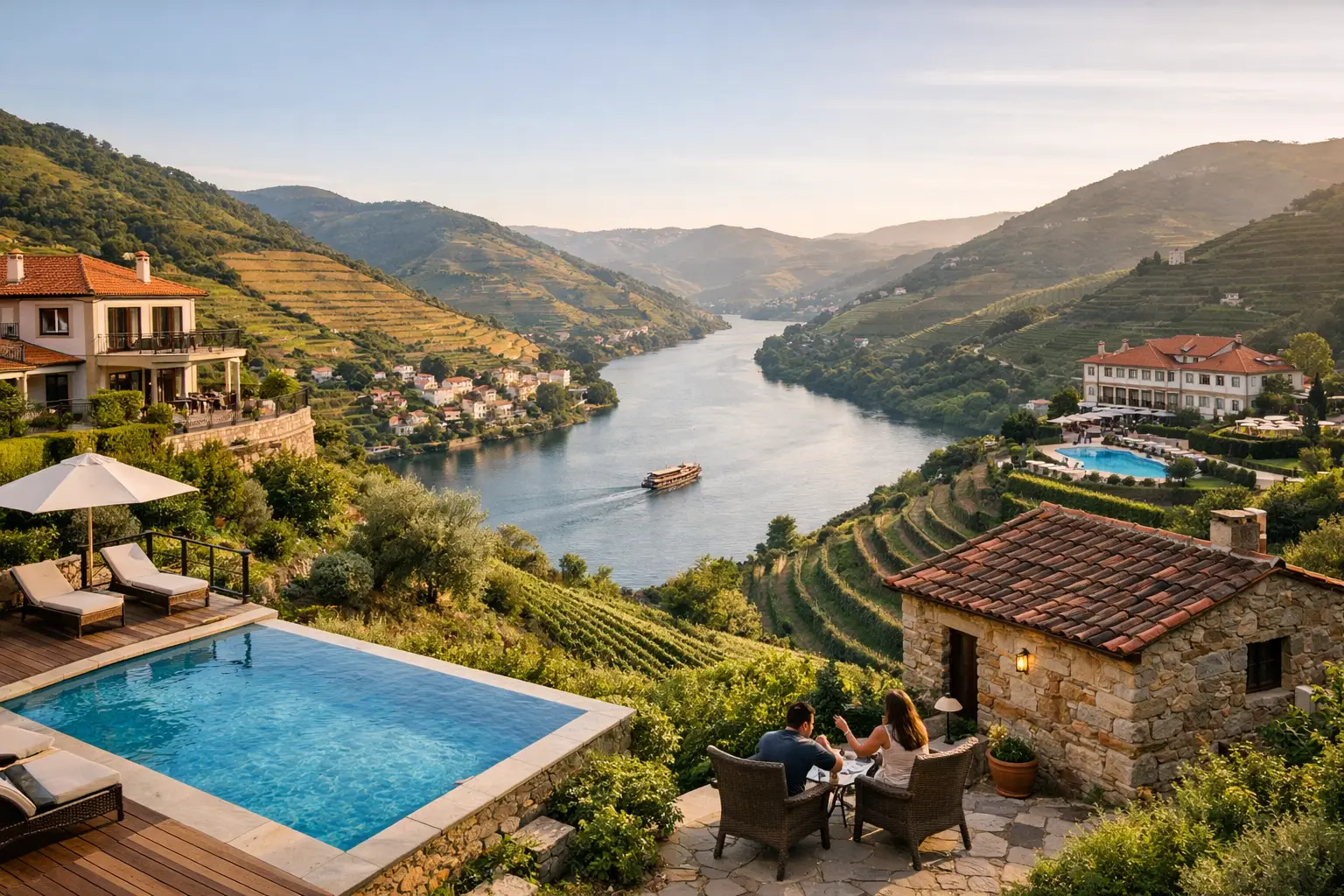
The first time you wake up in the Douro Valley, the light feels almost theatrical. Vine terraces catch the morning sun in neat, impossible lines, the river sits low and glassy below, and breakfast somehow tastes better when there is a vine-covered hillside outside the window. That is why deciding where to stay in Douro matters more than it does in plenty of other wine regions. Your base shapes the whole rhythm of the trip – whether you spend your days hopping between quintas, lingering over long lunches by the water, or drifting through sleepy villages with a bottle tucked under your arm for later.
The Douro is not huge on a map, but it can feel surprisingly spread out once you are on its winding roads. A stay that looks close to everything may still involve plenty of driving, especially if you are planning cellar visits, boat trips, scenic train rides, or dinner with wine that you would rather not follow with a mountain road in the dark. So the best place to stay depends less on a single “best town” and more on the kind of holiday you want.
Where to stay in Douro if you want the classic wine-valley experience
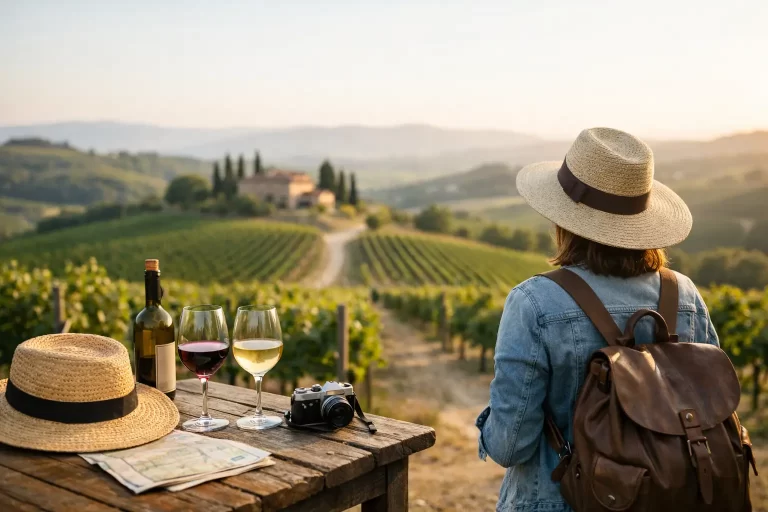
If your idea of happiness involves vineyard views from your bedroom, a terrace at sunset, and the sense that you have properly escaped the modern world for a few days, stay at a quinta. These traditional wine estates are one of the great pleasures of the Douro. Some are working wineries with elegant guest rooms, while others feel more like rural manor houses with very good bottles nearby.
This is the choice for couples, anniversary trips, and anyone who wants the valley to feel cinematic. You are not staying near the vineyards – you are in them. There is a lovely immediacy to that. You might wake to the smell of warm earth, hear birds rather than traffic, and end the day with a glass of white Port while the hills turn gold.
The trade-off is convenience. Quinta stays can be blissfully peaceful, but they are often isolated. That is perfect if you want to slow down and sink into the landscape. Less perfect if you like to wander out after dinner for a stroll, a bar, or a bit of village life. If you are hiring a car and want a romantic, wine-first trip, this is usually the best answer.
Peso da Régua for practical access
Régua does not always win the beauty contest against the smaller river towns, but it is one of the most sensible bases in the valley. It sits in a useful central position, has good transport connections, and makes an easy launch point for winery visits in several directions. If you are arriving by train from Porto, hiring a car locally, or planning a shorter stay with lots packed in, Régua makes life easier.
There is also something refreshing about choosing function over fantasy, at least for a night or two. You can spend your days among the dramatic slopes and return to a town that has restaurants, services, and a bit more everyday energy. It feels lived-in rather than polished for visitors, which can be a pleasure in its own right.
I would choose Régua if your trip is built around exploring rather than cocooning. It suits travellers who want to visit several quintas, hop on a boat, and move efficiently without feeling they have booked themselves into a remote hilltop idyll they now have to keep driving back to.
Best for train travellers and first-time visitors
Régua is also a reassuring first stop if the Douro is new to you. It gives you a foothold in the region without asking you to commit immediately to one isolated property. From there, you can branch out, get your bearings, and decide whether your next stay should be deeper in the valley and slower in pace.
Pinhão for postcard scenery and wine romance
If Régua is practical, Pinhão is the place that makes people sigh a little when they arrive. It is smaller, prettier, and wrapped in some of the valley’s most famous vineyard scenery. The station is charming, the river setting is lovely, and the surrounding estates are among the best known in the Douro.
For many travellers, Pinhão is the sweet spot. It feels atmospheric without being cut off, and it works especially well if wine is the centrepiece of the trip. You can stay in town or in a nearby quinta, with easy access to tastings and some truly gorgeous viewpoints. This is where the Douro starts to feel exactly as you imagined it might.
That said, Pinhão is small. Very small. That is part of its charm, but if you want lots of restaurant choice or evening buzz, you may find yourself done with the town after a couple of slow strolls. I would happily stay here for two or three nights, particularly as part of a longer Douro itinerary, but not everyone will want to make it their only base.
Where to stay in Douro for couples
For couples, Pinhão is hard to beat. The scenery is all soft drama and steep vineyard lines, and there is an easy romance to the place that requires very little effort from you. You book the room, order the wine, and let the valley do the rest. Sometimes that is exactly the right kind of holiday planning.
Lamego for culture, food, and a town with substance
If you prefer your wine trip with a side of architecture, local life, and proper town atmosphere, Lamego is a strong option. It sits slightly away from the river, so it does not give you that immediate Douro waterfront mood, but it offers something different and genuinely appealing. There are churches, handsome streets, markets, and excellent food, all wrapped in a place that feels less like a tourist stop and more like a regional centre with a soul.
Lamego works well for travellers who get restless in tiny wine villages. Perhaps you love vineyards, but you also want cafés, heritage, and a chance to do more than taste and admire the view. Fair enough. The Douro is romantic, but there are limits to how many hours one can spend gazing nobly across a terrace before wanting a pastry and a wander.
This base also suits those exploring by car who do not mind being a little removed from the river itself. You can still reach the valley’s wineries and viewpoints, but you return in the evening to a town with more texture and variety.
Vila Nova de Foz Côa and the upper Douro for a quieter, wilder feel
Most first-time visitors stay in the central Douro around Régua and Pinhão, and for good reason. But if you have already seen the best-known stretches, or simply want somewhere less visited, the upper Douro has a different sort of pull. Around Vila Nova de Foz Côa, the landscape feels broader, drier, and in some ways more remote.
This area suits travellers who enjoy the Douro as a region rather than just a famous wine backdrop. You are closer to archaeological sites, further from the busiest visitor spots, and more likely to feel that delicious sense of having wandered into a corner of Portugal that many people skip. It asks more of you logistically, but it gives something back in quiet.
How to choose where to stay in Douro
The easiest way to decide is to be honest about your pace. If you want to stay put, drink deeply of the view, and let the hours drift, book a vineyard estate or a quinta near Pinhão. Should, however, you want a practical base for moving around, Régua is the sensible pick. If you want culture and restaurants with your wine, Lamego will likely suit you better.
Transport matters too. If you are not driving, staying in or near the train-linked towns becomes much more important. If you are driving, check how twisty and isolated your accommodation really is. In the Douro, ten kilometres can feel longer than expected, especially after dinner and a generous pour of red.
Season makes a difference as well. Harvest time is electric, but accommodation fills quickly and prices climb. Summer brings long golden evenings and warm river light, though it can be very hot. Spring is green and lovely. Autumn, with the changing vines, is pure magic if you catch it right.
There is no single correct answer to where to stay in Douro, because the valley has more than one personality. It can be polished and indulgent, rustic and slow, practical and food-focused, or wonderfully remote. Pick the version that sounds most like your own holiday rather than the one that looks best in somebody else’s photograph. The Douro rewards that kind of honesty, and usually with a very good glass in hand.
Affiliate Disclaimer
Some links on this blog may be affiliate links. This means that, at no additional cost to you, we may earn a small commission if you make a purchase through those links. We only recommend products, services, destinations, and experiences that we genuinely use, enjoy, or believe may be useful to fellow travellers and narrowboat enthusiasts. Thank you for supporting Vineyards and Villages and helping to keep our adventures afloat.