
Quiet Travel Destinations for Retirees to Savour
The best quiet travel destinations for retirees are not necessarily the places with nothing going on. They are the places where life happens at a civilised pace: bread arrives warm from the bakery, a church bell marks the hour, and lunch stretches pleasantly into the afternoon because nobody is rushing you back on to a coach.
For travellers who have already done the frantic city break, slow travel can feel like a small luxury. It leaves room for a second coffee, a chat with the winemaker, and the spontaneous turn down a lane lined with cypresses or chestnut trees. These are five places made for lingering, with enough flavour, scenery and gentle activity to make every day feel full without becoming exhausting.
Alsace, France: Villages Between the Vines
There is a particular pleasure in arriving in Alsace when the vineyards are turning gold. Timber-framed houses lean charmingly towards narrow lanes, window boxes spill over with geraniums, and every village seems to have a bakery capable of sabotaging one’s best intentions before 10am.
Base yourself in a smaller wine village such as Eguisheim, Kaysersberg or Riquewihr rather than Strasbourg. The larger city is certainly worth a day, but the villages are where Alsace settles into its most beguiling rhythm. Morning walks can be as gentle or energetic as you like, with vineyard paths rising gradually above the rooftops and opening out to views of the Vosges.
Wine is wonderfully accessible here. A tasting of dry Riesling, floral Gewurztraminer and crisp Crémant d’Alsace is less about mastering tasting notes than understanding why the local table feels so complete. Pair a chilled glass with tarte flambée, a plate of mountain cheese, or a long lunch of choucroute in a family-run winstub.
The trade-off is popularity. Riquewihr can become busy in high summer and during Christmas market season, when it is almost too picturesque for its own good. May, June, September and early October offer kinder temperatures, quieter lanes and a greater chance of getting a table without plotting your day like a military campaign.
Alentejo, Portugal: The Art of Taking One’s Time
If your idea of holiday contentment involves a broad horizon, a shady square and a bottle of red opened before sunset, the Alentejo has a persuasive case to make. This large, lightly populated region east of Lisbon moves to a slower beat than the Algarve, with cork oak landscapes, whitewashed towns and roads that seem designed for unhurried wandering.
Évora makes an excellent base for those wanting historic atmosphere alongside good restaurants and practical comforts. Its Roman temple, cathedral and old streets are compelling, although some surfaces are cobbled and uneven. Travellers who prefer fewer steps may be happier staying just outside the centre or choosing a village such as Monsaraz, where the views across the Alqueva reservoir are glorious but the steep streets require sensible shoes and a willingness to take things slowly.
Alentejo wines are typically generous, sun-warmed and very easy to enjoy at the table. A tasting room visit here rarely feels intimidating. Ask for local varieties such as Alicante Bouschet, Aragonez or Antão Vaz, then take a bottle to a terrace as the evening light softens over the plains. This is not a region for ticking off attractions. It is a region for letting an afternoon be an afternoon.
Summer heat can be fierce, so spring and autumn are the sweet spots. A hire car is useful, almost essential beyond Évora, but the driving is generally relaxed. Just keep water in the car, avoid the hottest hours, and do not underestimate how much pleasure there is in stopping for a coffee simply because the square looks inviting.
The Douro Valley, Portugal: Scenic Without the Rush
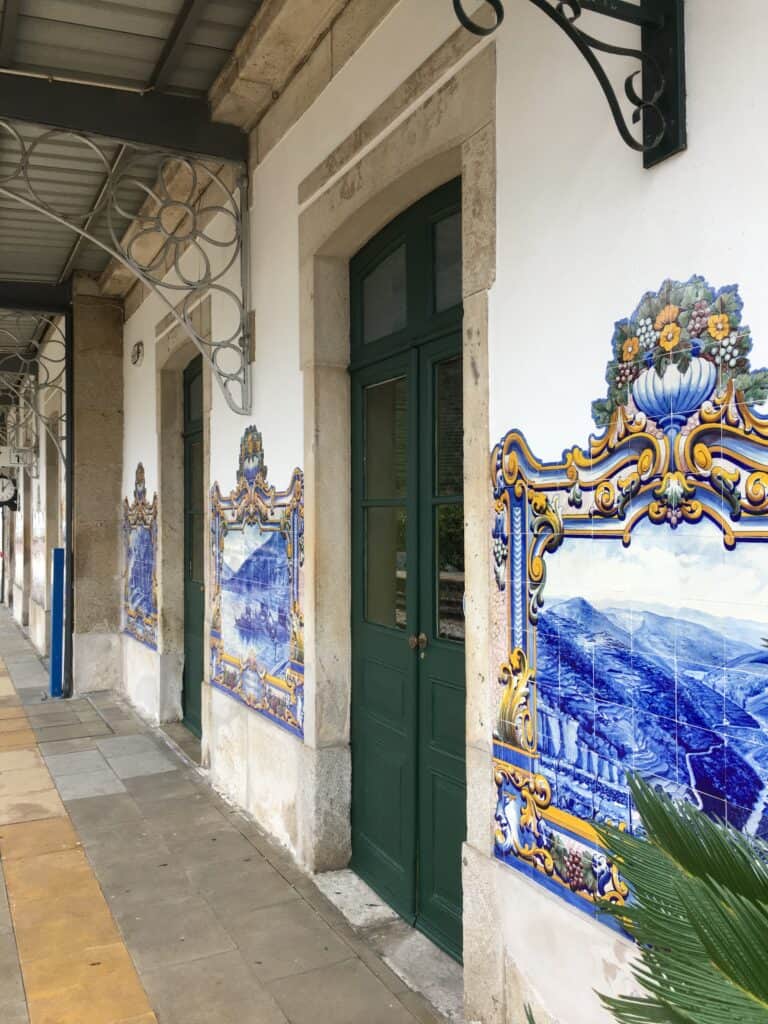
The Douro Valley has drama in abundance: terraced vines climbing from the river, steep folds in the hills, tiny railway stations and quintas perched above the water. Yet outside peak harvest weeks, it can still offer the stillness that many famous wine regions have misplaced.
Pinhão is the obvious place to begin, particularly for travellers who enjoy arriving by train from Porto. The journey follows the river for much of the way and removes the need to tackle mountain roads on day one. From there, a river cruise and a relaxed winery visit make a fine introduction to the valley’s landscape and its historic connection with Port.
There is one honest caveat. The Douro is steep. It rewards those happy to admire its terraces from a hotel veranda, a boat or a scenic train, but it is less suitable for anyone hoping for flat, easy village strolling. Choosing accommodation with a restaurant, a lift where needed, and a pool or shaded terrace can turn that limitation into a pleasure. No one has ever regretted being handed a glass of tawny Port while looking at a river valley in late afternoon.
For a quieter stay, look beyond the most central waterfront properties and consider the upper Douro around São João da Pesqueira. You may sacrifice a little convenience, but gain starrier skies, more space and the feeling of being properly away.



Istria, Croatia: Truffles, Hill Towns and Coastal Calm
Istria is Croatia at its most quietly delicious. Inland, hill towns sit above olive groves and vineyards; along the coast, fishing villages offer sea views without demanding the high-energy schedule of a larger resort. It is an appealing choice for couples who like to alternate between a market morning and a lingering seafood supper.
Motovun and Grožnjan have stone lanes, creative character and a lovely sense of elevation, though both involve inclines and steps. For easier access, stay in or near Rovinj, Poreč or the smaller coastal town of Novigrad, then make day trips inland. Rovinj itself is more animated, but step beyond its old town in the evening and the pace becomes agreeably gentle.
The region’s Malvazija white is fresh and lightly aromatic, made for grilled fish, local olive oil and the first tomatoes of summer. Teran, the distinctive local red, has enough savoury bite to handle truffle pasta or slow-cooked meat. Food is not a side attraction here. It is one of the ways the landscape introduces itself.
Visit in May, June or September if possible. July and August bring heat, crowds and a higher chance that peaceful seaside evenings become rather louder than advertised. A car gives welcome freedom, but distances are modest and a day need not involve more than one hill town, one lunch and one perfectly reasonable nap.
The Cotswolds, England: A Familiar Kind of Escape
There is comfort in a destination where you can settle into the rhythm quickly. The Cotswolds offers honey-coloured villages, gardens, country pubs and rolling lanes, all without the need to master a new language or board a long-haul flight. For British travellers seeking a restorative break close to home, that ease is part of the appeal.
Avoid trying to see every famous village. Bourton-on-the-Water and Bibury can be delightful early in the morning, but they receive their fair share of day visitors. Instead, choose a base with a good local shop and a few places to eat, perhaps around Winchcombe, Painswick, Chipping Campden or the quieter edges of the region.
The Cotswolds is not wine country in the continental sense, though English vineyards are increasingly part of the pleasure. A tasting of sparkling wine after a walk through fields or a visit to a village farm shop feels entirely in keeping with the landscape. For Vineyards and Villages readers, it is a reminder that a good bottle does not need dramatic mountains behind it to carry a sense of place.
Accessibility varies considerably. Beautiful old inns may have narrow staircases, historic rooms and charming but awkward bathrooms. It pays to call ahead and ask direct questions about ground-floor rooms, parking, walk-in showers and distance to the nearest pub. Romance is lovely. So is not having to haul a suitcase up three flights of stairs.
Choosing a Quiet Place That Actually Suits You
The most satisfying slow-travel holiday is usually built around one sensible base, rather than a string of one-night stops. Look for a town or village with a few restaurants, a food shop, an attractive place to walk and transport options that do not make every outing feel like an expedition. A balcony, terrace or garden can matter more than an extra museum when you are choosing somewhere with a quieter rhythm.
It is also worth thinking beyond the destination’s reputation. A well-known village in shoulder season may feel calmer than an obscure place during a festival weekend. Likewise, a rural hotel can be blissful if you enjoy long, peaceful evenings, but isolating if you prefer to wander out for dinner. The right choice depends on whether your ideal day involves a car, a train, a vineyard lunch, a coastal stroll, or all four in modest proportions.
Leave a little blank space in the itinerary. The best moments in these places tend not to be bookable: the market stallholder who recommends a cheese, the bench with the improbable view, the local red that tastes even better because the day has asked nothing much of you. That is the quiet luxury worth travelling for.