Narrowboat Travel Through English Canal Villages
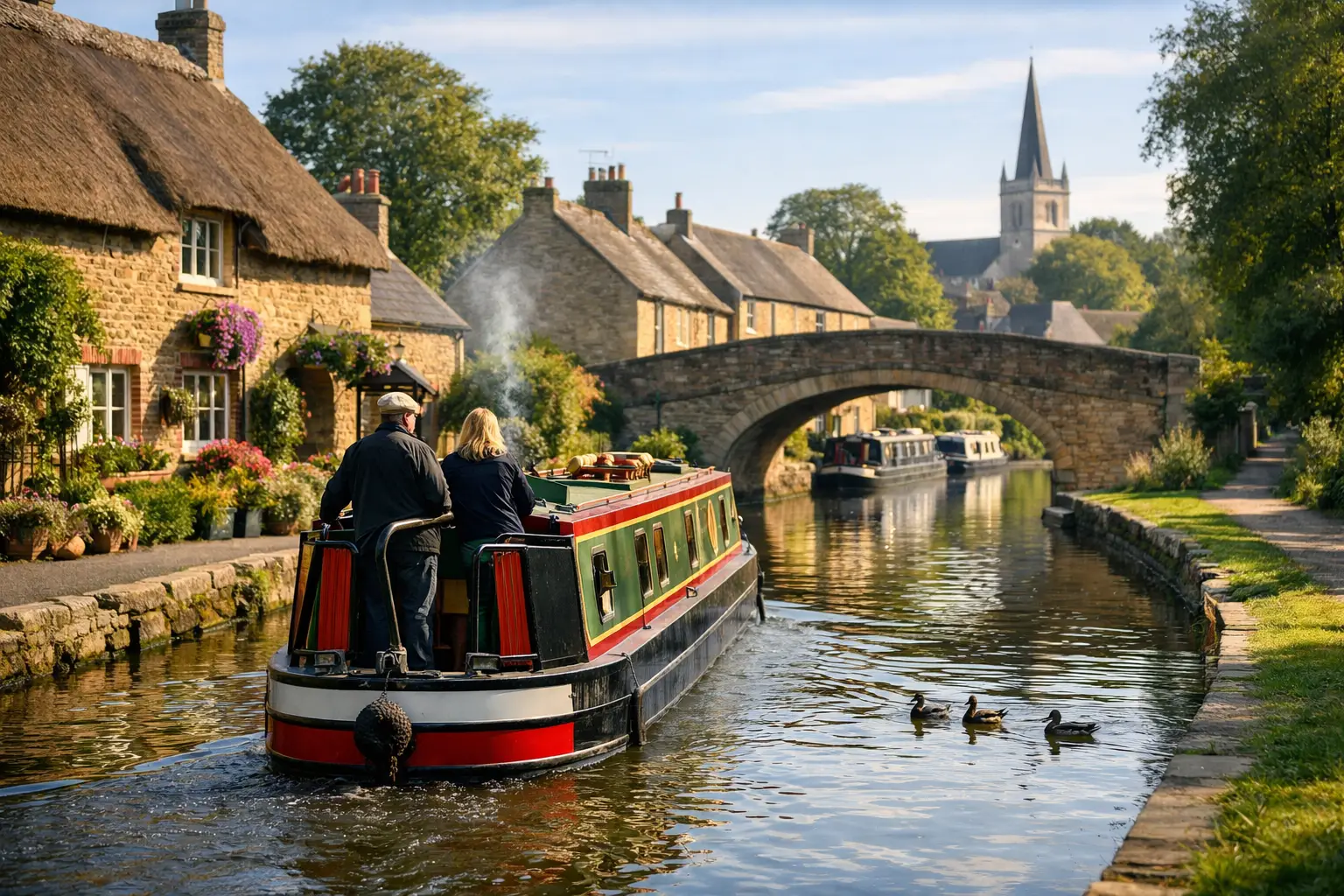
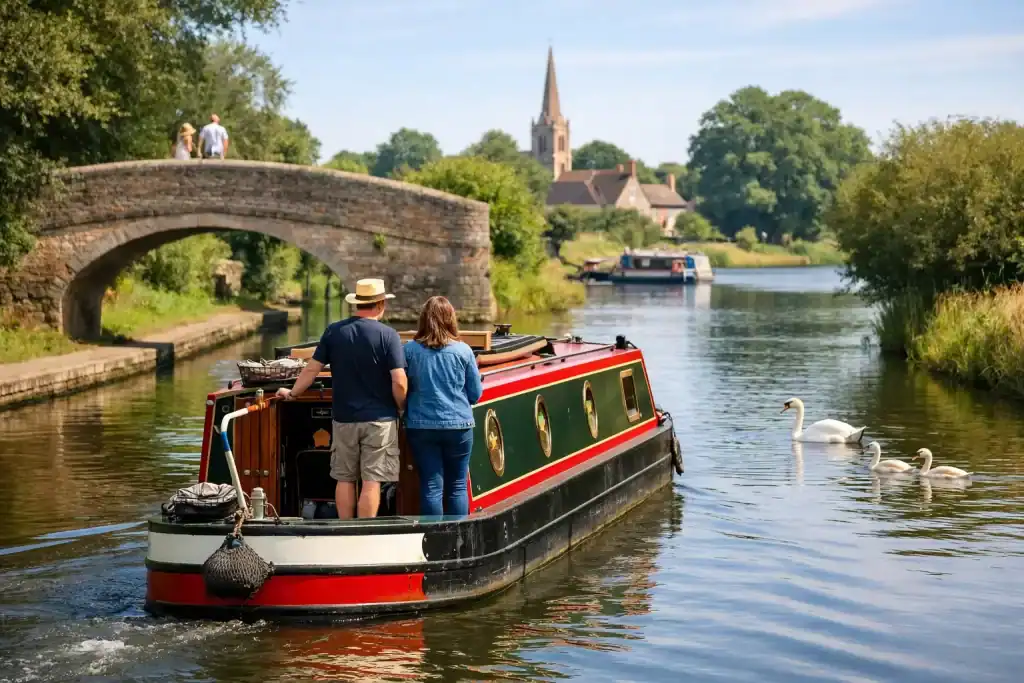
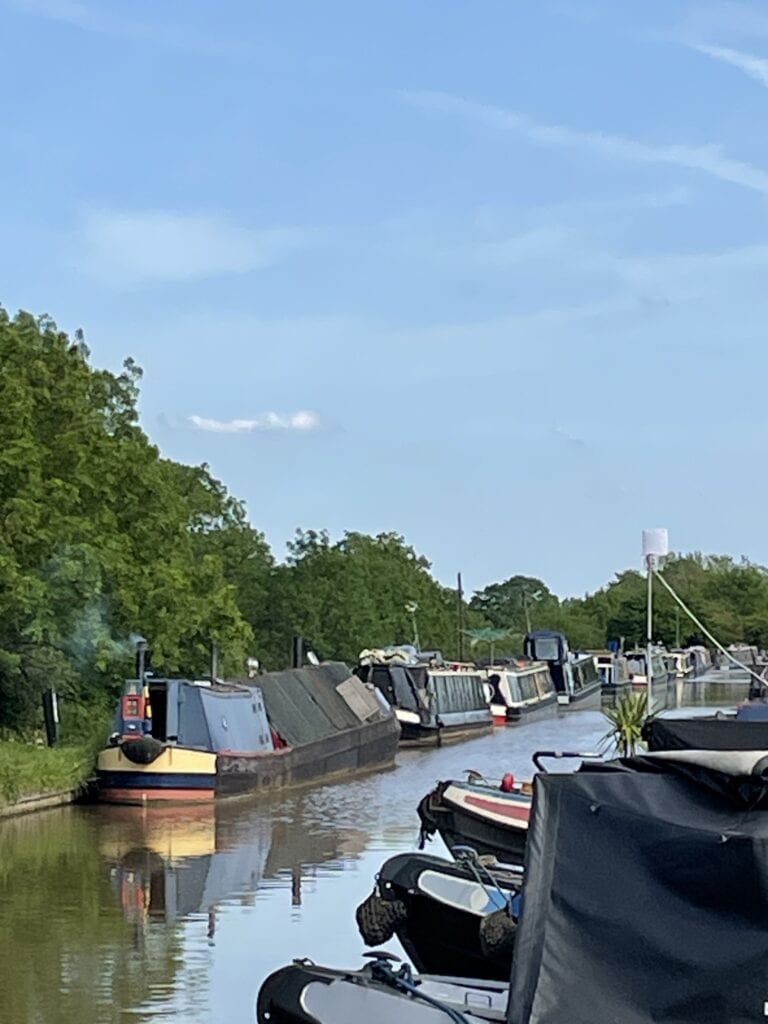
The kettle had just boiled when the canal narrowed beneath a canopy of willow, and there it was: a stone village appearing over the bow at the pace of a good thought. A church spire, two chimneys breathing woodsmoke and a pub garden close enough to make out the striped parasols. That is the quiet magic of narrowboat travel through English canal villages. You do not arrive with a screech of brakes or a rushed suitcase. You drift in, wave at a dog walker, tie up where the towpath allows, and let the village reveal itself one unhurried detail at a time.
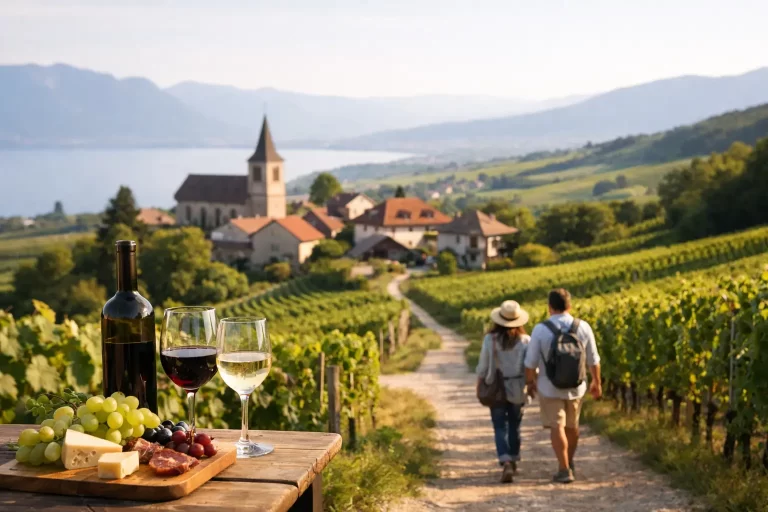
For travellers who like a landscape with a story – and believe a well-chosen bottle is part of the story – England’s canals offer a wonderfully civilised kind of escape. The journey is not about covering ground. It is about pottering through it, lock by lock, pub by pub, with the occasional heroic attempt at steering.
Why the canal is the loveliest way to meet a village
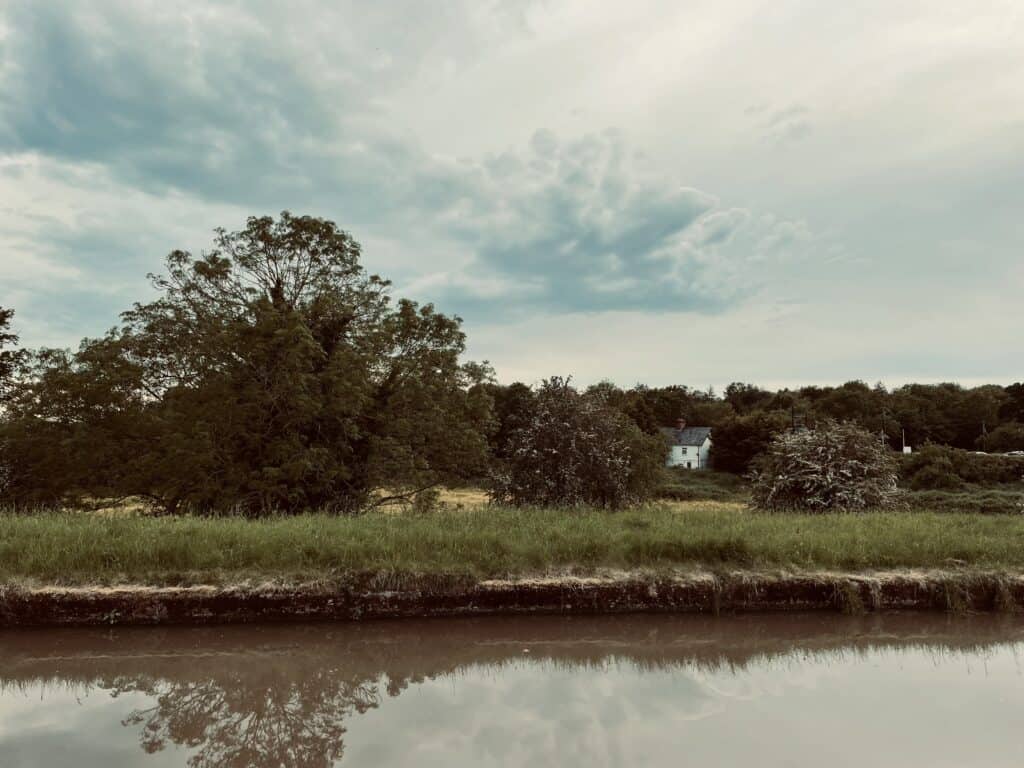
Road travel tends to make villages into pit stops. You find parking, glance at the high street, perhaps buy a coffee. Then move on because there is always another place marked on the map. From a narrowboat, the relationship changes. The canal gives you time to notice the old wharf. The allotments behind the cottages, the heron standing patiently in the reeds. And the small grocery shop that still keeps a handwritten notice in its window.
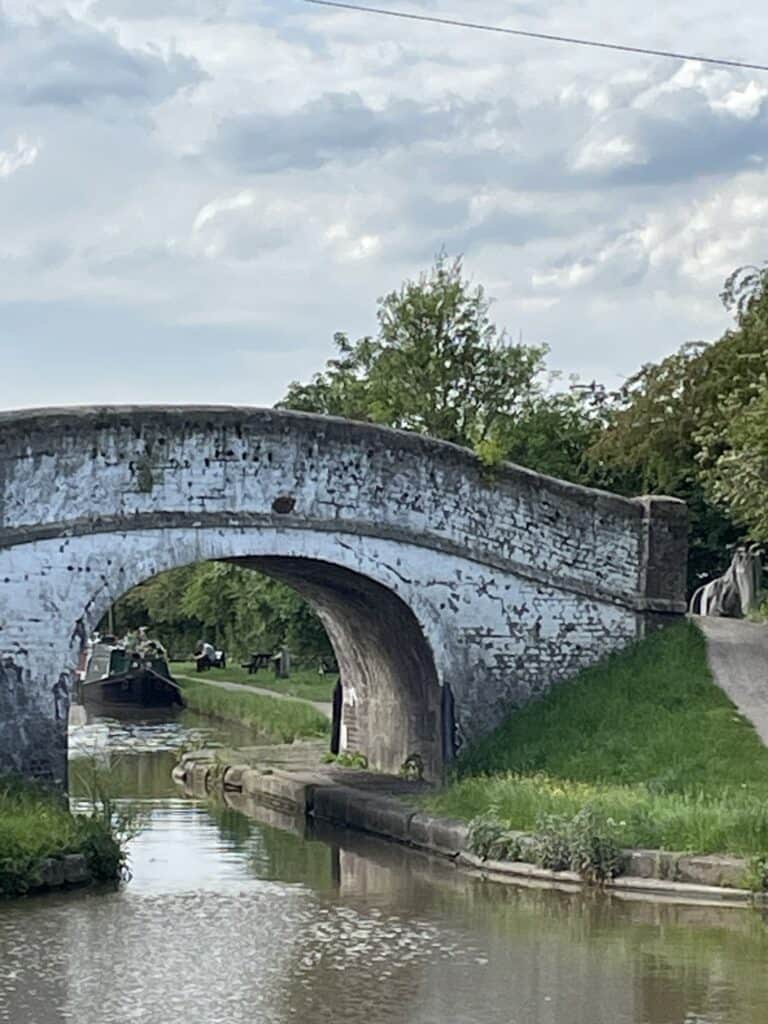
Many canal villages grew around the water itself. Before motorways and supermarket deliveries, canals carried coal, grain, pottery, timber and all the everyday stuff of life. The working barges have mostly gone, but their infrastructure remains beautifully visible: warehouses turned into cafés, lock cottages with roses around the door, cast-iron bridges and towpaths once worn smooth by horses.
There is a pleasing intimacy to arriving by water. Moor up on the village edge and you are often a five- or ten-minute stroll from a pub lunch, a farm shop or a bakery. By late afternoon, you can be back aboard with a glass in hand, watching the light soften over the canal. It makes a case for doing less, rather brilliantly.
Choosing a route for narrowboat travel through English canal villages
The best route depends on whether your ideal day involves locks, long green stretches or a reliable supply of local ale and a decent Sunday roast. For a first trip, it is wise to choose a route with manageable cruising hours and several places to stop. A narrowboat holiday can look effortless from the towpath, but someone does need to steer, work the locks and remember which side of the boat the fenders are on.
The Llangollen Canal for drama and stone-built charm
The Llangollen Canal is a favourite for good reason. Its Welsh-border scenery is grander than many first-time boaters expect, with wooded hills, handsome villages and the memorable crossing of the Pontcysyllte Aqueduct. The aqueduct is technically more spectacle than village life, but it is a thrilling prelude to gentler stops such as Llangollen, with its independent shops and lively atmosphere.
This route suits couples who enjoy a little theatre with their slow travel. Book ahead in peak season, especially if you want to take a boat across the aqueduct, and be realistic about your comfort with heights. The views are extraordinary; the drop is not shy about making itself known.
The Kennet and Avon for food, history and pretty detours
The Kennet and Avon Canal threads through some of southern England’s most appealing countryside, linking Bath with Reading. Around Bradford-on-Avon, the canal feels especially generous: honey-coloured stone, waterside walks and a town that rewards an aimless wander. Further east, the canal passes close to villages and market towns where a long lunch can become a very reasonable afternoon plan.
This is a fine choice for travellers who like to pair canal days with restaurant tables, historic architecture and perhaps a vineyard visit by taxi. The landscape may be gentler than the Llangollen, but the locks can be demanding in places. Share the work, take your time and accept that a day with several locks is a day with fewer miles.
The Peak Forest and Macclesfield canals for northern character
For moorland views, mill-town history and a distinctly northern welcome, the canals around Marple, Disley and Macclesfield offer a superbly textured escape. Marple’s flight of locks is a serious piece of engineering and a satisfying achievement if you tackle it as a crew. Afterwards, a pint and a plate of something comforting will feel thoroughly earned.
The Macclesfield Canal is known for its graceful bridges and long stretches of countryside. It is less about ticking off landmark villages than settling into a rhythm: coffee on deck, a slow bend around a field, then a waterside pub that seems to have been waiting all day for you.
The art of a good mooring
A canal village is at its best when you resist the urge to treat it like an attraction with a timetable. Moor legally and considerately, then go for a walk without deciding exactly where you are headed. Look for the parish church, the village green, the old mill, the shop selling local chutney beside the newspapers. These are the places that give a journey its texture.
It helps to arrive well before dusk. Popular visitor moorings can fill up, particularly at weekends and during school holidays, and tying up in the dark is far less romantic than it sounds. Check the signs for time limits and private stretches, leave room for other boats, and never block a lock landing or water point. Canal etiquette is mostly common sense, though common sense can become elusive after a particularly cheerful pub lunch.
Once settled, the best plan is often no plan at all. A towpath walk before supper may lead to a village shop. A chat with another boater may reveal that the pub half a mile away does excellent pies on Thursdays. This is travel guided by small recommendations rather than algorithms, and it is all the better for it.
What to eat and drink along the way
Narrowboat cooking can be gloriously simple. A good loaf, local cheese, apples, smoked trout, a jar of proper pickle and a bottle chilled in the galley fridge make a fine supper. Many village farm shops and delis offer exactly the kind of provisions that turn a boat table into a small celebration.
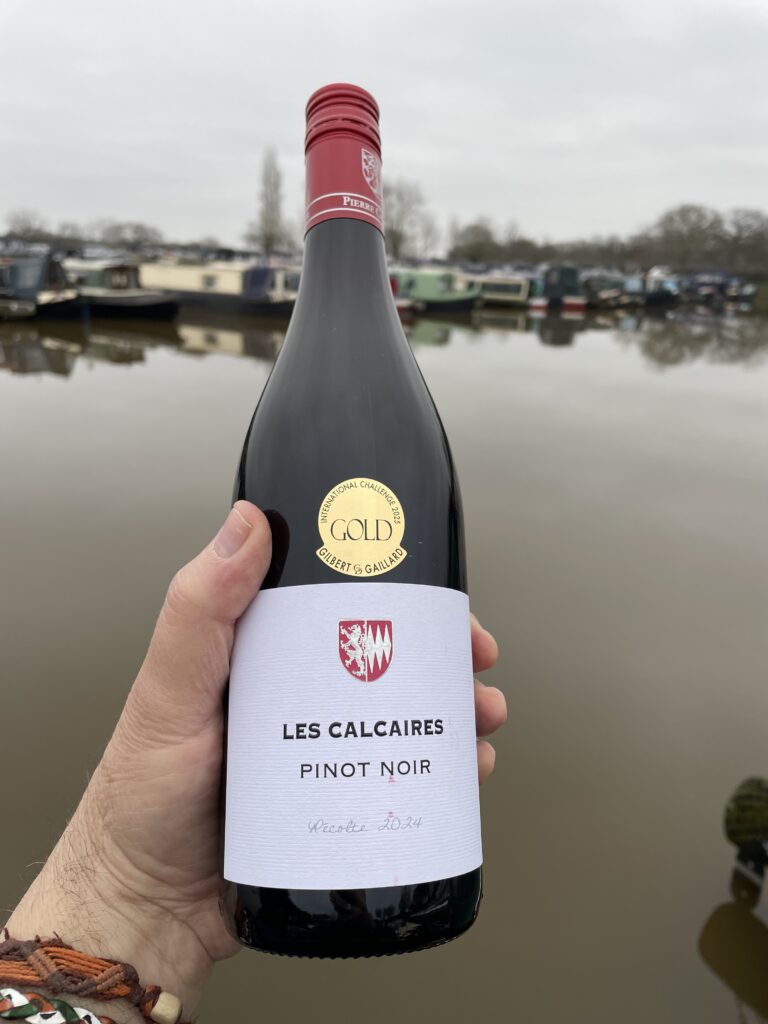
For wine, think about the realities of boat life. A crisp English sparkling wine is a joyful aperitif after a warm afternoon at the tiller, while a dry English Bacchus has the freshness to match smoked fish, goat’s cheese and anything involving herbs from a market stall. On a cooler evening, a light Pinot Noir works beautifully with sausages or mushroom dishes cooked in one pan.
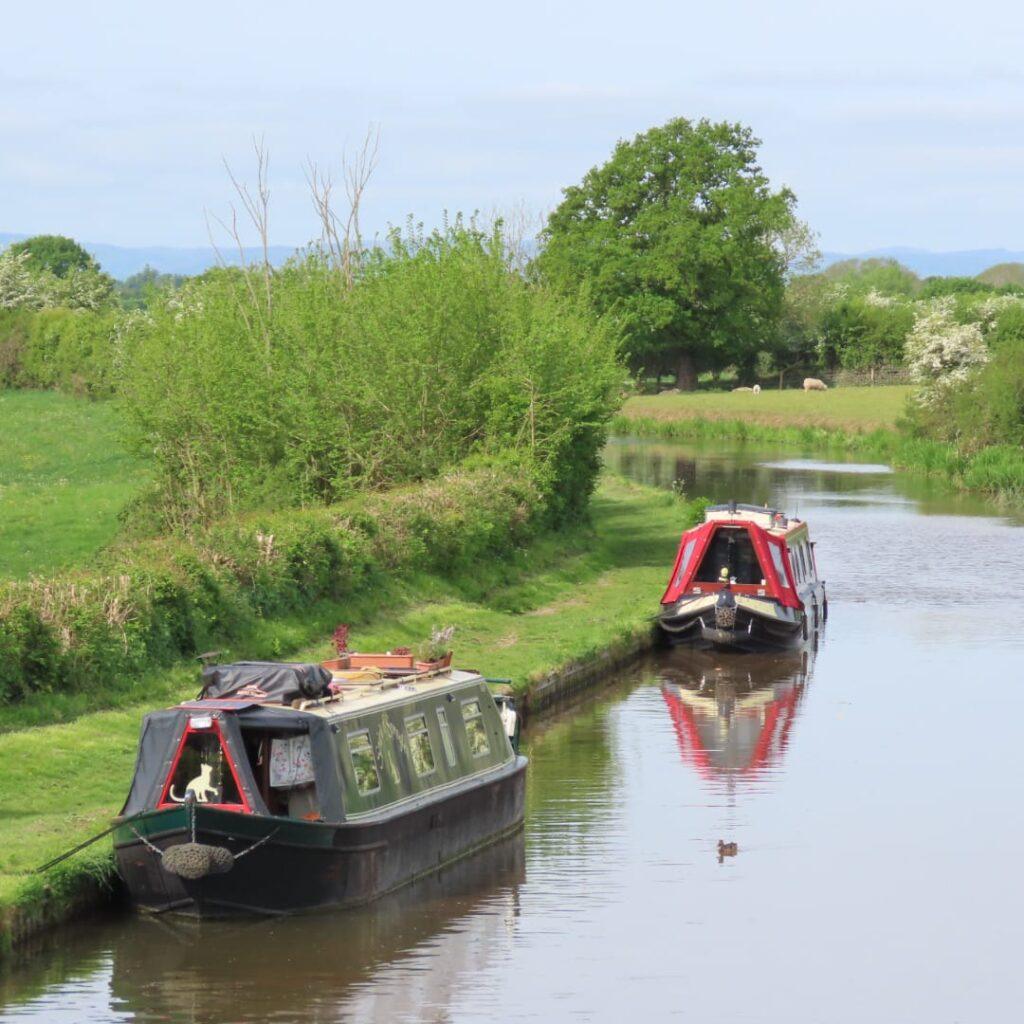
Save the more serious bottle for when you are moored. Drinking while steering is not clever, and canals demand more concentration than their peaceful appearance suggests. There is no loss in waiting. Few things improve a glass of wine like tying up safely, putting the kettle on and watching a moorhen patrol the opposite bank.
Small realities that make the trip better
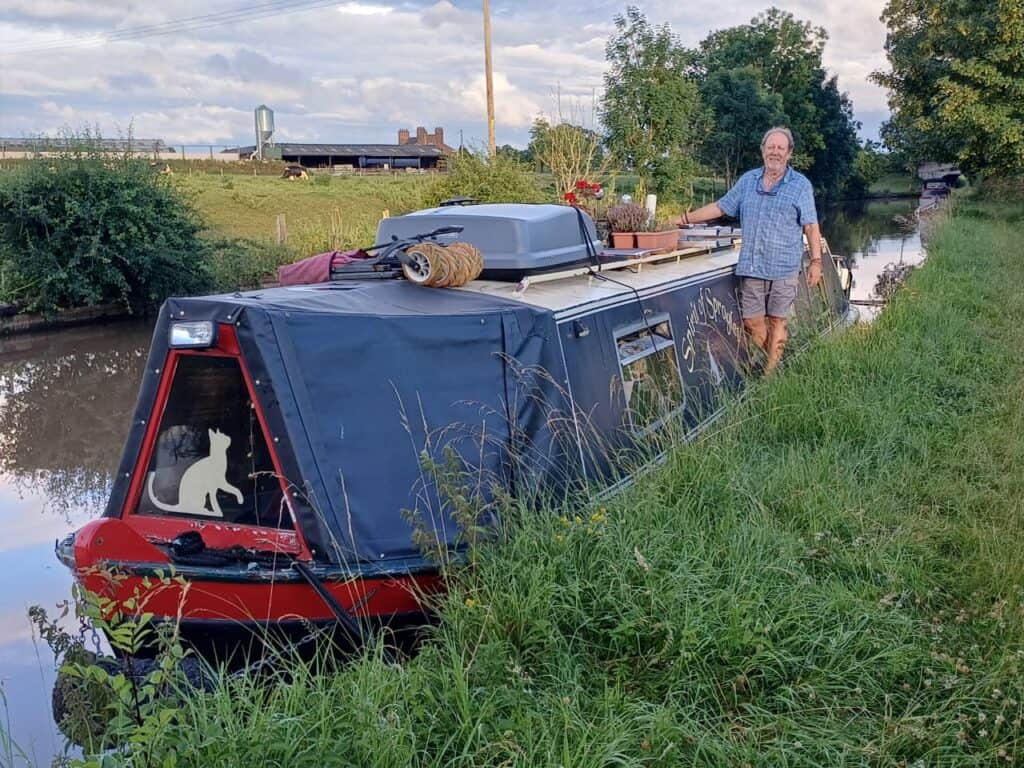
First-time hirers sometimes imagine hours of effortless floating. In truth, narrowboating is pleasantly hands-on. Locks require cooperation, swing bridges can interrupt your cruise, water tanks need filling and occasionally the weather supplies rain with great enthusiasm. Pack waterproof layers, shoes with grip and clothes you do not mind getting a little muddy.
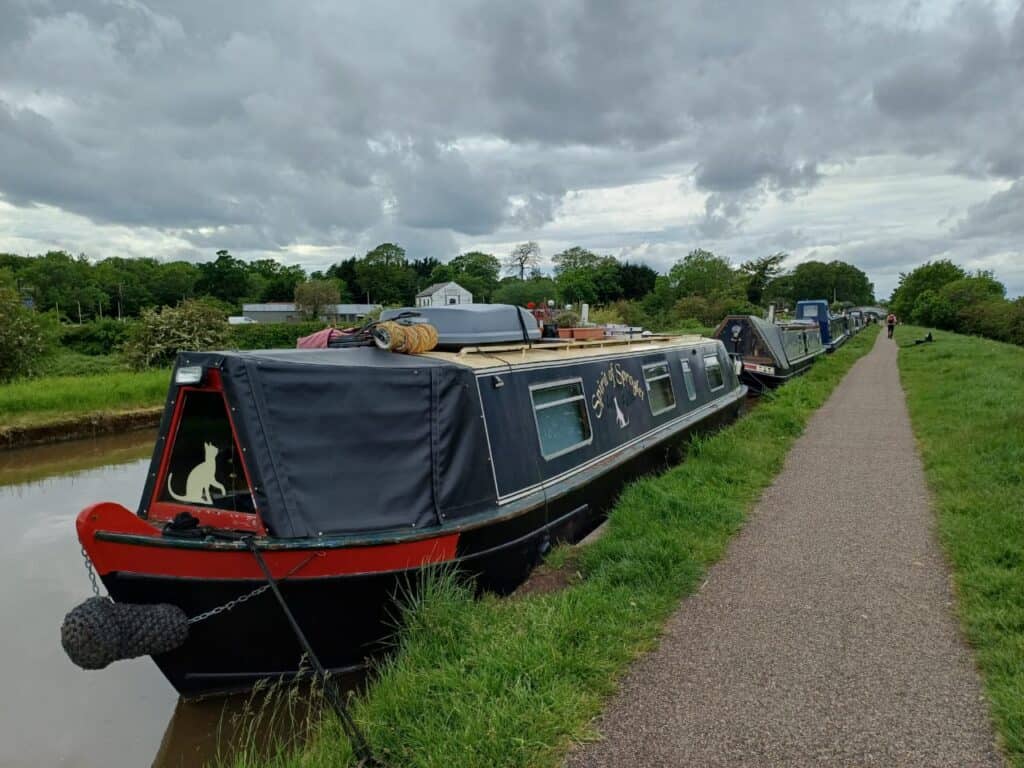
Keep cruising days modest, especially if you want time ashore. Three or four hours on the move can be plenty when locks are involved. The beauty of the canal is that a short distance can hold a surprising amount: a kingfisher flash, a lock-side conversation, a village bakery, a pub fire on a damp evening.
Also, remember that not every village sits directly beside a canal. Some of the best are a short walk uphill, which is part of the bargain. You may earn your lunch, but you will also find the views improve considerably.
Let the journey have its own pace
There is something reassuringly old-fashioned about travelling at roughly walking speed. And that while carrying your bed, your supper and a small stash of good wine with you. English canal villages do not need to be conquered, photographed from every angle or squeezed into a busy itinerary. They ask only that you arrive slowly enough to see them.
Choose a canal, leave a little blank space in the plan and keep an eye out for the next pub chimney. The village you remember most may be the one you had never intended to stop in.
Affiliate Disclaimer
Some links on this blog may be affiliate links. This means that, at no additional cost to you, we may earn a small commission if you make a purchase through those links. We only recommend products, services, destinations, and experiences that we genuinely use, enjoy, or believe may be useful to fellow travellers and narrowboat enthusiasts. Thank you for supporting Vineyards and Villages and helping to keep our adventures afloat.