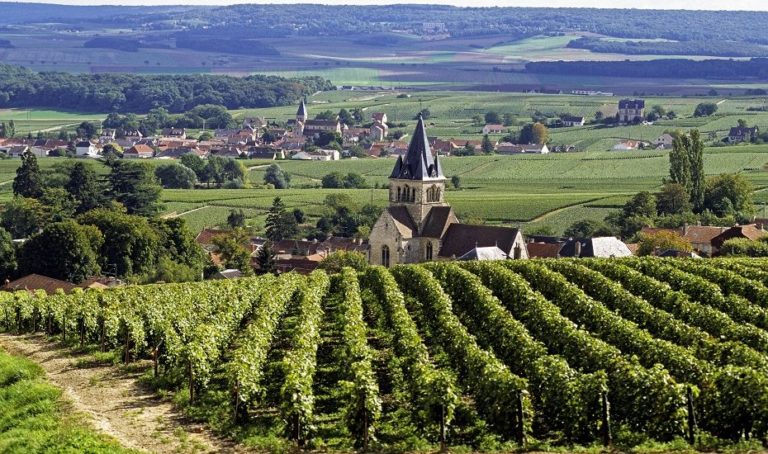

Why Are English Wines Improving So Fast?
A few years ago, ordering an English wine still felt like a slightly brave move. You did it with hope, a flicker of patriotism, and perhaps a private backup plan involving a reliable glass of Picpoul if things went sideways. Now, more often than not, the bottle arrives and the reaction is different: surprise first, then real pleasure. So why are English wines improving? The short answer is that England is no longer trying to prove it can make wine at all. It is learning, vineyard by vineyard and vintage by vintage, how to make very good wine in the places where it makes sense.
That shift matters. English wine is not improving because of one lucky run of warm summers or a burst of marketing confidence. It is improving because several things have changed at once: climate, vineyard investment, winemaking skill, clone and rootstock choices, site selection, and perhaps most importantly, ambition. The industry feels less like an enthusiastic experiment now and more like a young region settling into its own style.
Why are English wines improving now?
If you spend time in the wine regions of southern England, especially Sussex, Kent and Hampshire, you can feel the momentum. The vines are neater, the cellars more polished, and the conversations more precise. People are talking less about whether English wine can compete and more about which slopes, soils and varieties are showing the most promise.
Climate is the biggest part of this story, even if it is also the most uncomfortable. England has always been marginal for viticulture. That sounds romantic until you are trying to ripen grapes before autumn rain rolls in and makes a mess of everything. Slightly warmer growing seasons have made ripening more reliable, especially in the south. Better ripeness means more balanced acids, fuller flavours and fewer green, underdeveloped notes.
That does not mean every vintage is suddenly Mediterranean. England is still England. Rain still appears uninvited, spring frost can still be a menace, and a gloomy August can test everyone’s nerves. But compared with previous decades, growers now have a better chance of bringing fruit in at the right moment. For sparkling wine in particular, that has been a gift.
The sparkling wine advantage
If English wine has a calling card, it is sparkling. There is a simple reason for that. England’s cool climate suits grapes like Chardonnay, Pinot Noir and Pinot Meunier when the goal is freshness, precision and acidity. Those are the building blocks of good traditional method sparkling wine.
It also helps that parts of southern England share chalk soils with Champagne. Soil is never the whole story, but chalk offers good drainage and can help vines cope in wet conditions. More importantly, producers have recognised that they should not be forcing the land to do something unnatural. Instead of chasing broad, ripe reds that struggle in cooler years, many of the best estates have focused on styles that fit the climate.
That clarity of purpose has made a difference. English sparkling wine is no longer a novelty poured with a raised eyebrow. At its best, it is fine-boned, citrusy, mineral and very assured. There is a brightness to it that feels distinctly English, rather than a copy of somewhere else.
Better vineyards, not just more vineyards
There are certainly more vineyards than there used to be, but the real improvement comes from where they are being planted and how they are being managed. Earlier waves of English wine often relied on hopeful site choices. Now there is more research behind each decision.
Growers understand aspect, airflow, drainage and frost risk far better than they once did. South-facing slopes matter. Sheltered sites matter. So does avoiding frost pockets that can quietly undo a year’s work in one chilly dawn. Choosing the right clones and rootstocks has also become more refined, which sounds technical but has very practical results in the glass.
Then there is vineyard management. Canopy work, yield control, disease pressure, harvest timing – all of it has become more sophisticated. In a marginal climate, details are not minor details. They are often the difference between a wine that feels lean and tense in a good way, and one that simply tastes unfinished.
Winemakers have learned what England tastes like
One of the more interesting answers to why are English wines improving is that winemakers have stopped fighting the country. Earlier English wines could sometimes feel as if they were trying too hard to imitate sunnier regions. That rarely ends well. Grapes grown in cool conditions have their own natural profile, and the best producers are leaning into it.
That means preserving freshness rather than burying it, using oak with restraint, and shaping wines around elegance rather than power. It also means knowing when less intervention is actually more helpful. Not every wine needs to be pushed into roundness or richness if what it naturally offers is tension, floral detail and a clean line of acidity.
Experience has helped enormously. England now has winemakers with decades of local knowledge, as well as international talent bringing ideas from other cool-climate regions. That mix is healthy. It creates confidence without making the wines feel generic.
Investment has raised the baseline
Wine improves when people can afford to be patient. Better equipment, more precise pressing, temperature-controlled fermentation, proper cellar facilities, serious lab work, cleaner fruit handling – these things are not glamorous, but they matter. So does the ability to hold sparkling wine on lees for longer rather than rushing it out the door.
Over the past decade, English wine has attracted more investment, and that has lifted the average standard. Some producers now have the tools to make decisions for quality rather than simple survival. That changes everything.
There is also a tourism effect. Visit a modern English estate and you often find a tasting room with broad vineyard views, smart hospitality, and a sense that wine is part of a wider day out rather than an isolated product. That visibility draws in curious drinkers who may once have dismissed English bottles entirely. When more people taste better wine in the place it was grown, reputations change quite quickly.
Still wine is improving too, with a few caveats
Sparkling gets most of the applause, but still English wines have improved as well. Bacchus can be wonderfully aromatic and lively, often somewhere between elderflower, citrus and hedgerow after rain. Chardonnay is becoming more assured. Pinot Noir, in the right hands and the right years, can be delicate and genuinely charming.
But this is where it helps to be honest. Still wine remains more variable than sparkling. England’s climate still makes consistency difficult, especially for reds. A warm year can produce lovely fruit, while a cooler, wetter season may pull things back sharply. For drinkers, that means producer and vintage matter a great deal.
This is not a flaw so much as a sign of a region still defining itself. Burgundy is not exactly famous for sameness either. The difference is that England is doing this with less historical cushion and much more public scepticism.
Reputation has caught up with reality
Another reason English wine feels better is that expectations have changed. For years, bottles from England were judged through a lens of surprise. If they were decent, people were impressed. If they were excellent, people acted as if a bicycle had just recited Shakespeare.
That novelty factor is fading, which is actually a good thing. Producers are now being judged more seriously, and the stronger ones are benefiting from that scrutiny. Awards, export growth and restaurant listings have all helped, but the deeper change is cultural. English wine has moved from curiosity to choice.
For travellers, this makes vineyard visits far more rewarding. You are not simply dropping in for the novelty of seeing vines in England. You are tasting wines that increasingly make sense of their landscape – chalk hills, sea air, patchy sunshine, orchard country, old villages and all. That connection between bottle and place is where wine becomes memorable.
So, why are English wines improving?
Because the country has found a style that suits it, and because the people making the wine have become far better at reading the land. Warmer growing conditions have helped, but they are only one piece of the puzzle. Site choice is sharper, vineyard practice is smarter, cellar work is more confident, and the strongest producers are no longer trying to imitate anyone.
What excites me most is that English wine still feels like a story in motion. There is room for surprise. One estate will nail a crystalline blanc de blancs, another will produce a Bacchus that tastes like a summer walk through a garden after rain, and somewhere in Sussex or Kent a winemaker is quietly figuring out what the next leap forward looks like. That is a lovely moment to catch a region – not after it has finished becoming, but while it is still finding its voice. If you are planning a countryside break, make time for a tasting. The views are charming, certainly, but the glass is now catching up rather nicely.
Affiliate Disclaimer
Some links on this blog may be affiliate links. This means that, at no additional cost to you, we may earn a small commission if you make a purchase through those links. We only recommend products, services, destinations, and experiences that we genuinely use, enjoy, or believe may be useful to fellow travellers and narrowboat enthusiasts. Thank you for supporting Vineyards and Villages and helping to keep our adventures afloat.