
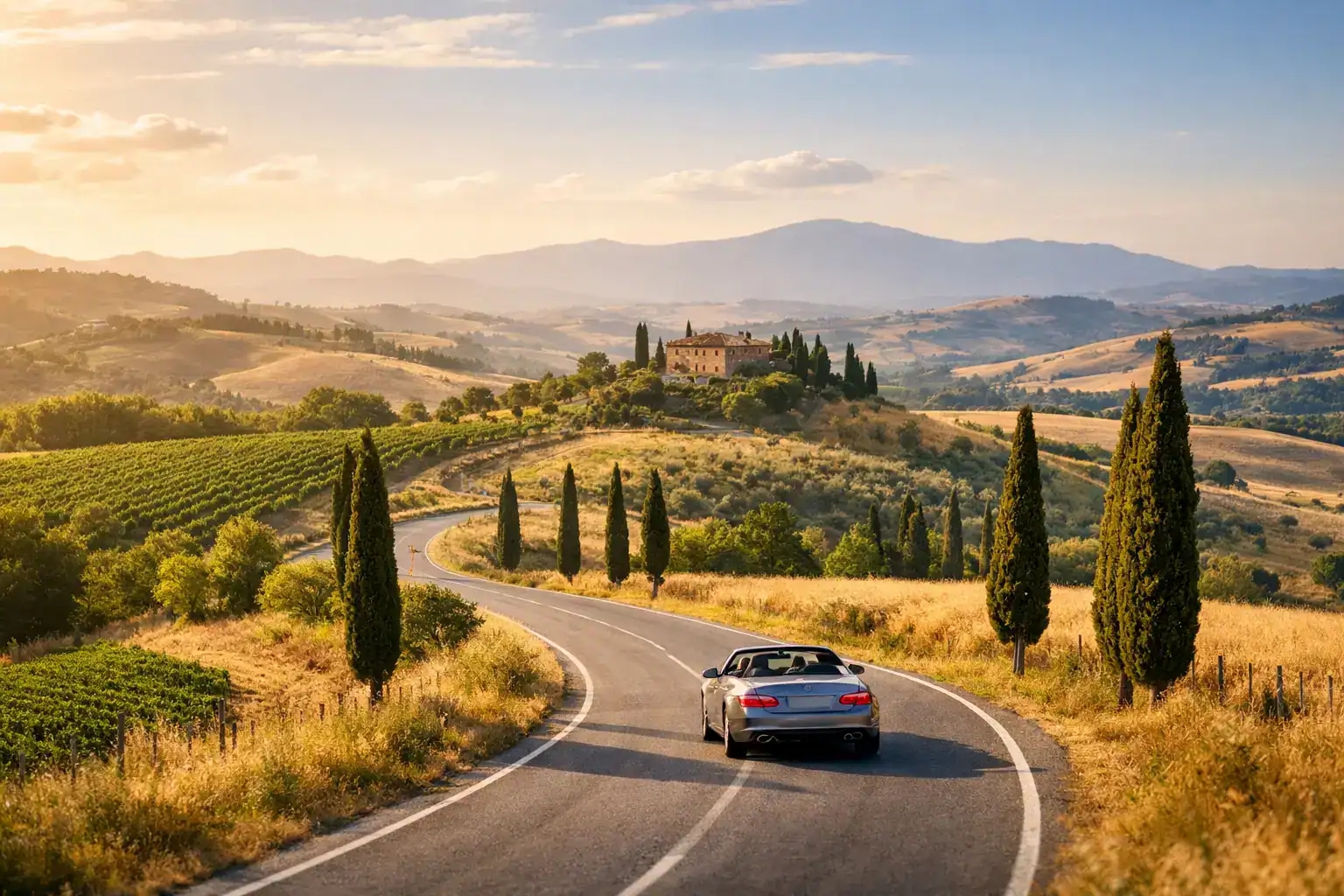
7 Scenic Drives in Tuscany Worth Taking
The first time I took one of the truly scenic drives in Tuscany, I made the classic mistake of assuming the destination would be the best part. Then the road began to curl past cypress-lined ridges, stone farmhouses, rows of vines and little villages sitting high above the fields as if they had been placed there for effect. I arrived late, of course, because every few miles there was another view, another café, another excuse to pull over and stay a while.
That, really, is the charm of driving here. Tuscany is not a place to rush through with a list and a timetable. It rewards the slower traveller – the one happy to stop for a plate of pecorino in Pienza, a glass of Chianti in Greve, or a wander through a village that was not even on the original plan. A good Tuscan road trip is part landscape, part appetite, part daydream.
The scenic drives in Tuscany that stay with you
Some routes are famous for a reason, and some are memorable because they stitch together the details that make this region feel so seductive: vineyards, medieval towns, sun-baked hills, olive groves and the kind of golden evening light that makes everything look impossibly cinematic. These are the drives I would build a trip around.
1. Florence to Siena through Chianti
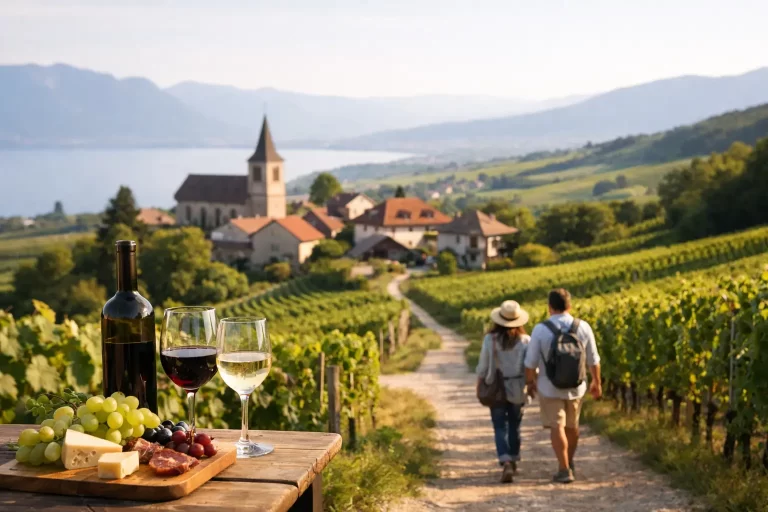
If you want the classic postcard version of Tuscany, start here. The road between Florence and Siena through Chianti is one of those journeys that seems to understand exactly what visitors came hoping to see. Vineyards fold over the hills, cypress trees mark the driveways of old estates, and village squares invite a pause with very little persuasion.
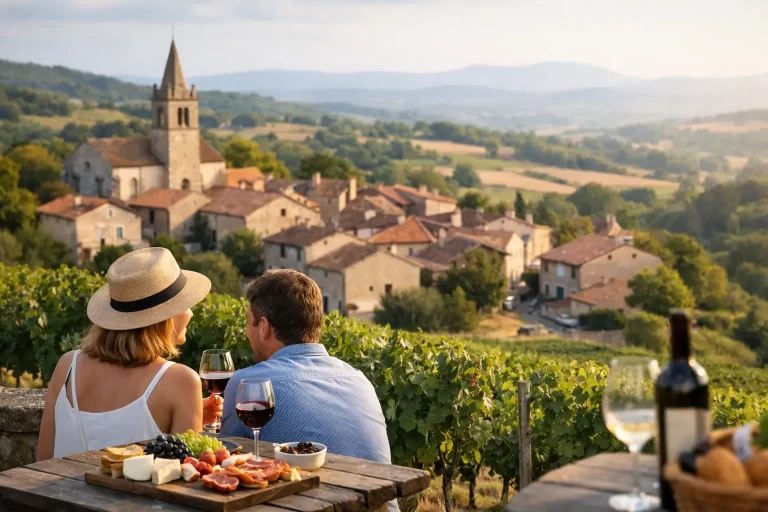
Greve in Chianti is an easy early stop, with its market-square feel and wine-bar energy, but the joy of this route is not about ticking off a single town. It is about meandering through Panzano, Castellina and Radda, each with its own rhythm and view. If you enjoy wine but do not want your trip to become a technical tasting exercise, Chianti is ideal. You can simply sit down, order a local red, and let the landscape fill in the rest of the story.
The trade-off is that this route is no secret. In high season, especially around late morning and lunch, villages can feel busy and parking can test your patience. Go earlier or later in the day and it feels entirely different – quieter, softer, more intimate.
2. Siena to Val d’Orcia via Asciano and San Quirico d’Orcia
This drive has a gentler sort of drama. South of Siena, the scenery opens out into the Crete Senesi and then deepens into the flowing, almost painterly landscapes of Val d’Orcia. The hills become broader, the roads quieter, and the whole experience starts to feel less like sightseeing and more like drifting through a Renaissance backdrop.
Asciano is a lovely place to break the drive, particularly if you like towns that still feel lived in rather than staged. From there, the route towards San Quirico d’Orcia and on to Pienza offers some of the most recognisable views in the region – winding roads, lone farmhouses and those graceful lines in the land that seem to change colour by the hour.
This is one of the best scenic drives in Tuscany for travellers who want space. It suits couples, photographers, and anyone happy with long, quiet stretches between stops. It also pairs beautifully with a bottle of Brunello or Rosso di Montalcino later in the day, though that means choosing a base and leaving the car parked once the driving is done.
3. Montalcino to Montepulciano
This is a drive for anyone who likes their scenery with a side of serious wine country. Montalcino and Montepulciano are both names that carry weight on a wine list, but the road between them is just as persuasive as the cellars. Rolling vineyards give way to hilltop views, and every so often the land opens to reveal one of those broad southern Tuscan panoramas that makes you instinctively lower your voice.
Montalcino itself feels sturdy and elegant, with fortress walls and Brunello signs that remind you what the town is famous for. Montepulciano, on the other hand, has more grandeur and a slightly theatrical beauty, especially as you approach it from below and see the whole town rising from the ridge.
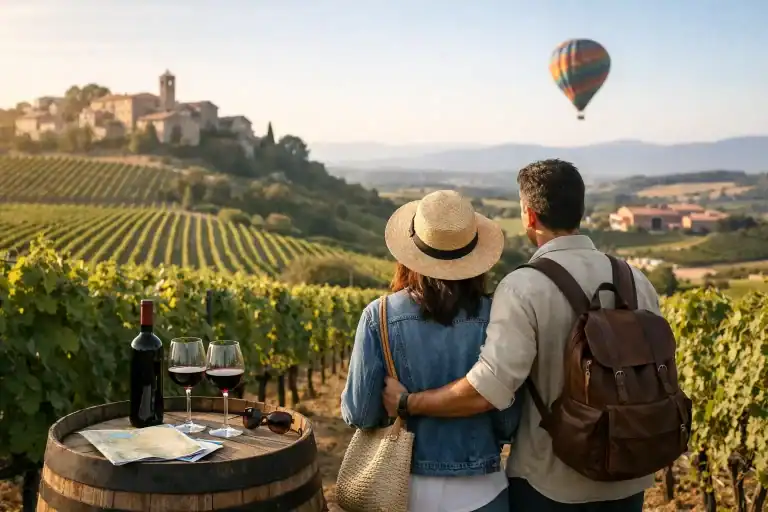
The pleasure of this route is in combining tastings with the road, but it needs a little forethought. If you plan to visit more than one winery, stay overnight or appoint a driver. Tuscany encourages lingering, and this is not a route to rush or treat carelessly.
4. Volterra to San Gimignano
Western Tuscany has a different mood. The landscapes still roll and glow, but there is a wilder, older feel in places, especially around Volterra. Starting there gives you a hill town with Etruscan roots, windy streets and a starker, more dramatic setting than some of the softer vineyard zones further south.
The drive to San Gimignano is not especially long, which makes it perfect for a shorter day out. Yet it delivers plenty – open countryside, olive groves, pockets of woodland and the excitement of watching San Gimignano’s towers appear in the distance. However many photographs you have seen, that skyline still has impact.
This route is especially good if you enjoy balancing famous places with quieter stretches of road. San Gimignano can be crowded, no question, but arriving by car through the surrounding countryside gives it a sense of anticipation that day-trippers often miss.
5. Lucca to the Garfagnana Valley
Not every Tuscan drive needs to be about vineyards. Head north from Lucca towards the Garfagnana and the landscape changes character entirely. The roads begin to rise, the air sharpens, chestnut woods thicken around the hills, and the villages feel less polished, more remote, more rooted in mountain life than wine tourism.
This is a wonderful route if you have already seen the classic Chianti and Val d’Orcia scenery and want another side of the region. It feels greener, quieter and, in some stretches, almost Alpine. Castelnuovo di Garfagnana makes a good base for a rustic lunch, and if the weather is clear the views towards the Apuan Alps are striking.
The compromise is simple: if your heart is set on cypress-lined vineyard scenes, this is not that drive. But if you want a road that reveals Tuscany’s range, it is deeply satisfying.
6. The Crete Senesi loop from Siena
For a shorter outing, the Crete Senesi loop is one of my favourites. South-east of Siena, this area has an almost lunar elegance – pale hills, sparse trees, winding roads and a kind of minimalist beauty that feels very different from the greener parts of the region.
Driving here in the late afternoon is especially lovely, when the light starts to catch the folds in the land and every ridge seems to cast a softer shadow than the last. Small places like Buonconvento or Asciano make easy stopping points, but much of the appeal lies simply in being on the road, windows cracked open, with nowhere urgent to be.
It is not the route for travellers looking for one blockbuster town after another. It is subtler than that. But if you enjoy the meditative side of a road trip, this landscape gets under your skin.
7. The Strada del Vino Nobile around Montepulciano
If you want a drive that combines villages, vineyards and easier wine access, the roads around Montepulciano are a pleasure. The Strada del Vino Nobile threads through countryside that feels both cultivated and generous – vines, olive groves, handsome estates and regular glimpses across the Val di Chiana.
Montepulciano is the obvious anchor, but nearby stops such as Montefollonico or Torrita di Siena can give the day a quieter, more local feel. I like this part of Tuscany for its balance. It offers beauty without always demanding a major detour, and the wine culture feels embedded in daily life rather than performed for visitors.
How to enjoy scenic drives in Tuscany without feeling rushed
The best approach is to resist overplanning. On paper, distances in Tuscany can look short, but travel here unfolds slowly. Roads twist, villages tempt, lunches become long, and viewpoints appear just when you thought you would drive straight through. If you cram too much into a day, the road starts to feel like an obstacle rather than the point of the trip.
It also helps to think in terms of one anchor town and a few flexible stops. Base yourself somewhere like Siena, Montepulciano or Lucca, then explore outward. That way you can enjoy a tasting, linger over supper, and avoid the tiring business of constant hotel changes.
A small practical note matters here too. Some historic centres have restricted driving zones, and parking is often outside the old town walls. That usually adds to the experience rather than detracts from it, because arriving on foot lets the village reveal itself properly. Just wear shoes you are happy to walk in on stone streets and uphill lanes.
And if you can, leave room in the day for one unplanned glass of wine. Not a grand tasting, not a formal event – just a simple local pour at a village enoteca or agriturismo, with the road behind you and the evening settling in. That is often when Tuscany feels less like a destination and more like a memory forming in real time.
If I had one piece of advice, it would be this: choose fewer roads, drive them slowly, and let the small pleasures – the cypress shadows, the vineyard lunch, the quiet village square – do their work.
One Comment
Comments are closed.