
7 Best Wine Regions in Portugal to Visit
A late afternoon in Portugal can change your plans in the best possible way. You stop for one quick tasting, someone points you towards a family-run adega down the road, and suddenly the whole day becomes about hillsides, old stone villages and a second glass you had not meant to order. That is why the best wine regions in Portugal are so compelling – they are not only about what is in the bottle, but about the roads, river bends, tiled towns and long lunches that come with it.
Portugal suits slow travellers unusually well. Distances are manageable, the scenery changes quickly, and even the more famous wine areas still feel rooted in working landscapes rather than polished wine theatre. If you enjoy travelling with a little structure but plenty of room for detours, this is one of Europe’s most rewarding wine countries.
What makes the best wine regions in Portugal worth the trip?
Part of the pleasure is variety. In one journey, you can move from steep schist terraces in the Douro to Atlantic-cooled vineyards near Lisbon, then on to the broad, sun-washed plains of Alentejo. The wines change, naturally, but so does the mood of each region.
That matters because no single area is best for every traveller. Some regions are ideal for dramatic scenery and iconic labels. Others are better for relaxed cellar doors, village stays and that lovely feeling of having wandered somewhere slightly under the radar. Portugal rewards curiosity, not just box-ticking.
Douro Valley
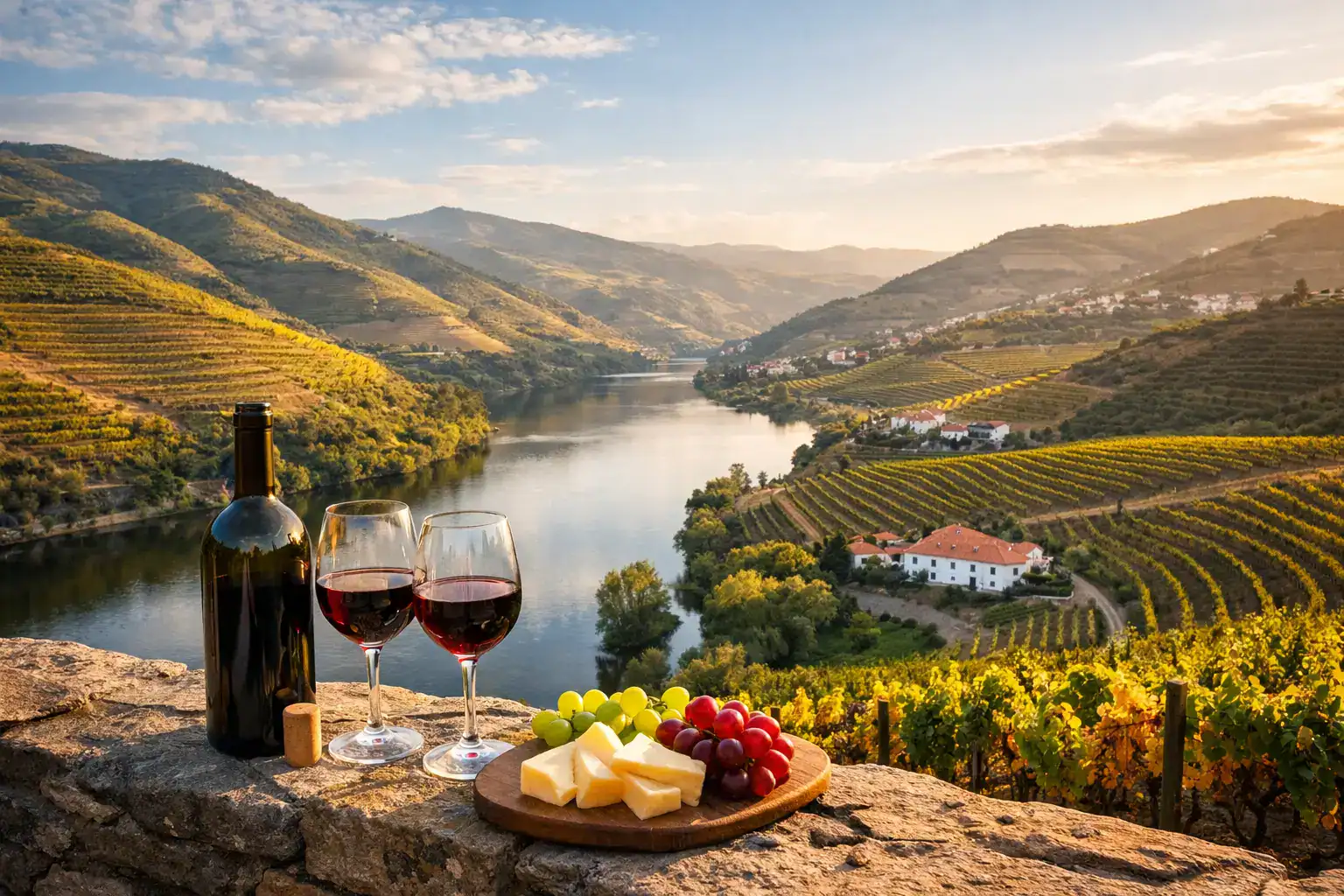
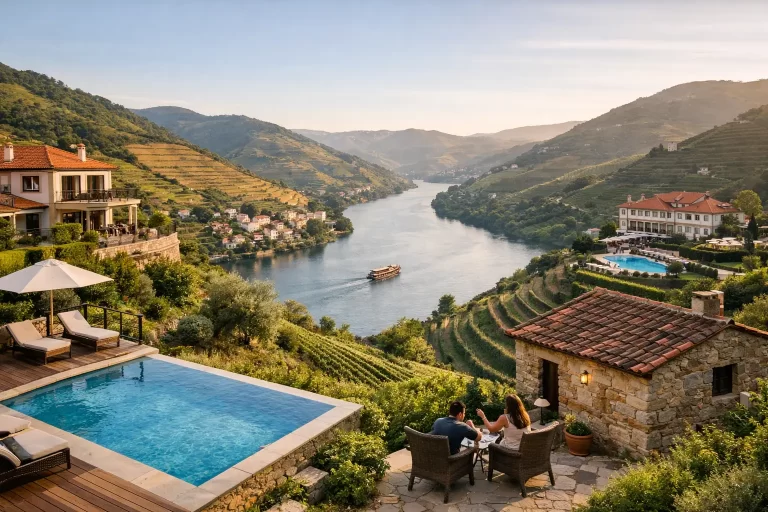
If you have ever seen photographs of Portugal’s vineyard landscapes, chances are they were taken here. The Douro is all curves and contours – terraced slopes dropping towards the river, quintas perched above the water, and roads that make you pull over every ten minutes just to look.
This is the country’s most famous wine region, long associated with Port but now equally exciting for still reds and whites. The reds tend to be deep, structured and full of dark fruit, while whites can be surprisingly fresh and mineral. It is a place where tradition still feels visible in the landscape.
For travellers, the Douro can be magical, though it depends on timing. In high summer, the heat is intense and some areas feel busy. Go in late spring or early autumn and you get a gentler version of the valley – vines lush or turning gold, river light softening by evening, and village cafés that still feel local.
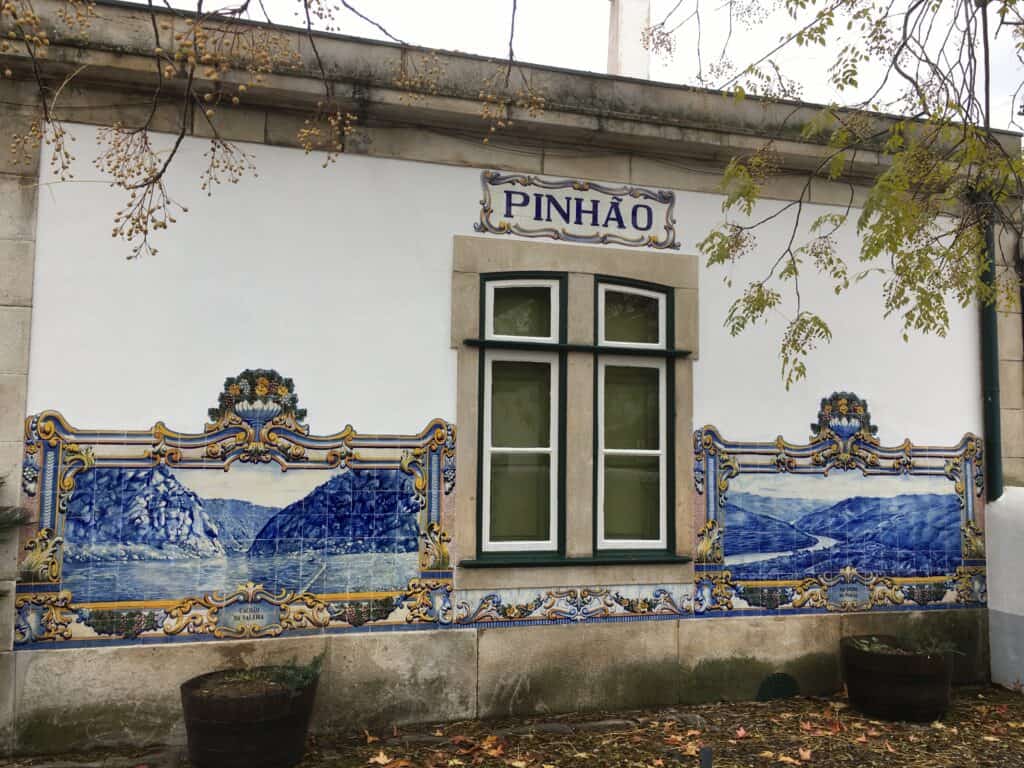
Base yourself around Peso da Régua, Pinhão or a quieter quinta stay if you want mornings with vineyard views and easy access to tastings. This is the region for anyone who wants the full romance of wine travel.
Alentejo
Alentejo feels different from the moment you arrive. The roads stretch wider, the horizon opens up, and the pace slackens. Whitewashed towns, cork oaks, olive groves and sun-baked plains give the region a calm, spacious beauty that suits unhurried travel.
The wines are generous and approachable, which is one reason Alentejo is so easy to love. Expect smooth reds with ripe fruit, warming spice and easy charm, alongside increasingly good whites that hold their freshness better than some people expect from such a hot climate.
What I like most here is how naturally wine fits into the wider trip. You are not only visiting estates. You are pausing in Évora for a proper lunch, driving through hilltop villages, and ending the day somewhere peaceful with swallows darting above the terrace. The region is excellent for couples, road trippers and anyone who wants wine without the intensity of a more famous tasting circuit.
If you prefer polished luxury, you can find it. If you prefer rustic simplicity, you can find that too. Alentejo gives you room to choose your own rhythm.
Dão
Dão often slips under the radar, which is part of its appeal. Set inland, with vineyard areas edged by mountains and forests, it feels quieter and more intimate than the Douro. The landscape is softer, greener and in places almost secretive.
Its wines deserve more attention. Reds, often built around Touriga Nacional and other Portuguese grapes, can be elegant rather than forceful, with floral notes, fine tannins and real ageing potential. Whites are crisp and characterful. If you enjoy wines with restraint and detail rather than sheer power, Dão is deeply satisfying.
The travel experience here is subtle. Instead of big-sky drama, you get granite villages, shaded roads and a sense of local life carrying on around the vines. It is a lovely choice for travellers who want authenticity and fewer crowds. You may not collect as many famous labels, but you may come home talking about Dão with more affection.
Vinho Verde
The name can mislead people. Vinho Verde is not a single wine style so much as a broad, verdant region in the north-west, where Atlantic influence keeps things green and fresh. Yes, you will find the light, lively whites many people associate with summer lunches, but the region is more nuanced than that.
There are refined Alvarinho wines with depth and texture, beautifully crisp Loureiro, and bottles that pair brilliantly with seafood. The overall impression is one of brightness – wines with lift, acidity and a certain breezy charm.
This is also one of the easiest regions to combine with broader travel. You can pair it with Porto, coastal towns or rural manor-house stays. The scenery is gentle rather than dramatic: vineyards trained high, lanes lined with greenery, old stone estates and kitchen gardens. For a relaxed holiday where wine is part of the atmosphere rather than the entire plot, Vinho Verde is a pleasure.
Bairrada
Bairrada deserves a place among the best wine regions in Portugal for one reason alone: it has personality. Located between Porto and Lisbon, and influenced by the Atlantic, it is especially known for robust reds from Baga and for excellent sparkling wine.
Baga can be a demanding grape in the wrong hands, giving wines with grip and acidity, but when handled well it produces something serious and memorable. There is tension to these wines, and that makes them rewarding at the table. Sparkling wines from Bairrada are another joy, particularly if you enjoy travelling with lunch firmly in mind.
And in this region, lunch matters. Roast suckling pig is the classic pairing, and one of those meals that stays with you long after the trip. Bairrada may not have the instant visual drama of the Douro, but it offers something equally valuable – strong local food culture and wines that feel rooted in it.
Colares and the Lisbon wine coast
If you like wine regions with a streak of the improbable, Colares is fascinating. Just outside Lisbon, near the coast, this tiny historic region is shaped by sand, sea air and stubborn survival. Some vineyards are planted in sandy soils so close to the Atlantic that the whole thing feels almost impossible.
The wines are distinctive and not always instant crowd-pleasers, which is precisely why enthusiasts become attached to them. Saline whites and age-worthy reds tell a very local story. This is not the place to go if you only want postcard vineyard views and easy-drinking crowd favourites. It is the place to go if you are curious.
The wider Lisbon wine area makes a practical base for travellers who want to mix city time, beaches and day trips to vineyards. For a first Portugal trip, that flexibility is valuable.
Madeira
Madeira is the outlier, but it belongs in any honest conversation about Portugal’s wine regions. The island itself is dramatic beyond reason – cliffs, terraces, cloud-draped peaks and villages tucked into impossible folds of land. Its fortified wine is one of the world’s great originals.
Madeira wine is not a casual afterthought. Styles range from dry and nutty to rich and sweet, always marked by that extraordinary lifted acidity that keeps the wines alive on the palate. Even travellers who think fortified wine is not for them often change their minds here.
As a destination, Madeira works best if you want wine as part of a broader island journey of walking, sea views and mountain roads. It is less about vineyard-hopping in the classic sense and more about understanding a singular wine culture in a singular place.
How to choose between Portugal’s wine regions
It depends on the sort of trip you want. If scenery is your priority, start with the Douro. However, if you want easy warmth, space and broad appeal, Alentejo is hard to beat. If you like quieter, more nuanced regions, Dão may be your favourite. For freshness and a lighter food-and-wine mood, choose Vinho Verde. For characterful reds and strong gastronomy, look at Bairrada.
There is also a practical question of pace. The most rewarding Portuguese wine trips are rarely the ones that cram in everything. Two regions done well will usually give you more than five done badly. Leave time for the unscripted moments – the village bakery in the morning, the scenic lay-by you had not planned to stop at, the winemaker who pours one extra taste because the conversation has turned to weather, harvests and family.
That, really, is the lasting charm of Portugal. The bottles are excellent, but the memory often begins somewhere else: with the road, the light, and the feeling that you have found a place still happy to reveal itself slowly. If you are choosing where to go next, pick the region whose pace matches your own and let the rest of the journey unfold from there.
Affiliate Disclaimer
This post may contain affiliate links. If you purchase through these links, Vineyards and Villages may earn a small commission at no extra cost to you. This helps keep the blog, narrowboat adventures and ongoing wine research flowing smoothly. Thank you for your support!

3 Comments
Comments are closed.