Wine Travel Europe: Where to Go First
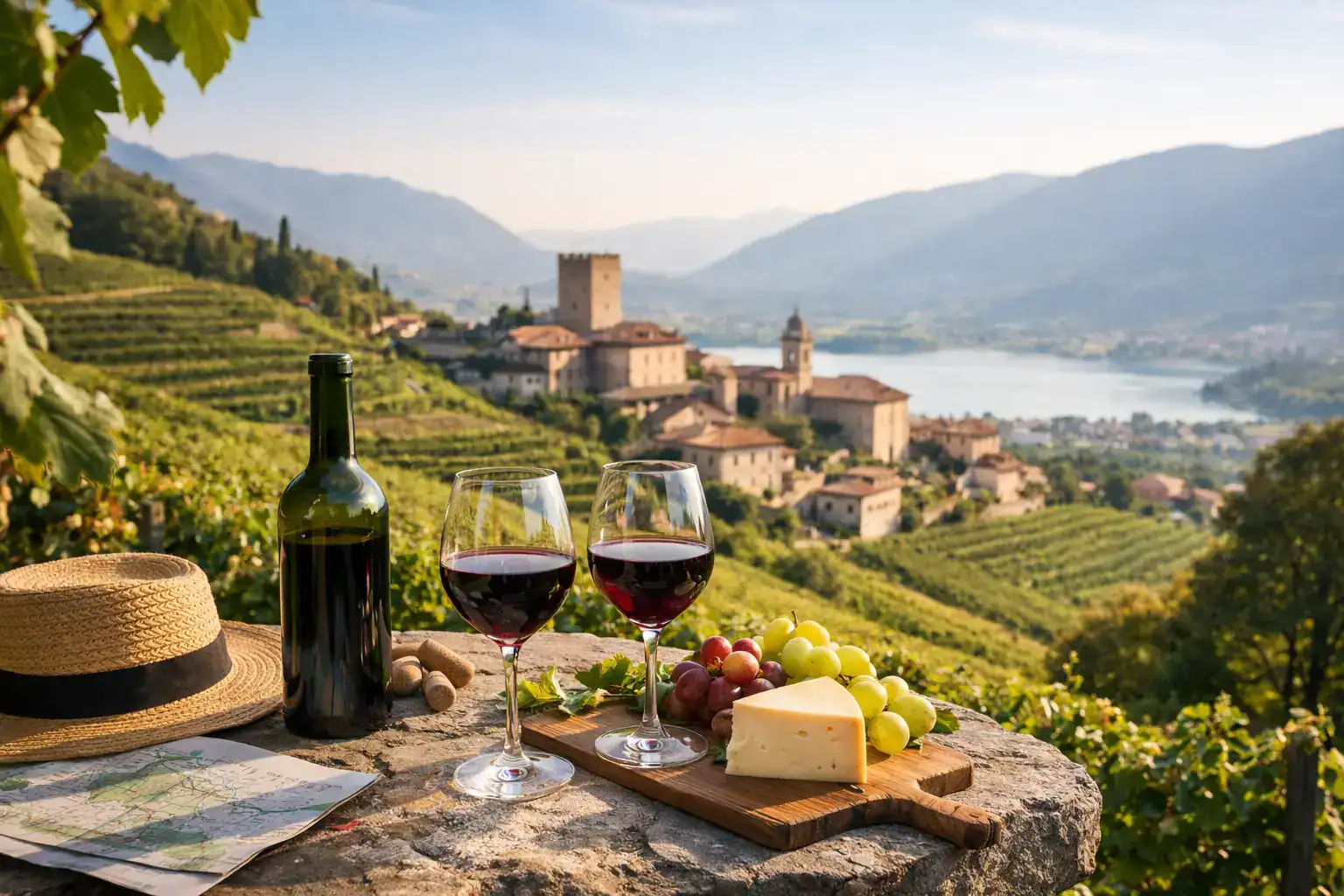
The first glass that really stayed with me in Europe was not in a grand tasting room or under a chandelier. It was on a shaded terrace in a small village, with church bells somewhere behind me and a plate of local cheese arriving just as the sun slipped lower over the vines. That, for me, is the real promise of wine travel Europe offers so well – not just tasting wine, but stepping into the places that made it.
If you are dreaming about a wine-focused trip but do not fancy anything too polished or intimidating, Europe is wonderfully forgiving. You can build a holiday around famous labels if you wish, but some of the loveliest moments happen in lesser-known corners, in family-run cellars, on quiet roads between villages, and at lunch tables where the house wine is better than it has any right to be.
Ppsst! We use NordVPN for total cybersecurity!
Why wine travel Europe feels different
What makes Europe so good for this kind of trip is not simply the quality of the wine. It is the closeness of everything that matters. Vineyards lead straight into villages. Villages lead into markets, bakeries, little squares and long lunches. Even a short drive can change the landscape, the grape varieties and the mood of a place completely.
That matters if you like your travel to feel textured rather than scheduled to death. In many wine regions, you are not commuting between isolated attractions. You are moving through a lived-in landscape where farming, food and local identity still belong to one another. One minute you are looking across terraced vines, the next you are ordering coffee in a square where everyone seems to know each other, and by late afternoon you are tasting a wine that suddenly makes complete sense because you have seen the soils, the slopes and the weather with your own eyes.
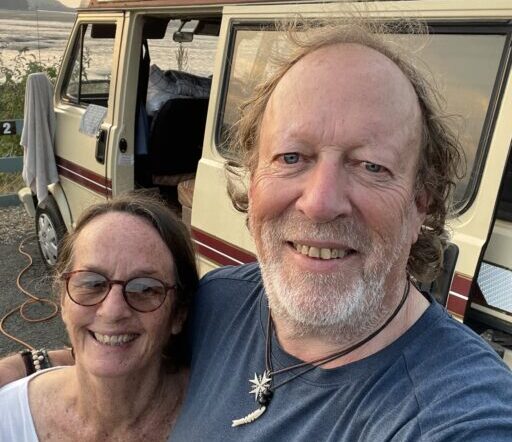
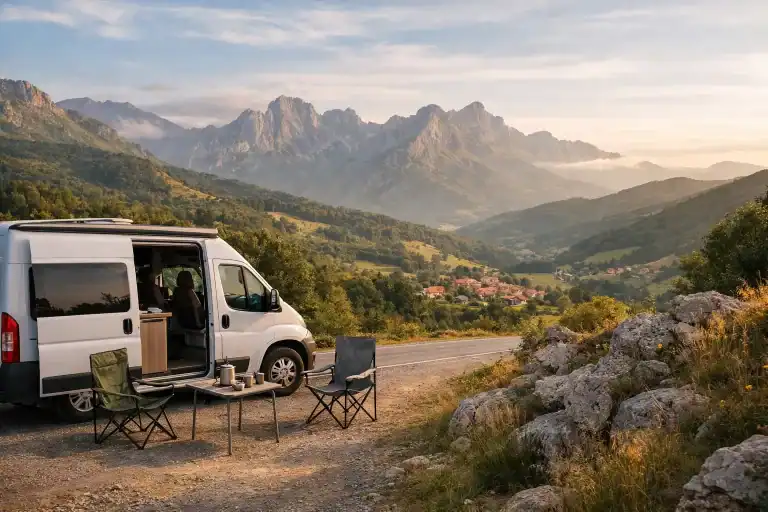
There is also a practical advantage. Europe gives you range. You can do elegant cellar doors and boutique hotels, or you can rent a campervan, keep things flexible and wake up to vineyard views without making a production of it. Neither option is more authentic than the other. It simply depends on whether you want structure or spontaneity.
The best regions for a first wine travel Europe itinerary
For a first trip, I would not try to cram in too much. It is tempting to chase a list of famous names, but wine country is best when you give it time to breathe.
Alsace for storybook villages and easy drinking
Alsace has a way of making even a simple afternoon feel cinematic. The villages are neat and colourful, the vineyards roll gently along the foothills, and the wines are wonderfully approachable. Riesling, Pinot Gris and Gewurztraminer all appear here, often in settings so charming you half expect someone to wheel out a violin.
It is a very good choice if you enjoy wandering on foot, staying in village inns and pairing wine with hearty regional food. The route between villages is scenic without being exhausting, and tasting rooms often feel welcoming rather than formal. The trade-off is that parts of Alsace can feel quite polished, especially in peak season, so timing matters. Late spring and early autumn tend to feel more relaxed.
The Douro for drama and depth
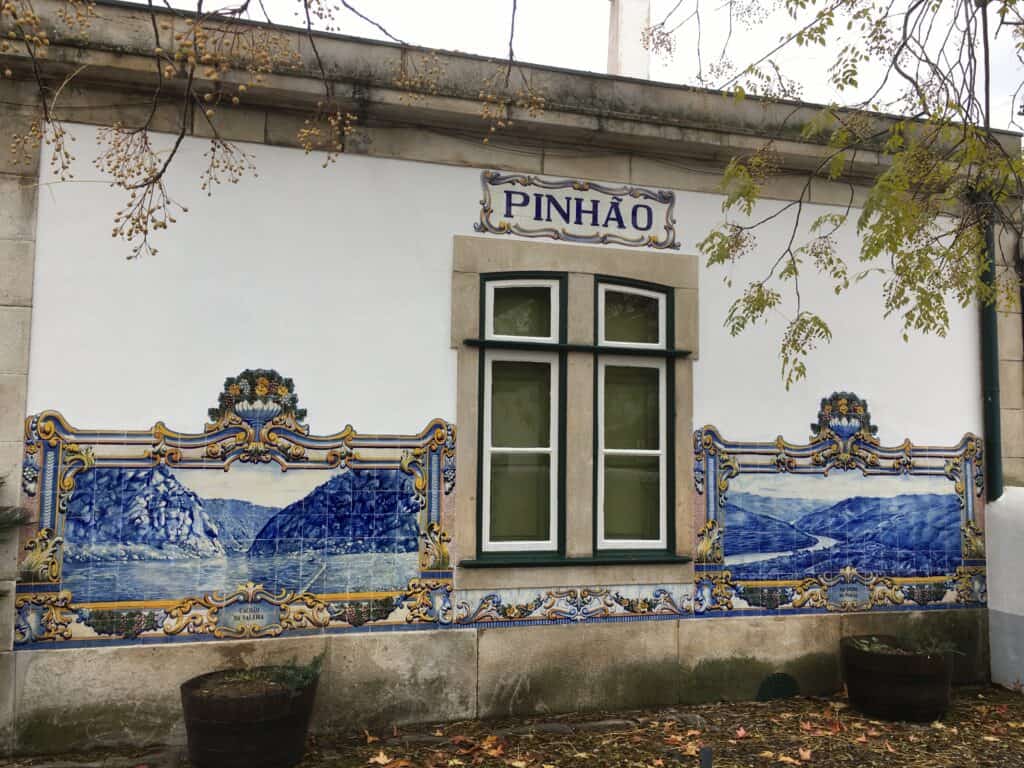
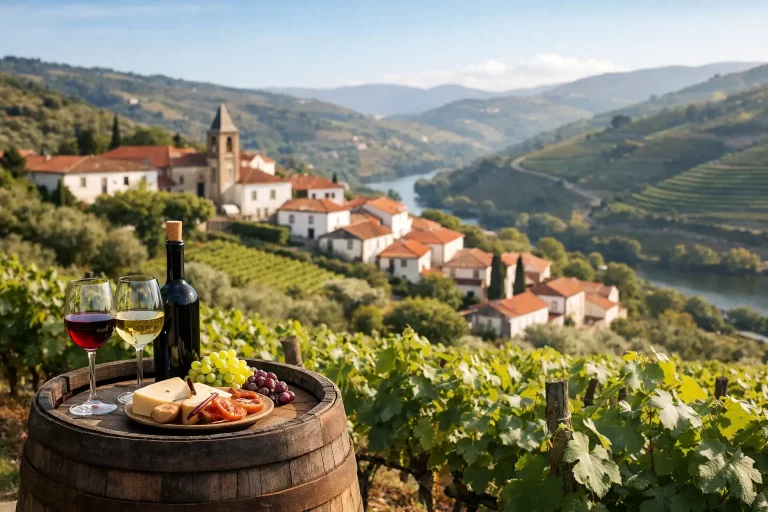
If you like your scenery with a bit of theatre, the Douro in Portugal is hard to forget. The river twists through steep terraces, and the whole region seems built for lingering over a view with a glass in hand. Port is the headline act, of course, but the still wines are increasingly worth your attention too.
This is a region where it pays to slow down. Roads can be winding, distances can feel longer than they look, and the heat in summer is no joke. But if you settle into the rhythm of it, perhaps with two or three nights in one base, the Douro rewards you with those big, hushed landscapes that make everyone at the table go a bit quiet for a moment.
Rioja for balance, flavour and confidence
Rioja is an excellent place for travellers who want recognisable wines without any snobbery. It offers a mix of traditional and modern wineries, lovely towns, strong food culture and a clear sense of place. You can spend the morning in a striking contemporary bodega, then find yourself eating slow-cooked lamb in a medieval town by lunch.
It works especially well for couples or friends who want a balanced trip. There is enough wine content to keep enthusiasts happy, but also enough architecture, scenery and village life to keep it from turning into one long tasting note. If anything, the challenge in Rioja is restraint. It is easy to overbook visits and end up missing the pleasure of simply being there.
Burgundy for those who like detail
Burgundy can be magical, but it is not always the easiest first choice if you want everything laid-back and inexpensive. It suits travellers who enjoy nuance, slower meals, smaller roads and wines that ask for a bit more attention. The villages are beautiful in a quieter, more understated way than some of Europe’s prettier show-offs.
There is real pleasure in drifting between Beaune and the surrounding villages, stopping for lunch, then tasting in cellars where the conversation may veer into soils and parcels and tiny distinctions. If that sounds fascinating, go. If it sounds like homework in a lovely postcode, another region may suit you better.
How to plan wine travel Europe without overdoing it
The biggest mistake on a wine trip is assuming more is more. It rarely is. Two winery visits in a day is often plenty, especially if one includes a proper tasting and a wander around the estate. Any more than that and the day can blur into a polite swirl of glasses, car parks and forgotten names.
Base yourself in one village or small town for at least three nights if you can. That gives you time to find a favourite café, return to a restaurant you liked, and leave space for the kind of detour that turns into the highlight of the trip. The best travel memories are rarely the ones timed to the minute.
If you are driving, be honest about distances and tasting limits. Scenic roads are part of the pleasure, but they are slower than motorways and often far more tiring. If you want a full tasting day, consider booking transport or choosing an area where you can walk between wineries. There is nothing romantic about trying to swirl, sniff and spit while secretly worrying about the next mountain bend.
Season matters too. Harvest can be thrilling, with vineyards full of energy and villages humming, but it is also busy. Summer brings long evenings and gorgeous light, yet some regions become crowded and hot. For many travellers, September and early October strike the nicest balance. The vines are busy, the tables are lively, and the air often has that soft edge that makes another glass at sunset seem like very sound planning.
What makes a wine region memorable beyond the glass
The bottle matters, but it is rarely the whole story. A wine region stays with you because of how it feels to move through it. Perhaps it is the sound of gravel underfoot in a courtyard. Perhaps it is the scent of warm stone after a hot day, or the way the local bread seems designed for the local wine.
That is why I always think food deserves equal billing. The happiest wine travel days often include something simple and regional done exceptionally well – grilled fish by the coast, a stew that suits the weather exactly, a tart from a village bakery, charcuterie that appears with no fuss and disappears alarmingly quickly. Wine tastes better when it belongs to the meal and the place around it.
There is also pleasure in choosing regions that still feel lived in, not staged. The best villages are not perfect museum pieces. They have laundry, market vans, old men chatting on benches, and a general sense that life is happening whether you arrived or not. That grounded feeling is part of the charm. It keeps a wine trip from drifting into performance.
A gentler way to choose your first trip
If you are unsure where to begin, choose by mood rather than prestige. Go to Alsace if you want pretty villages and easy wandering. Choose the Douro if you want dramatic landscapes and a slower, more contemplative pace. Pick Rioja if you want variety and confidence. Head for Burgundy if you enjoy nuance and do not mind doing a bit of homework before you go.
And give yourself permission not to chase every famous bottle. Some of the most enjoyable wines on the road are the modest ones poured in ordinary places, where the pleasure comes as much from the setting as from what is in the glass. That, really, is where Vineyards and Villages always feels most at home.
A good wine trip should leave you with more than purchases and photographs. It should send you home remembering a road, a meal, a conversation, a village square at dusk, and one bottle that now tastes of somewhere rather than simply of itself.
Affiliate Disclaimer
Some links on this blog may be affiliate links. This means that, at no additional cost to you, we may earn a small commission if you make a purchase through those links. We only recommend products, services, destinations, and experiences that we genuinely use, enjoy, or believe may be useful to fellow travellers and narrowboat enthusiasts. Thank you for supporting Vineyards and Villages and helping to keep our adventures afloat.

One Comment
Comments are closed.