
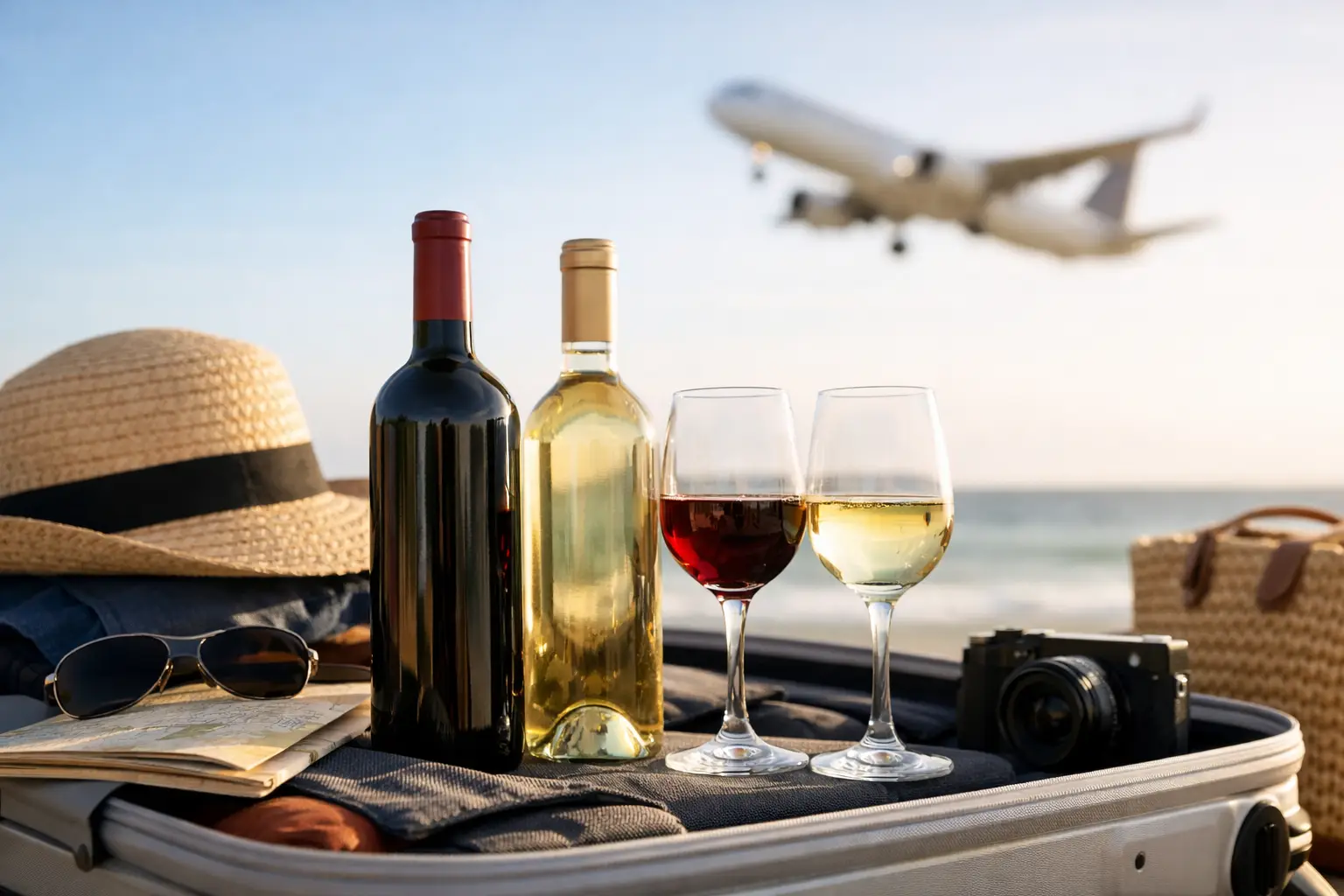
How to Choose Travel Wines That Actually Work
There is a particular kind of disappointment that only happens on holiday. You have found the perfect picnic spot – perhaps a windswept clifftop in Portugal, a shaded riverbank in France, or a campervan pitch with a view of olive trees – and the wine you brought feels all wrong. Too heavy for the heat, too precious for a plastic tumbler, or simply too awkward to carry. If you have ever wondered how to choose travel wines without overthinking it, the answer is less about chasing the “best” bottle and more about matching wine to the rhythm of the journey.
Travel wine has its own job to do. It needs to survive a bit of movement, suit changing plans, and still feel like a pleasure when the table is a fold-out camping one or a park bench with a view. That does not mean lowering your standards. It simply means choosing with context in mind.
Ppsst! We use NordVPN for total cybersecurity!
How to choose travel wines for the trip you are actually taking
The first thing to ask is not red, white or rosé. It is where this bottle will be opened, and under what conditions. A wine for a long lunch in a rented cottage is different from a wine for a beach picnic, and both are different again from something tucked into a campervan cupboard for three days.
If you are driving through wine country and buying as you go, you have more freedom. You can choose local bottles, drink them young, and let the landscape guide you. If you are packing wine from home, though, practicality matters more. Weight, temperature, fragility and food options all start to shape the decision.
This is where many people go slightly wrong. They choose the wine they like in ordinary life, not the wine that makes sense for travelling. A beloved full-bodied red might be glorious by the fire at home, but less charming in a hot lay-by lunch stop with a packet of crisps, some ham and a wedge of Brie trying its best.
Start with style, not prestige
A good travel wine is usually fresh, flexible and forgiving. It should taste good without ceremony. It should not need decanting, strict serving temperatures or a three-course meal to show its better side.
That is why lighter reds, crisp whites and dry rosés tend to travel especially well. Think juicy Pinot Noir, unoaked Garnacha, easy Beaujolais, Picpoul, Albariño, Verdejo, dry Provence-style rosé or a cheerful crémant if you are feeling festive and can chill it properly. These wines suit casual meals, local cheeses, roadside bakery finds and the sort of dinners that appear after a day of walking when nobody can quite be bothered to cook anything complicated.
Prestige is often wasted on the road. Expensive, age-worthy bottles can feel oddly stressful when you are worrying about heat, glassware or whether the corkscrew has vanished into the door pocket. Travel wines are not about showing off. They are about pleasure with a bit of dust on it.
Think about temperature before you think about tasting notes
Heat changes everything. A wine that seemed balanced in a cool kitchen can become flabby, boozy or dull after an afternoon in a warm car. This is especially true in summer or on road trips where the bottle may spend hours being moved around.
If your wine is likely to get warm, lean towards styles that still feel lively with a slight chill. Rosé and white are obvious candidates, but some light reds do well too. A chilled Frappato, a young Loire red or a simple Cinsault can be surprisingly lovely when served cool. Heavy reds and oaky whites are usually less forgiving.
It also helps to be realistic about storage. If you have a proper fridge in a cottage, wonderful. Only a cool bag… better than nothing. If your bottle will spend the day in a boot under the August sun, choose something inexpensive and drink it sooner rather than later.
Packaging matters more than wine purists like to admit
Here is the mildly controversial part: glass bottles are not always the best option. If you are flying with hold luggage, hiking to a picnic spot, or trying not to turn your campervan into a mobile bottle bank, alternative packaging can be extremely sensible.
Cans have improved enormously, especially for simple whites, spritzy wines and rosé. They chill quickly, pack easily and remove the need to finish a whole bottle. Boxed wine, while hardly the darling of romantic vineyard fantasies, can be surprisingly useful for longer stays if you find a good producer. It keeps fresh for longer once opened and is far easier to manage than multiple half-finished bottles rolling around a cupboard.
That said, if part of the joy of travel is opening a bottle from a local vineyard at sunset, a proper bottle still wins on ritual. The trick is not to be snobbish. Sometimes the best wine for the moment is the one that fits in the rucksack and survives the walk.
How to choose travel wines with food in mind
Holiday eating is gloriously inconsistent. One day it is grilled fish by the sea, the next it is supermarket olives, tomatoes, bread and whatever looked appealing at the village market. Because food plans shift, travel wines need to be adaptable.
This is why high-acid wines are often such reliable companions. They cope well with salty snacks, fried bits, soft cheeses, seafood and picnic spreads. Dry rosé is famously versatile for a reason. A zesty white can rescue a meal assembled from odds and ends. Even sparkling wine has a place beyond celebration – it is often brilliant with crisps, shellfish and the sort of holiday nibbles that mysteriously become dinner.
Red can work beautifully too, but usually when kept on the lighter side. A bottle with low tannin and bright fruit is much easier to pair with mixed, informal meals than something dense and structured. If your supper might be chorizo, grilled vegetables and a roast chicken from a local shop, aim for supple rather than serious.
Buy locally when you can, but do it cleverly
One of the great pleasures of travelling through wine regions is drinking what belongs there. Local wine often makes immediate sense with local food, local weather and local pace of life. The white poured in a sunlit square in Sicily will usually feel more right than the famous red you packed from home “just in case”.
Still, buying locally does not mean buying blindly. Tourist-centre shops can be expensive, and vineyard tasting rooms can tempt you into bottles better suited to your cellar than your next picnic. Ask simple questions. What do people drink with lunch? Also, what works slightly chilled? What is good now, not in five years? Most good merchants and producers respond warmly to that kind of honesty.
At Vineyards and Villages, this is often where the magic happens: not in hunting labels, but in finding the bottle that belongs to the road you are on. Sometimes it is the modest village white you almost ignored.
Don’t underestimate practicality
A romantic bottle with a stubborn cork and no opener is just grape-based frustration. Screw caps are your friend when travelling. So are lighter bottles, especially if you are carrying more than one. If glassware is limited, avoid wines that demand lots of swirling and contemplation before they make sense.
It also pays to think about quantity. A couple sharing one bottle over a long lunch is lovely. The same bottle opened for a quick sundowner before driving on the next morning may leave too much left over. Half bottles can be excellent on shorter stops, and canned wine makes more sense than many people admit.
Then there is the matter of breakage. If you are packing wine in a suitcase or storing it in a campervan, wrap bottles properly and keep them low and secure. This is one of those travel lessons best learned from other people’s mistakes rather than your own upholstery.
A simple rule for better travel wine choices
If you are stuck, choose wines with three qualities: freshness, versatility and ease. Freshness keeps a wine lively in warm weather and with simple food. Versatility means it can handle shifting meal plans and informal settings. Ease means it opens without drama, drinks well without fuss, and feels enjoyable rather than precious.
That might sound unromantic, but the opposite is true. The right travel wine leaves room for the romance of the place itself. You notice the swallows over the vineyard, the church bells in the village, the smell of pine after a hot afternoon. You are not busy apologising for a poor pairing or trying to chill an overambitious bottle in a sink full of melting ice.
The best travel wines are not necessarily the ones you remember by name. They are the ones that fit the moment so well that the whole evening feels complete. So next time you pack a bottle for the road, choose the wine that suits the map, the weather and the meal in front of you. Your holiday self will thank you, ideally with a proper glass, but happily enough without one.





One Comment
Comments are closed.