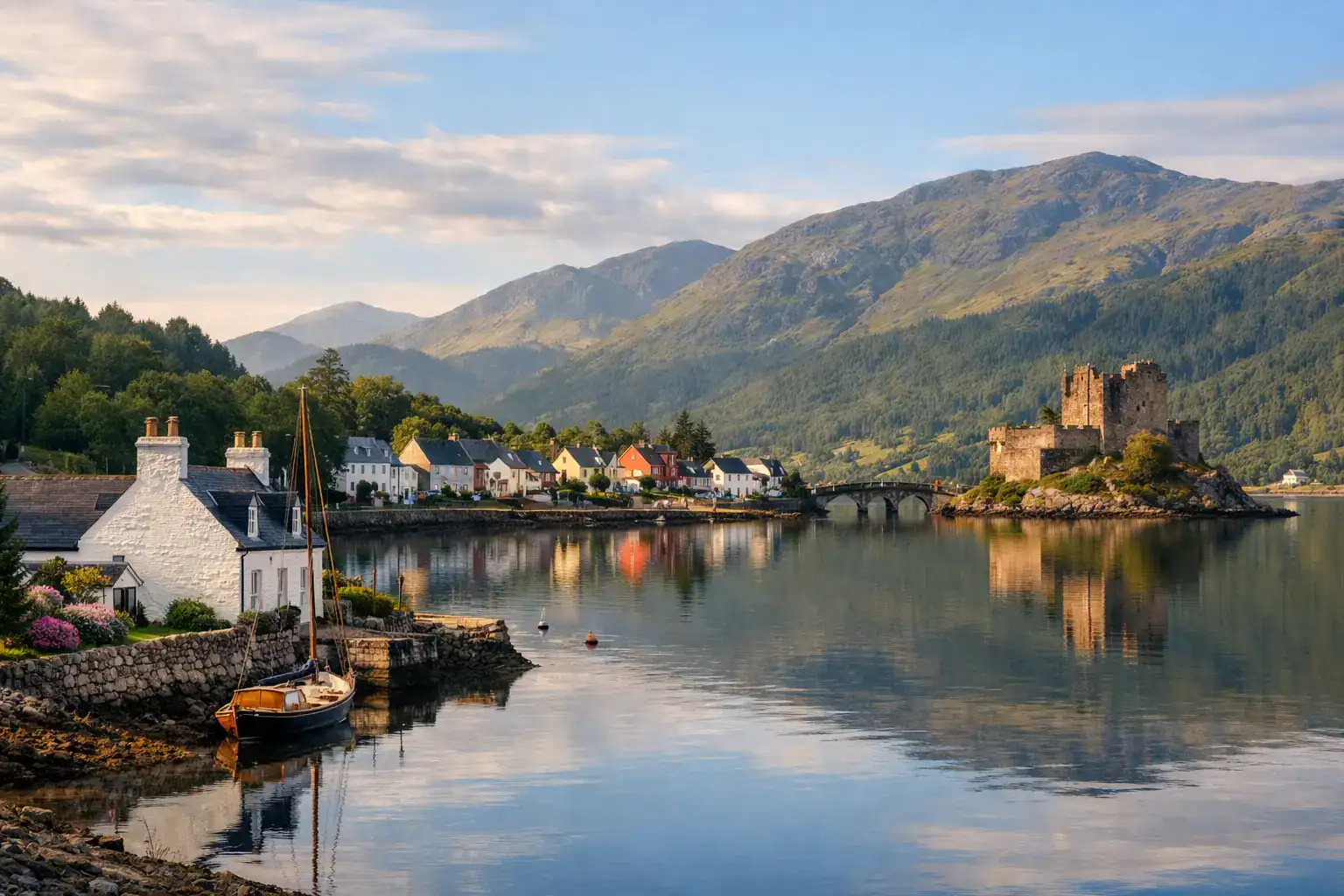
12 Beautiful Villages to Visit in Scotland
A Scottish road trip has a way of making even the timetable feel romantic. One minute you are following a ribbon of road beside a loch, the next you are parked beside a stone cottage, watching rain slide softly across a pub window with a plate of something buttery on the way. The best villages to visit in Scotland are not simply pretty stopping points. They are places to linger, walk without a plan, and order one more drink because the fire is lit and nobody is in a hurry.
For travellers who prefer a slow, flavour-led holiday, Scotland rewards curiosity. Its villages offer seafood pulled from nearby waters, bakery windows full of shortbread, tiny galleries, excellent pubs and, of course, a generous supply of whisky. Wine may not be the local agricultural star, but a thoughtfully chosen bottle beside a Highland supper can still feel exactly right.
12 villages to visit in Scotland for a slower trip
Plockton, Highlands
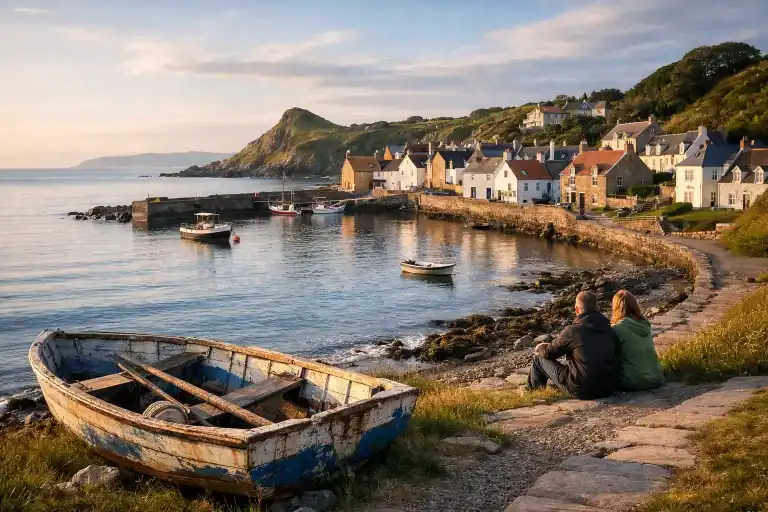
Plockton is the sort of place that makes first-time visitors check they have not accidentally driven into a film set. Palm trees line the waterfront, boats bob in the sheltered bay, and the surrounding hills give the whole village an almost theatrical backdrop. It is a lovely base before or after crossing to Skye, especially if you want the drama of the west coast without sleeping in the island’s busiest hubs.
Book a waterside meal if you can and lean into local seafood. A crisp, mineral white wine is a fine companion to scallops or langoustines, though a local gin and tonic has its supporters too.
Braemar, Aberdeenshire
In the heart of the Cairngorms, Braemar feels built for people who pack walking boots alongside something decent to drink at dinner. It has Highland character without becoming a caricature: stone buildings, independent shops, a historic castle nearby and a wonderfully wild setting that changes colour with every season.
Come in autumn for copper hillsides and clear mornings, or in winter when the village feels especially cosy. This is a place for a long hike followed by a pub supper and a warming dram, preferably one you did not have to pronounce correctly on the first attempt.
Portree, Isle of Skye
Portree is technically a town, but its harbour has the intimate, salt-air charm many travellers seek from a Scottish village stop. Its row of colourful houses, reflected in the water on a still morning, has become an icon of Skye for good reason. The town makes a practical base for exploring the island’s great landscapes, while still offering cafés, restaurants and a little evening life.
The trade-off is popularity. In high season, book accommodation and dinner well ahead. Visit early or stay a couple of nights, then use the quieter morning hours to enjoy the harbour with coffee in hand.
Shieldaig, Wester Ross
Shieldaig sits on Loch Torridon, looking across still water towards mountains that seem to rise straight from the shore. It is small, handsome and wonderfully removed from the urge to tick off attractions. A gentle waterside walk, a pint or dram at the inn, and the changing light over the loch can easily fill an afternoon.
This is one for campervan travellers and anyone who understands that a good view deserves time. The roads in Wester Ross are spectacular but can be narrow, so drive patiently and leave room for sheep, cyclists and fellow travellers doing their best with a reversing manoeuvre.
Killin, Perthshire
Killin is best known for the Falls of Dochart, where water rushes around small rocky islands beside the village. It is an energetic, memorable sight, especially after rain, but the charm here extends beyond the falls. The village sits at the western end of Loch Tay, with Highland scenery close at hand and a welcoming, lived-in feel.
It is a natural pause on a Perthshire road trip. Bring a picnic for the lochside, browse locally made treats, then settle in for dinner. A light red with a game dish works beautifully when the weather turns cool.
Culross, Fife
Culross looks like it has held on tightly to another century. Its ochre-painted palace, cobbled lanes and leaning old cottages have made it a familiar screen location, but it remains far more than a backdrop. Set beside the Firth of Forth, it invites the kind of wandering where every alley seems to contain a pleasing doorway or flower-filled garden.
Visit on a weekday if possible, when the village is quieter. Pair it with a day in Fife’s fishing villages, then stop for a relaxed lunch rather than racing on to the next landmark.
Pittenweem, Fife
Pittenweem is one of the East Neuk villages that makes a compelling case for leaving the car parked. Whitewashed houses tumble towards a working harbour, fishing boats still bring purpose to the waterfront, and the sea air sharpens the appetite nicely. It feels creative too, with artists’ studios and small galleries adding colour beyond the painted doors.
Order fish and chips by the harbour, then walk the coastal path towards neighbouring Anstruther or St Monans. This is less about grand Highland wilderness and more about the gentle pleasure of sea views, good food and a perfectly paced afternoon.
Dunkeld, Perthshire
Dunkeld has the River Tay at its feet, the remains of a grand cathedral at its centre and the great trees of The Hermitage nearby. It is an elegant village with enough shops and cafés to make an easy day of it, yet it never loses its woodland-and-river atmosphere.
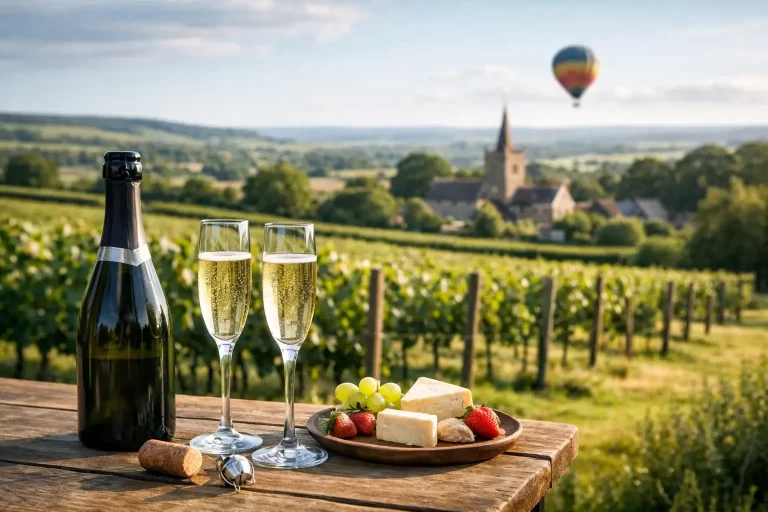
For wine-minded travellers, this is one of the easier villages in which to assemble a civilised picnic. Pick up bread, cheese and something drinkable, then find a peaceful spot by the river. Just keep an eye on the weather. Scotland can offer four seasons before the cork is out.
Tobermory, Isle of Mull
Tobermory’s bright harbourfront is joyful even beneath a grey sky. The painted buildings are cheerful, the bay is busy with boats, and Mull beyond the village offers eagles, beaches, rugged coast and a palpable sense of being somewhere properly offshore.
It works best as a two- or three-night stay rather than a hurried ferry-day visit. Mull’s roads ask for patience, and the island is much more enjoyable when you allow space for an unplanned beach stop, a wildlife boat trip or a leisurely seafood dinner by the harbour.
Applecross, Wester Ross
The drive to Applecross via Bealach na Bà is legendary, with hairpin bends and vast views that can make even experienced drivers grip the wheel a little tighter. In poor weather, or if you dislike steep mountain roads, use the gentler coastal route instead. Either way, the reward is a tiny coastal community with enormous scenery.
Applecross is about the elemental pleasures: sea air, mountains, local shellfish and the satisfaction of arriving somewhere that feels beautifully far away. Stay overnight if you can. Watching the light fade over the Inner Sound is much better than immediately turning around.
Eddleston, Scottish Borders
South of Edinburgh, Eddleston offers a softer version of Scotland: green hills, old stone buildings and a peaceful Borders rhythm. It is ideal for travellers building a route through Peeblesshire, especially those who want country walks and pub lunches without the long drive north.
The Borders are often overlooked by visitors chasing the Highlands, which is precisely part of their appeal. Here, a slow afternoon can mean browsing a farm shop, taking a riverside walk and enjoying a bottle of wine with dinner while the countryside settles into evening.
Wigtown, Dumfries and Galloway
Wigtown is Scotland’s National Book Town, and it has the handsome, slightly eccentric atmosphere that title promises. Bookshops sit among traditional buildings, while the nearby coast and wide Galloway landscapes make a useful reminder that reading and rambling belong in the same holiday.
Come with room in the car for second-hand finds. The village suits rainy days particularly well, when there is no guilt whatsoever in spending an hour searching shelves before retreating to a café. Add a local cheese board and a glass of red later, and the weather becomes part of the plan.
Let the village set the pace
The secret to travelling well through Scotland is resisting the temptation to cover too much ground. Choose two or three villages, rather than eight overnight stops, and let each one offer its own small rituals: a harbour walk before breakfast, a chat with a shopkeeper, a late lunch beside the fire, a final look at the water with a glass in hand.
The grand landscapes will be there, naturally. But it is often the village moments that follow you home: salt on your coat in Pittenweem, peat smoke in Braemar, the first glimpse of Plockton’s palm trees, and the happy realisation that the best route was the one with time to spare.
Affiliate Disclaimer
Some links on this blog may be affiliate links. This means that, at no additional cost to you, we may earn a small commission if you make a purchase through those links. We only recommend products, services, destinations, and experiences that we genuinely use, enjoy, or believe may be useful to fellow travellers and narrowboat enthusiasts. Thank you for supporting Vineyards and Villages and helping to keep our adventures afloat.