
A Review of Easy Drinking Red Wines for Travel
There is a particular sort of red wine that earns its place in a campervan cupboard: not the grand bottle that demands a decanter, a steak and a serious face, but the one opened at dusk beside a village square. This review of easy drinking red wines is for those bottles – generous, unfussy and full of enough character to make a plate of local cheese, a paper bag of cherries or a simple pasta supper feel like an occasion.
Easy drinking does not mean bland, sweet or somehow less worthy. It means a wine with a soft landing: moderate tannins, fresh fruit, sensible alcohol and no need for a glossary before the first sip. These are reds made for conversation, for holiday cooking in a small rented kitchen, and for the wonderfully imperfect picnic where the baguette is squashed but the view is magnificent.
What makes a red wine easy to drink?
The quickest clue is how the wine feels after the first sip. Heavy tannin can leave your mouth dry and fuzzy, while too much oak can turn a bright evening into a lecture on vanilla cupboards. Easy reds tend to be fruit-led, fresh and lightly structured. Think red cherries, raspberries, plums and gentle spice rather than dense black fruit, smoke and a finish that stays until Tuesday.
Alcohol matters too. A red at 12.5% or 13% is often more relaxed at lunch than one pushing 15%, particularly beneath a Mediterranean sun. That is not a rule carved into a winery wall – some fuller wines are beautifully balanced – but it is a useful nudge when choosing a bottle for a long, lazy meal.
Serving temperature is the small trick many of us forget. Most light and medium-bodied reds are lovelier with a brief chill, around 14-16°C. Fifteen minutes in a fridge, or a cool box if you are on the road, brightens the fruit and makes the wine feel more refreshing. Please do not serve it icy cold. We are seeking a breeze, not a Bordeaux slushie.
A review of easy drinking red wines by style
Rather than crowning one bottle the winner, it makes more sense to look at the styles that repeatedly deliver pleasure without ceremony. Availability varies by country and vintage, but these wines are widely worth seeking out.
Beaujolais: the cheerful picnic companion
Good Beaujolais, made from Gamay in the hills north of Lyon, is one of the most reliable routes to a light-footed red. Basic Beaujolais can be juicy and straightforward; Beaujolais-Villages usually brings a little more depth; and the ten named crus offer distinct personalities without necessarily becoming heavy.
For pure easy-going charm, look for Fleurie or Chiroubles. Fleurie often has floral perfume, silky red berry fruit and a softness that suits roast chicken, charcuterie and a roadside lunch that has accidentally lasted three hours. Chiroubles is often lighter and more lifted, a fine match for warm weather. Morgon and Moulin-à-Vent can be more structured, so they are brilliant wines but not always the breeziest choice for this particular brief.
The trade-off with Beaujolais is that its delicacy can be missed if served too warm or paired with a heavily spiced dish. Give it a light chill and something savoury but not overpowering, and it becomes enormously persuasive.
Valpolicella: Italy’s easy answer to pasta night
In Veneto, the simple Valpolicella style is a world away from the rich, high-alcohol drama of Amarone. It is usually made with Corvina-led blends and brings sour cherry, dried herbs, a slight bitter-almond note and the kind of brightness that makes you reach for another forkful.
This is the red to open with tomato-based pasta, aubergine parmigiana, pizza or a plate of cured meats bought from a tiny alimentari with a bell above the door. It has enough Italian character to feel rooted in place, yet it asks very little of the drinker.
Read the label carefully. Valpolicella Ripasso is fuller, darker and more warming because of extra contact with Amarone grape skins. It can be delicious with a wintry supper, but for an easy summer red, choose classic Valpolicella or Valpolicella Classico instead.
Côtes du Rhône: generous, peppery and sociable
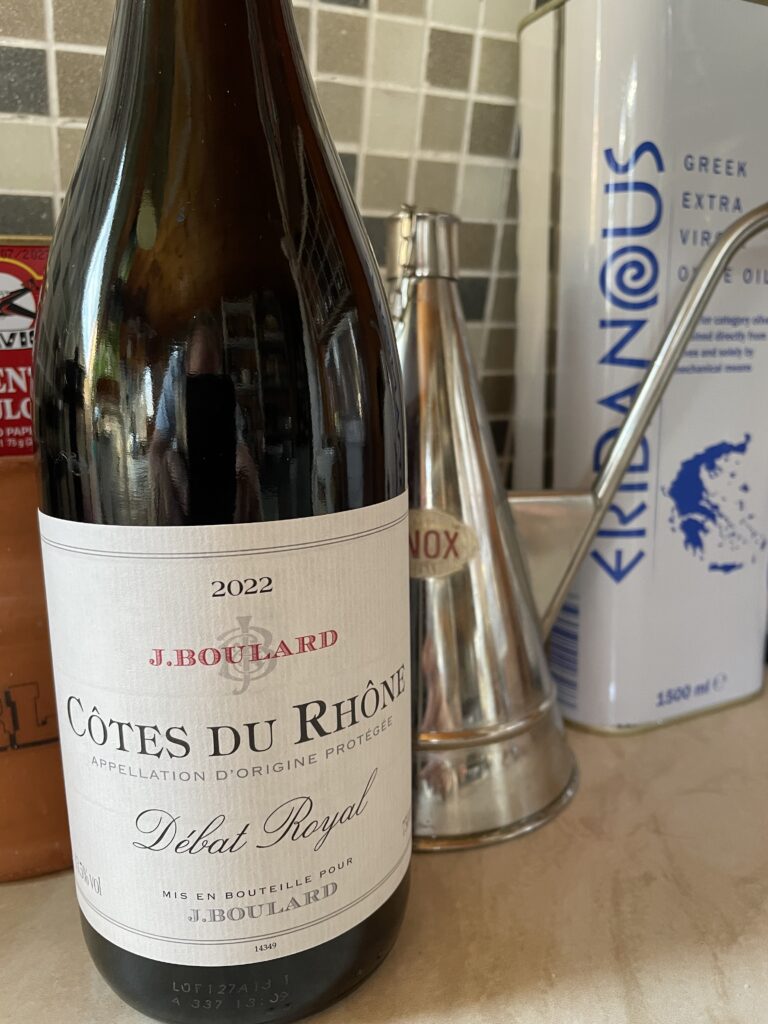
A straightforward Côtes du Rhône is one of the best all-rounders on a wine list. Grenache usually supplies ripe red fruit and warmth, while Syrah brings pepper and a darker edge. The result is often soft, plummy and familiar, with enough herb-scented Southern French charm to carry grilled sausages, lamb, ratatouille or a cheese board.
It is less delicate than Beaujolais and less zippy than Valpolicella, but that is precisely its advantage when dinner is cooked over a campsite grill or involves lots of rosemary. Look for bottles around 13-14% alcohol and avoid assuming that a higher price always means more pleasure. The most lavishly extracted example may be impressive, but the modest, juicy bottle is often the one emptied first.
Rioja Joven: Spain in a glass, without the furniture polish
Rioja can sometimes be associated with American oak, coconut and sweet spice. Lovely when you want it, certainly, but not everyone wants their Tuesday supper to taste as though it has been stored in a very elegant chest of drawers. Rioja Joven, or younger Rioja with little or no oak influence, offers a fresher route in.
Usually based on Tempranillo, it gives strawberries, cherries, a savoury earthiness and gentle tannin. It is particularly good with tapas-style eating: tortilla, jamón, grilled peppers, chorizo or mushrooms slicked with olive oil. Crianza Rioja can also work well if the oak is discreet, but Joven is the safer choice for drink-now ease.
Sicilian Frappato: the bottle for warm evenings
Frappato is one of those wines that can make a person wonder why they ever believed red had to be serious. From Sicily, it is pale in colour, fragrant and packed with strawberry, pomegranate, dried flowers and lively freshness. It is often the red I would choose for a warm terrace supper, especially with grilled tuna, caponata or a bowl of olives and salty ricotta.
Its gentle structure means it can be lightly chilled, and it feels wonderfully at home beside the bright flavours of southern Italy. The caveat is that Frappato’s perfume and light body may seem too slight beside a big steak or a rich casserole. Save it for food with sunshine in it.
Pinot Noir: choose brightness over ambition
Pinot Noir can be ethereal, expensive and occasionally rather disappointing, which is a lot to ask of one grape. Yet a well-made, modestly priced Pinot from cooler parts of France, Germany, New Zealand or England can be among the most graceful easy-drinking reds around.
Look for a light to medium body, red cherry fruit, subtle earthiness and restrained oak. It works beautifully with duck, salmon, mushroom dishes and soft cheeses. German Spätburgunder is especially worth a look: often fine-boned and fresh, it is a natural partner for a riverside evening or a supper after a day cycling through vineyard country.
The compromise is price. Pinot’s charm can cost more than Gamay or Côtes du Rhône, and cheap versions can be thin rather than elegant. If the budget is tight, Beaujolais frequently offers a more dependable bottle-for-bottle return.
How to choose a bottle without overthinking it
When standing in front of a shelf, seek words such as fresh, juicy, vibrant, light-bodied or unoaked. Grapes including Gamay, Barbera, Frappato, Pinot Noir and lighter Tempranillo blends are sensible starting points. Regions also give helpful clues: Beaujolais, Valpolicella, Sicily and the simpler end of the Rhône are friendlier territory than labels boasting power, reserve status or lengthy barrel ageing.
Then choose for the meal and the mood. A chilled Beaujolais is ideal for a cheese-and-charcuterie picnic. Valpolicella belongs beside pasta. Côtes du Rhône can cope with the barbecue. Frappato is magic when the air is warm and supper is built around vegetables, fish and olive oil. A good bottle does not have to be the most complicated thing on the table; the village church bells, the dusty walking boots by the door and the company have plenty to say as well.
Next time you are packing for a rural escape, leave room for a red that is ready when you are. Open it a little cooler than usual, pour it into whatever glasses are available, and let the place do the rest.