
A Guide to Portuguese Food Culture
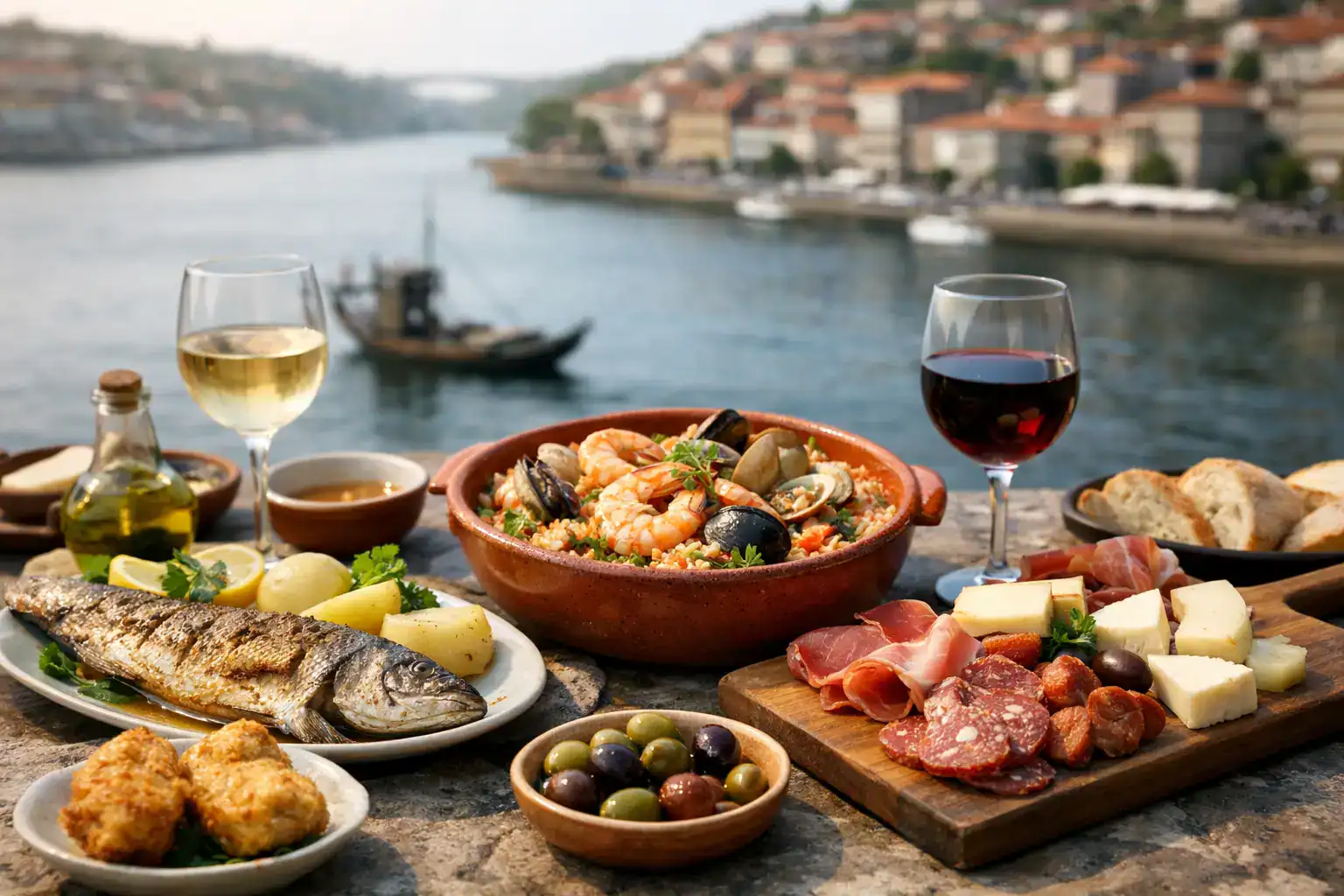
The first time I understood Portuguese food culture properly, I was sitting at a simple table near the Atlantic with grilled sardines arriving faster than conversation. The plates were plain, the seasoning barely more than salt, olive oil and smoke, and yet everything tasted intensely of place. If you want a real guide to Portuguese food culture, that is where to begin – not with fine dining, but with the quiet confidence of ingredients that do not need much fuss.
Portugal eats with a kind of grounded pride. The food is generous without being flashy, shaped by the sea, by village traditions, by old trade routes, by family recipes, and by a national habit of making everyday meals feel like they matter. For travellers who enjoy discovering a destination through markets, taverns, wine glasses and long lunches that somehow drift into evening, this is a very good country to arrive hungry in.
What makes Portuguese food culture distinctive
Portuguese cooking tends to be honest rather than theatrical. You notice freshness first, then texture, then those small details that make one humble dish memorable – a peppery olive oil, a charcoal edge on fish, the sweetness of a slow-cooked onion base. There is seasoning, certainly, but rarely in a way that bullies the main ingredient.
That restraint can surprise people. If your idea of southern European food leans towards piles of herbs, dramatic sauces and endless garnish, Portugal may seem almost shy at first. It is not shy. It is precise. A plate of dourada grelhada, simply grilled sea bream, can tell you just as much about a coastline as a complicated tasting menu ever could.
There is also an old-world practicality running through the cuisine. Bread, rice, beans, preserved fish, pork, cabbage and potatoes all appear often, because these are foods built around making things stretch, around feeding households, around respecting what the land and sea provide. The result is comforting, but not dull. It feels lived in.
A guide to Portuguese food culture by region
One of the pleasures of eating across Portugal is how much the mood changes from region to region. The country is compact enough for a road trip, yet the table shifts noticeably as you move.
The north – hearty, rich and unapologetic
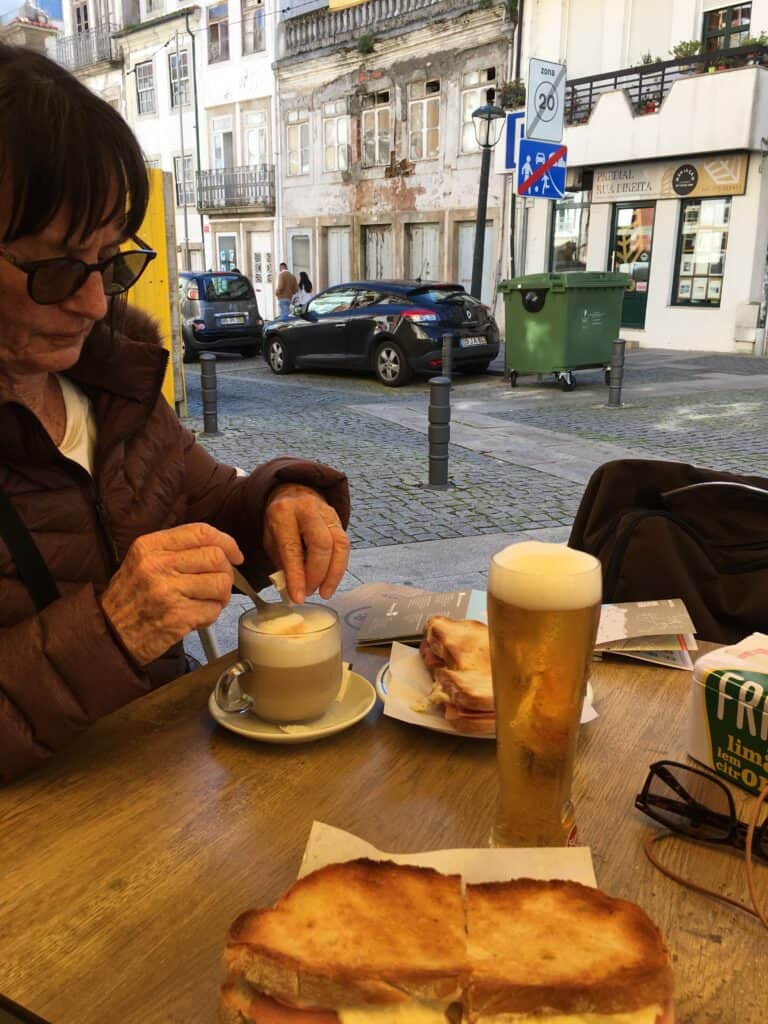
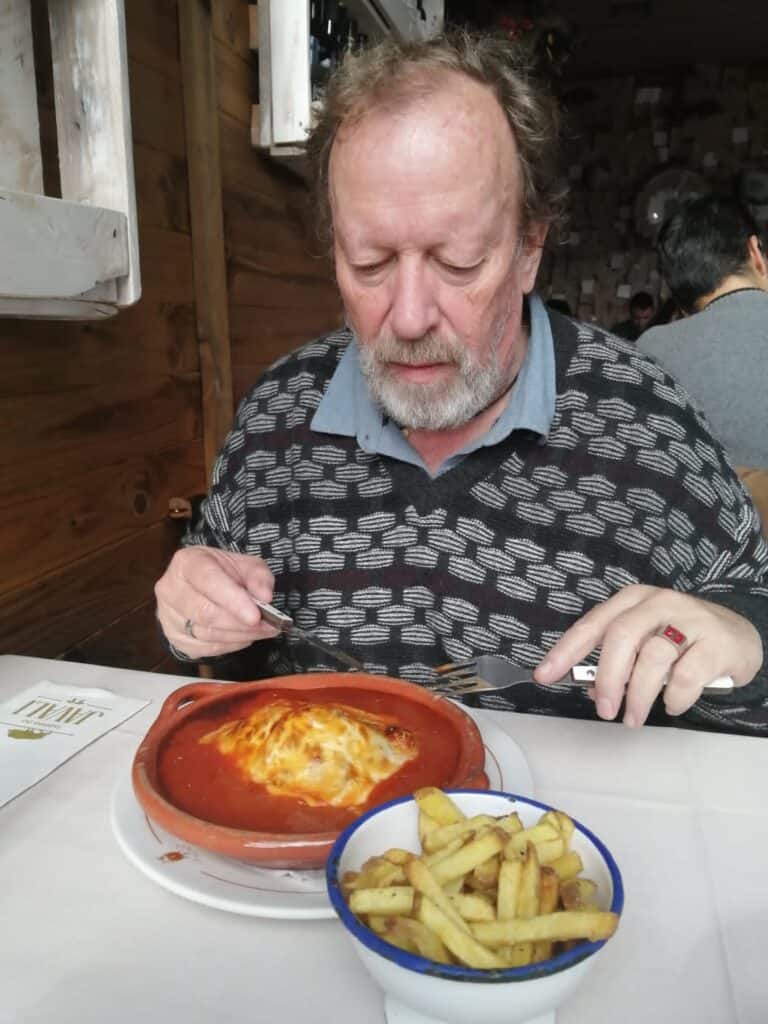
In the north, food can feel sturdier and more indulgent. Porto and the Minho region are home to dishes with weight and warmth, meals that seem designed for rainy afternoons and robust appetites. You will meet francesinha here, Porto’s famously excessive sandwich layered with meats, covered in melted cheese and drenched in a beer-based sauce. It is not subtle. It is also rather wonderful when approached with proper respect and, ideally, a nap afterwards.
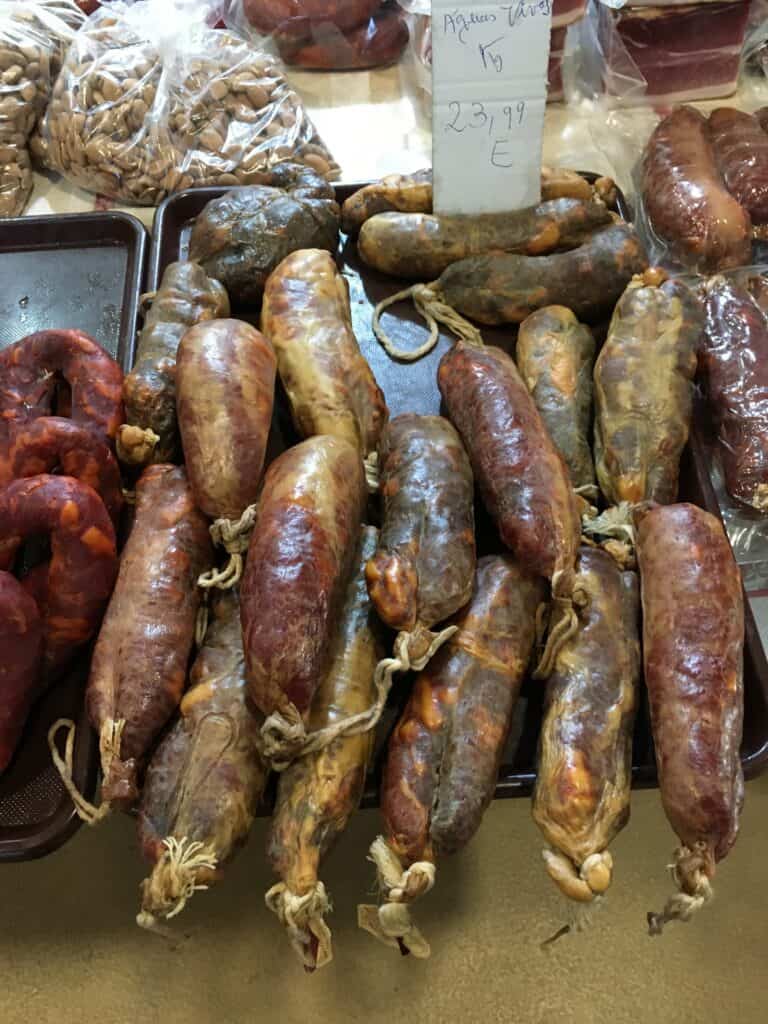
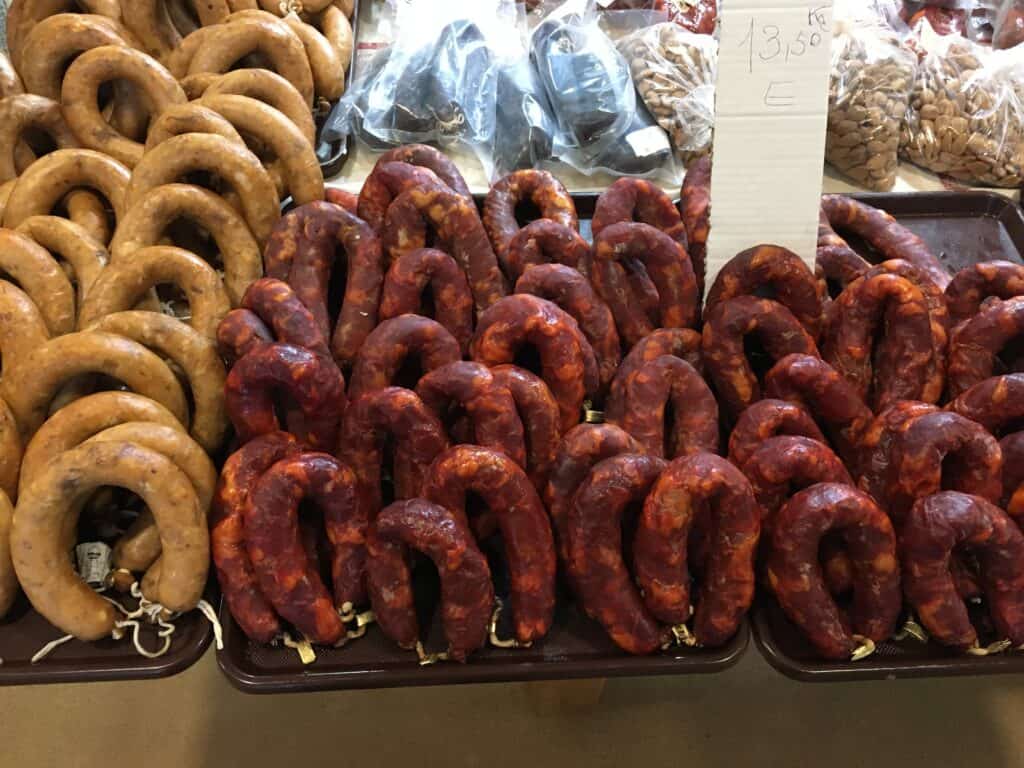
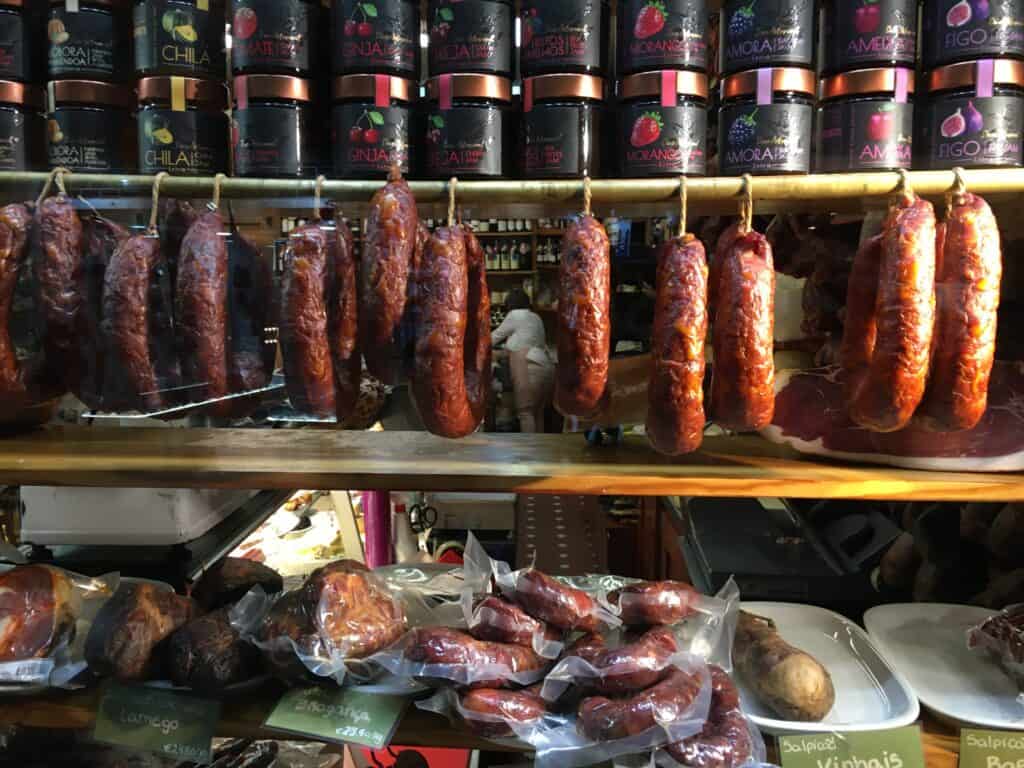
This part of Portugal also loves pork, smoked meats and slow-cooked dishes. Caldo verde, the beloved green soup made with potatoes, kale and usually slices of chouriço, is one of those deceptively simple bowls that tastes far better than its modest appearance suggests.
The centre – rustic comfort and mountain traditions
Move inland and you find a more rustic rhythm. Roasted goat, river fish, stews and mountain cheeses all have their place. The centre often feels less polished for visitors, which is part of its charm. Meals here can seem especially tied to season, terrain and family tradition.
This is a good area to notice how Portuguese cooking handles restraint and richness together. A dish may be deeply comforting, but still avoid excess. Even when a meal is substantial, there is usually a sense of balance rather than showmanship.
Lisbon and the coast – seafood, pastries and old favourites
Lisbon gathers influences from all over the country, but seafood is the city’s great pleasure. Bacalhau, the salt cod that appears in what feels like endless forms, is central to Portuguese identity. You will see it baked with cream, folded into fritters, scrambled with onions and potatoes in bacalhau à Brás, or simply prepared in ways that let its distinctive savoury depth come through.
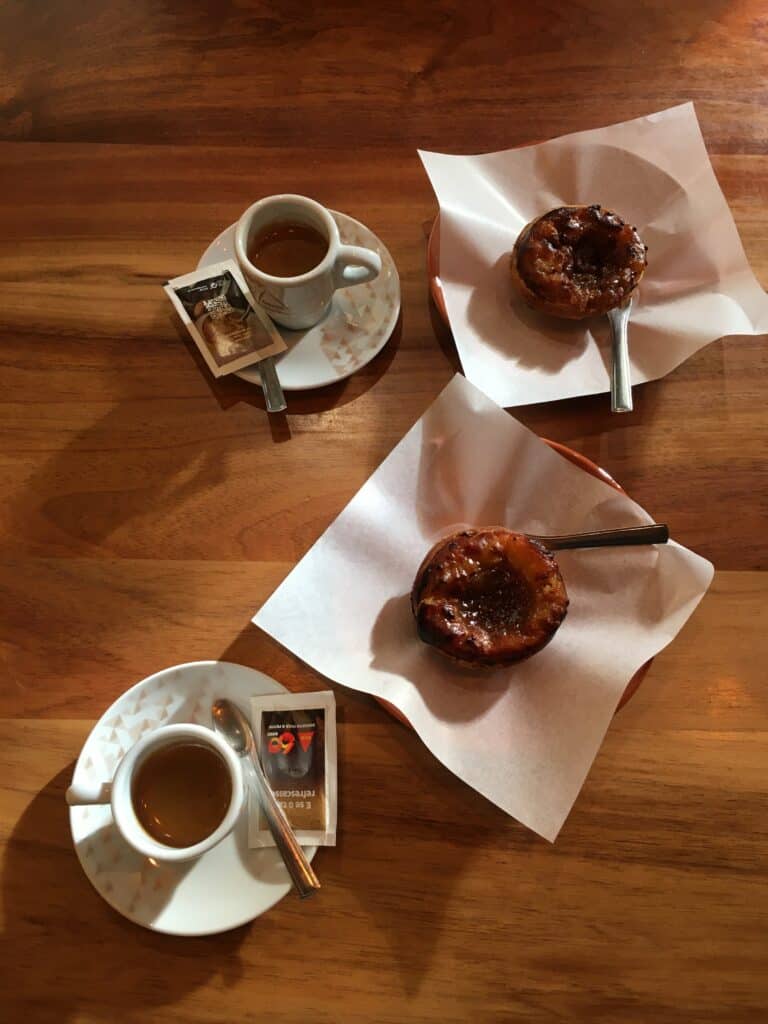
Then there are the pastries. Pastéis de nata have become internationally famous, but in Lisbon they still feel at home rather than overhyped – best eaten slightly warm, with a blistered top and a coffee strong enough to restore your faith in small cups.
Alentejo and the south – bread, olive oil and slow flavours
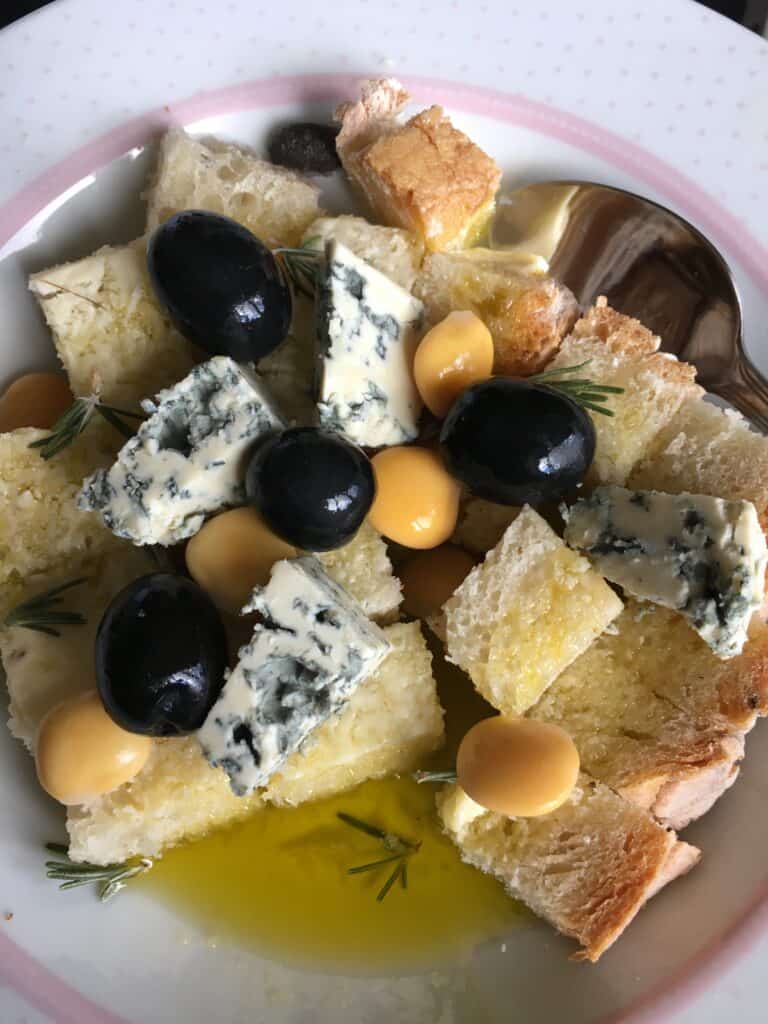
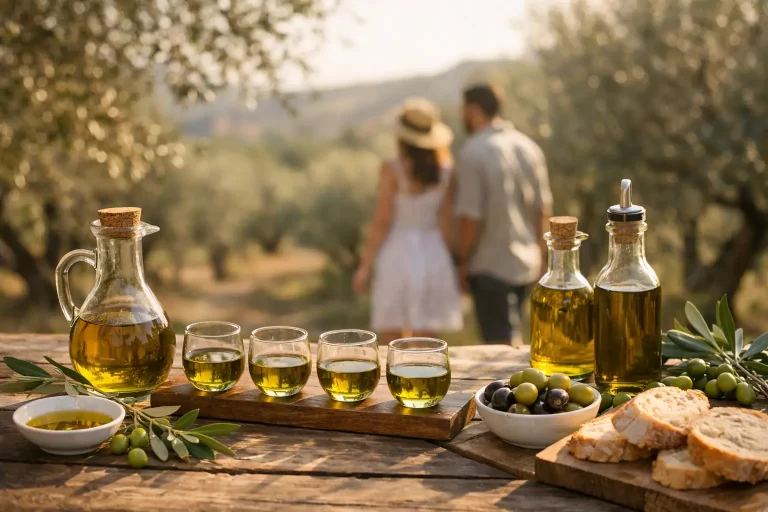
Alentejo is one of my favourite regions for anyone who loves food that speaks softly but lingers in the memory. Here the cooking leans on bread, coriander, pork, olive oil and beautifully straightforward technique. Açorda, a bread-based dish that can include garlic, herbs, olive oil and egg, sounds humble because it is humble. It is also deeply satisfying.
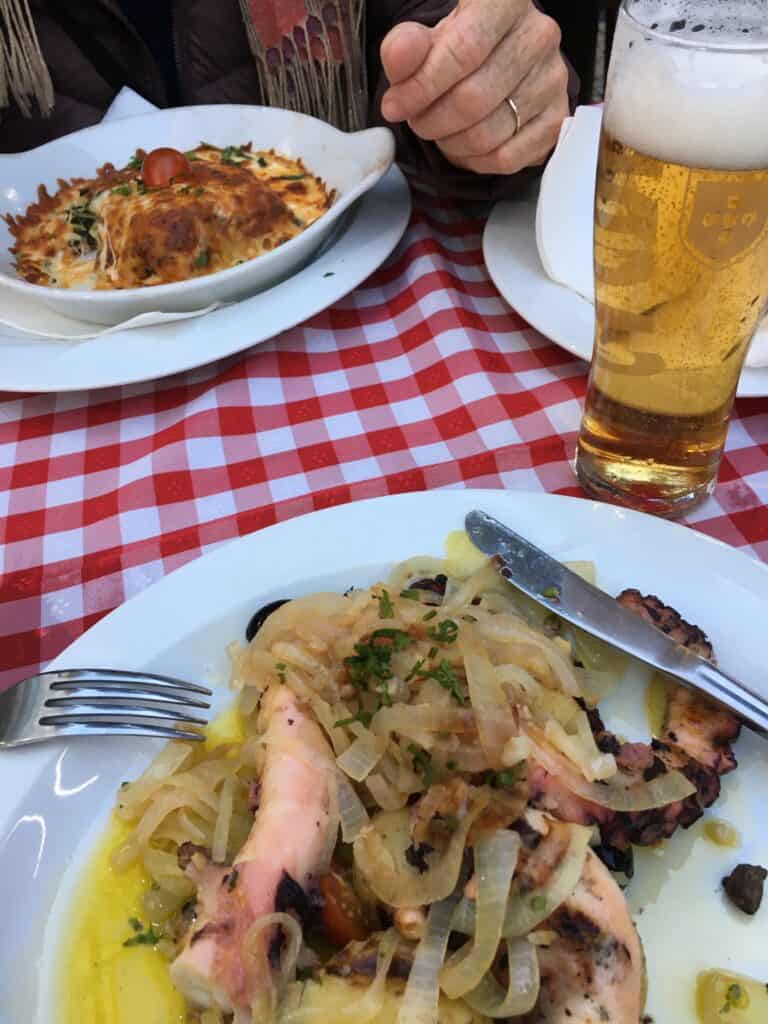
The Algarve, by contrast, turns naturally towards the sea. Expect grilled fish, octopus, clams and cataplana, the fragrant seafood stew cooked in the distinctive copper vessel of the same name. In summer especially, meals in the south can feel like an argument in favour of keeping life simple.

The dishes that tell the story best
If you are only in Portugal for a short trip, it helps to know which dishes open the door to the wider culture. Bacalhau is essential, not because every version will be your favourite, but because it tells you so much about Portuguese history, trade and domestic cooking. It is a food of memory as much as flavour.
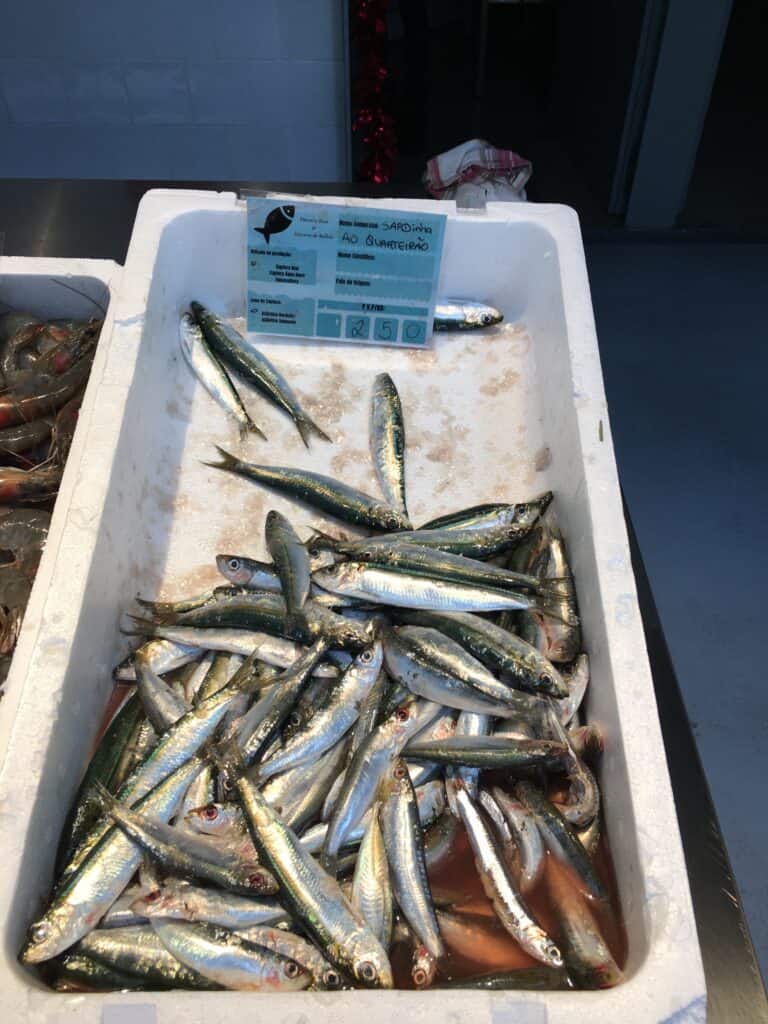
Grilled sardines are another classic, especially during the feast season in Lisbon, when streets smell of smoke and music spills out into the night. Sardines are a good example of Portugal at its best – affordable, communal, joyful and absolutely rooted in place.
For meat eaters, pork appears in many beloved forms, often paired with clams, chestnuts or simple vegetable accompaniments. Rice dishes matter more than some visitors expect, and soups are not merely starters but part of everyday nourishment. Even the humble bifana, a pork sandwich, can become a small masterpiece in the right café.
And yes, you should make room for sweets. Portugal’s convent-born dessert tradition is full of egg-rich pastries and puddings, often developed in monasteries where egg yolks were plentiful and restraint clearly had a day off.
Petiscos, mealtimes and the social side of eating
Any useful guide to Portuguese food culture has to talk about how people eat, not just what they eat. Meals in Portugal are social anchors. Lunch still carries real weight, especially outside the largest cities, and dinner often starts later than British visitors may expect.
Petiscos are often compared to tapas, but the comparison only gets you so far. These are small plates meant for sharing, yes, but they feel distinctly Portuguese in style – less performative, more like a table gradually filling with things everyone wanted. You might find little dishes of octopus salad, peixinhos da horta, cured meats, cheese, tinned fish, patties, or marinated vegetables. The point is not speed. The point is grazing, talking, lingering and ordering one more thing because the evening is going well.
Bread will appear almost automatically, along with olives, cheese or pâté in many restaurants. Sometimes these are offered before you order. They are not necessarily free, which catches some travellers out. If you eat them, they usually go on the bill. Not a scandal, just a detail worth knowing before you attack the cheese with holiday enthusiasm.
Wine, of course, belongs at the table
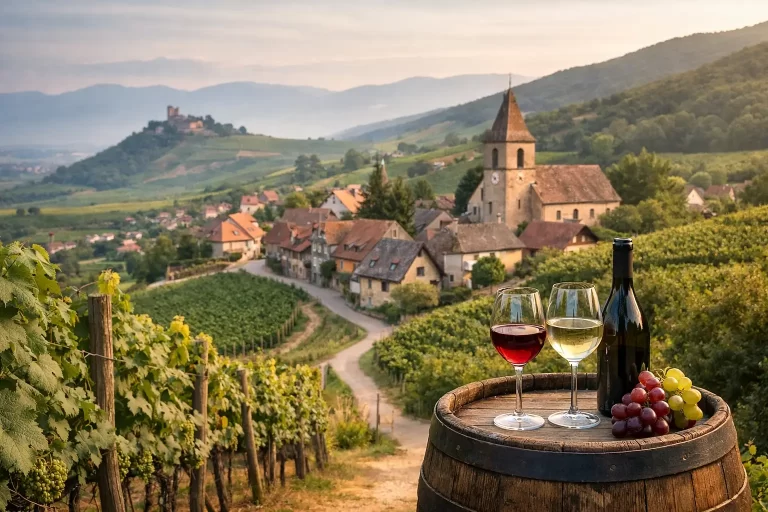
To talk about Portuguese food without talking about wine would be a bit like admiring a vineyard and ignoring the grapes. Wine is woven naturally into meals here, often in a refreshingly unpretentious way. You do not need to know the difference between every DOC region to enjoy drinking in Portugal, though curiosity will be rewarded.
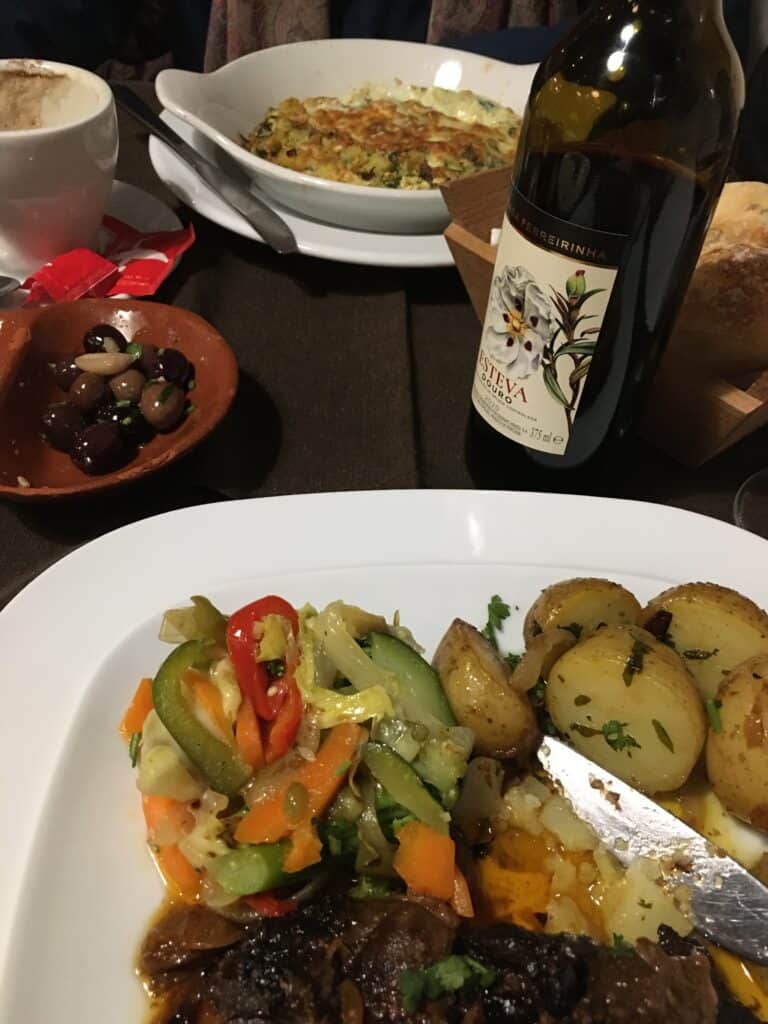
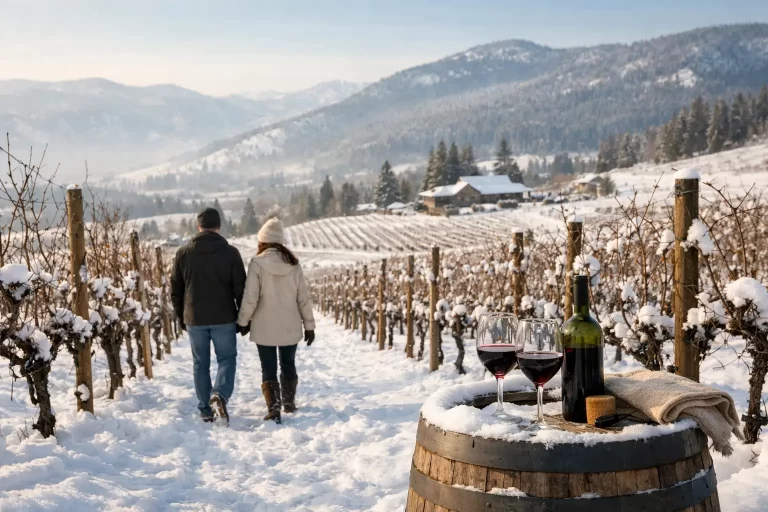
Vinho Verde, often light and lively, suits seafood and warm afternoons beautifully. Douro reds can bring structure and depth to richer northern dishes. Alentejo wines tend to be generous and approachable, excellent with grilled meats, bread-heavy regional cooking and long countryside lunches. In coastal areas, a chilled white with shellfish can feel less like a pairing and more like common sense.
The joy for travellers is that good wine is widely accessible. Portugal does not reserve pleasure for special occasions. Quite often, the house wine in a modest restaurant is exactly what the meal needed.
How to eat well in Portugal without overplanning
Portugal rewards appetite, but it also rewards flexibility. Some of the most memorable meals happen in unfussy places with handwritten menus, a television quietly on in the corner and a room full of locals who clearly know what they are doing. If a restaurant specialises in just a few dishes, that is usually promising.
It also helps to lean into the daily rhythm. Ask what is fresh. Ask what is typical of the area. Choose the fish that came in that morning rather than insisting on a dish you read about three weeks ago. Portuguese food culture is not really about chasing novelty. It is about recognising when something ordinary is being done exceptionally well.
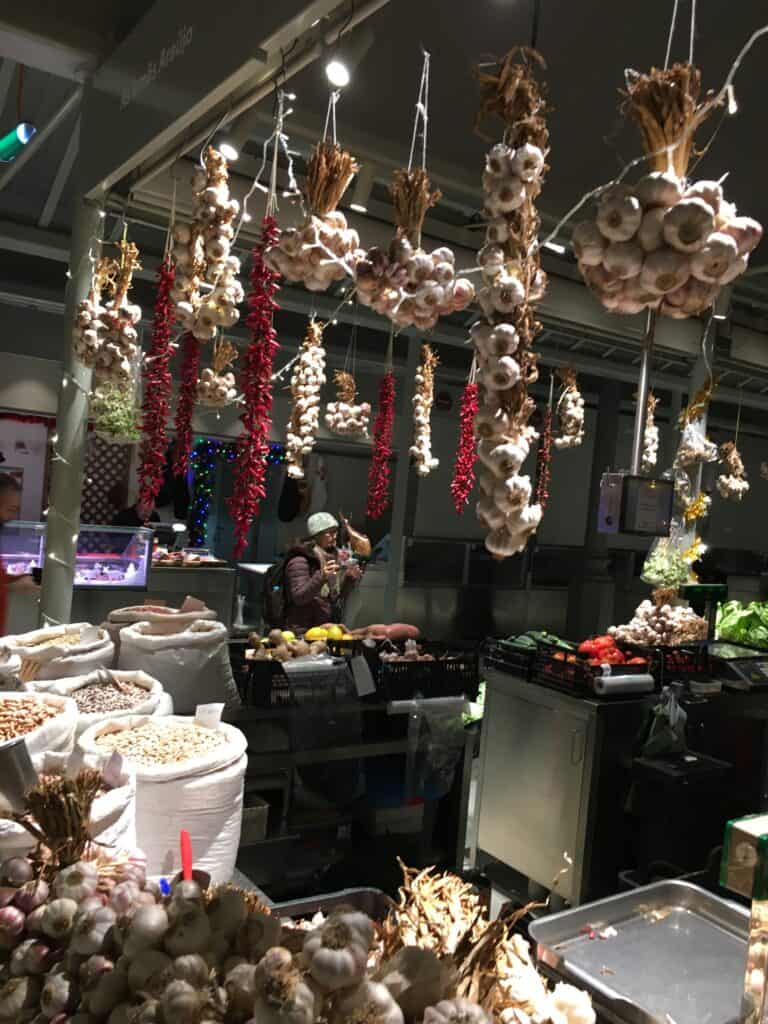
For slow travellers, this is where the country becomes especially rewarding. Stop in market towns. Sit down for lunch even if you only meant to grab a snack. Taste the local cheese. Order the regional wine. Notice what is on surrounding tables. The best meals often arrive when you stop trying to curate every bite.
If you travel through Portugal with patience and a decent appetite, the food will meet you kindly. It will not always shout for attention, but that is part of its charm. Give it time, and somewhere between the cod, the olive oil, the village bread and that last glass of red at sunset, you may find that Portugal has fed you far more generously than you expected.
Affiliate Disclaimer
Some links on this blog may be affiliate links. This means that, at no additional cost to you, we may earn a small commission if you make a purchase through those links. We only recommend products, services, destinations, and experiences that we genuinely use, enjoy, or believe may be useful to fellow travellers and narrowboat enthusiasts. Thank you for supporting Vineyards and Villages and helping to keep our adventures afloat.


2 Comments
Comments are closed.