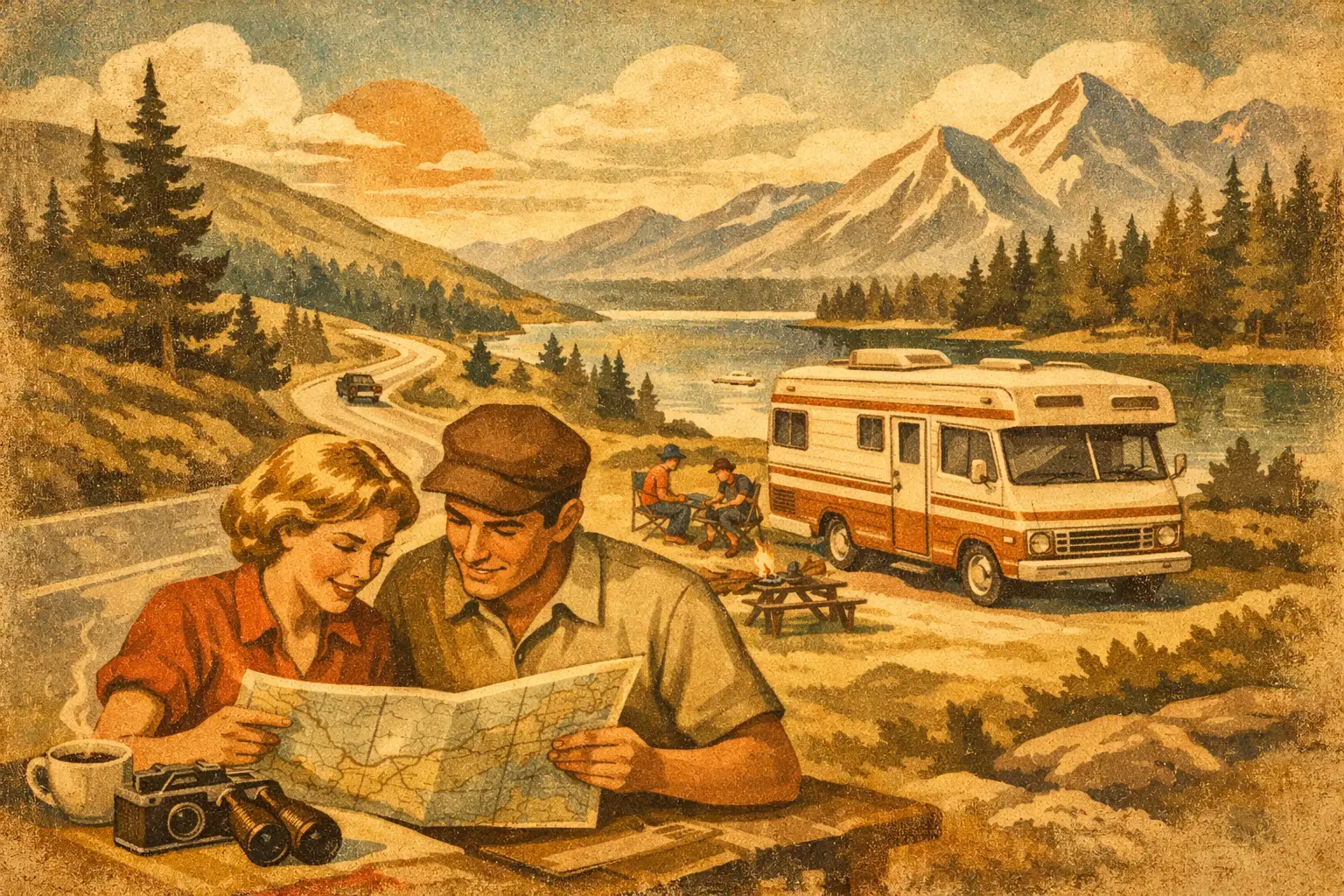
How to Plan a RV Road Trip That Feels Easy
The best RV mornings begin before you even turn the key. There is that brief, quiet moment when the kettle is on, the blinds are still half-drawn, and you are looking at a route that promises vineyard roads, village squares, farm shops and a view worth lingering over. That is why learning how to plan a RV road trip properly matters. A little thought before you leave gives you far more freedom once you are out there.
For this kind of journey, planning is not about squeezing every mile into a timetable. It is about giving the trip enough shape that you can follow your curiosity without spending each evening in a car park frantically searching for the next stop. The sweet spot sits somewhere between spontaneity and structure, and that balance is what turns an ordinary drive into a memorable slow-travel experience.
How to plan a RV road trip without overplanning
The first decision is not what to pack or where to sleep. It is what kind of trip you actually want. Some travellers want a coast-hugging route with seafood lunches and long cliff walks. Others want inland roads lined with cypress, cellar doors, market towns and late golden light over the vines. Both can be wonderful, but they ask for different rhythms.
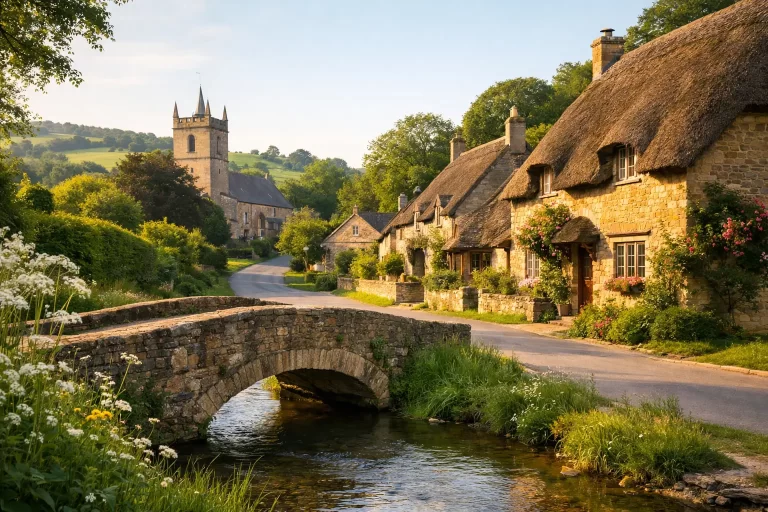
Start with a rough theme rather than a rigid itinerary. A week of wine villages in Alsace will feel very different from a fortnight crossing northern Spain or drifting through the Cotswolds into Herefordshire. Choose a region that suits the season, the driving distances you enjoy, and the pace you want to keep. If you are travelling as a couple, it helps to be honest early on about expectations. One person’s dream of a leisurely two-hour drive can be another person’s idea of barely getting anywhere.
Once you have your region, sketch the route in broad strokes. Think in clusters rather than individual stops. Instead of plotting ten separate places, build the trip around three or four anchor areas. That gives you room for detours while keeping the journey coherent. It also means fewer exhausting one-night stays, which can make even beautiful routes feel oddly rushed.
Build your route around realistic driving days
One of the most common mistakes with RV travel is treating it like a car holiday. An RV is slower on narrow roads, trickier in old village centres and more tiring to park in busy places. Distances that look simple on a map can feel far longer in practice.
A good rule is to keep most driving days modest. For many travellers, two to four hours on the road is enough, especially if the point of the trip is to enjoy where you are rather than simply cover ground. If you are weaving through rural France, Portugal or Italy, even shorter distances may feel right because the roads invite lingering. You will stop for bread, for photographs, for a local bottle you had no intention of buying but suddenly cannot leave behind.
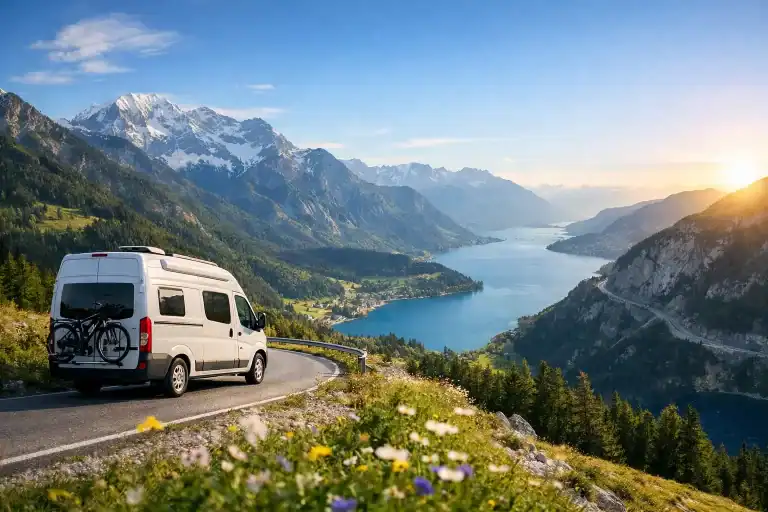
Look at the type of roads, not just the mileage. Scenic routes are part of the pleasure, but hairpin turns and tiny lanes can become stressful in a larger vehicle. Sometimes the better choice is a slightly less romantic road that gets you to a charming base by mid-afternoon, with enough daylight left for a walk and a glass of the local red.
Book the essentials, leave room for serendipity
If you are wondering how to plan a RV road trip in a way that still feels relaxed, this is the part that matters most. You do not need every night booked months ahead, but you do need to secure the parts of the trip that could derail it if left to chance.
In peak season, reserve popular campsites or motorhome pitches in areas where availability is tight, especially near the coast, wine regions during harvest events, or around major festivals. The first and last nights are particularly worth booking. Starting the trip with certainty is calming, and ending it without a scramble feels mercifully civilised.
Between those fixed points, leave open stretches where you can decide as you go. Maybe you stay an extra night near a village market because the cheese stall is too good to miss, or perhaps rain sends you inland in search of a smaller town and a cosy bistro. That flexibility is part of the joy. The trick is to leave space intentionally, not accidentally.
Think carefully about overnight stops
Where you sleep shapes the mood of the whole trip. A practical stop beside a motorway may sometimes be necessary, but too many forgettable nights can flatten the experience. Whenever possible, look for places with character as well as convenience.
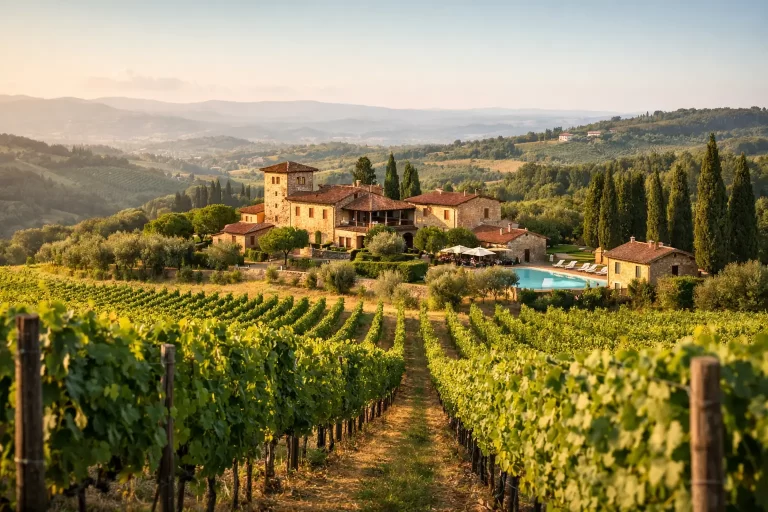
That might mean a small site near a vineyard, a rural aire within walking distance of a village square, or a farm stay where you wake to quiet fields instead of traffic. Check the practicalities as well: arrival hours, pitch size, electric hook-up, water access and whether there are restrictions for larger vehicles. The loveliest setting in the world loses some charm if you arrive at dusk and discover the entrance is impossible to manage.
It also helps to consider how you want your evenings to feel. If you hope to enjoy wine with supper, choose overnight spots where you can settle in early and stay put. If you prefer wandering out for a meal, prioritise locations within walking distance of a town or village. This sounds obvious, but it is the kind of detail that determines whether the trip feels effortless or slightly awkward every night.
Plan your budget with a little generosity
RV travel can be economical, but it is not always cheap. Fuel, campsite fees, tolls, ferries, insurance and hired extras add up quickly. Then there are the pleasures that make the trip worth taking: market produce, a vineyard tasting, dinner on a terrace, an extra night somewhere unexpectedly lovely.
Set a daily budget that covers the basics, then add a margin for delight. That is especially important on a trip built around food and wine. You do not want to skip the bottle from the family-run cellar or the village lunch that turns into one of the highlights of the week because your sums were too tight from the start.
If you are hiring the RV, look closely at the hidden costs. Mileage limits, cleaning fees, petrol bottles, bedding hire and additional driver charges can change the shape of the budget more than you expect. Better to know before you leave than after the invoice arrives.
Pack for comfort, not for every possible scenario
The temptation with RV travel is to bring half the house. Resist it. Space matters, and clutter quickly becomes irritating when you are moving daily.
Pack around the life you actually plan to have. Comfortable layers for changing weather, decent outdoor shoes, a few clothes you enjoy wearing in a village restaurant, and one warm jumper for cool evenings are usually more useful than endless options. In the kitchen, keep things simple but thoughtful: coffee you like, a proper corkscrew, a sharp knife, good olive oil, and a few staples for the first night.
If wine is part of the pleasure, plan for that sensibly too. Bring stemless glasses or sturdy wine glasses suited to life on the road, and leave a little cupboard space for bottles collected along the way. It is a small thing, but it changes the feel of the trip. Suddenly supper outside becomes an occasion rather than just a meal.
Slow the trip down on purpose
An RV road trip is at its best when it leaves room for texture. Not just attractions, but atmosphere. The bread queue at eight in the morning. Swallows over the campsite. Church bells in a village where you had only meant to stop for half an hour.
That means planning fewer stops and spending more time in each place. Two or three nights in one area often reveal more than a string of one-night stays. You notice the rhythm of the place. You return to the same square at a different hour. You find the wine bar tucked behind the main street. The trip begins to feel less like a route and more like a lived experience.
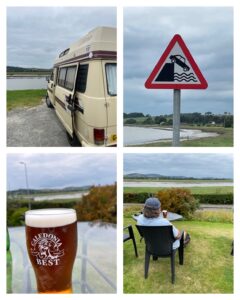
For readers who come to travel partly for taste and landscape, this matters. A region is not only a list of vineyards or viewpoints. It is the road between them, the weather, the local produce, the way a glass of chilled white tastes after an afternoon walk through a quiet town. That is the spirit Vineyards and Villages always returns to, and it suits RV travel beautifully.
Leave with a plan, arrive with curiosity
Good planning gives you a framework, not a script. Check the vehicle, know your route, reserve the crucial nights, keep your driving days humane and your budget realistic. Then let the journey breathe. Let a roadside sign for a local cave cooperative tempt you off course. Let a village square keep you longer than expected. Let the trip become itself.
If you are planning well, you should feel less like you are managing a vehicle and more like you are making space for the kind of days you want to remember later – the ones marked by easy roads, local bottles, and the quiet satisfaction of having nowhere more urgent to be.
Affiliate Disclaimer
This post may contain affiliate links. If you purchase through these links, Vineyards and Villages may earn a small commission at no extra cost to you. This helps keep the blog, narrowboat adventures and ongoing wine research flowing smoothly. Thank you for your support!
Top tip! Use a trusted VPN when connecting your travel devices to the internet


5 Comments
Comments are closed.