A Slow Campervan Trip Through Northern Spain
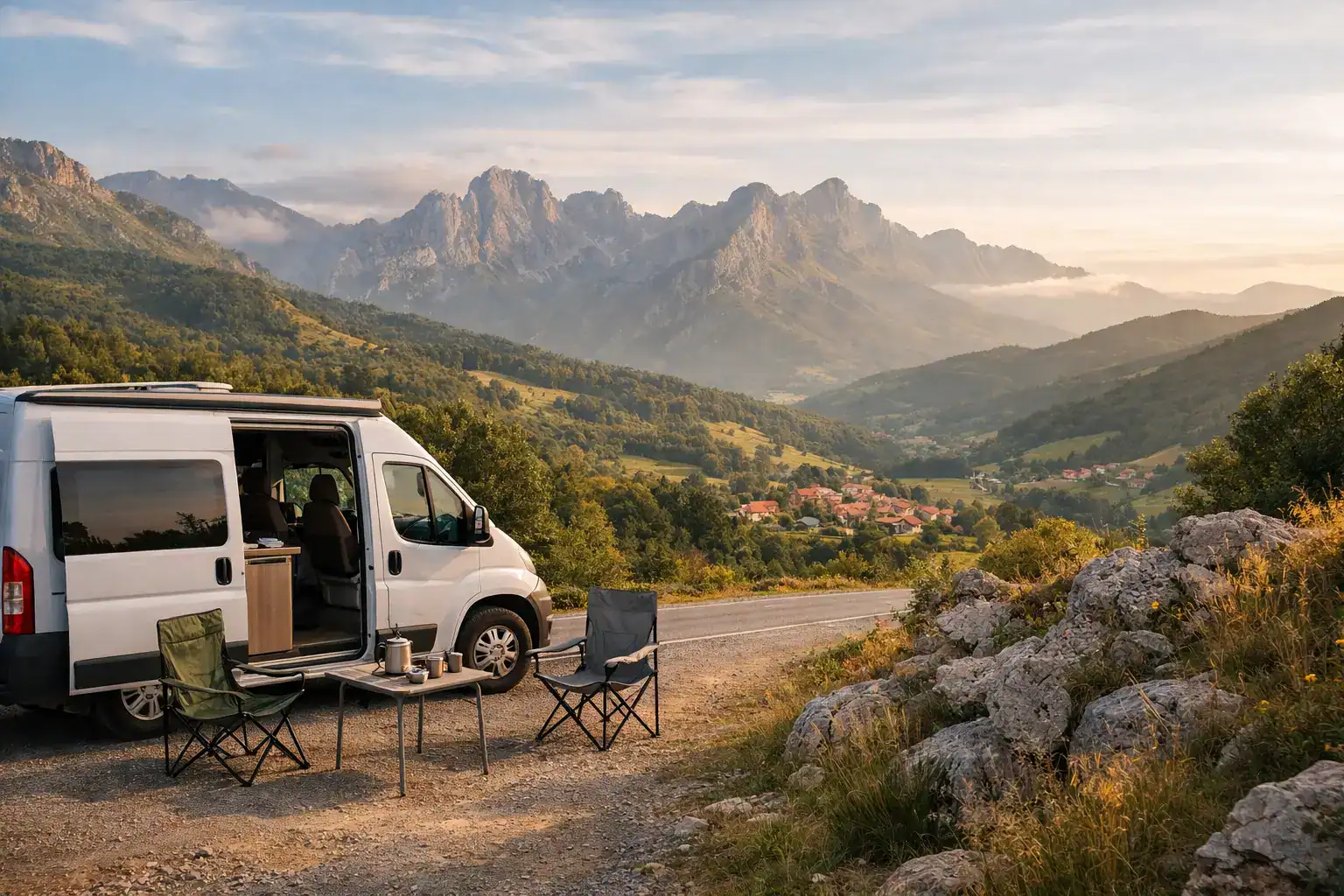
The first proper coffee of our campervan trip through northern Spain was taken in a car park above the Cantabrian Sea, with gulls wheeling overhead and the Atlantic throwing itself theatrically at the rocks below. It was barely eight o’clock, the awning was still damp with mist, and a fisherman in a battered cap gave us a cheerful nod as if parking beside a magnificent view were simply how mornings ought to begin.
Northern Spain is made for this sort of unhurried wandering. Here, green hills tumble into a wild coastline, medieval villages appear around bends in the road, and lunch can stretch long enough to become the afternoon’s main event. Add vineyards, sidrerías, pintxo bars and the comforting freedom of carrying your bed with you, and it becomes very difficult to rush anywhere.
Why northern Spain suits campervan life
Spain is often imagined in shades of terracotta and sun-baked gold, but the north has a different personality. Galicia, Asturias, Cantabria and the Basque Country are lush, damp in places and gloriously dramatic. Further inland, the landscape around Rioja Alavesa and La Rioja shifts towards vine-covered slopes, honey-coloured stone and the dry warmth of a proper wine country afternoon.
A campervan lets you enjoy the contrast without continually packing and unpacking. One day can begin with sea air in San Vicente de la Barquera and end among the mountains near Picos de Europa. Another might start with a bakery bag filled with warm pastries, pass through a string of tiny villages, and finish with a glass of local red in a plaza as swallows loop above the church tower.
There is a trade-off, of course. Narrow village streets can be wonderfully atmospheric until you meet an oncoming delivery van, and coastal roads require a little patience. A compact campervan is far easier to live with than a large motorhome here. It also pays to accept that the finest views are not always reached quickly. That is rather the point.
A route for a campervan trip through northern Spain
For a first journey, allow ten days to two weeks from the Basque Country to Galicia. Or reverse the route if your collection point makes more sense that way. Trying to cover every northern region in a week would be murder! It would be like attempting a wine tasting by swallowing each glass before you have smelt it.
Begin in the Basque Country
Start around San Sebastián, where food is woven into the rhythm of the city. The old town’s pintxo bars are a joyful introduction to northern Spanish eating. Small plates of anchovies, grilled mushrooms, tortilla and croquettes displayed with the confidence of tiny edible artworks. A Txakoli, the region’s lightly sparkling, high-acid white wine, is often poured from a satisfying height into the glass. It is fresh, gently saline and particularly good with seafood.
Do not attempt the pintxo crawl if you are driving afterwards. Park the campervan, walk, eat slowly and let somebody else worry about the steering wheel. For a quieter overnight atmosphere, head west along the coast towards Getaria or Zumaia, where folded cliffs and fishing harbours offer a beautiful change of pace.
Follow the Cantabrian coast
The stretch through Cantabria is a procession of beaches, green fields and villages that seem to have been designed for lingering. Santillana del Mar is undeniably popular, but its stone lanes and flower-filled balconies are still lovely early in the morning or near dusk, when day visitors have moved on and the cobbles belong to residents, cats and the occasional determined suitcase wheel.
Comillas is another worthwhile pause, particularly for its eclectic architecture and coastal setting. Then there is San Vicente de la Barquera, where the old bridge, estuary and distant mountain silhouettes make even a simple evening stroll feel cinematic. Buy local cheese, bread and something sparkling for supper, then watch the light soften over the water from your chosen overnight stop.
In high season, official campsites and designated motorhome areas are the sensible choice along the coast. Regulations vary between municipalities, and sleeping outside approved places is not the same as parking for the day. A little planning avoids the unhappy holiday ritual of being moved on after dark.
Turn inland for Asturias and the Picos de Europa
Asturias feels more rugged and more intimate. Its hills are deeply green, its farmhouses sit beneath terracotta roofs, and cider is part of the local grammar. In sidrerías, Asturian cider is traditionally poured from high above the glass, creating a lively, fleeting fizz. It is not a drink to swirl solemnly under a spotlight. It is a drink to share with a plate of local cheese and a table full of conversation.
The Picos de Europa deserve at least two nights if you can spare them. Roads tighten, peaks rise abruptly and the weather can change its mind before lunch. Base yourself near Cangas de Onís or in a well-positioned campsite rather than trying to drive every spectacular road in one ambitious day. The reward is time for a short walk, a long lunch and the pleasure of returning to the van with boots muddy and cheeks pink from mountain air.
This is also where the campervan earns its keep. A view that might otherwise require a hurried return journey becomes the backdrop to dinner. Just keep an eye on temperatures at altitude, even in warmer months, and carry layers. Northern Spain has no obligation to behave like the Costa del Sol.
Cross into Rioja country
From Asturias or Cantabria, the route towards Rioja makes a satisfying change of scene. The damp greens gradually give way to more open land, and vineyards begin to take their place beside orchards and fields. Haro, Laguardia and the smaller villages of Rioja Alavesa make excellent bases, depending on whether you prefer a wine-town buzz or the hush of a hilltop settlement.
Laguardia is especially charming: a walled village with narrow lanes, deep cellars beneath its streets and views across rows of vines towards the Sierra de Cantabria. Park outside the historic centre and explore on foot. The lanes were not designed with campervan wing mirrors in mind, nor, frankly, with wing mirrors of any kind.
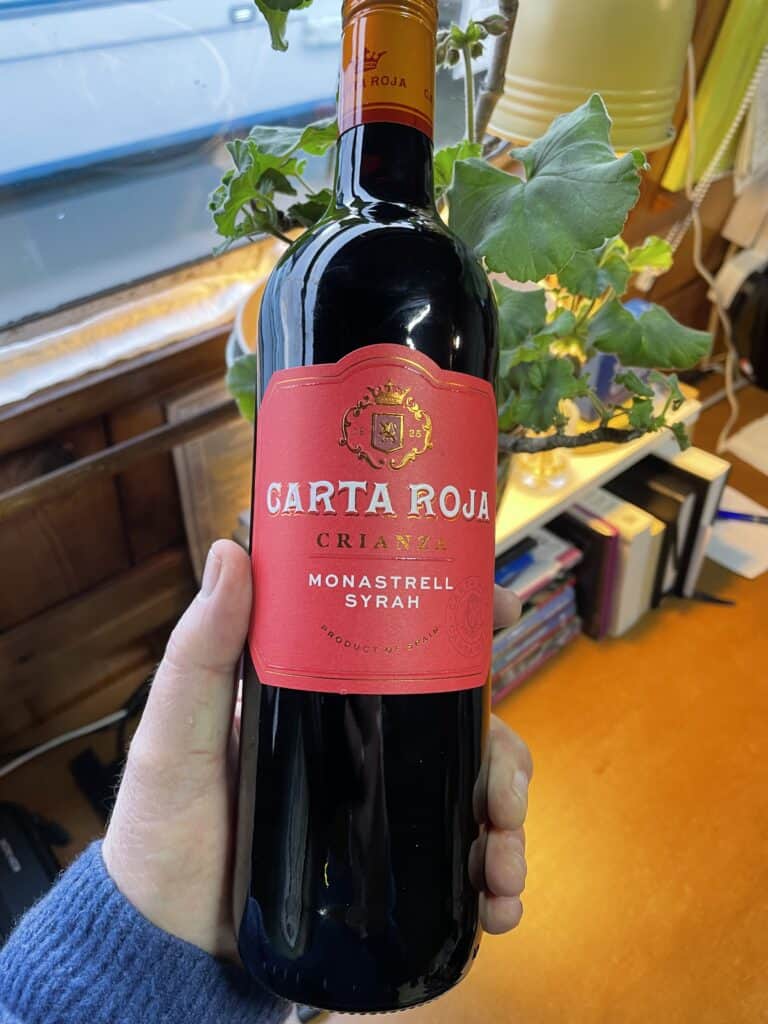
Rioja is a splendid place to learn by drinking rather than memorising. A younger crianza may feel juicy and lively with tapas, while a reserva often brings more savoury depth, spice and oak. Ask what is open, tell the server what you are eating, and be curious rather than intimidated. The most memorable bottle is not necessarily the grandest one. It may be the modest local red served slightly cool on a warm evening, after a day spent looking at the very vines that made it.
The small rituals that make the journey
The best campervan days tend to have a loose shape rather than a strict timetable. Drive in the morning, when the roads are quiet and the light is kind. Stop for coffee in a town that was not on the plan. Buy fruit from a market. Arrive at your overnight place early enough to walk somewhere before supper.
Food shopping becomes part of the entertainment. Look for bonito del norte, smoky chorizo, sheep’s cheese, peppers, stone fruit and crusty bread. In Galicia, add empanada and chilled Albariño to the list. The wine’s citrusy lift and Atlantic freshness feel entirely at home beside scallops, mussels or simply a plate of salted almonds as the evening cools.
Keep water topped up, empty waste responsibly and do not assume every rural spot has the facilities you need. Spain has an excellent network of campsites and motorhome service points, but the most appealing places are often small and seasonal. Arriving with enough water for the night and a flexible Plan B makes a huge difference to the mood.
Give the road room to surprise you
A northern Spanish road trip is not about collecting landmarks like stamps. It is about noticing the shift from eucalyptus-scented Galician lanes to the salt air of the Basque coast; the sound of cider hitting a glass; the way a village square fills at eight in the evening when everyone else has had the same sensible idea about dinner.
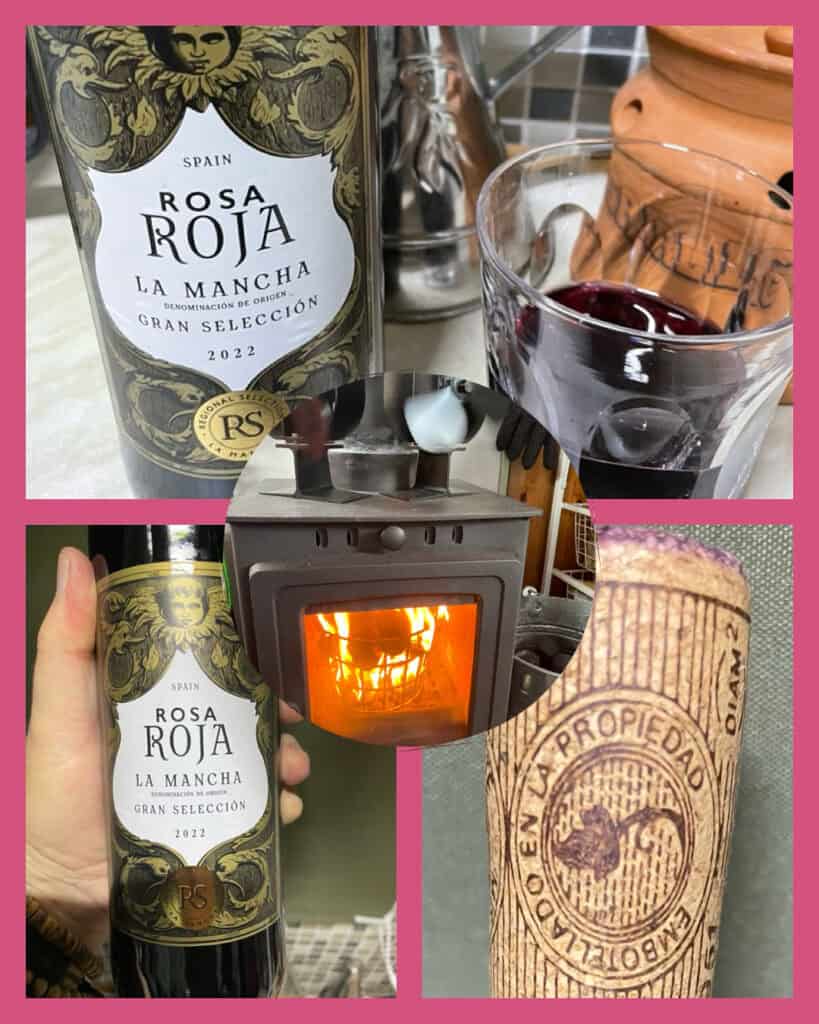
Leave space between the headline stops. Take the smaller road when it looks promising. And when you find a quiet campsite beneath the hills, with a good bottle waiting in the cupboard and nowhere urgent to be, stay another night. Northern Spain is exceptionally good at rewarding that decision.

One Comment
Comments are closed.