Affordable Wine Discoveries Abroad Worth the Detour
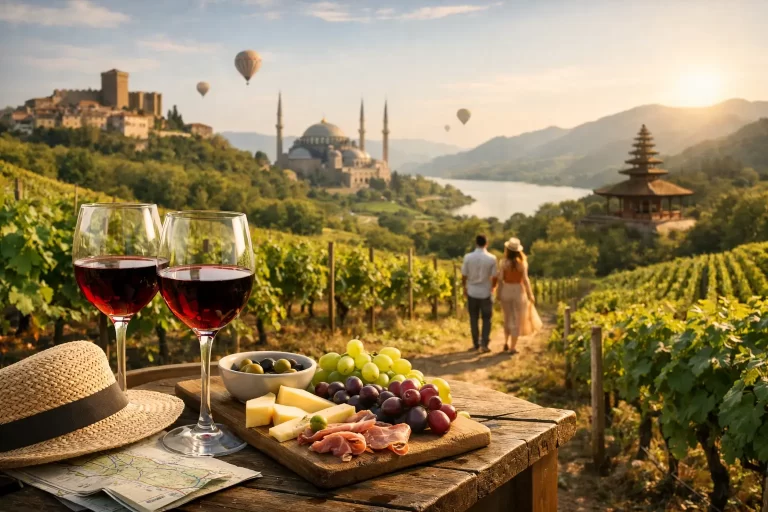
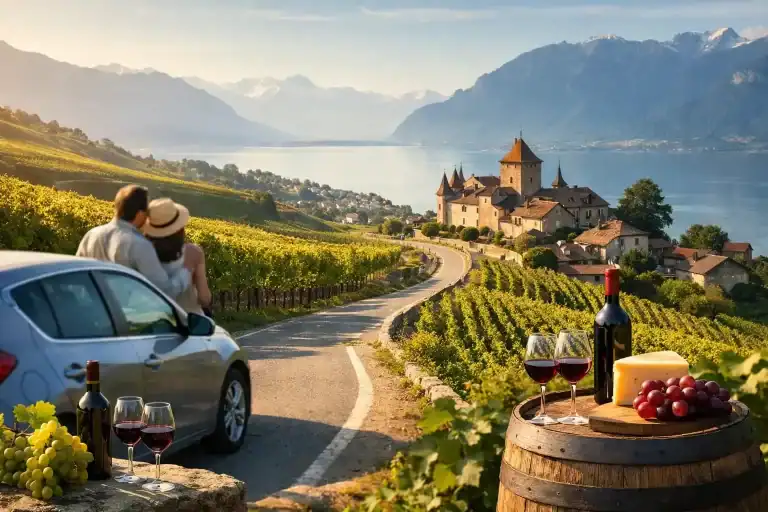
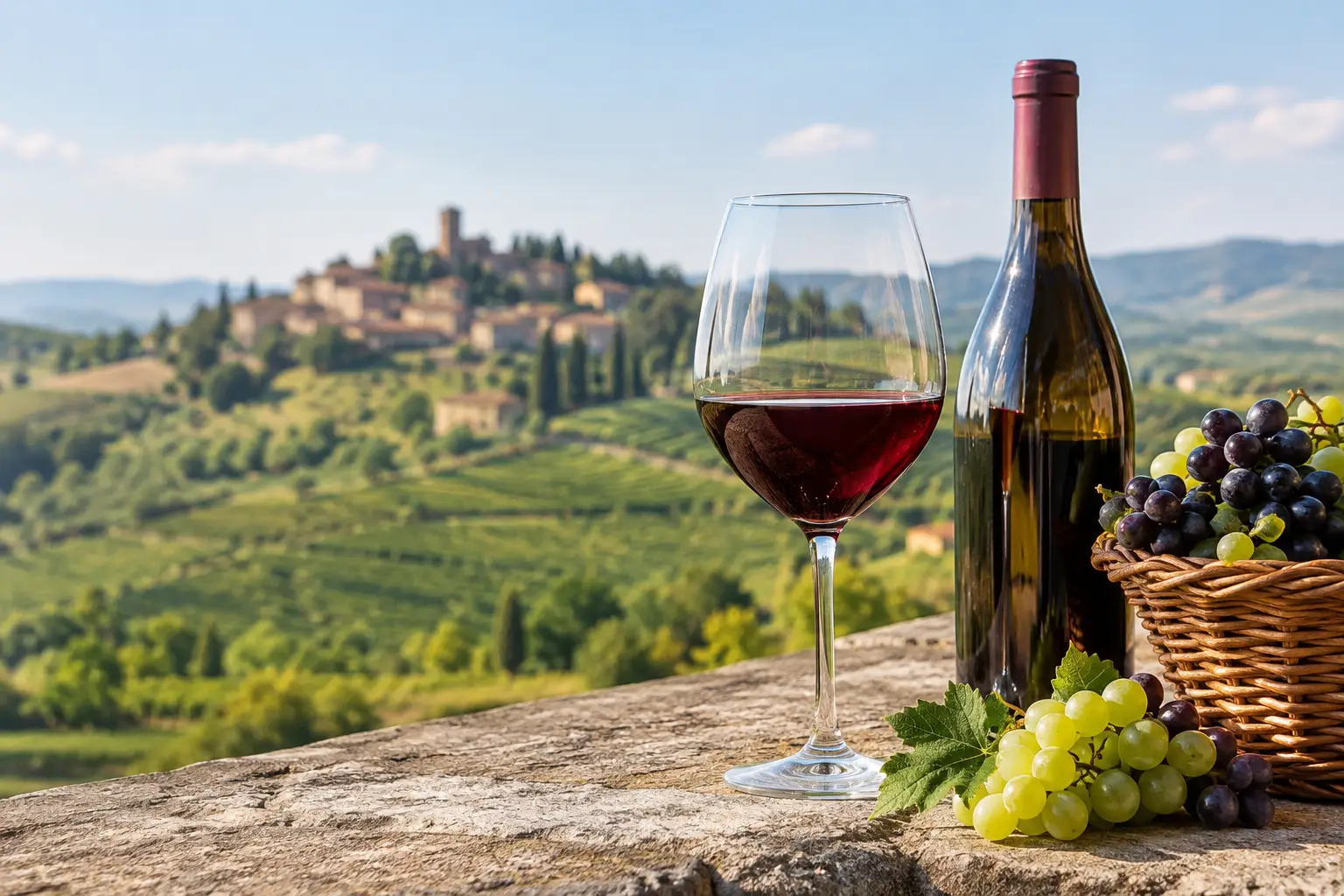
The best affordable wine discoveries abroad rarely happen under a chandelier or behind a velvet rope. They happen when you have pulled into a small town at dusk, the church bells are doing their best impression of a public announcement system, and a waiter places a cool, unfamiliar bottle on the table with a confident nod. You take a sip, look out at the vineyard-lined hills, and wonder why nobody told you about this sooner.
For travellers who love a good bottle but would rather spend money on another night in a charming village than a famous label, this is the great joy of wine travel. The trick is not to chase the names you already know. It is to travel a little slower, order what locals drink, and allow the landscape to make its case.
Affordable wine discoveries abroad begin off the famous route
The celebrated wine regions are celebrated for a reason, of course. A glass of Champagne in Champagne or a grand red in Tuscany can be a lovely thing. But fame has a habit of bringing coach parties, polished tasting rooms and prices that can make a modest lunch feel like a mortgage application.
The more affordable pleasures often sit just beyond the headline regions. In France, look towards the Languedoc, the Loire’s lesser-known appellations, or the warm, herb-scented vineyards around Fitou and Corbières. In Portugal, the Douro may draw the cameras, but the Dão, Bairrada and Alentejo offer generous, characterful wines at tables where lunch still feels gloriously unhurried. Spain has entire corners built for this sort of wandering: inland Valencia, Jumilla, Bierzo, Ribeiro and the quieter villages of Galicia.
It is not about finding wine that is merely cheap. Nobody wants to cross Europe for a bottle that tastes as though it has lost an argument with a wet cardboard box. It is about finding wines with a sense of place that have not yet acquired an international price tag.
A modest local red can be extraordinary with grilled lamb, smoky peppers or a plate of aged cheese. A crisp white, poured from a carafe in a sunlit square, can be exactly right because it belongs there. Context is not a trick. It is part of the flavour.
Let the village choose the bottle
A good restaurant in a wine-producing area is often a better classroom than a formal tasting. The staff know which wines suit the local cooking, which producer is having a particularly good vintage, and which bottle offers the best value that week. Ask for their recommendation in your budget, rather than pointing nervously at the cheapest line on the list.
A simple phrase goes a long way: tell them you would love to try something local, preferably a house favourite. It invites a conversation, and it signals that you are interested without pretending to be a sommelier who has misplaced their tasting notebook.
House wine deserves less suspicion than it gets. In a serious wine village, it may come from a nearby cooperative or a family producer, delivered in refillable containers and poured with the easy confidence of something everyone drinks. It will not always be a revelation, but it can be fresh, honest and absurdly good value. Order a small carafe first if you are unsure, then linger over a bottle if it charms you.
Markets are equally useful. Look for bottles stocked alongside local olive oil, cured meats and bread rather than displayed as luxury trophies. A merchant who sells only wines from the surrounding hills is giving you a useful map, even if you cannot pronounce every grape variety before your second coffee.
Taste by region, not by reputation
The most rewarding question is not, “What is your best wine?” It is, “What do people here drink with dinner?” That answer may lead you to a pale, mineral Assyrtiko on a Greek island, a floral Slovene Rebula near the Italian border, a peppery Blaufränkisch in Austria, or a juicy Mencía in north-west Spain.
These are not obscure for obscurity’s sake. They are wines rooted in local habits, often made in quantities too small to become global supermarket fixtures. Their relative anonymity can keep prices reasonable, though that is changing as more travellers catch on.
Four places where value still has a view
Portugal is one of Europe’s great gifts to the wine-loving road tripper. Away from the biggest Port houses and high-profile Douro estates, the country offers striking value. In the Alentejo, whitewashed towns rise from broad, golden plains, and the reds are often ripe, welcoming and made for long lunches beneath a parasol. Further north, Bairrada brings lively sparkling wines and food-friendly reds, ideal if your plans include roast pork, seafood or a determined amount of cheese.
In southern France, Languedoc has room to breathe. Its vineyards roll towards the Mediterranean, with stone villages, plane-tree squares and menus that understand the importance of a proper glass of red. Grenache, Syrah, Carignan and Mourvèdre often make warm, savoury blends with enough character to stand up to cassoulet or grilled meats. The trade-off is that summer can be fiercely hot and the most scenic villages are no secret in August. Go in late spring or early autumn, and the region feels more relaxed in every sense.
Slovenia is a quieter delight, particularly around Goriška Brda and the Vipava Valley. This is a landscape of tidy vines, fruit trees and gentle roads, close enough to Italy to share a love of good food but still capable of surprising even seasoned wine travellers. Fresh whites, skin-contact wines and elegant reds appear in welcoming family cellars, often with a plate of local ham or cheese placed before you have fully taken off your coat. Smaller producers may require appointments, so a little planning helps.
Hungary deserves more than its sweet-wine reputation. Around Eger, volcanic soils and historic cellars provide a lovely backdrop for reds, while the shores of Lake Balaton offer bright whites and long, breezy afternoons. The language can feel daunting at first, but wine hospitality is wonderfully expressive. A smile, a few gestures and genuine curiosity will usually get you further than rehearsed terminology.
Plan for the experiences that cost little
Wine travel becomes expensive when every stop is treated as a ticketed attraction. The better rhythm is to mix one planned tasting with the pleasures that are free or nearly free: a morning walk through vines, a village bakery, a viewpoint above a river valley, a picnic assembled from the market.
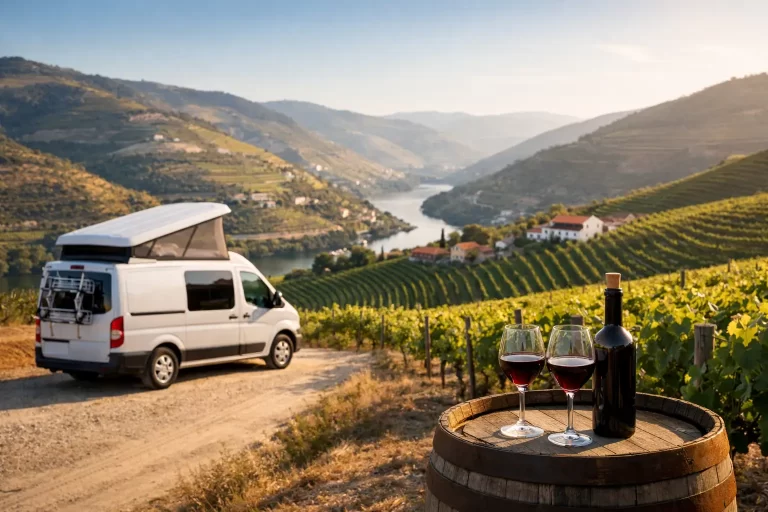
If you are travelling by campervan, choose campsites or rural stopovers within cycling distance of a town rather than trying to park beside the most famous estate. This keeps the day gentler and removes the awkward question of who is driving after a generous tasting. Even for car-based holidays, one person should remain firmly on water duty, or use taxis when an evening tasting is part of the plan. Romantic lanes are less romantic when navigated badly after dark.
Buying bottles at the cellar door can be worthwhile, but do not assume it will always be cheaper than a local shop. Some producers hold their prices, particularly where tourism is strong. The real advantage is the story, the chance to taste before buying and the possibility of finding a wine that never leaves the region. Ask which bottle the family opens at home, not simply which one wins medals.
Keep room in the budget for food
A wine is rarely at its best in isolation. Put aside enough for the regional dish that makes the local bottle sing: Portuguese pork with clams, French duck, Spanish mushrooms and charcuterie, Slovenian trout, Hungarian goulash. The memory of a bottle is usually bound to the table, the weather and the person who explained, with great enthusiasm, that you absolutely must try one more thing.
This is also where slow travel earns its keep. Staying two or three nights in one area gives you time to return to a favourite bar, notice what is being poured at neighbouring tables and shop with a little confidence. It is much harder to find local value when every day begins with a suitcase zip and ends with a hurried search for somewhere to eat.
Bring home fewer bottles, but better stories
There is a temptation to fill the boot with bargains. Resist it, at least slightly. Travel regulations, breakages and luggage allowances have a way of turning a triumphant cellar-door purchase into a logistical saga. Choose a few bottles that genuinely moved you, take a photograph of the label and write down where you drank it.
More importantly, bring home the habit of asking better questions. Seek out regional grapes, smaller appellations and restaurants proud of their local list. The bottle you loved abroad may not be available near home, but the curiosity that found it can travel anywhere.
On your next road through a vineyard village, leave space for the handwritten sign, the unplanned lunch and the wine you cannot quite pronounce. Those are often the turns that make a holiday taste like it belongs only to you.