Food and Wine Villages Worth Slowing Down For
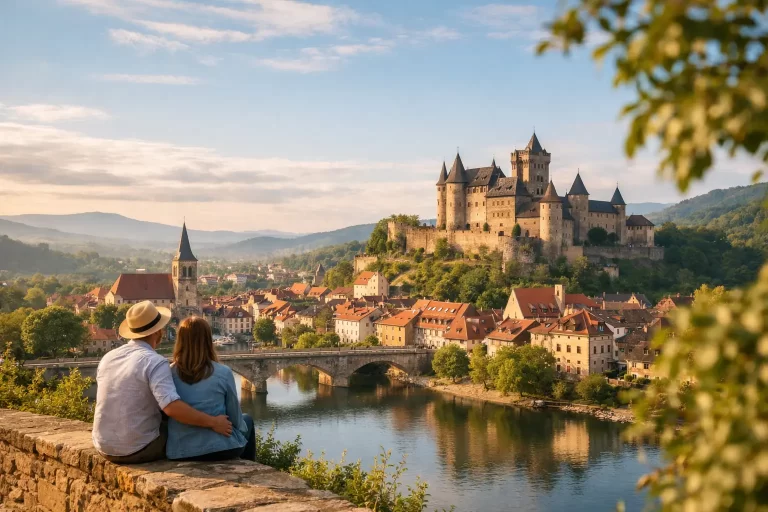
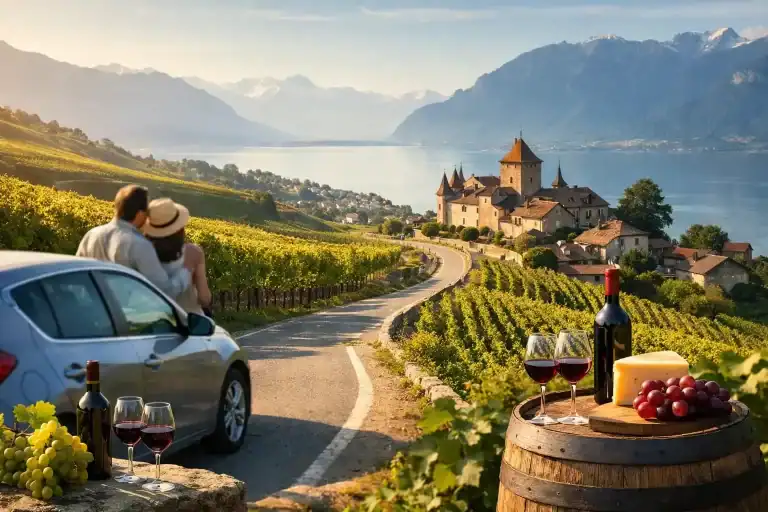
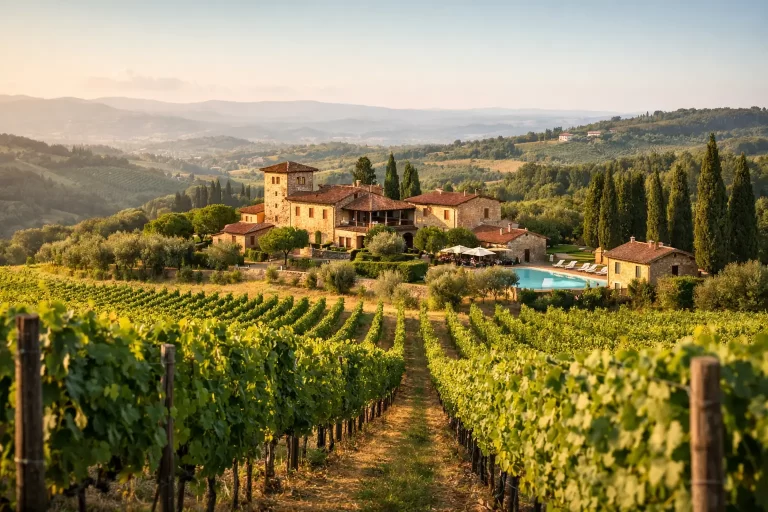
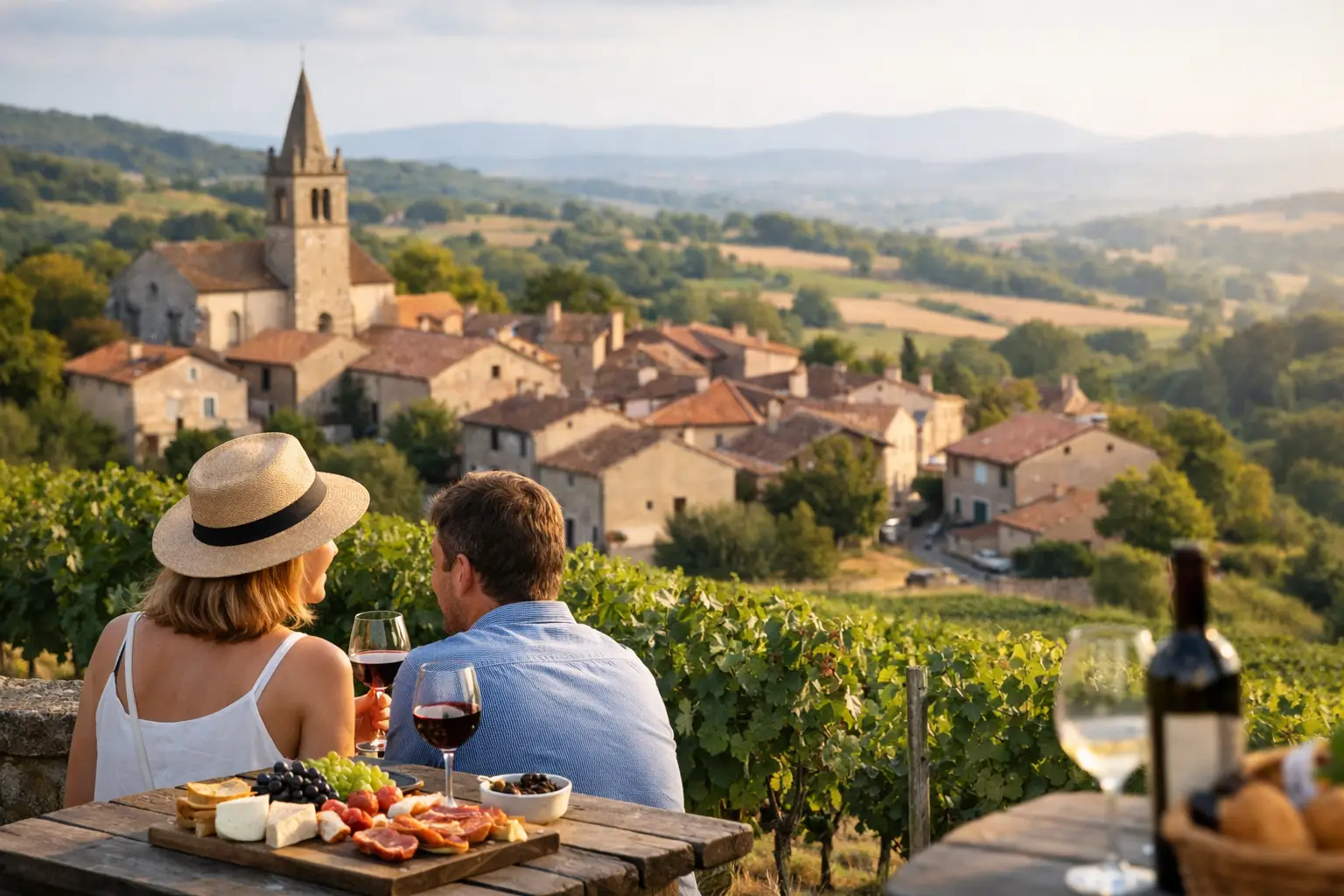
The best food and wine villages rarely announce themselves with fanfare. They appear after a bend in a country road, perhaps with a church tower above terracotta roofs, a handwritten chalkboard outside a café, and vines running untidily towards the horizon. You pull over for a quick coffee and, several happy hours later, find yourself ordering a second glass of something local while wondering whether the campervan can stay just one more night.
That is the particular magic of food and wine villages. They make a case for travelling slowly, eating what is in season and allowing the day to be shaped by a bakery queue, a market stall or a winemaker who is in no rush to send you away. For travellers who would rather remember the flavour of a village than tick off another famous sight, these places are the real itinerary.
Why food and wine villages stay with you
A city can give you choice. A great wine village gives you character. Its food and drink are not simply items on a menu but clues to the landscape: olives from the groves beyond the last houses, sheep’s cheese made in the next valley, and a red wine that tastes somehow warmer because you can see the slope where the grapes grew.
This connection is especially clear in places where the village and vineyard have grown up together over centuries. In Burgundy, a short walk can take you from a stone house with shutters to a narrow strip of Pinot Noir vines whose name appears on labels around the world. In Alsace, timber-framed lanes, bakeries and Riesling cellars sit almost shoulder to shoulder. Across Portugal’s Douro Valley, the rhythm changes again: whitewashed villages cling to steep hillsides above the river, and a simple grilled fish lunch feels perfectly matched to a bright local white.
The point is not to chase prestige. Some of the most memorable glasses come from a tiny family estate with a modest tasting room, where the person pouring may also have pruned the vines that winter. You do not need to know your tannins from your terroir to enjoy that conversation. A little curiosity goes a long way, particularly if it is accompanied by a warm loaf and a plate of regional cheese.
There is also a welcome lack of performance. In the right village, lunch is not a contest in finding the most photographed table. It is a long, cheerful pause in the day. You might eat stew in a room with tiled floors and locals at the next table, then wander out into the late-afternoon warmth with no pressing plan beyond deciding whether to buy a bottle for later.
How to find the right food and wine village
The obvious names are obvious for good reason, and there is nothing wrong with visiting them. Saint-Émilion, Sancerre, Barolo and Châteauneuf-du-Pape all offer that thrilling sense of arriving somewhere wine has shaped the local identity. But their popularity can bring coach parties, booked-out restaurants and tasting rooms that feel more like retail counters than introductions to a place.
For a softer, more personal experience, look one or two valleys away. Search for a regional market town near a recognised wine area, then use it as a compass rather than a destination in itself. The villages with one good boulangerie, a family-run inn and a handful of growers often provide the stories people return home with.
Timing matters as much as geography. Harvest brings atmosphere, tractors and the heady smell of crushed grapes, but it is not always ideal for a leisurely winery visit. Producers are busy, understandably dusty and focused on the work at hand. Late spring and early autumn are often the sweet spots: vines are lively, lunch terraces are open, and there is enough activity without the feeling of joining a procession.
If you are travelling by campervan, be especially considerate. Many villages have narrow streets built long before anyone imagined a reversing camera, and a handsome old square is not automatically an overnight stop. Park on the edge of town where permitted, walk in, and ask locally about suitable places to stay. It is kinder to residents and far less likely to turn a relaxing evening into an accidental three-point turn involving a fountain.
Let meals lead the day
The most reliable way to understand a village is to begin with its food. Visit the market in the morning, not just for provisions but for a glimpse of the local calendar. Asparagus, wild mushrooms, cherries, game, truffles and chestnuts all tell you something about the season and the terrain.
Then order the house wine at lunch. This is not a rule carved into a cellar wall, but it is often a remarkably good move. In a wine-growing village, the carafe is usually selected to work with the cooking, whether that means a peppery red beside charcuterie in the Languedoc or a chilled, mineral white alongside seafood on the Atlantic coast.
Ask one simple question: “What would you drink with this?” It opens the door without making anyone feel they are being examined. Most hosts are delighted to suggest a local bottle, and their answer can steer you towards styles you might otherwise overlook. A light red served cool on a warm afternoon can be every bit as satisfying as a grand bottle saved for a formal dinner.
The pleasures that do not fit in a tasting note
Wine travel has a tendency to become overly serious if we let it. There are maps to study, appellations to pronounce and the occasional bottle list that could double as a small novel. Yet the loveliest moments are often the least technical.
It might be the sound of plates being cleared from a shaded terrace while swallows loop overhead. It might be a shopkeeper wrapping a wedge of cheese in paper, then adding a few ripe apricots because they are at their best that week. Or it might be sitting outside your van at dusk, drinking a local rosé from ordinary glasses and watching the village lights come on one by one.
These scenes matter because they turn a bottle into a memory. Months later, a similar wine at home can bring back the dust on your sandals, the scent of rosemary after rain, or the faintly chaotic charm of buying bread in a language you only half speak. That is not wine snobbery. It is simply the pleasure of place, bottled rather beautifully.
A gentler way to plan a wine road trip
It is tempting to plot every cellar door, restaurant and viewpoint before leaving home. A little research is wise, particularly for weekend opening hours and small producers who welcome visitors by appointment. Still, food and wine villages reward an itinerary with breathing room.
Choose one or two anchors for the day: perhaps a market in the morning and a vineyard visit in the afternoon. Leave the rest open for detours, long lunches and the village that was not on your list but clearly ought to have been. If a tasting becomes convivial, do not rush off because an online map says there is another attraction twenty minutes away.
Equally, do not feel obliged to drink at every stop. Alternate tastings with walks, bakeries and quiet time by a river or in a village square. Share pours, keep water in the car, and save a promising bottle for the evening. The goal is not to collect the most labels. It is to travel well enough to notice where you are.
A good food and wine village gives you permission to do less, but enjoy it more deeply. Arrive with an appetite, ask what is local, and leave enough space in the day for the unexpected table, the unplanned tasting and the road that looks too lovely not to follow.