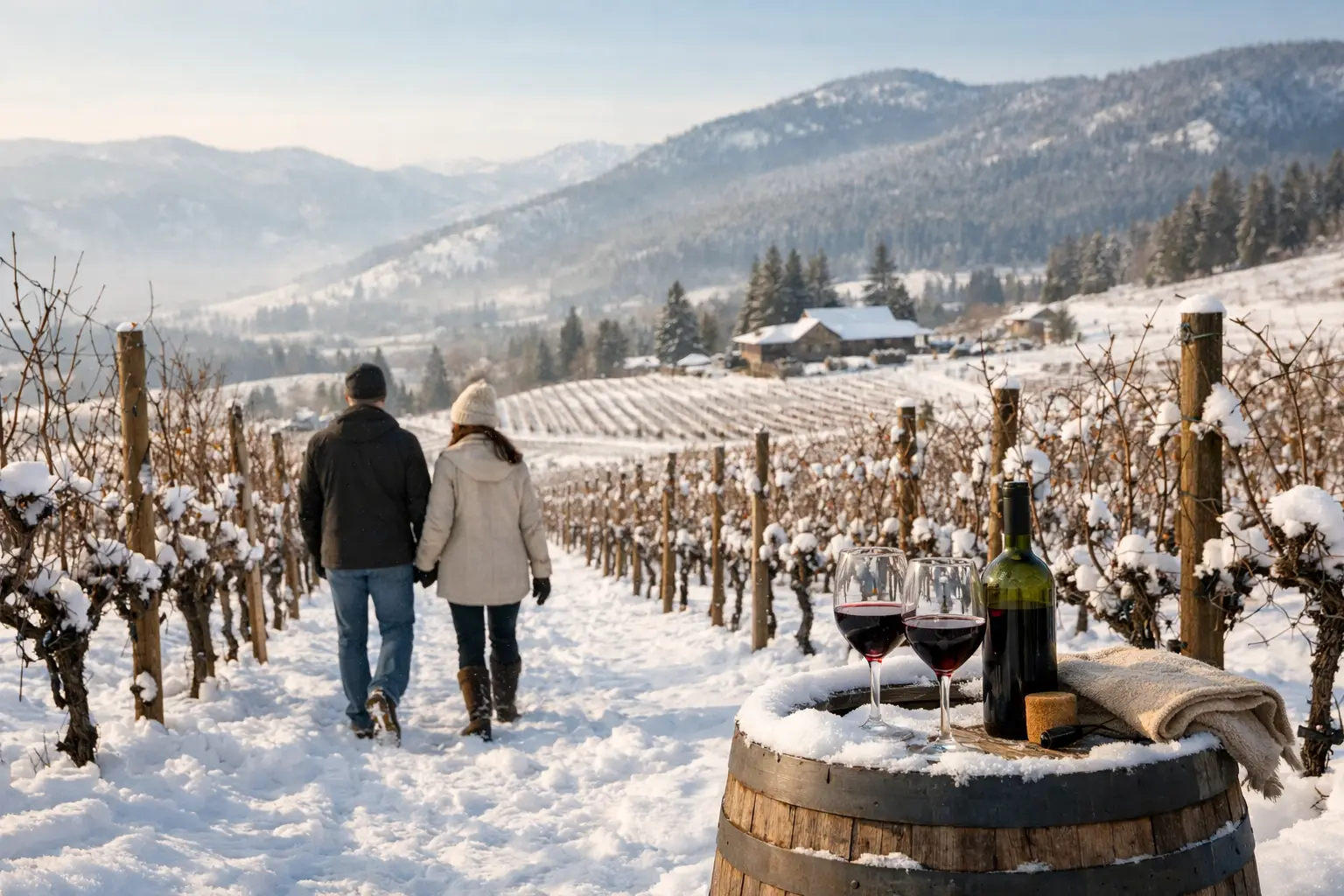
Can You Visit Vineyards in Winter? Absolutely
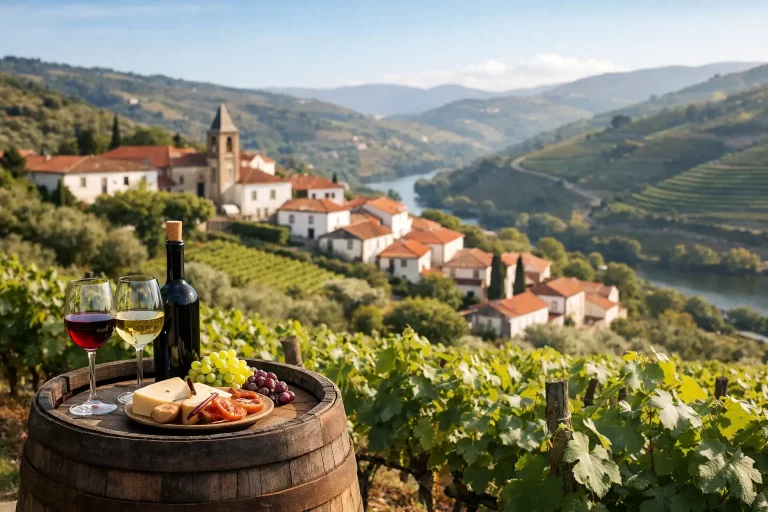
The vines looked almost hand-drawn against the pale January sky: dark, orderly lines climbing a chalky slope, with a low winter sun catching the church tower in the village below. It is a scene that answers the question, can you visit vineyards in winter, rather beautifully. Yes, you can – and for travellers who would rather linger over a tasting than queue for one, winter may be the loveliest time to go.
There will be no leafy green tunnel of vines and no harvest bustle. Instead, you get bare branches, woodsmoke curling from chimney pots, muddy boots by a tasting-room door and the welcome pleasure of walking into a warm cellar with a glass placed in your hand. It is wine country with its collar undone.
Why winter vineyards are worth the journey
A vineyard in summer is often a picture postcard. A vineyard in winter feels like a working landscape. The leaves are gone, which reveals the bones of the place: the slope of the land, the old stone walls, the distance between one tiny village and the next. In regions such as Burgundy, Champagne, the Douro, Rioja, Alsace and Tuscany, that clarity can be quietly spectacular.
Winter also brings a more personal rhythm. Many estates receive fewer visitors, so a tasting may be led by the owner, winemaker or someone who has actually been out among the vines that morning. Conversations tend to wander beyond the standard tasting script. You might hear why a particular parcel is always picked last, how frost keeps growers awake at night, or why last year’s rain made everyone mutter into their coffee.
For anyone drawn to slow travel, this is the real attraction. A day need not be crammed with six wineries and a frantic hunt for the next reservation. One thoughtful visit, a village lunch and a fireside glass at the end of the afternoon is plenty.
What vineyards do in winter
Do not mistake quiet for inactivity. Winter is a crucial season in the vineyard and cellar. Pruning usually begins after the vines have entered dormancy, often from late autumn into early spring depending on the region and weather. Workers cut back the previous year’s growth, making decisions that shape the following vintage long before a grape appears.
In the cellar, young wines from the recent harvest are settling, fermenting or maturing in tank, barrel or amphora. This can make winter visits especially interesting for curious drinkers. You may taste a wine still finding its feet, perhaps cloudy, bright with fruit or startlingly tannic, alongside an older vintage ready for the table. It is not always polished, but it is wonderfully revealing.
Some regions offer seasonal theatre of a different kind. In Champagne, cellars are gloriously sheltered from the cold and the underground galleries alone can justify a visit. In northern Italy, snowy vineyard views may come with hearty mountain cooking. In Portugal’s Douro Valley, the terraces take on a dramatic, almost monochrome grandeur, while Port lodges offer a warm refuge at the end of a scenic drive.
Can you visit vineyards in winter without disappointment?
You can, provided you plan for a different experience from a high-summer wine holiday. The biggest trade-off is availability. Small, family-run wineries may close for a few weeks after harvest, reduce their opening days or welcome visitors only by appointment. Restaurants in very seasonal villages can do the same. A road that feels delightfully empty in February can also lead you to a firmly shut door and a handwritten sign saying, rather optimistically, “Back in spring”.
Book vineyard visits in advance, particularly between December and February. Check not only opening hours but whether the visit includes a tour of the vines, the cellar, or simply a seated tasting. In wet weather, vineyard walks can be slippery and less appealing, although a good pair of waterproof boots solves much of the problem. Pack layers, a proper coat and shoes you do not mind introducing to mud.
If you are travelling by campervan, winter requires a little more forethought. Rural campsites may be closed, water points can be limited and mountain routes occasionally become difficult after snow. Yet the rewards are considerable: quieter roads, easier parking and evenings spent tucked up with a local bottle while rain taps gently on the roof. The romance is real, but so is condensation, so bring an extra blanket.
Where winter wine travel shines
The best destination depends on whether you want crisp air and candlelit villages, or gentler weather and long lunches outdoors. France is an excellent choice for traditional cellar experiences. Burgundy’s stone villages look made for winter, and a tasting in Beaune can be paired with boeuf bourguignon, a market visit and a slow wander past shuttered courtyards. Alsace brings half-timbered towns, generous food and aromatic whites that feel particularly right beside a rich meal.
For winter sun, consider southern Spain or Portugal. Rioja is often cold but bright, with serious cellars and comforting regional dishes. Further south, Andalucía can offer milder days, olive groves and sherry bodegas where the warmth is as much about hospitality as temperature. In the Alentejo, broad skies, cork oaks and robust reds suit travellers looking for open roads without the summer heat.
Italy is gloriously variable. Piedmont can be misty and chilly, which only improves the case for Barolo, truffles and a long lunch in a village trattoria. Tuscany is quieter than its summer self, with fewer crowds around the famous hill towns and plenty of cosy agriturismi. Sicily, meanwhile, can provide an altogether softer winter, with Etna’s snow-capped peak visible above vineyards that still catch the afternoon sun.
How to build a winter vineyard day
Start later than you might in summer. Frosty mornings are beautiful, but rural roads can be slow and tasting rooms rarely need you at 9am. Take a scenic route through the villages, stop for coffee and arrive at your first appointment late morning, when everyone has warmed up a little.
Choose one winery that offers depth rather than ticking off several names. Ask what is happening in the vineyard at that moment, and whether there is a recent vintage open alongside a mature bottle. These questions invite the kind of conversation that makes a visit memorable without requiring you to know every grape variety in Latin.
Lunch should be part of the plan, not an emergency sandwich eaten in the car park. Winter wine regions excel at dishes with substance: slow-cooked meats, earthy mushrooms, baked cheeses, beans, game and deep, savoury sauces. A local red suddenly makes much more sense beside the food it evolved to accompany. Even a bright white can become a revelation next to trout, tartiflette or a plate of buttery shellfish.
Save late afternoon for a village stroll or a second, shorter tasting. Winter light fades early, often turning hillsides silver, violet and gold for a brief, beautiful hour. Then settle somewhere warm. A small hotel bar, a fireplace table in a family restaurant or your own campervan kettle can be just as much a part of the wine experience as the cellar itself.
A few practical details that make all the difference
Driving is often the easiest way to reach vineyards, but designate a driver or arrange a taxi where possible. Tastings can be more generous in quiet season, and countryside taxis may need booking well ahead. If you are visiting several producers, consider staying in one village for two or three nights rather than changing base constantly.
Remember, too, that winter weather has a habit of becoming the story. Fog in the Langhe, a sharp Mistral in the Rhône, rain on a Portuguese terrace or a dusting of snow over the vines can alter plans. It can also make the eventual glass feel earned. Leave room in your itinerary for a long lunch, a delayed departure and the possibility that the prettiest thing you see all day is not a grand château, but an old man pruning vines beside a roadside chapel.
Winter will not give you vineyards in their showiest outfit. It offers something better for the unhurried traveller: time to see the landscape, meet the people behind the bottle and enjoy a village when it belongs, for a moment, almost entirely to you.