How to Build a Slow Travel Itinerary Well
The best journeys are rarely the ones with the longest list of sights. They are the ones where you remember the clink of glasses on a shaded terrace, the bakery you returned to twice, and the little village square that made you abandon your plans for the afternoon. Learning how to build a slow travel itinerary is really about leaving enough space for a place to get under your skin.
Slow travel is not simply travelling more slowly, although fewer miles certainly help. It is a deliberate choice to trade a frantic parade of check-ins for a fuller relationship with one region. Think of it as ordering the bottle rather than rushing through a tasting flight: you give it time to open up, and it usually rewards you for it.
Start with a region, not a country
A country can be tempting because it looks satisfyingly complete on a map. But France, Italy, Spain and Portugal are not weekend projects, no matter how persuasive a glossy itinerary might be. For a slow holiday, choose one compact region with a strong character of its own: the Alsace wine route, the Douro Valley, Puglia, the Languedoc, Andalucia or the rolling lanes of the Cotswolds.
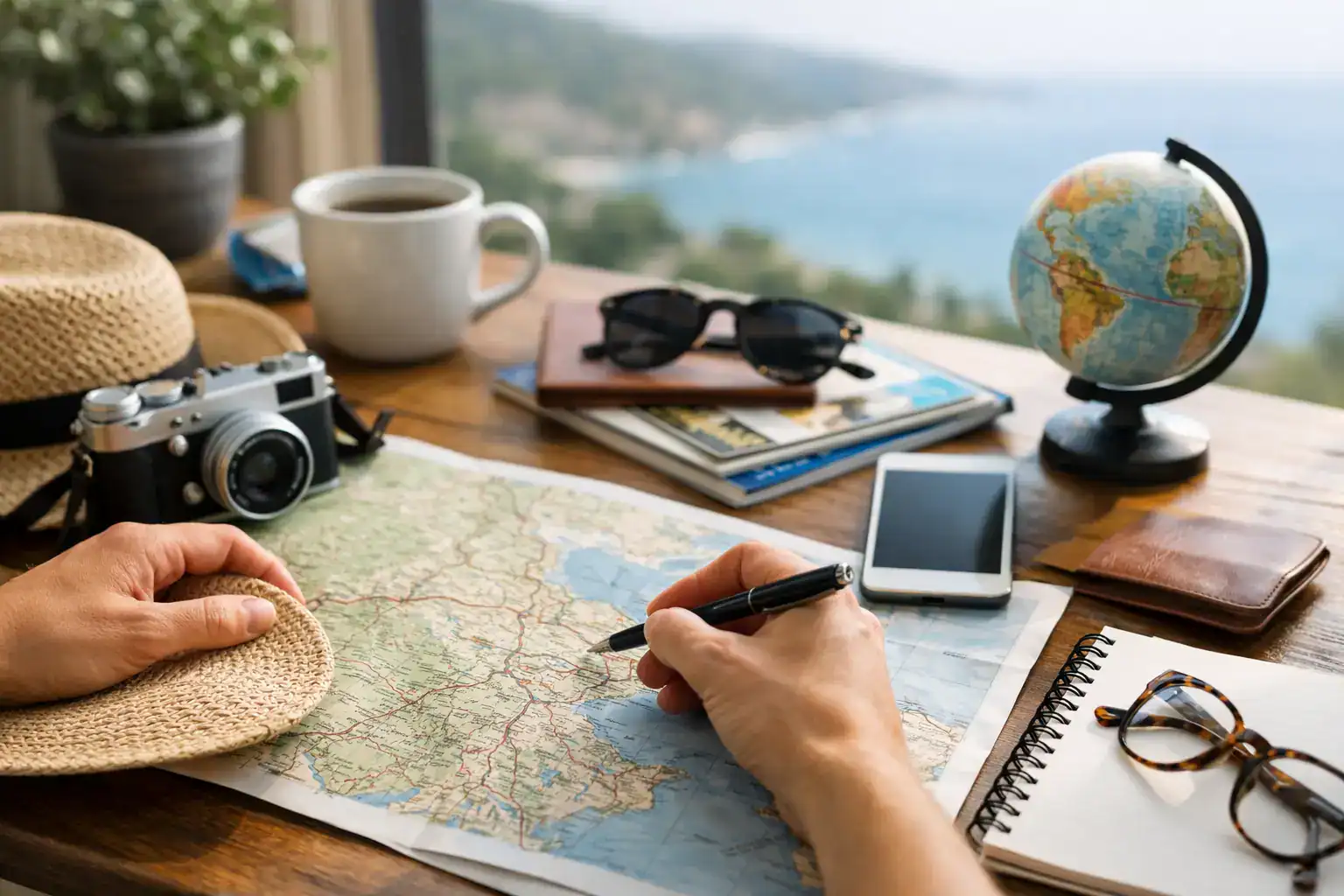
A useful rule is to choose a base area you could cross in around 90 minutes to two hours. That gives you variety without turning every outing into a motorway endurance test. You can move between a vineyard, a market town and a hilltop village while still being back in time to shower before supper.
Let the region offer a natural thread. Perhaps it is a grape variety you enjoy, coastal food, medieval architecture, a network of cycling paths, or simply the promise of warm evenings in a village piazza. A theme gently shapes your choices without making the holiday feel like homework.
How to build a slow travel itinerary around one base
The most practical decision you can make is staying put for longer. Aim for at least four nights in one place, and a week is even better. A farmhouse outside a market town, a small hotel in a village centre, or a well-placed campervan site can all work beautifully. The right base depends on the kind of quiet you want.
A village-centre stay brings morning coffee, an easy stroll to dinner and the pleasure of hearing local life begin outside your window. A rural base offers birdsong, vineyard views and the deliciously persuasive excuse to cook with market finds. If you are in a campervan, consider two or three nights at each stop rather than changing sites every morning. Packing up awnings, chairs and cables is nobody’s idea of la dolce vita.
Before booking, look at the practical details that shape a relaxed day. Is there a grocer, café or bakery nearby? Can you walk safely into town? Is parking manageable? Are the roads likely to be stressful after a long flight? An idyllic stone cottage at the end of a hairpin-filled lane may be perfect for some travellers, but less charming when you are trying to locate it in rain at dusk.
Give each day one proper purpose
A slow itinerary works best when every day has one anchor rather than five. That anchor might be a winery visit at 11am, a Saturday market, a long coastal walk, a cooking class, or lunch at a restaurant you have been quietly thinking about for months. Everything else should be optional.
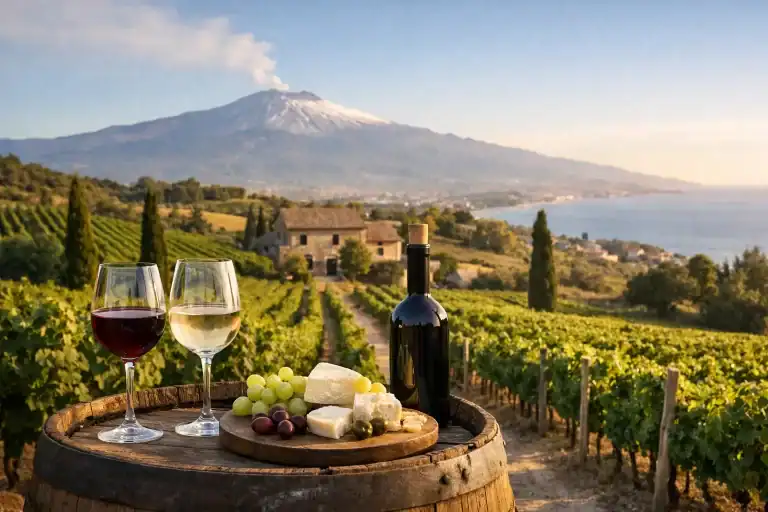
If a tasting is the main event, do not book another one immediately afterwards simply because it is nearby. Leave time to linger over a platter of local cheese, drive the scenic route home, or stop when a church tower, roadside produce stall or particularly handsome plane tree catches your eye. Wine regions are made for detours, and a good itinerary should permit them.
It also helps to alternate your energy. Follow a busier day with an unplanned one. After a morning exploring Siena, for example, you might spend the next day buying peaches, reading by the pool and heading out only for an early evening aperitivo. Those quieter days often become the memories that feel most like a holiday.
Plan mornings and evenings, leave the middle loose
There is a small magic to having a loose shape to the day. Mornings are ideal for markets, walks and popular villages before the crowds arrive. Evenings are for supper, a local bar and the golden-hour drive back through the vines. The middle can remain gloriously uncommitted.
This is especially useful in hot regions. A long lunch followed by a rest is not wasted time; it is local wisdom with better table wine. If you are travelling in peak summer, plan outdoor sightseeing early, then keep afternoons for swimming, a cool museum, or a nap behind shuttered windows.
Choose fewer wine experiences, and choose them well
For wine lovers, it can be tempting to fill the diary with cellar doors. Yet three thoughtful visits across a week often feel richer than ten rushed tastings. Select producers with different stories: perhaps a historic estate, a small family grower and a cooperative that explains the region’s wider community.
Check whether visits require an appointment, whether tastings are conducted in English, and how you will get back to your base safely. Spittoons exist for a reason, but so do designated drivers, taxis and guided excursions. There is no prize for treating a beautiful wine route like a pub crawl.
Build a little food into the plan, too. Regional wine becomes much more memorable beside the dishes that grew up with it: crisp white wine with shellfish near the coast, a peppery red with grilled lamb, or a local rosé beside a plate of sun-warmed tomatoes. You do not need technical tasting notes. Notice what you like, jot down the name, and bring home a bottle if it is practical.
Protect your empty spaces
The hard part of slow travel is not finding wonderful things to do. It is resisting the urge to book every wonderful thing you find. When you leave a morning blank, you make room for the handwritten sign advertising a village fête, the recommendation from your host, or the sight of a vineyard lane that looks too lovely not to follow.
Try reserving only a few non-negotiables before you leave: accommodation, one or two sought-after restaurants, and any winery or activity with limited places. Keep the rest in a short wish list organised by area. Then, each evening, choose tomorrow’s outing according to the weather, your mood and how long dessert lasts.
Weather deserves more influence than many itineraries allow. A stormy day may be perfect for a museum, a wine bar or a long lunch. A clear morning may be the moment for that panoramic hike you had mentally filed under someday. Flexibility is not poor planning. It is planning with enough confidence to listen to the day.
Make room for ordinary local life
A slow travel itinerary should contain a few deliberately ordinary pleasures. Buy bread from the same baker two mornings running. Visit the greengrocer and ask what is good that day. Sit in the square without photographing every chair. If you have a kitchen, cook one uncomplicated supper with local ingredients and a bottle chosen at the vineyard rather than the supermarket shelf.
These are not gaps between the headline attractions. They are the texture of place. You begin to recognise the local rhythm: when shutters open, when the church bell marks the hour, when families gather for supper, and when the village grows quiet again.
Travelling slowly does not mean seeing less in a disappointing sense. It means noticing more of what you do see. Give your chosen region enough time, keep your days lightly held, and let one good lunch lead naturally into the next small discovery. The itinerary will look less impressive on paper, perhaps, but it will feel far more alive when you are home.
If you’re looking for tours, attractions and experiences across the UK and Europe, you can browse and book here: https://tripadvisor.tpk.ro/D6WNK34w
Affiliate Disclaimer
This article contains affiliate links. If you book tours, attractions or experiences through these links, we may earn a small commission at no additional cost to you. We only recommend services that we genuinely use,

One Comment
Comments are closed.