Your Friendly Guide to Wine Travel for Beginners
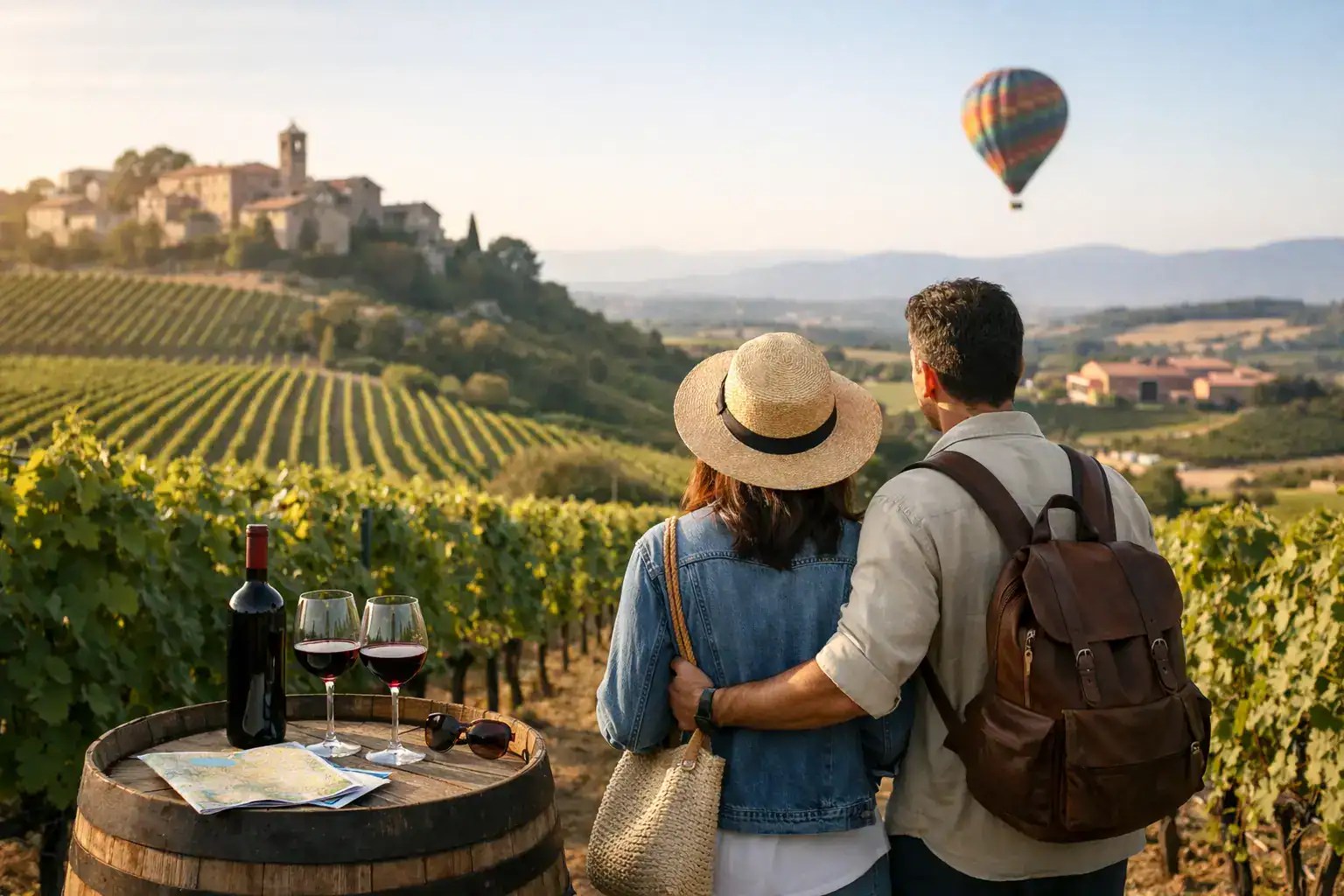
The first proper vineyard visit can feel rather like arriving at a beautiful party where everyone else knows the etiquette. There are rows of vines glinting in the afternoon light, a cellar door beyond a gravel courtyard, and a wine list full of names you cannot quite pronounce. This guide to wine travel for beginners begins with the reassuring truth: nobody expects you to know everything. Curiosity, a sensible plan and a willingness to linger are far more useful than a pocketful of tasting notes.
Wine travel is not about racing between famous estates or proving that you can identify a hint of wet stone in a glass of Riesling. At its best, it is slow travel with a bottle on the table: a conversation with the person who made it, a village lunch that runs gloriously late, and a drive through a landscape that suddenly makes the wine taste more meaningful.
Start with one region, not an entire country
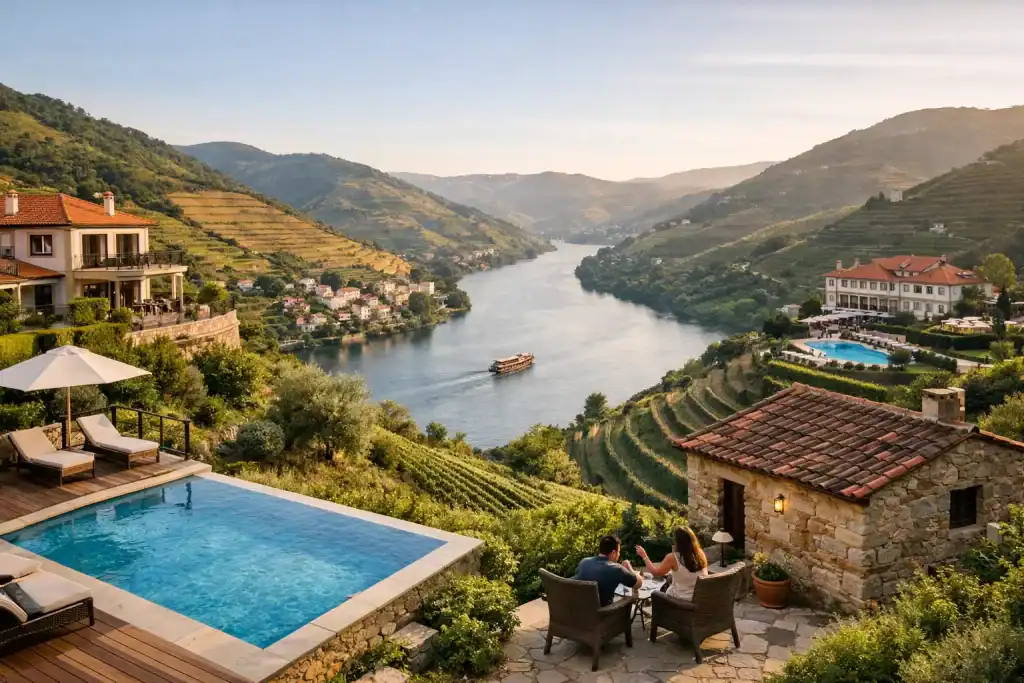
For a first wine-focused holiday, choose a compact region with vineyards, food and places to stay close together. Trying to cover all of Tuscany, Bordeaux or the Douro in four days is a quick route to seeing very little apart from car parks and roundabouts. Instead, base yourself in one town or village and let the days unfurl from there.
A good beginner-friendly region has more than celebrated bottles. Look for pretty villages, walking routes, local markets and small restaurants, so the holiday still feels rich if you only visit one winery on a particular day. Alsace, the Loire Valley, La Rioja, Veneto, the Mosel and South Africa’s Winelands all offer this pleasing mix of vineyard scenery and everyday life.
Think about the style of wine you already enjoy, but do not let it dictate every decision. If crisp whites are your usual order, a few days in the Mosel or Alsace may feel instantly welcoming. If you favour generous reds and long, lazy lunches, La Rioja or the Rhône could suit you beautifully. Yet travel has a funny way of changing the palate. The person who claims never to drink rosé may find themselves very happy with a chilled local bottle under a Provençal plane tree.
Choose the season for the trip you actually want
Harvest season is wonderfully atmospheric. Vineyards hum with activity, tractors pass on narrow lanes and the air can carry the sweet, yeasty scent of crushed grapes. It is also busy, and winemakers may have less time for leisurely visits. Book appointments well ahead and expect the occasional change of plan.
Spring brings fresh green vines, blossom-filled villages and generally gentler crowds. Summer delivers long evenings and outdoor tastings, though popular European regions can be hot and lively. Autumn offers golden hillsides and hearty food, while winter can be quiet, intimate and excellent value, particularly for cellar visits and restaurant tables.
There is no universally perfect moment. A harvest trip feels vivid and energetic; a January escape can feel like having the cellar to yourself. Decide whether you are seeking buzz or breathing space, then plan accordingly.
How to plan a wine trip without overplanning it
The most useful rule is modesty. Book one serious tasting or winery tour a day, perhaps two if they are close together and one is informal. A good visit can last longer than expected, especially when the host is generous with stories, snacks or a second pour of something special.
Leave room for the unplanned pleasures: a church bell sounding over a square, a hand-painted sign pointing to a farm shop, or the small bar where locals are drinking a wine you have never seen at home. These are not gaps in the itinerary. They are usually the bits that stay with you.
Before booking, check whether a winery requires an appointment, whether tours are offered in English, and whether children or dogs are welcome if that matters to your party. Confirm the cost, the duration and whether tasting fees are deducted from purchases. Small producers often cannot accommodate drop-ins, particularly during harvest, so a little politeness in advance goes a long way.
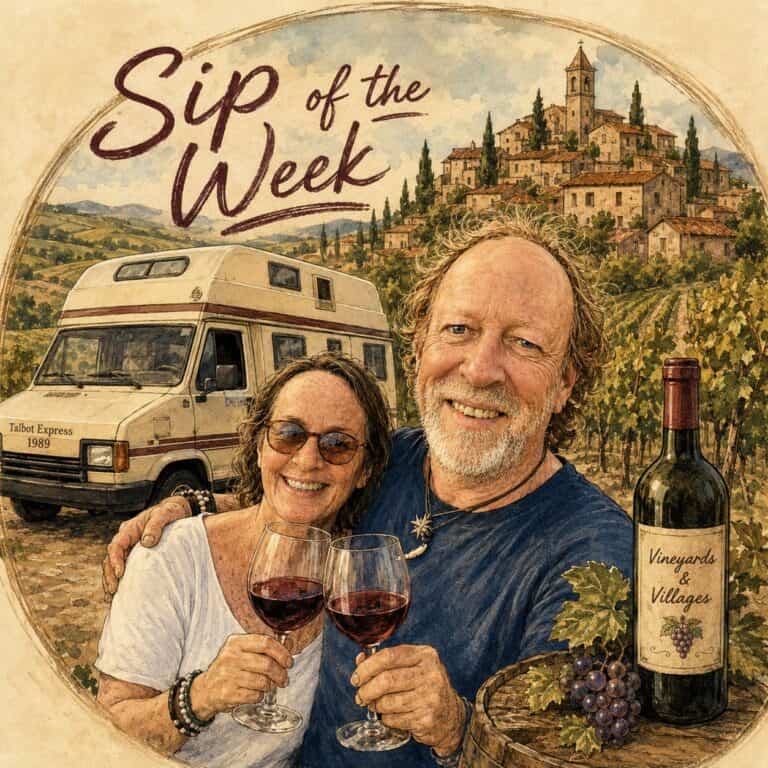
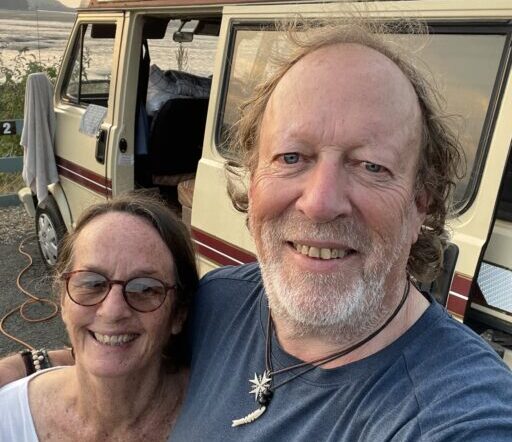
If you are travelling by campervan, take particular care with access. Vineyard roads can be narrow, steep and shaded by low branches. A nearby campsite or village aire, followed by a taxi or local driver, is sometimes the wiser choice. Romance is lovely, but scraping a wing mirror on an ancient stone wall is not the sort of souvenir anyone needs.
Build in a driver-free day
Wine travel and driving require a grown-up arrangement. The safest option is to use a local guide, taxi, cycling tour or public transport where practical. If you do drive, appoint a designated driver who does not taste, rather than relying on guesswork about limits that vary between countries.
Spitting at a tasting is entirely normal and never rude. It may feel slightly theatrical at first, but it lets you pay attention to the wine without turning a calm afternoon into a nap. Drink water, eat properly and never confuse a picturesque vineyard lane with a private invitation to be careless.
A guide to wine travel for beginners at the tasting table
You do not need a rehearsed vocabulary. Start with what you notice: is the wine light or rich, fresh or warming, fruity or savoury? Does it make you think of lemon peel, cherries, herbs, toast, pepper or something else entirely? There is no prize for sounding technical, and there is certainly no shame in saying, “I like that one.”
A simple rhythm helps. Look at the colour, smell the wine, take a small sip, then pause. Ask what grape it is, how the producer works in the vineyard, and what people locally eat with it. Those questions tend to open the most interesting conversations because they connect the glass to the place around you.
Do not feel obliged to buy a bottle you do not enjoy. Equally, do not dismiss a wine because it is unfamiliar or served differently from what you expect. A slightly cloudy young wine, a bone-dry local white or a red served lightly chilled may be exactly how it is meant to be enjoyed. Wine is full of traditions, but it is not an exam.
Let food do some of the guiding
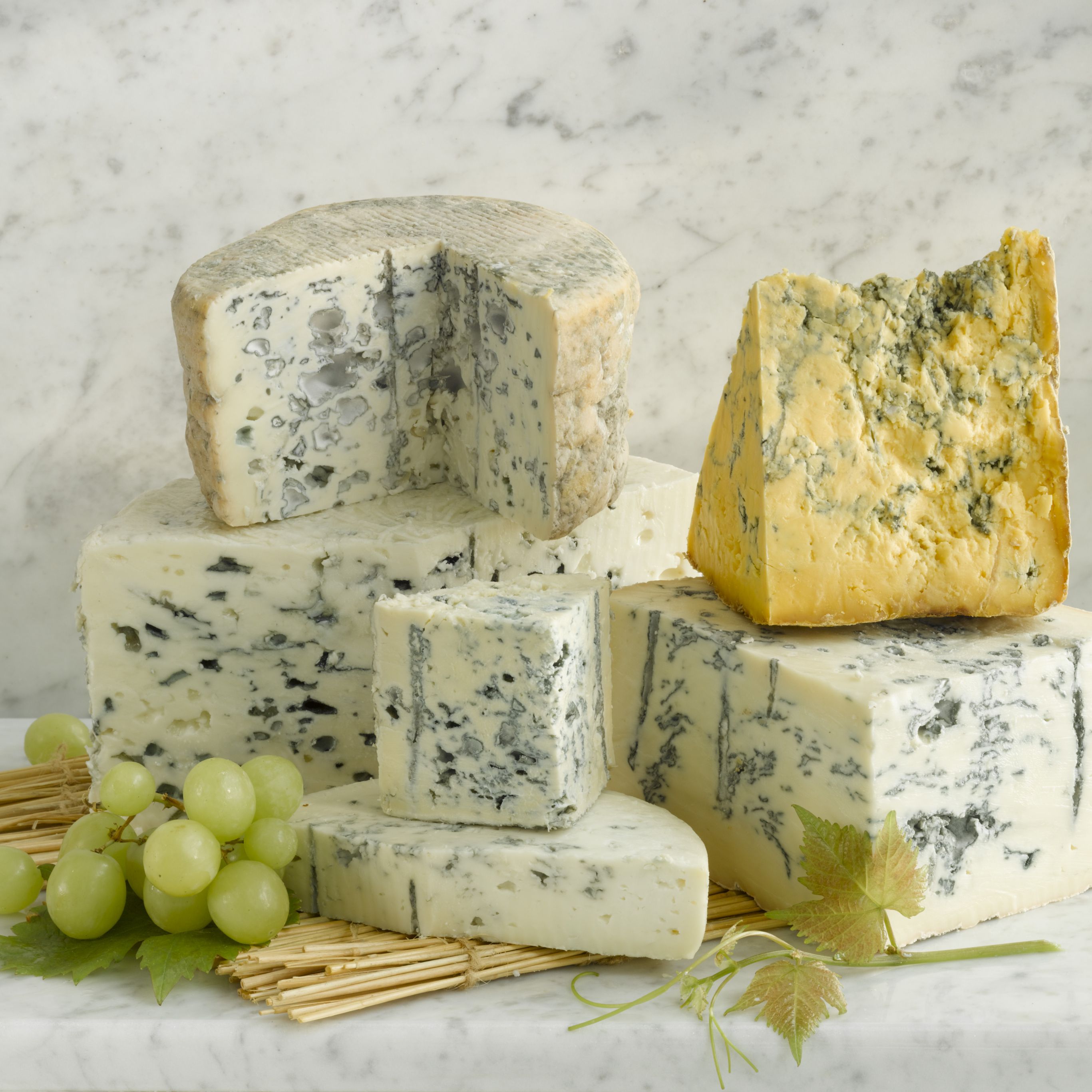
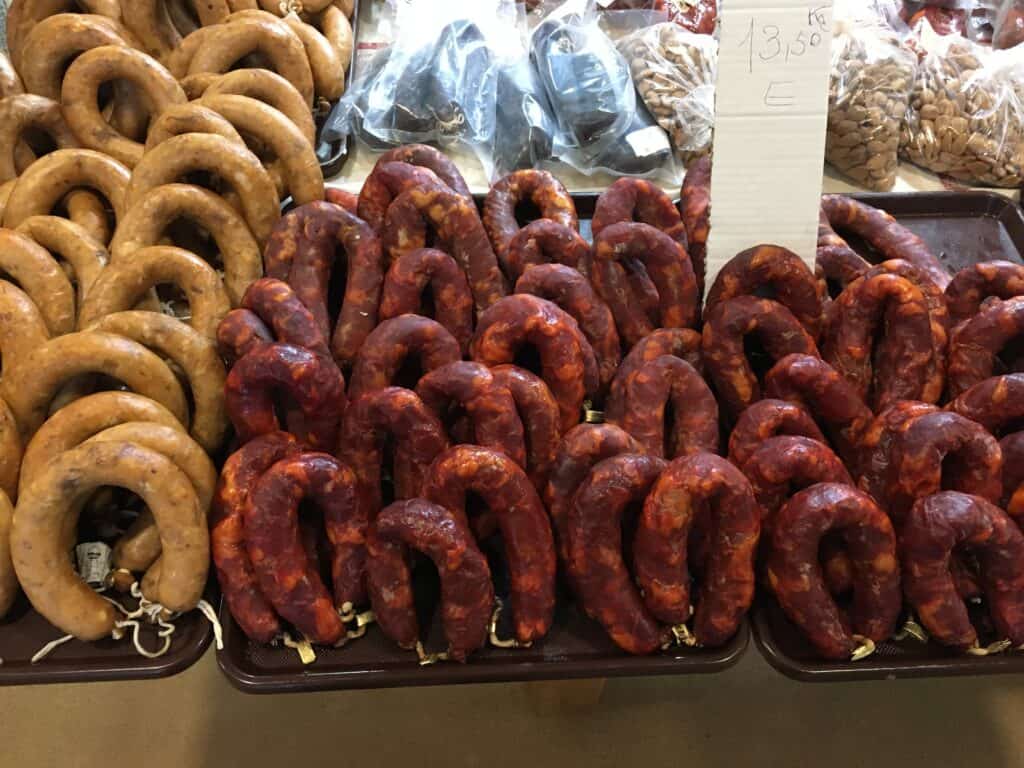
The easiest way to understand a region’s wines is to eat its ordinary food. Order the local cheese, stew, charcuterie, fish dish or vegetable tart, and ask for a wine from nearby. Regional pairings evolved because people lived with the landscape, not because someone was trying to impress a restaurant guide.
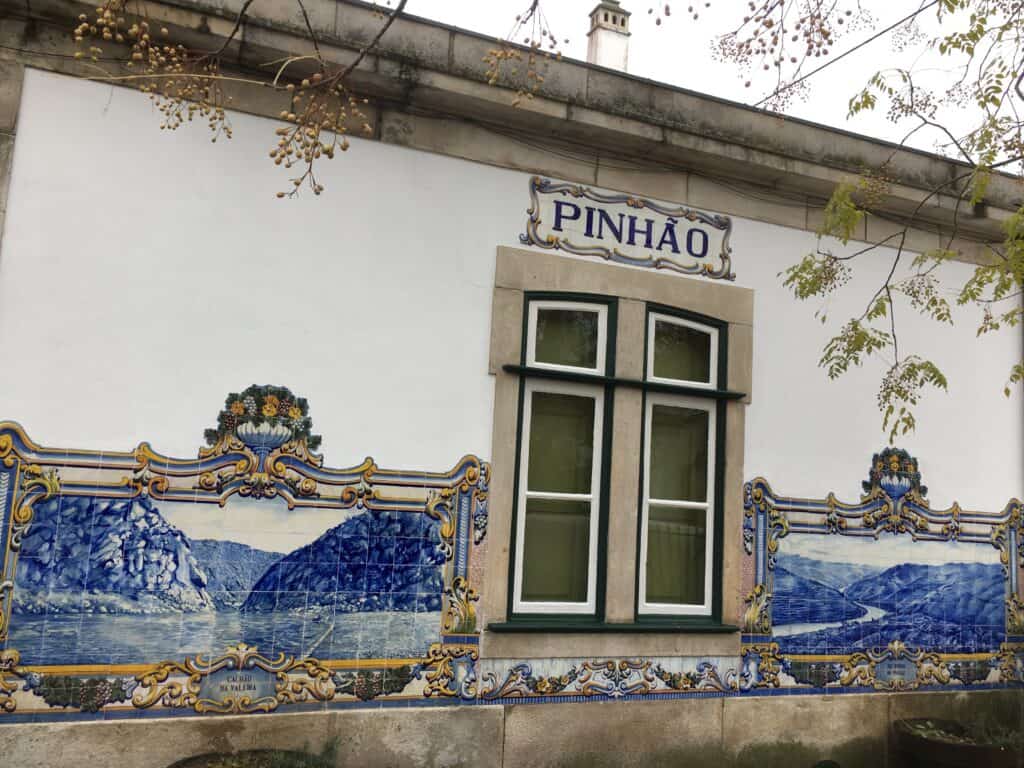
In the Douro, that may mean a structured red beside grilled meat and smoky potatoes. But then, in Alsace, it could be a bright white with tarte flambée. In a village in northern Italy, a humble plate of pasta and a carafe from the next valley may teach you more than an expensive tasting flight ever could.
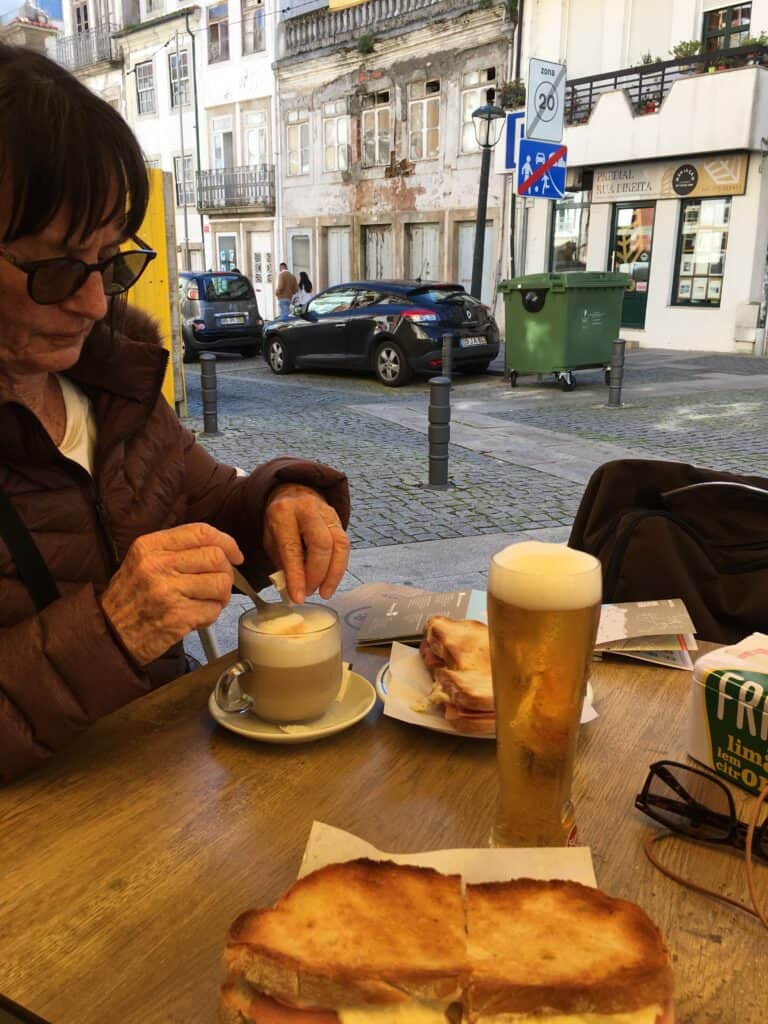
It is worth booking one restaurant meal that feels special, but leave other meals loose. Buy bread, fruit, cheese and something local from the market, then picnic where permitted with a view of the vines. The best wine holiday lunches are often the ones with slightly wonky tomatoes, a folding knife and no need to be anywhere for an hour or two.
Buy bottles with your journey home in mind
A cellar-door purchase is a lovely memory, but consider luggage limits, heat and customs rules before filling the boot. Buy a few bottles you genuinely want to open, rather than treating every tasting room as a test of willpower. Ask which wines are ready to drink and which need time, especially if you are tempted by a grander bottle.
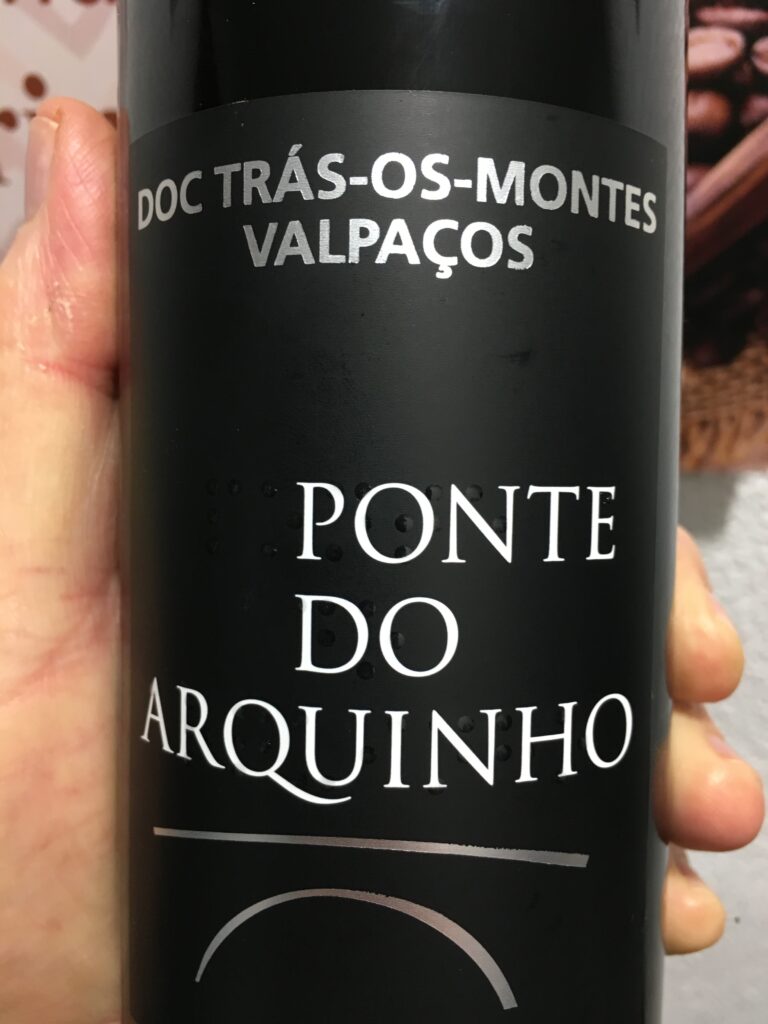
Take a photograph of labels, jot down the village and note what you ate with the wine. A short note such as “drank on rainy terrace after market” will be more useful later than a score out of 100. Back home, those details can bring the trip rushing back: the warm stone walls, the scent of damp earth after rain, the sound of glasses being cleared from the next table.
Most of all, give yourself permission to travel at your own pace. One memorable winery, one excellent lunch and one quiet walk through the vines can make a better day than six hurried tastings. The bottle matters, of course, but the real pleasure is learning to recognise how a place feels – then carrying a little of that feeling home with you.
If you’re looking for tours, attractions and experiences across the UK and Europe, you can browse and book here: https://tripadvisor.tpk.ro/D6WNK34w
Affiliate Disclaimer
This article contains affiliate links. If you book tours, attractions or experiences through these links, we may earn a small commission at no additional cost to you. We only recommend services that we genuinely use, trust or believe will add value to your travels. Thank you for your support