Campervan Wine Travel Tips for Better Road Trips
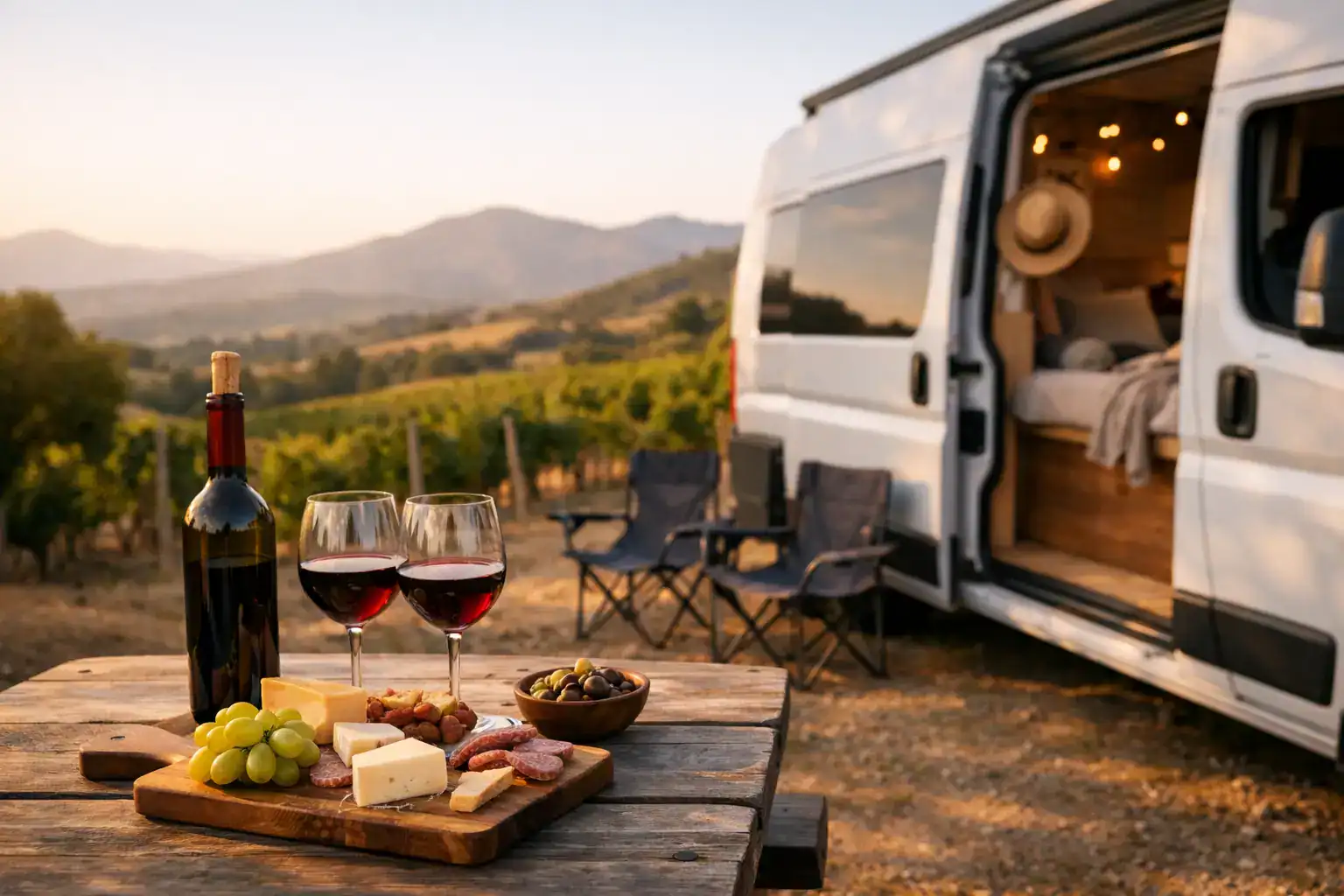
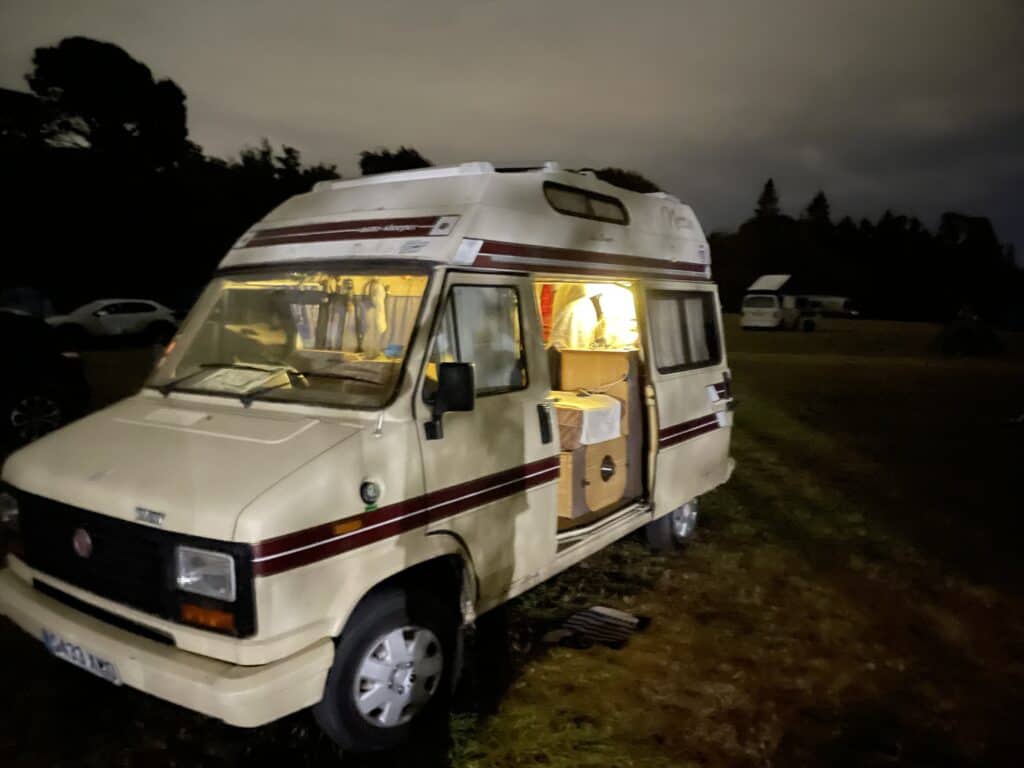
A campervan parked beneath plane trees, a village boulangerie around the corner, and a vineyard tasting booked for late afternoon: this is the sort of day campervan wine travel tips are made for. The romance is real, but so is the practical question of where the bottles go when the sun turns the van into a small greenhouse. A little forethought means you can enjoy the region in your glass without turning the journey into a game of rolling bottles, warm rosé and questionable decisions.
Campervan wine travel tips that start before the first vineyard
The loveliest wine trips have a gentle rhythm. Rather than plotting six tasting rooms in one day, choose one wine area and give it breathing room. Arrive early enough to walk through the village, linger over lunch, and notice whether the local red is served slightly chilled or whether everyone is drinking pale, peppery rosé beneath the awnings.
When planning, look for vineyards within easy reach of your overnight stop, not merely those that look tempting on a map. A tasting at an estate several winding kilometres from your campsite may be perfectly possible, but only if one person is not drinking or you have arranged a taxi. Wine travel is meant to make a road trip richer, not to make driving stressful.
Book smaller, family-run producers where you can. They often offer the most memorable conversations, especially if you are curious rather than trying to sound like you have swallowed a tasting note. Tell them you are travelling by campervan. They may suggest a nearby village aire, a farm stop, a local restaurant, or a bottle that will survive a few warm days better than a delicate white.
Taste with a plan, not a stopwatch
A vineyard tasting is a pleasure, not a pub crawl with prettier views. If you are driving afterwards, appoint a driver who does not drink, use public transport or a taxi where practical, or taste and spit. Professional tasters do it for a reason, and a good producer will not bat an eyelid. Ask for a spittoon if one is not already on the counter.
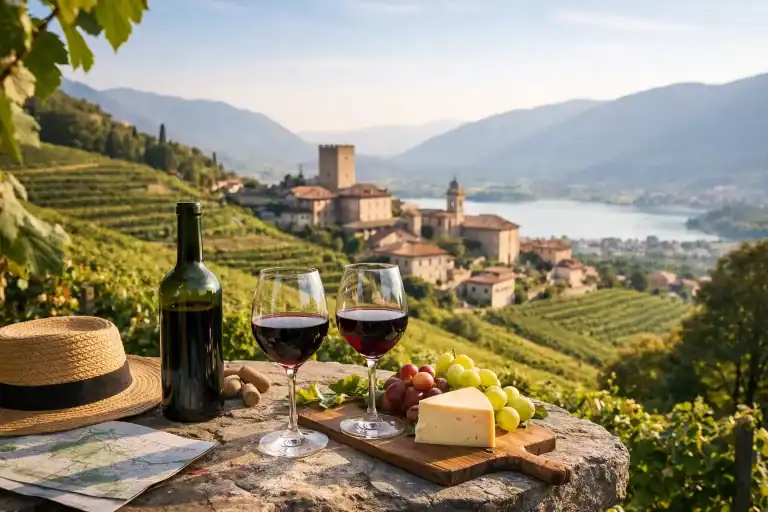
It also helps to eat properly. A wedge of local cheese is not just a fine excuse to sit in a shady square; it slows the pace and gives the wines some context. That crisp Loire white may suddenly make sense beside goat’s cheese, while a rustic southern French red becomes much friendlier with charcuterie and warm bread.
Keep an eye on opening hours too. Rural vineyards may close for lunch, observe seasonal hours, or require an appointment. There is something deeply unromantic about arriving at a handsome stone cellar door at 2.15pm to find the shutters closed until four. Let that be an excuse for a village wander, not a reason to rush.
Buy less, but buy with a story
It is easy to get carried away after a generous tasting. Six bottles become twelve, then a mixed case appears, and suddenly the van’s payload has acquired a serious interest in grenache. Buy wines you will genuinely enjoy opening later, and leave room for discoveries further down the road.
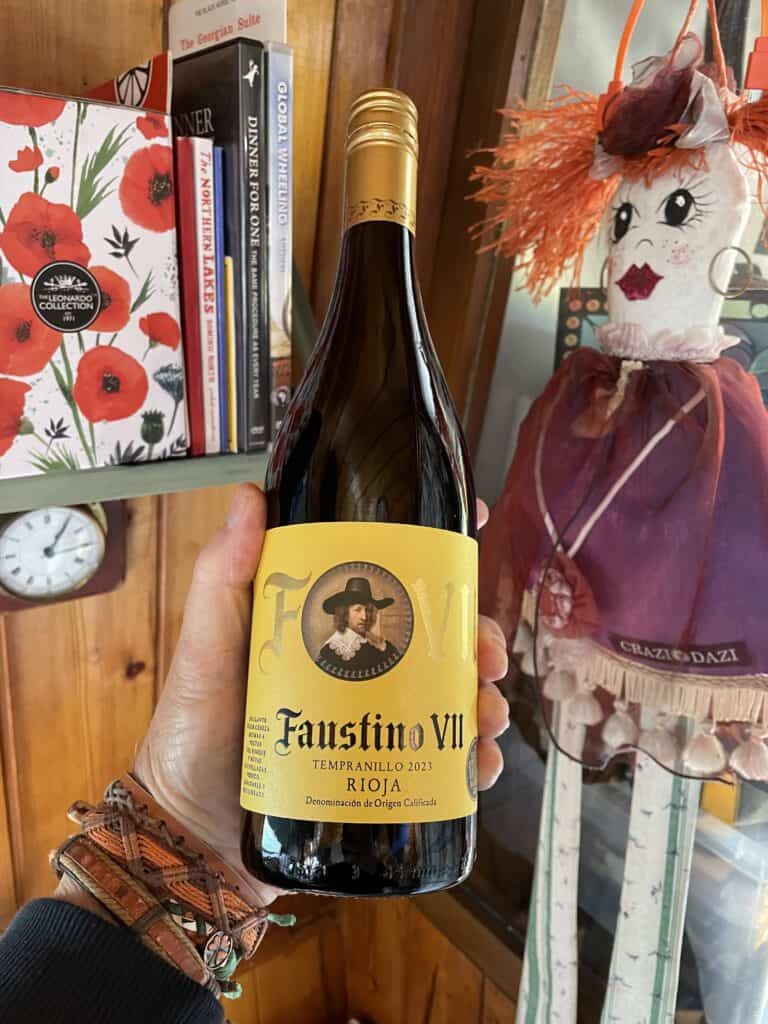
A useful approach is to choose one bottle for an upcoming meal, one that represents the producer particularly well, and perhaps one with enough structure to take home. Make a note of where it came from and what you ate or saw that day. The label will bring some of it back, but not always the cicadas, the dusty road, or the old gentleman who insisted you try his apricots.
Ask how the wine should be stored and when it is best drunk. Many regional bottles are made to enjoy young and are perfect campervan companions. Others may need cooler, steadier conditions than a touring van can offer. There is no shame in choosing the bottle made for a Tuesday supper outside, rather than the one that needs a cellar and a decade of patience.
Keep your bottles cool, still and out of sight
Heat is the campervan wine traveller’s quiet enemy. Even a moderately warm day can send temperatures soaring inside a parked vehicle, particularly in cupboards near a window, engine bay or rear garage. Never leave wine in direct sunlight, and avoid storing it close to the hob, heater or anything that vibrates constantly.
For a few bottles, a padded wine sleeve or divided crate placed low in the van is usually enough. Wrap bottles in tea towels if necessary – they are remarkably useful little shock absorbers. Keep corked bottles on their sides when possible, while screw-capped bottles can sit upright. The key is stopping glass from knocking together when you take a bend with more enthusiasm than the road deserves.
If you have a compressor fridge with room, reserve it for the evening’s white, rosé or sparkling wine rather than trying to refrigerate your whole collection. A bottle that has become too cold can rest for ten minutes on the table. A bottle that has baked all afternoon is rather harder to rescue.
For longer journeys, consider a small insulated cool bag with reusable ice packs, but do not let bottles sit directly against frozen blocks for hours. Extreme swings in temperature are no great favour to wine either. The aim is cool and stable, not arctic expedition.
The matter of weight and security
Wine is heavier than it looks. A full case adds real weight, and in a compact campervan it can affect storage, payload and how tidily everything travels. Spread bottles across secure, low-level compartments rather than loading them all into one high cupboard. Check that your chosen spot remains safe when the bed is made, the table is folded away and the van is in motion.
Keep purchases out of view when parked. A wine region may feel wonderfully peaceful, but an unattended van full of bottles is still an unattended van full of bottles. Lock up, take valuables with you, and do not advertise your haul through an open side door.
Let the village do some of the work
The best campervan wine trips are not built entirely around estates. They are shaped by the villages between them: a market where you find walnuts and ripe peaches, a cave cooperative with a handwritten chalkboard, a tiny bar pouring one local white by the glass, or a restaurant owner who tells you which hill catches the last light.
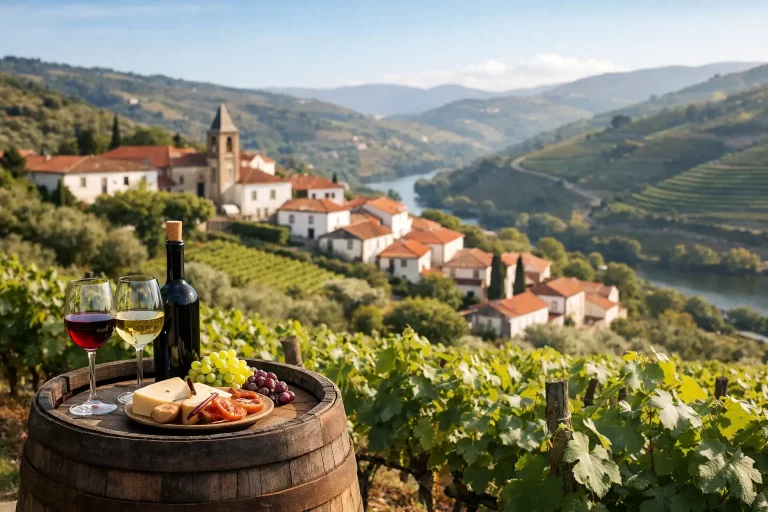
Seek out regional food shops and ask what locals drink with the area’s everyday dishes. In Alsace, that might point you towards a dry riesling and tarte flambée. In the Douro, perhaps a bright local red with grilled meats. Along the Italian coast, a cold bottle of mineral white beside seafood may be exactly what the day requires. The point is not to collect famous names. It is to taste a place in a way that feels natural to it.
This is also kinder on the budget. The most famous estates can be wonderful, but village cooperatives and independent shops often offer excellent bottles at prices that encourage curiosity. A modest, local wine enjoyed outside your van as church bells mark the evening can be more memorable than an expensive bottle opened in a hurry.
Make the evening bottle part of the journey
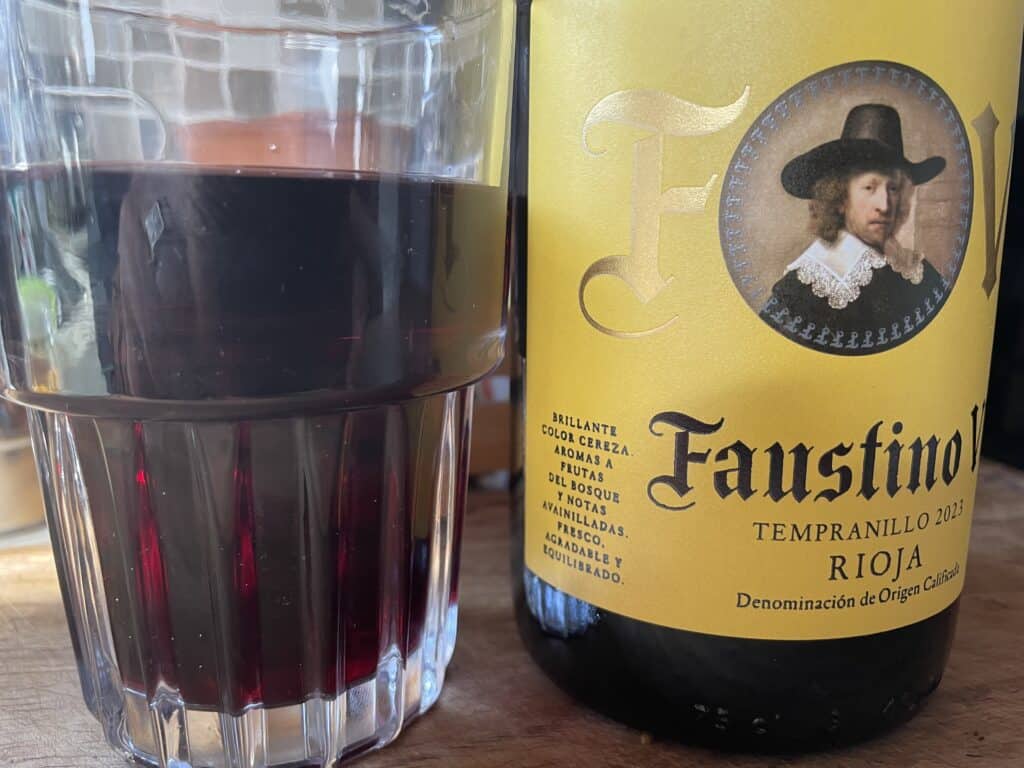
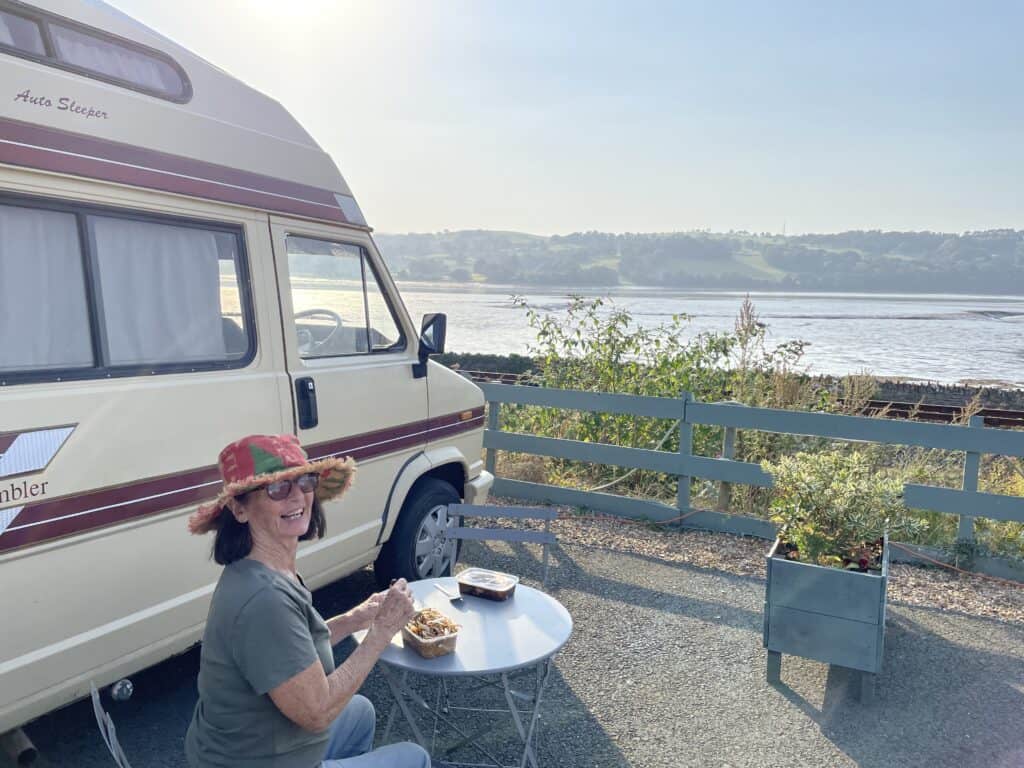
Once you are parked for the night, the pace changes. Choose an authorised overnight stop or campsite, settle in fully, and only then open the wine. Chill it while you walk to the viewpoint or prepare supper. Use proper glasses if you have space, but do not let perfect be the enemy of pleasant. Sturdy stemless glasses work beautifully in a campervan.
A simple ritual helps. Open one bottle, make something uncomplicated, and talk about the day before screens steal the evening. Perhaps the wine was bought from the woman whose family has tended the same slope for generations. Perhaps it came from a cooperative in a village you nearly drove past. Either way, it belongs to more than a shopping bag now.
Pack lightly, taste thoughtfully and leave plenty of room for the unexpected turn-off. The finest bottle of a campervan trip is often not the grandest one, but the one that tastes of the road you were glad you took.
If you’re looking for tours, attractions and experiences across the UK and Europe, you can browse and book here: https://tripadvisor.tpk.ro/D6WNK34w
Affiliate Disclaimer
This article contains affiliate links. If you book tours, attractions or experiences through these links, we may earn a small commission at no additional cost to you. We only recommend services that we genuinely use, trust or believe will add value to your travels. Thank you for your support

One Comment
Comments are closed.