A Guide to Malta Wine Travel
You can swim in Malta before lunch, taste a sun-warmed white in a vineyard by mid-afternoon, and be eating rabbit stew in a limestone village by evening. That, really, is the charm behind this guide to Malta wine travel. The islands are small enough to feel manageable and rich enough to reward a slower pace, which is exactly how wine country ought to be enjoyed.
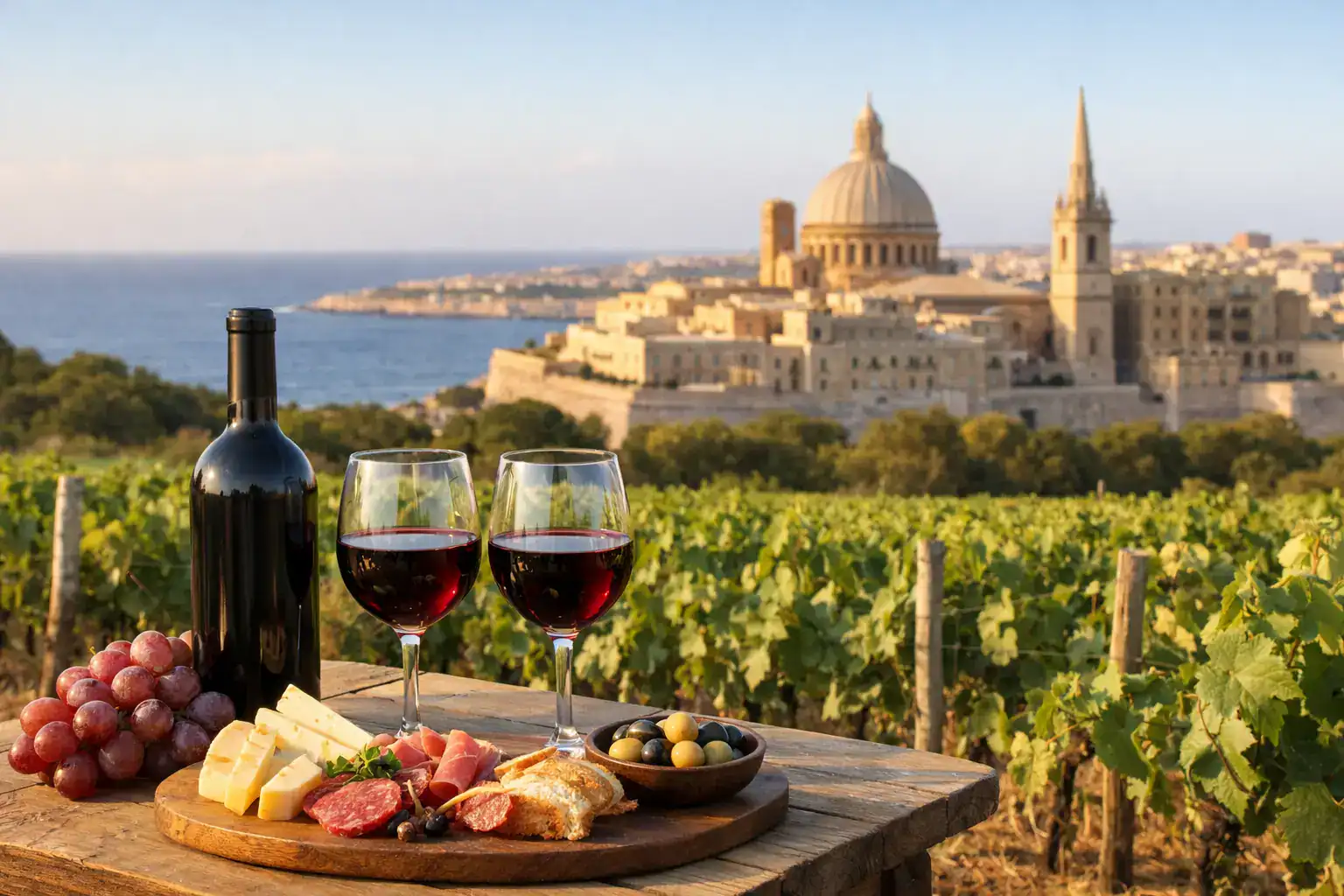
Malta does not arrive with the same trumpet blast as Tuscany or Rioja. It is quieter than that, and far more intimate. The vineyards sit close to the sea, the roads rarely carry you very far, and the whole experience feels stitched together by stone terraces, church domes and flashes of blue water. If you like your wine trips with a side of history, salty air and the occasional glorious wrong turn, Malta makes a very persuasive case.
Why a guide to Malta wine travel needs a slower pace
The first thing to understand is that Malta is not a destination for grand, sweeping wine estates where you disappear for an entire day and emerge with a boot full of cases. The pleasure here is more compact. Wineries are woven into a wider island rhythm of fishing villages, baroque towns and sunlit coastlines. A tasting is often part of the day rather than the whole day, and that is part of the appeal.
There is also the simple matter of scale. Malta and Gozo are easy to get around, but that does not mean you should rush. Distances are short, yet roads can be slow, especially in busier months. One vineyard visit paired with a long lunch and a wander through a nearby village usually feels more rewarding than trying to tick off three cellar doors before teatime. Wine travel here works best when it leans into Malta’s natural pace – unhurried, sociable and a little sun-drowsy.
What Maltese wine is actually like
If you know Malta mainly for beaches and ancient temples, the wine may come as a pleasant surprise. The islands have a long winemaking history, but modern quality has developed steadily over recent decades. You will find international grapes such as Chardonnay, Merlot, Cabernet Sauvignon and Syrah, yet the more memorable bottles often come from indigenous varieties.
Keep an eye out for Girgentina, a local white grape that can be fresh, citrusy and lightly floral, especially lovely in warm weather when anything too oaky feels like a bad decision. For reds, Gellewza is the name to remember. It can be made in different styles, from soft and fruit-led to more structured expressions, and occasionally appears in rosé too. These are not grapes most travellers already have a relationship with, which makes tasting them on the islands all the more fun.
The style of Maltese wine often reflects the climate. Expect ripeness, generosity and plenty of Mediterranean character. That can mean vibrant, easy-drinking whites and rosés that belong on a terrace, but it can also produce fuller reds that stand up well to grilled meats and rich local dishes. The trade-off is that if you are chasing very lean, high-acid, cool-climate restraint, Malta may not always be your dream destination. If, however, you like wine that tastes as if it has seen some sunshine, you are in good company.
Where to go for Malta wine travel
Most wine travellers will spend time on the main island of Malta and, if they are sensible, hop over to Gozo as well. Each gives a slightly different mood.
On Malta, the central and northern parts of the island make an easy base for winery visits mixed with sightseeing. Around Mdina and Rabat, the landscape softens into fields, low stone walls and quieter roads. It is one of the best areas to combine wine tasting with a village atmosphere. Mdina itself, with its honey-coloured streets and noble hush, feels made for a post-tasting stroll. Rabat, next door and more lived-in, is ideal for a relaxed meal.

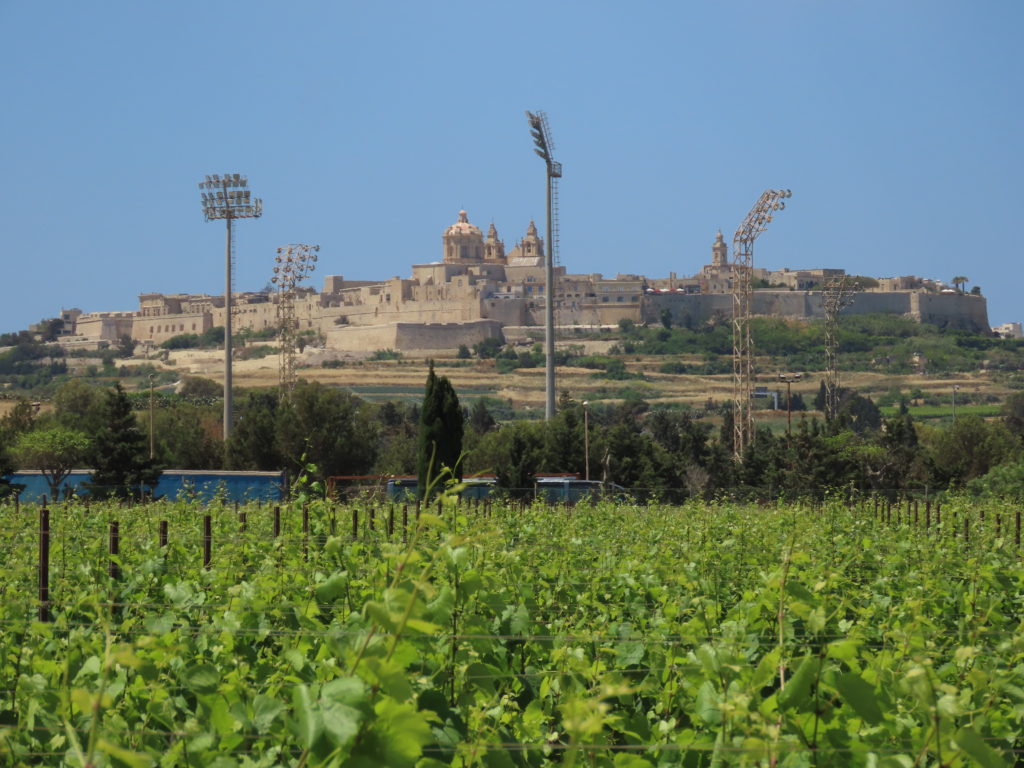
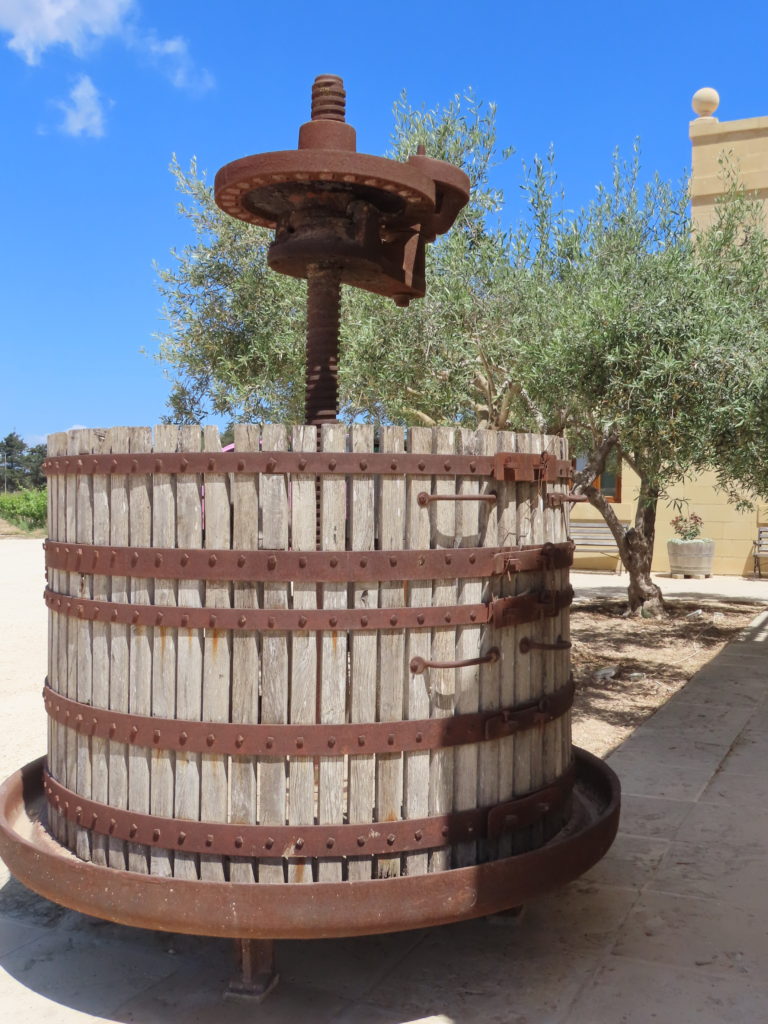

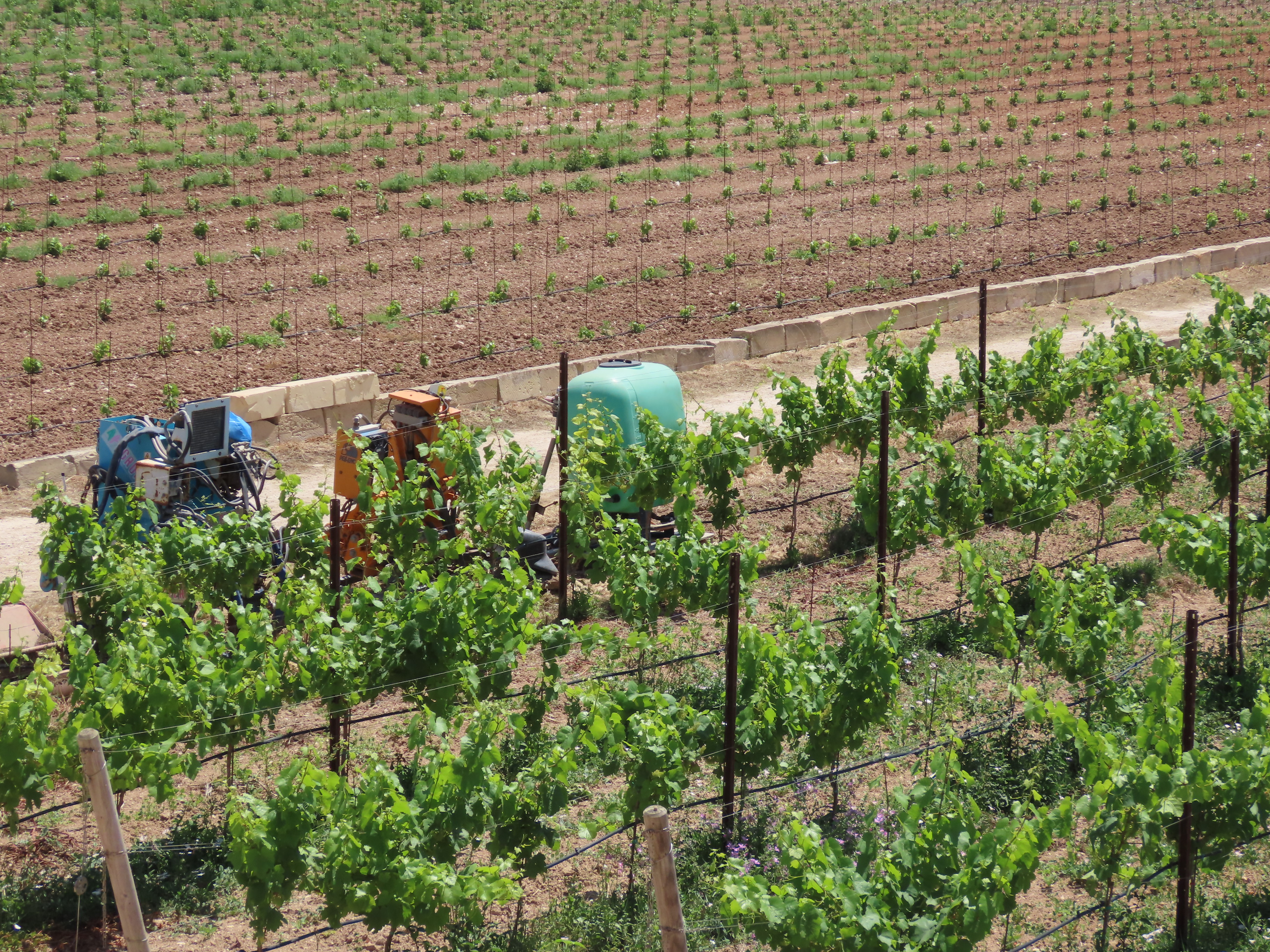
The area around Siġġiewi and the south-west also has appeal if you want countryside character with dramatic coastal scenery not far away. A day can begin among vines and end watching the light fade over the sea cliffs. That is a hard formula to argue with.
Then there is Gozo, which many travellers end up loving most. It feels greener, gentler and more rural, with a bit more breathing room. Vineyards sit comfortably within a broader patchwork of farms and villages, and the island suits the kind of trip where you are just as happy pottering between tastings and seaside views as you are pursuing wine with great seriousness. Gozo is not trying to impress you. It simply gets on with being lovely.
Planning your winery visits
A practical note that matters more in Malta than in some larger wine regions: do not assume you can just rock up everywhere. Some wineries welcome visitors regularly, while others prefer tastings by appointment. It is worth planning ahead, especially outside the busiest travel months or if you are hoping for a more in-depth visit.
This is also a place where a little flexibility helps. A polished, large-scale tasting room is not always the point. Some of the best experiences feel personal rather than theatrical. You may get a guided tasting with real warmth, stories about the vintage, and a clearer sense of the island’s winemaking challenges than you would in a more choreographed setting.
If you are driving, appointing a sensible taster is wise, because roads can be narrow and parking in old towns can test even a cheerful holiday mood. If neither of you fancies being saintly, consider using taxis for tasting days. Malta is compact enough that this can be easier than it sounds.
The best time to follow a guide to Malta wine travel
Spring and early autumn are the sweet spots. In April, May, late September and October, the weather is usually kind without the fiercer heat of high summer. Vineyards and countryside feel more comfortable then, and village wandering remains a pleasure rather than an endurance sport.
Summer has obvious appeal if you want swimming and long evenings, but wine travel in July and August can be more about managing the heat. Midday tastings may feel heavy, and busy roads can nibble away at the romance. Winter is quieter and greener, with a softer light that suits Malta beautifully, though opening hours and visitor options can be more limited. It depends what you want: sunshine certainty, harvest atmosphere, or a calmer, more local feeling.
What to eat with Maltese wine
No wine trip worth remembering stops at the glass. Maltese food has enough personality to make pairings genuinely interesting, and it is hearty in a way that suits long lunches rather well.
Fresh fish and seafood naturally sing with local whites, particularly crisp Girgentina-based wines or light blends. A plate of grilled octopus, prawns or simply cooked local fish with olive oil and lemon can be all the persuasion you need. For something more rooted in Maltese tradition, look for rabbit dishes. Rich, savoury and often slow-cooked, they sit comfortably with fuller reds and softer, fruit-led blends.
Pastizzi are the island’s dangerously easy snack – flaky pastries usually filled with ricotta or mushy peas – and they go down very well with a chilled glass of white if you are embracing a less formal style of wine travel. Then there is gbejna, the small local cheese that appears in a few forms and works beautifully as part of a simple tasting board. Malta is not a place for fussy food-and-wine rules. It is more about appetite, sunshine and choosing the bottle that makes lunch linger.

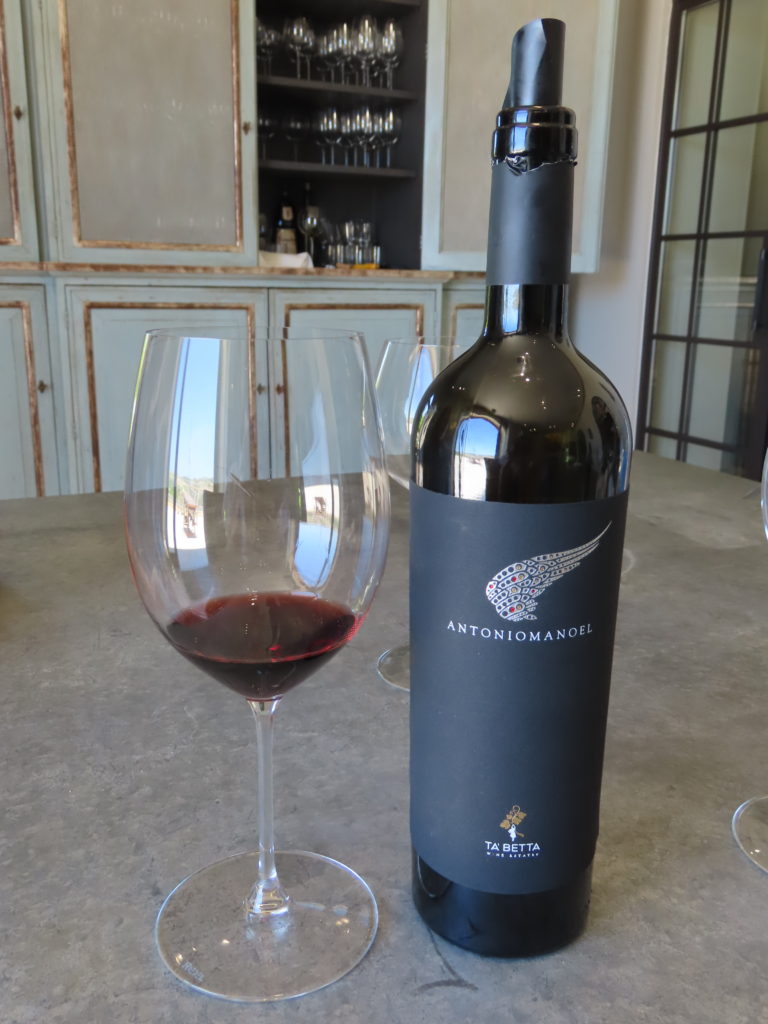

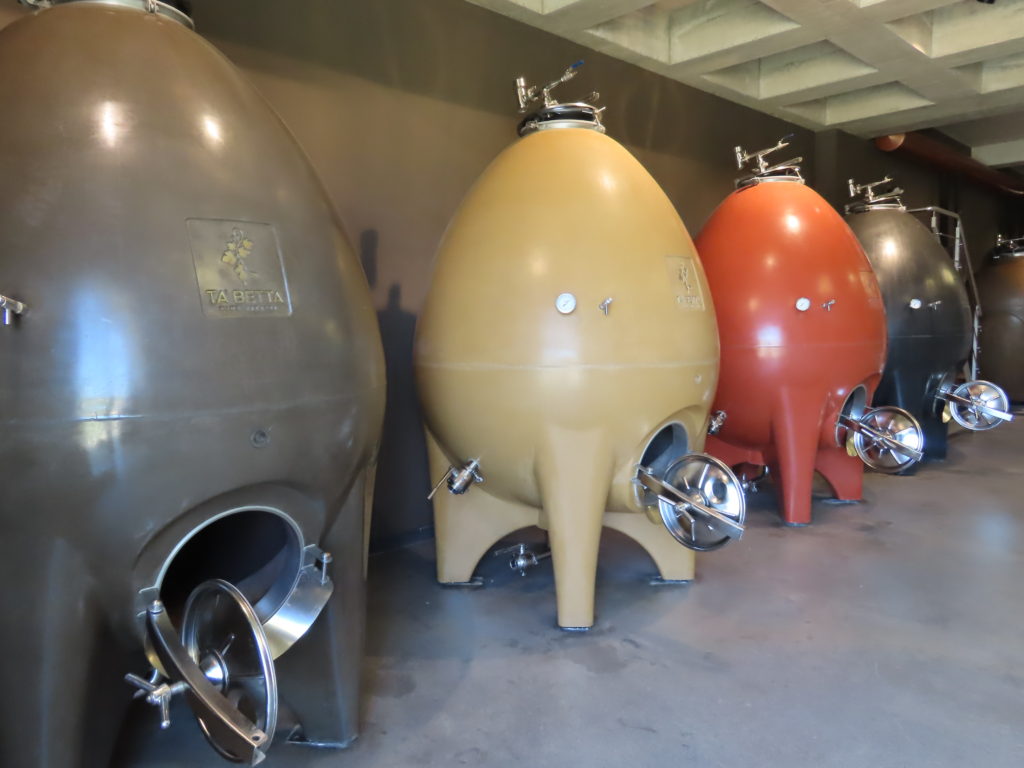
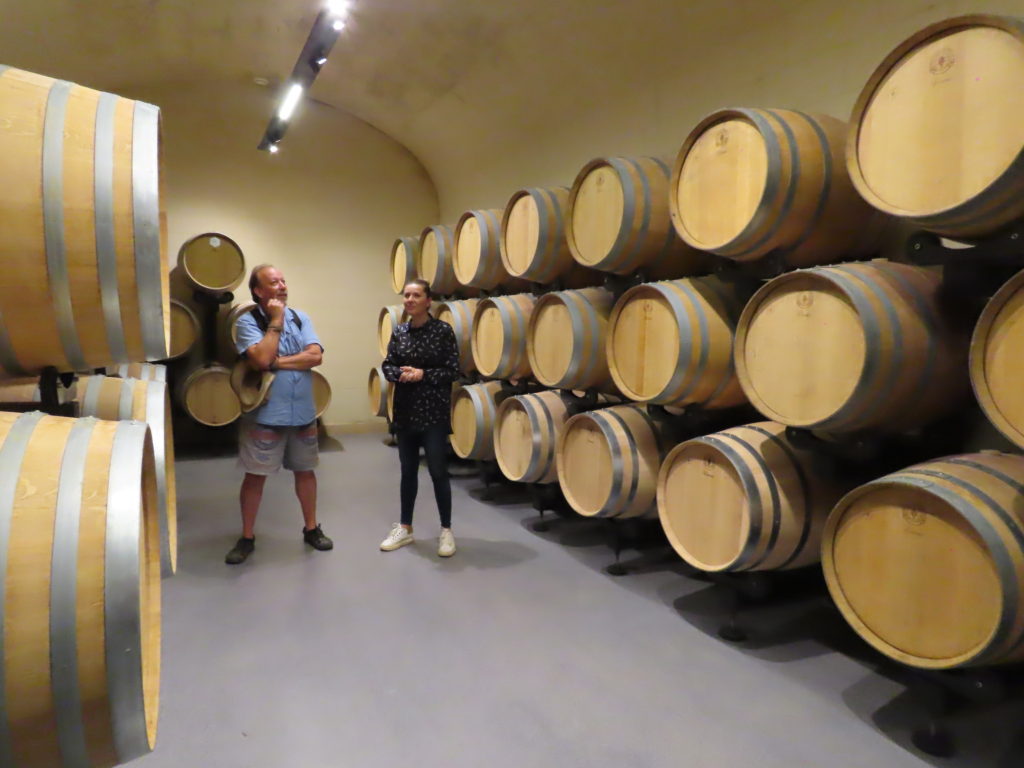
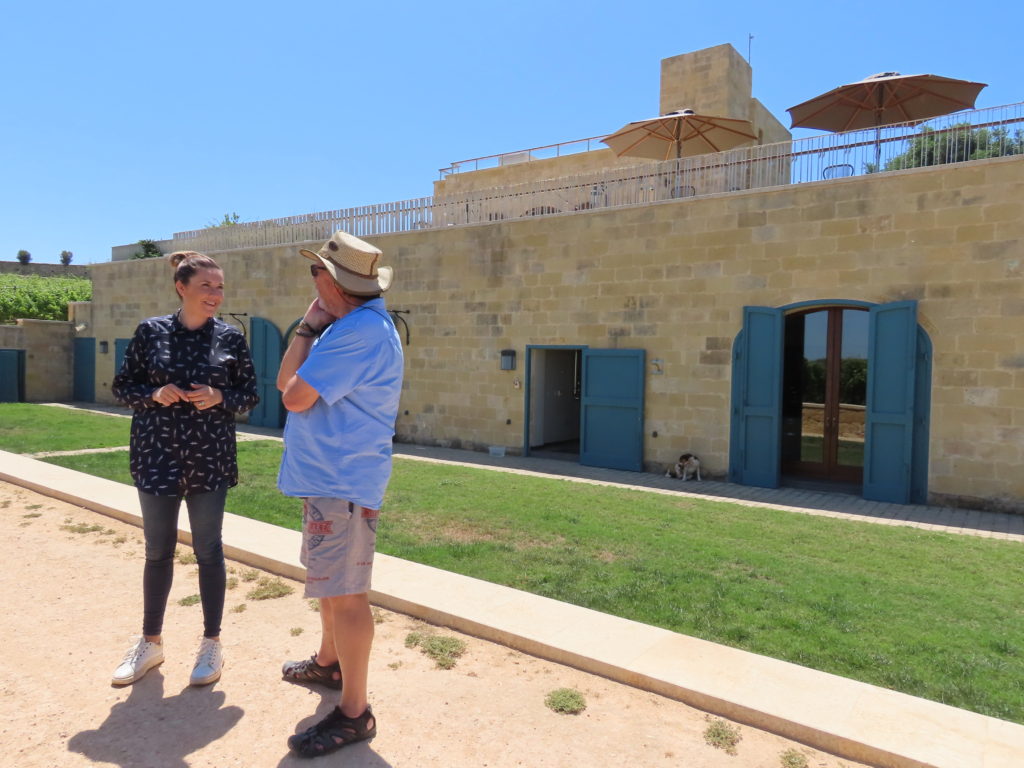
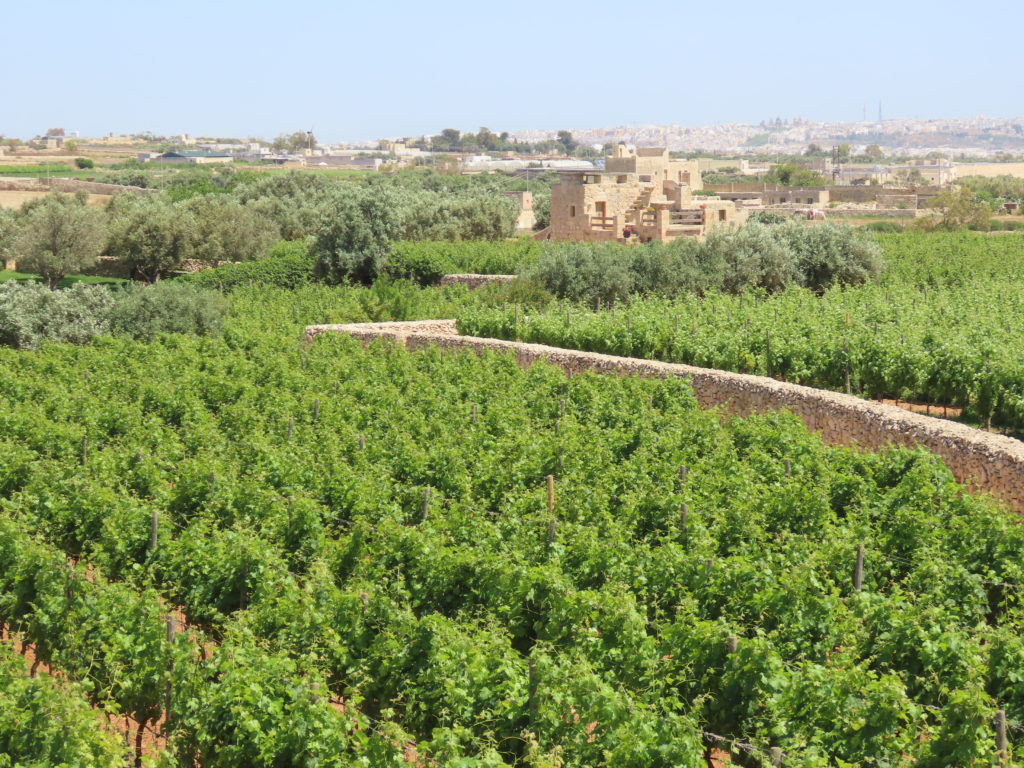
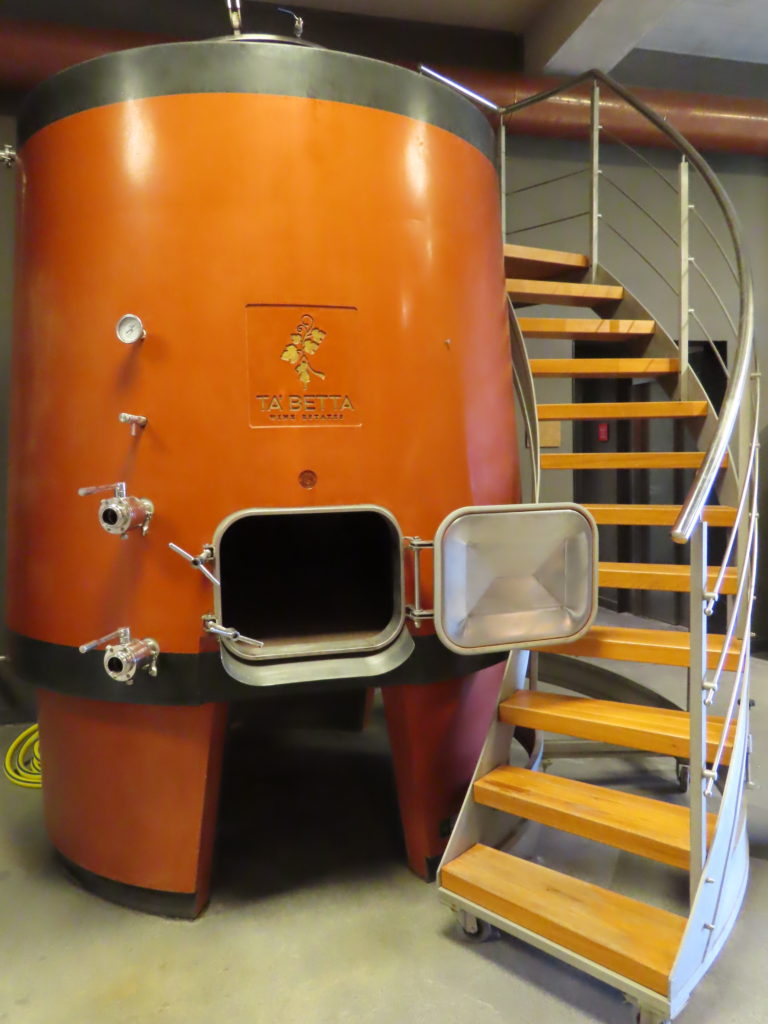
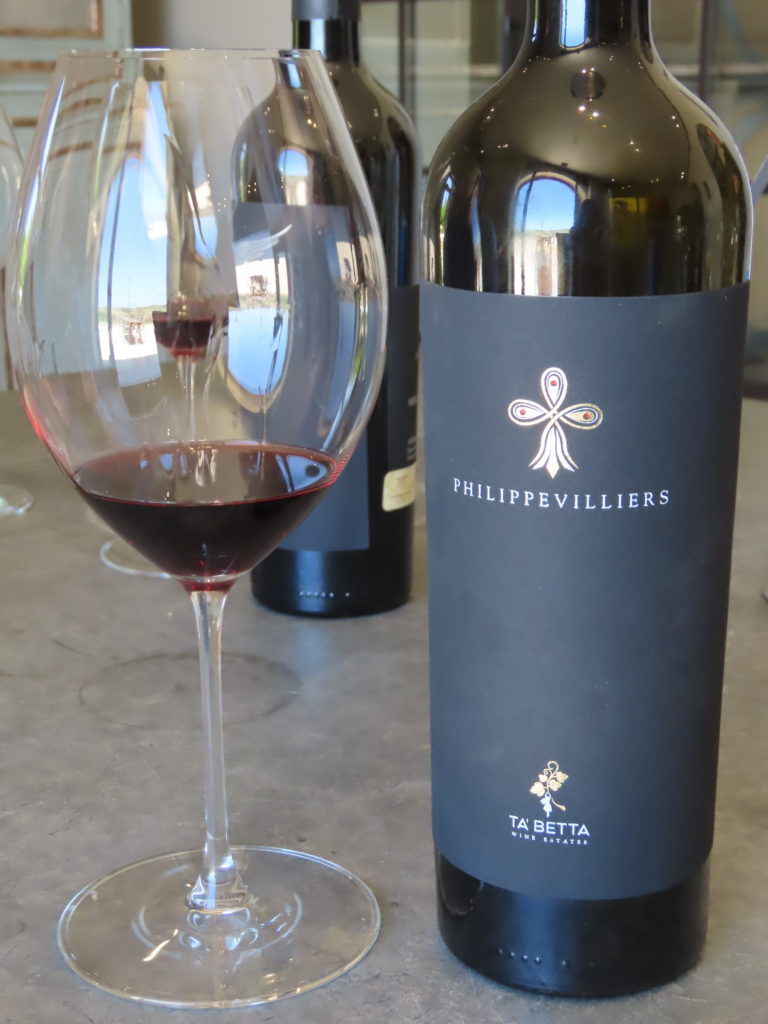
Building a lovely Malta wine itinerary
For a long weekend, I would keep it simple. Spend one day on Malta combining a winery visit with Mdina or Rabat, then give another day to Gozo, where a tasting can sit alongside a coastal drive and an unhurried lunch. Leave space for one evening in a harbourside setting, ordering a Maltese bottle simply because you are there and it would be faintly ridiculous not to.
If you have five to seven days, Malta becomes even more rewarding. You can split your stay between the main island and Gozo, which changes the mood nicely. A few vineyard visits, a market stop, some sea time and plenty of village wandering make for a holiday that feels full without becoming frantic.
And that is perhaps the real secret. Malta is not a wine destination that demands a grand performance from the traveller. It asks for curiosity, a little planning and the willingness to let one good glass lead to one good meal, then on to a village square, a ferry crossing or a sunset on a terrace. If you give it that kind of attention, the islands are remarkably easy to fall for.
Affiliate Disclaimer
Some links on this blog may be affiliate links. This means that, at no additional cost to you, we may earn a small commission if you make a purchase through those links. We only recommend products, services, destinations, and experiences that we genuinely use, enjoy, or believe may be useful to fellow travellers and narrowboat enthusiasts. Thank you for supporting Vineyards and Villages and helping to keep our adventures afloat.