
A Guide to Wine Routes in Sicily
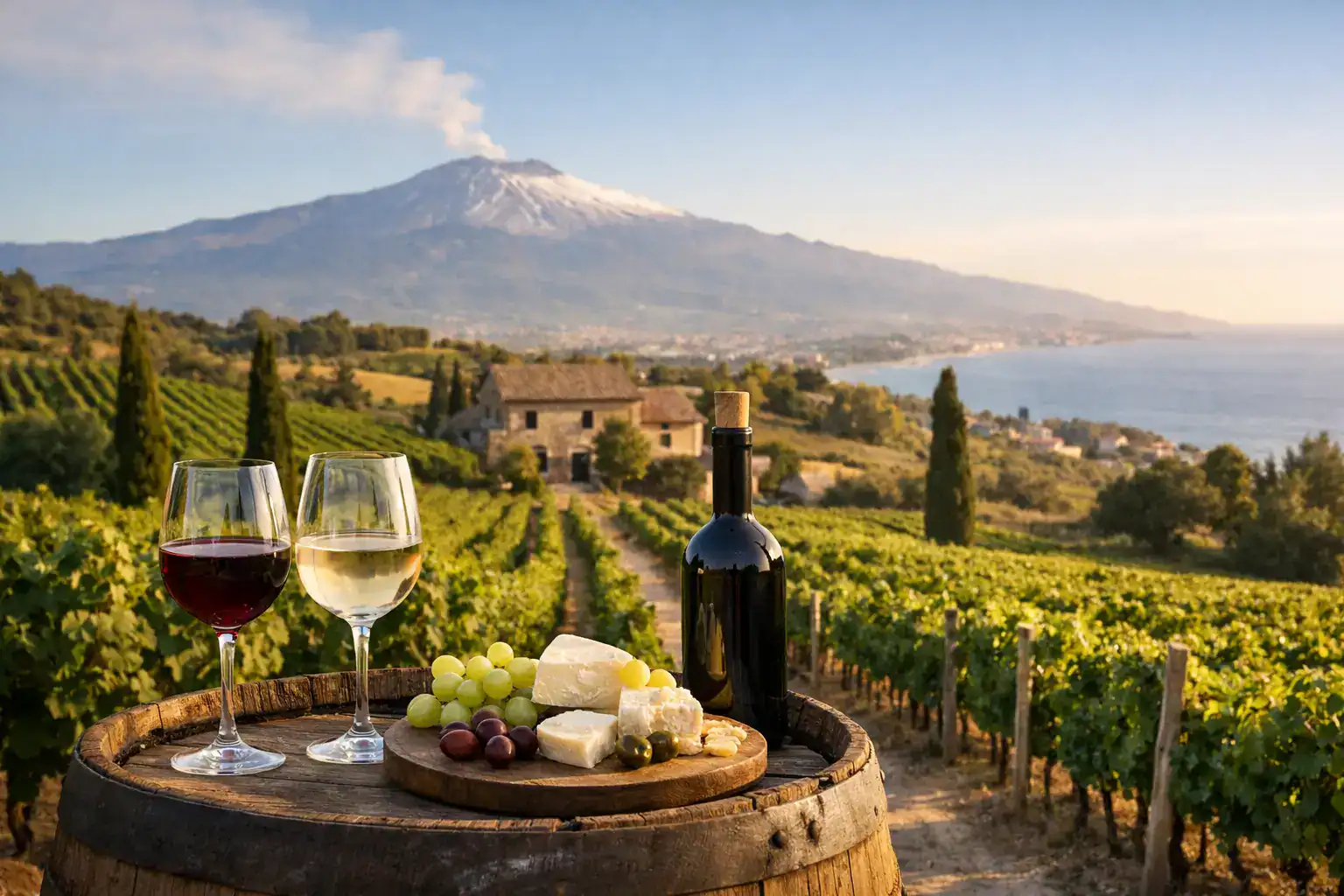
The first glass that properly stopped me in Sicily was poured on a terrace of black volcanic stone, with Etna smoking quietly in the distance as if it had all the time in the world. That is the real charm of a guide to wine routes in Sicily – not simply ticking off wineries, but moving through landscapes that change flavour as much as scenery. One hour you are in lava-dark vineyards under a mountain, the next you are driving past olive groves towards the sea, wondering how one island manages to hold so many personalities.
Sicily suits slow travellers beautifully. The roads can be unruly, village parking can test your patience, and summer heat has a talent for making even the most sensible itinerary feel overambitious. But if you give the island a little room, it gives a great deal back: long lunches, proper local character, and wines that feel inseparable from the ground they come from.
How to use this guide to wine routes in Sicily
The easiest mistake in Sicily is trying to do too much. The island is large, the driving times can stretch, and wine country here is not one neat corridor. It is a patchwork. I would think in terms of choosing two or three regions rather than attempting a heroic loop of the whole lot in one go.
For most travellers, hiring a car is the obvious choice, especially if you like stopping at viewpoints, farm shops and villages that never seem to make the glossy brochures. A campervan can work too, particularly outside peak summer, though some historic centres are better admired on foot after parking on the edge. Spring and early autumn are especially lovely. September brings harvest energy, while May has that soft green freshness that makes every hillside look freshly painted.
The best wine routes in Sicily are less about official signage and more about building your own rhythm. A good day often means one village, one proper lunch and one or two winery visits, not six tastings and a rushed sandwich in a car park.
Etna: Sicily’s most dramatic wine road
If you only have time for one wine region, Etna is the one that tends to linger in the memory. The roads around the volcano curl through terraces of old vines, dry-stone walls and chestnut woods, with little bursts of black lava everywhere. It feels both elemental and oddly elegant.
The wines here have become famous for good reason. Etna Rosso, often made largely from Nerello Mascalese, can be pale in colour but full of perfume, tension and that savoury, smoky edge people love to talk about. Etna Bianco, usually based on Carricante, can be wonderfully crisp and mineral. You do not need to be a wine scholar to enjoy them. You only need a glass and a little attention.
Base yourself in or around towns such as Linguaglossa, Randazzo or Zafferana Etnea depending on which side of the mountain you prefer. The north side often feels more rugged and wine-focused, while the eastern slopes can bring sea views and a gentler holiday mood. The trade-off is that Etna has become popular, so tastings often need booking ahead, and prices can be higher than in other parts of Sicily.
Still, there is nothing quite like ending the afternoon with a plate of local cheese, a glass of Carricante and a view that reminds you the vineyard sits on an active volcano. Sicily does enjoy a bit of theatre.
South-east Sicily: baroque towns and elegant whites
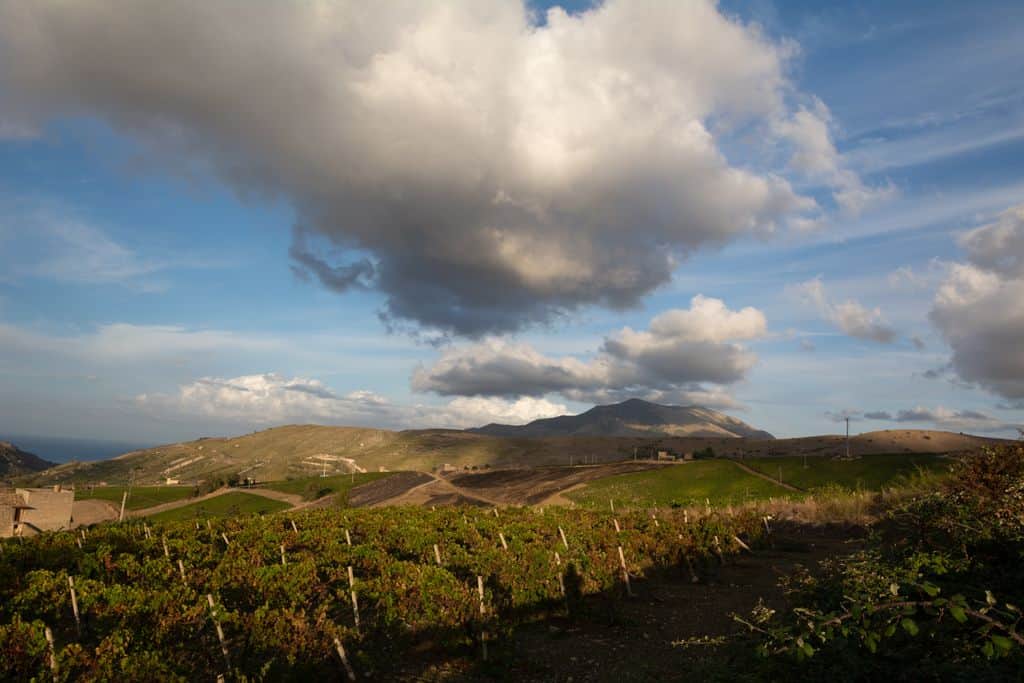
The south-east offers a softer sort of wine route, where vineyard visits sit comfortably alongside handsome towns and leisurely meals. This is the region around Noto, Avola, Modica, Ragusa and Vittoria, and it works beautifully for couples who want wine without making the whole trip feel too specialist.
Nero d’Avola is the local celebrity, and here it often shows a generous, sun-warmed character without losing all sense of structure. Near Vittoria, you can also look out for Cerasuolo di Vittoria, a red that blends Nero d’Avola with Frappato. Frappato on its own is often a joy – light on its feet, fragrant, easy to love and particularly good if you prefer reds that do not feel heavy.
This part of Sicily is also strong on food pairings. Tomato-rich pasta, grilled aubergine, almond desserts, fresh ricotta, tuna, citrus, pistachios – the table can be every bit as memorable as the cellar. It is a region where lunch has a habit of becoming an afternoon event.
A route here might combine a morning winery visit near Noto, an amble through one of the baroque towns when the light turns honey-coloured, and an overnight stay in the countryside. It is less stark than Etna, less famous than Marsala, and all the better for it if you prefer things to unfold gently.
Western Sicily and Marsala: history in the glass
Western Sicily has a different pace again. Around Marsala, Trapani and the salt pans, the landscape opens wide, the sea keeps appearing at the edge of the frame, and the wine story becomes tied to trade, history and long tradition.
Marsala deserves more curiosity than it sometimes gets. Many travellers know the name from cooking rather than sipping, which is a bit unfair. Proper Marsala, tasted where it belongs, can be complex, nutty, saline and quietly beautiful, especially with local pastries or aged cheese. It is not the sort of wine everyone wants to drink all evening, but as a window into Sicilian wine culture it is essential.
This region also offers good access to fresh, easy-drinking whites and coastal food that makes you want to cancel every plan after lunch. Think couscous with fish in Trapani, sardines, prawns, capers and vegetables that somehow taste more vivid under Sicilian sun. The roads are generally easier here than in the mountain regions, which makes this a sensible choice if you want a relaxed self-drive holiday.
Marsala town itself can be a useful base, though the countryside outside it may suit you better if you are after vineyard calm. Add time for Erice if you enjoy hill towns with atmosphere, and for a sunset by the salt pans if you are prone to lingering over scenery. I am, hopelessly.
Menfi and the south-west: an easy-going coastal route
For travellers who want wine, beaches and a little less fuss, the Menfi area is a strong contender. This is not the Sicily of dramatic volcanoes or grand fortified wine houses. It is gentler, agricultural, sunlit and very easy to settle into.
The vineyards here sit close enough to the coast to catch marine influence, and the region produces a mix of local and international grapes. Depending on where you stop, you may come across Grillo, Inzolia, Nero d’Avola and Syrah, among others. Some wines are ambitious and polished, others are simply very pleasant holiday companions. Both have their place.
Menfi works well if you like balancing tasting rooms with swims, market shopping and lazy dinners in small towns. It is also a good option for those who do not want to spend every day on winding inland roads. The mood is unshowy, which can be a relief.
What to plan before you go
Sicilian wine travel rewards a little preparation. Many wineries require advance booking, and opening hours can be inconsistent, especially outside the main season or during harvest. Do not assume you can simply roll up at every cellar door and be handed a glass.
It is also worth thinking about how much driving you genuinely want to do after tastings. Distances on the map can look manageable, but roads through rural areas and around hill towns are rarely fast. Booking accommodation near your chosen route makes the whole experience more pleasurable.
If you are choosing where to linger, let your tastes guide you. Go to Etna for striking landscapes and wines with tension. Head south-east for graceful reds, handsome towns and food-led days. Choose Marsala and the west for history, coast and a more traditional wine story. Pick Menfi if you want the easiest blend of vineyards and sea air.
A few small pleasures that make the trip better
The best moments on Sicily’s wine routes are often the least staged. A roadside view of vines with the sea in the distance. A village cafe where your coffee arrives with a biscuit you did not order but are very happy to receive. A tasting room conversation that veers from grape varieties into family history, local weather and whose aunt makes the best caponata.
That is why a guide to wine routes in Sicily should leave space for wandering. Do your booking, choose your bases, know your rough direction – and then allow the island to interrupt you a little. Sicily is excellent at that.
If you travel slowly, drink with curiosity and leave room for one more village than you planned, the island tends to reward you. Not always with perfection, but with something better: stories you can still taste when you get home.
Affiliate Disclaimer
Some links on this blog may be affiliate links. This means that, at no additional cost to you, we may earn a small commission if you make a purchase through those links. We only recommend products, services, destinations, and experiences that we genuinely use, enjoy, or believe may be useful to fellow travellers and narrowboat enthusiasts. Thank you for supporting Vineyards and Villages and helping to keep our adventures afloat.



One Comment
Comments are closed.