
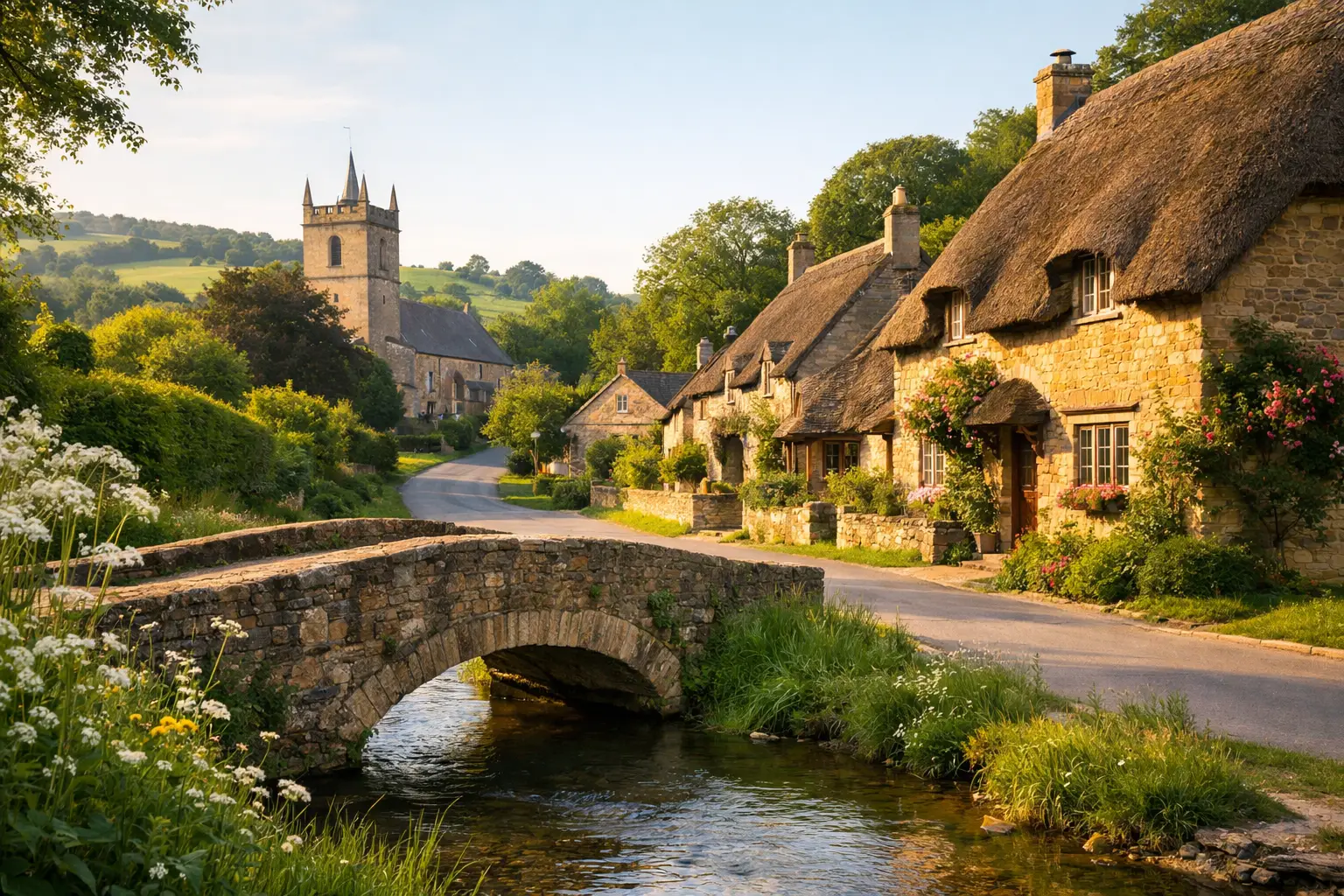
English Village Breaks Worth Slowing Down For
There is a particular kind of English morning that makes you want to cancel every ambitious plan you had. A church bell somewhere in the distance, mist still hanging over a field, a bakery window steaming up, and the quiet suspicion that the best thing you could possibly do today is very little at all. That is the charm of English village breaks. They are not about racing through a checklist. They are about settling in, noticing more, and letting a place reveal itself one cup of tea, one pub lunch and one winding lane at a time.
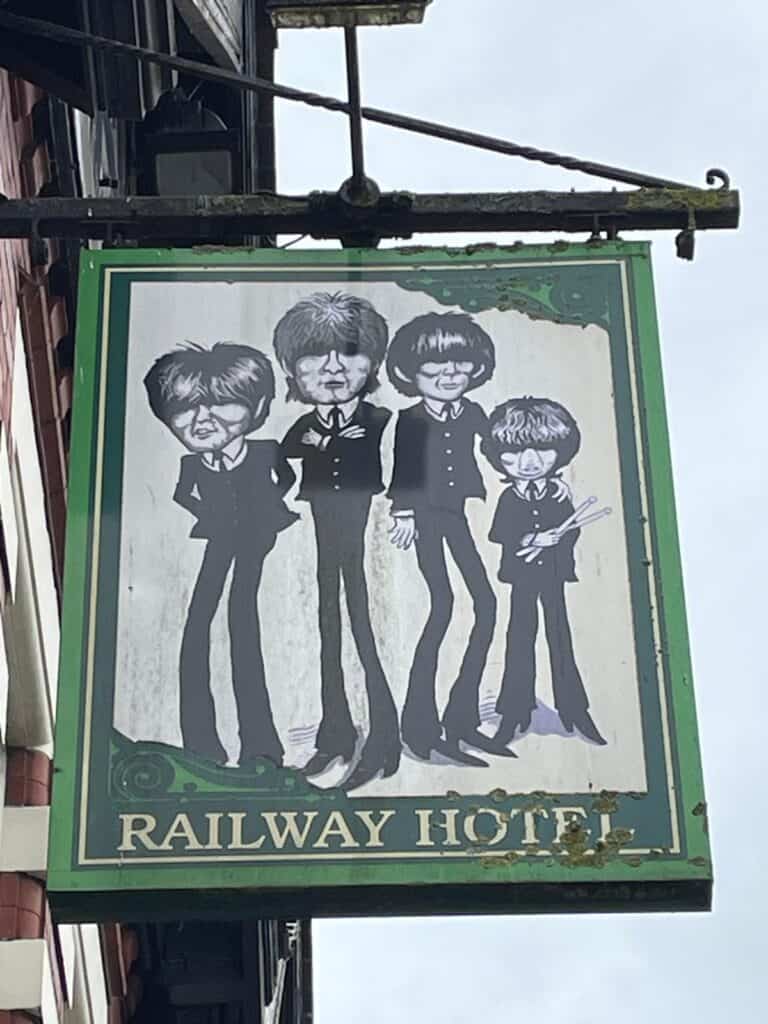
For travellers who like their countryside with character, and their escapes stitched together with good food and something lovely in the glass, village stays can be far more rewarding than a city weekend. England does villages exceptionally well. Not every one is honey-coloured and cinematic, of course, and that is part of the appeal. Some are polished and postcard-ready, others are a bit weathered around the edges, with old market crosses, local shops that still feel stubbornly useful, and pubs where muddy boots are more welcome than polished itineraries.
Why English village breaks work so well
The best village stays create a rare feeling – that you have arrived somewhere with its own rhythm, and you are allowed to borrow it for a few days. You wake to birdsong instead of traffic. Or, you walk rather than queue. You end up caring whether the local butcher is open on Monday. It is deeply unfashionable and deeply restorative.
What makes English village breaks especially appealing is how varied they are. A weekend in the Cotswolds feels very different from a few days in the South Downs, the Yorkshire Dales or the villages scattered through Suffolk and Norfolk. Some are all roses round the door and cream teas on proper china. Others are built for walkers, wine drinkers or sea-air seekers who want coast and countryside in the same frame.
That range matters because the right village break depends less on finding the prettiest place and more on finding the right mood. If you want vineyard visits and chalky hills, southern England comes into its own. However, if your ideal day involves long rambles, a firelit inn and a pint with a steak and ale pie, the north and west can be hard to beat. If antique shops, deli counters and Georgian facades make you irrationally happy, market villages in the east have a quiet confidence all their own.
The best English village breaks are built around pace
One mistake people make is treating a village stay like a base for seeing as much as possible. You can do that, certainly, but it misses the point. A good village break gives you enough to do without making you rush. That usually means choosing somewhere with a strong pub, a decent café, a walk straight from the door and one or two pleasures nearby – perhaps a vineyard, a garden, a stately home, or a farm shop with dangerous levels of baked goods.
I always think the villages that stay with you are the ones where one small ritual starts to form. The morning walk for coffee. The stop at the village shop for local cheese and a packet of biscuits you did not need. The late-afternoon glass of Bacchus or English sparkling before dinner. That is when a short trip stops feeling like accommodation and starts feeling like a place you briefly belonged to.
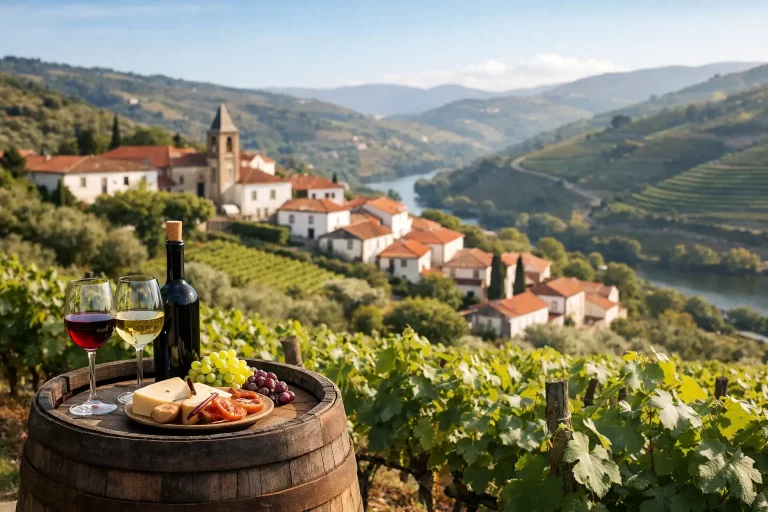
If wine is part of the picture for you, and for many of us it absolutely is, southern counties deserve serious attention. Sussex, Kent and Hampshire offer village breaks with an extra layer of pleasure: vineyards threaded into the landscape. There is something very satisfying about spending the day among old flint churches and rolling fields, then finishing with a tasting flight that tastes unmistakably of the place around you. English wine no longer feels like a novelty. In the right setting, it feels inevitable.
Where to go for different kinds of village escape
The Cotswolds still earn their reputation, even if some villages can feel a touch over-photographed in high season. Places such as Broadway, Burford or the smaller lanes around Stow-on-the-Wold work beautifully if you want stone cottages, cosy inns and easy walking. The trade-off is popularity. If you travel in summer or around Christmas, expect company.
For a softer, greener kind of romance, the South Downs are quietly excellent. Villages in Sussex and Hampshire can give you downland walks, handsome pubs and access to some of England’s most exciting wineries without the fanfare. This is one of the loveliest options for couples who want scenery and good drinking without feeling they have signed up for a busier tourist circuit.
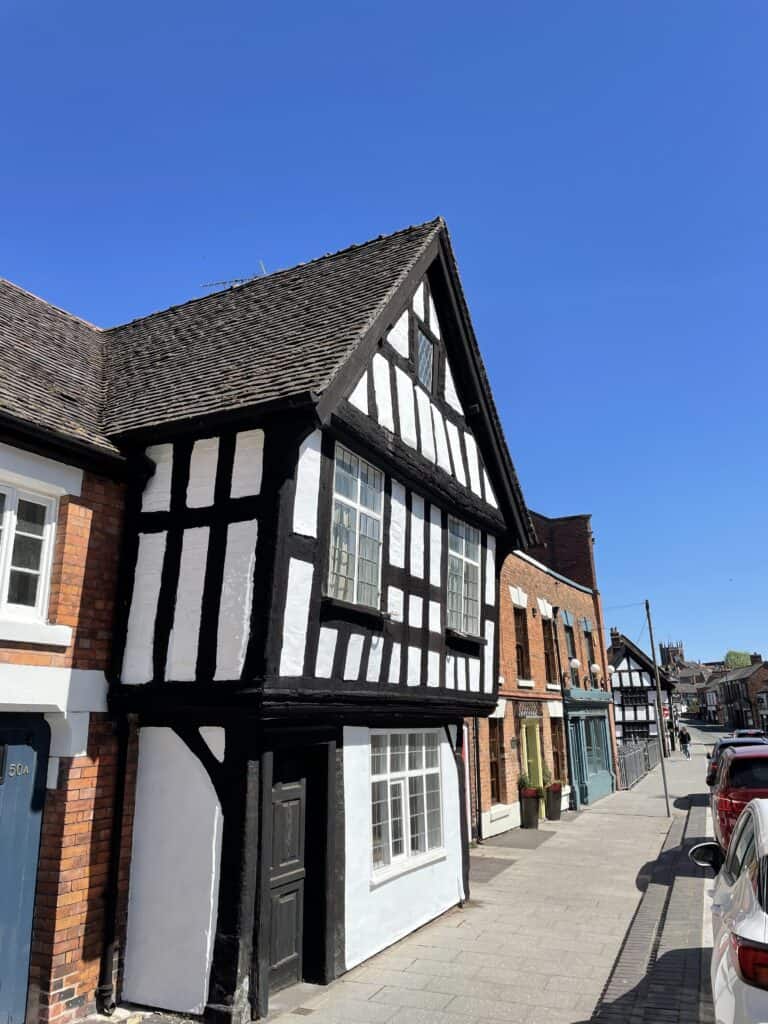
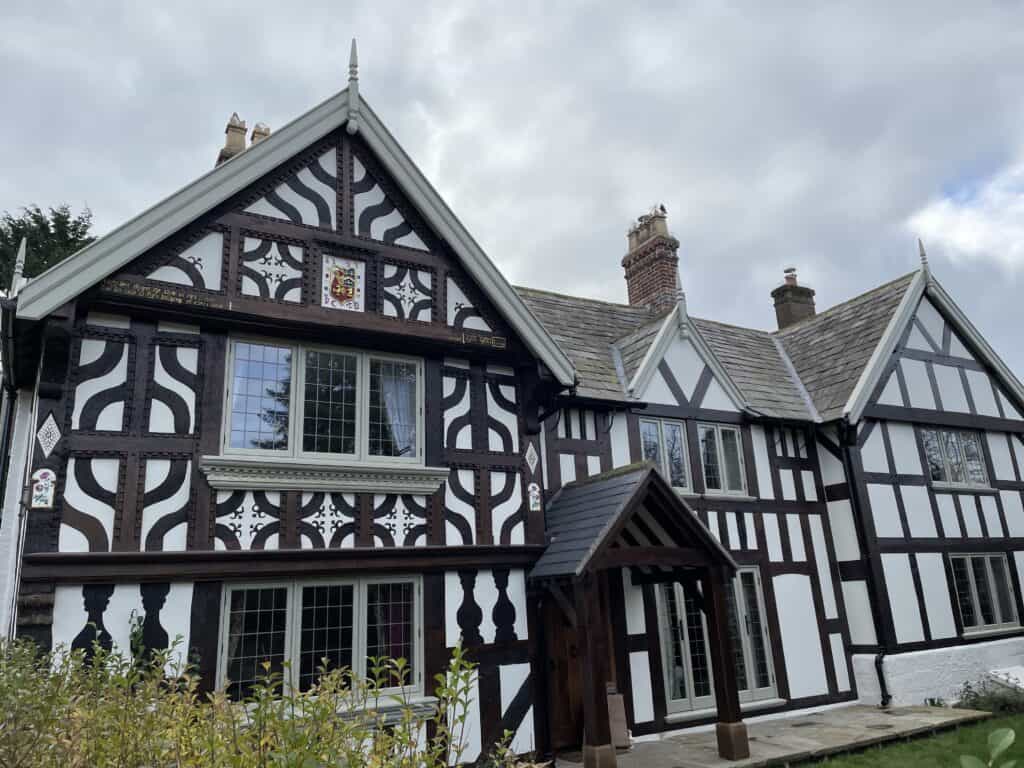
Suffolk villages bring a different pleasure. They tend to feel less polished and more lived in, with beautiful wool churches, old timbered houses and a food scene that can be surprisingly strong. There is a groundedness to them that I find very appealing. They do not always perform for the camera in the same way as the Cotswolds, but they often feel more intimate once you are there.
Then there are the Yorkshire villages, where the scenery can be grander, the weather more dramatic and the pubs wonderfully no-nonsense. If your ideal break includes proper walking and a meal that feels earned, this is strong territory. It may be less obviously wine-shaped, but not every rural escape needs a vineyard on the doorstep. Sometimes a good cellar list and a windy moor are enough.
What to look for when choosing a village stay
The first question is whether you want a village that is genuinely quiet or one with enough life to sustain a weekend. These are not the same thing. A tiny hamlet may be beautiful, but if the pub only opens three evenings a week and the nearest decent coffee is a twenty-minute drive, that can feel charming or mildly maddening depending on your temperament.
The second is whether you want to drive everywhere. For some people, pottering through lanes is part of the fun. For others, especially on a short break, it is better to choose somewhere walkable, with at least a pub, café and a few footpaths close by. If you are planning to visit vineyards or enjoy long lunches, this becomes even more important. Nobody wants to spend a romantic countryside break negotiating designated driver politics.
Accommodation matters more in a village than it often does in a city. In a town, you can escape a mediocre room by going out. In a village, your inn, cottage or B&B becomes part of the whole emotional weather of the trip. A good breakfast, decent mattresses, a view over the garden, a sitting room you actually want to sit in – these things count for a lot when the point of the holiday is to slow down.
Food, drink and the pleasure of staying put
One of the nicest things about village travel is that eating becomes part of the landscape rather than a break from it. Breakfast feels slower. Lunch can be a pub table in a garden with the sound of swallows overhead. Supper might be local lamb, a pie with absurdly buttery pastry, or a cheeseboard full of things made a few counties away.
And then there is what is in the glass. If you are anywhere near English wine country, order the local bottle. Bacchus can be wonderfully aromatic and fresh, ideal with a light lunch after a walk. English sparkling, when done well, is a very happy companion for anniversaries, long weekends or any moment when the room is warm and the evening still feels full of promise.
This is where a brand like Vineyards and Villages sits quite naturally in the imagination of the trip: not just where you go, but how place and flavour speak to each other. A village break is never only about the village. It is about the orchard, the cheesemaker, the vineyard, the pub kitchen and the old lane that gets you between them.

A few trade-offs worth knowing
Village breaks are not always peaceful in the way brochures suggest. The prettiest places can be busy. Rural buses can be patchy. Sunday hours remain gloriously inconvenient in parts of the country. And not every old inn is full of charm once you discover the walls are made of paper and the mattress has opinions.
But that is part of travelling well in England – learning the difference between picturesque and comfortable, between famous and genuinely enjoyable. The sweet spot is usually a village with enough beauty to feel special and enough ordinary life to feel real.
If you can, travel just outside peak times. Late spring and early autumn are especially lovely, when gardens are full or hedgerows are turning, and you can still get a table without tactical planning worthy of a military campaign. Even winter has its rewards if you lean into them. Frost on the fields, a roast by the fire, and nowhere urgent to be can work wonders for the spirit.
The best English village breaks leave you with oddly specific memories. The smell of logs on a damp evening. The dog asleep under the pub table. The vineyard rows catching late sun. The pleasure of realising, somewhere between your second coffee and a slow walk back to your room, that doing less was exactly the right plan. If you choose well, you will come home rested, slightly overfed, and already wondering which village gets the next weekend.
Affiliate Disclaimer
Some links on this blog may be affiliate links. This means that, at no additional cost to you, we may earn a small commission if you make a purchase through those links. We only recommend products, services, destinations, and experiences that we genuinely use, enjoy, or believe may be useful to fellow travellers and narrowboat enthusiasts. Thank you for supporting Vineyards and Villages and helping to keep our adventures afloat.




One Comment
Comments are closed.