9 Slow Travel Europe Ideas Worth Lingering For
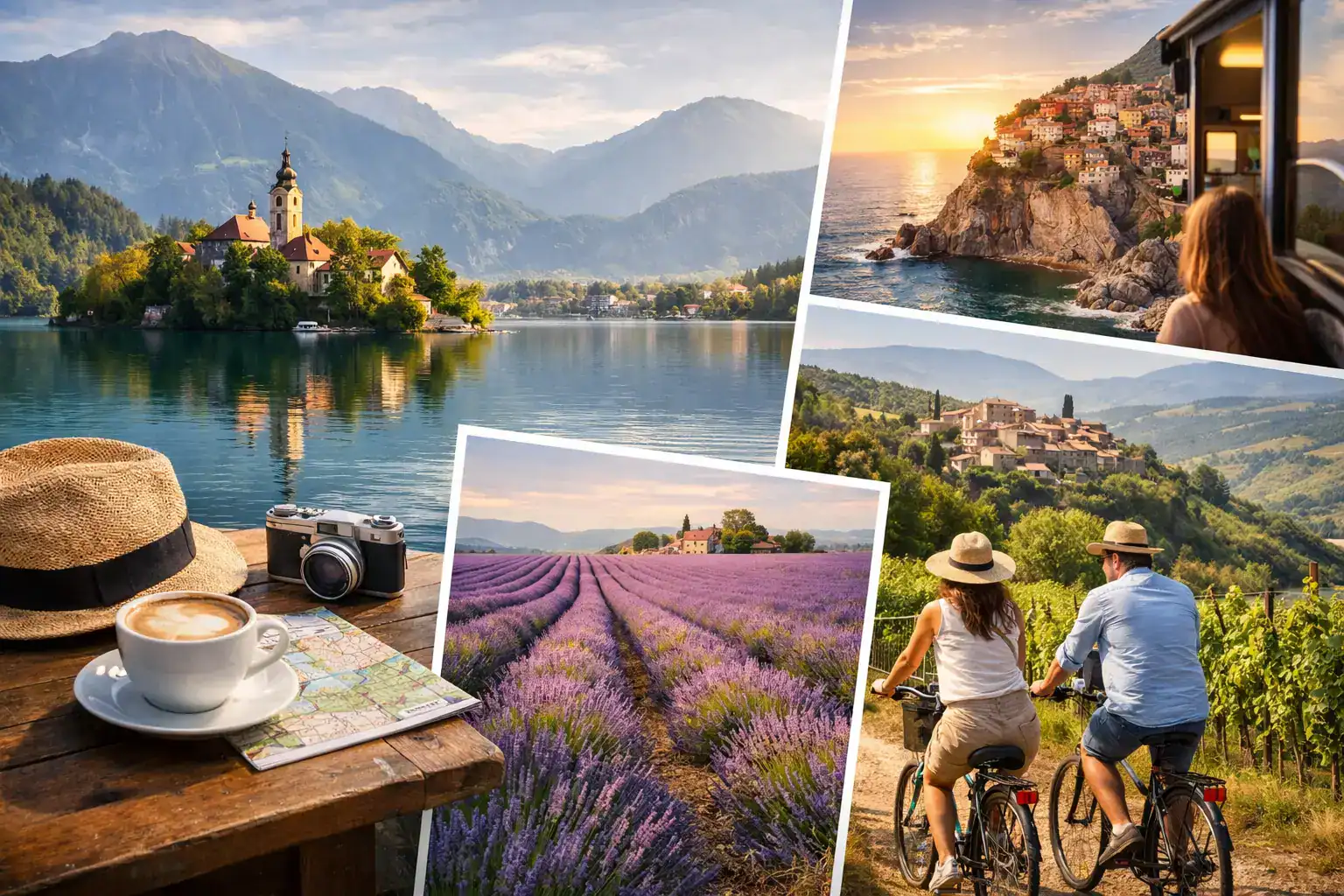
The best trips I remember in Europe are rarely the ones where I ticked off the most sights. They are the ones where I stayed long enough to know the bakery opening times, recognise the vineyard dog, and order a second glass of the local red because the first one told me something about the place. If you are looking for slow travel Europe ideas, the real pleasure is not simply moving more slowly. It is choosing places that reward attention.
That usually means regions rather than capitals, villages rather than hotel districts, and journeys shaped around landscapes, markets, cellars and conversations. Europe does slow travel beautifully because distances are manageable, local identities are strong, and some of the richest experiences happen far from the rush of the obvious itinerary.
Why slow travel Europe ideas work so well
A slower style of travelling suits Europe because the continent is built in layers. You can spend a morning in a Roman town, an afternoon in a medieval square, and an evening drinking wine from vines that have grown on the same slopes for generations. None of that reveals itself properly when you arrive at noon, take a few photographs, and leave before supper.
Slowing down also changes your budget in interesting ways. Staying put for longer can mean fewer transport costs and better value accommodation, especially outside peak season. The trade-off is that you may see fewer headline destinations. For many travellers, that is not a loss at all. One good week in Alsace or the Douro can feel richer than three frantic countries in seven days.
1. Follow the vineyard villages of Alsace
Alsace is one of those regions that seems almost designed for unhurried travel. The villages sit close together, each with their own half-timbered charm, flower boxes, bakery windows and tasting rooms, yet each feels distinct. Colmar is lovely, but the real rhythm of the region often settles in places like Riquewihr, Kaysersberg and Eguisheim, where a late afternoon walk can turn into an evening glass of Riesling without much planning at all.
What makes this a strong slow-travel choice is scale. You can base yourself in one village for several nights and explore by car, bike, or a mix of short drives and lazy wandering. There is enough beauty to keep you engaged, but not so much pressure that every hour needs scheduling. This is a place for tarte flambée on a terrace, vineyard views in soft light, and crisp wines that feel inseparable from the slopes around you.
2. Drift along Portugal’s Douro Valley
The Douro has a way of making you rethink speed. The roads twist, the terraces command your gaze, and the river keeps pulling your eye back to the same silver ribbon. This is not a region to race through. It is better as a sequence of pauses – a scenic train, a small quinta stay, a slow lunch, a tasting that turns into a conversation.
If you enjoy wine but do not want a stiff or technical experience, the Douro is especially rewarding. There is grandeur here, certainly, but there is also warmth. Stay near Peso da Regua or Pinhao, then give yourself enough time to take the back roads, watch the changing light on the vines, and try both table wines and Port in context. You begin to understand not just what is in the glass, but why it tastes like this here.
3. Choose a Tuscan pocket, not all of Tuscany
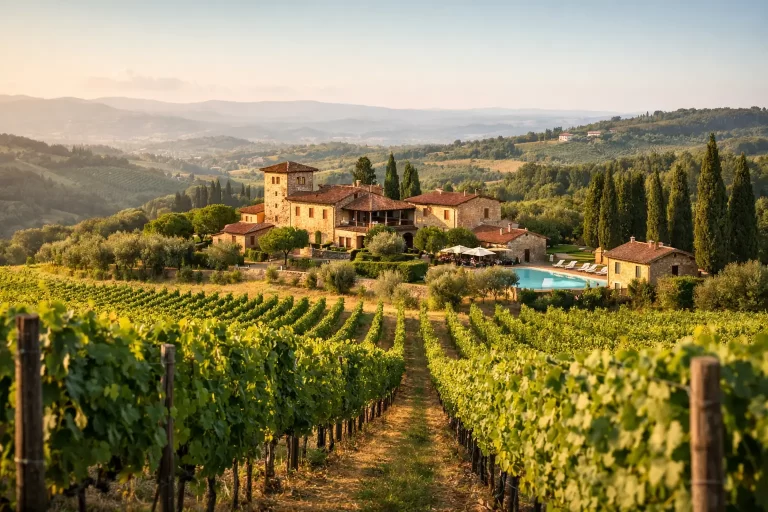
Tuscany is often done badly because people try to do all of it at once. A better idea is to choose one pocket and let it unfold. Val d’Orcia offers those sweeping postcard landscapes, while Chianti brings village charm and easy wine access. Around Montepulciano and Montalcino, the days naturally arrange themselves around hill towns, cypress-lined roads and bottles worth lingering over.
The trick is restraint. Pick one or two bases, not five. Accept that you may miss Florence this time and gain something quieter instead. An evening stroll before dinner in a Tuscan town, when the day-trippers have gone and the stone still holds the heat, can feel far more memorable than any rushed checklist.
Slow travel in Europe often means saying no
This is one of the least glamorous but most useful truths. Slow travel is shaped as much by what you leave out as by what you include. The romantic version is long lunches and scenic trains. The practical version is deciding that two regions in ten days is enough, and that not every famous town needs to be squeezed in.
4. Take the smaller roads through Slovenia
Slovenia is one of Europe’s most satisfying countries for a gentle road trip. It is compact, green, and full of places that feel pleasantly underplayed. Many travellers know Lake Bled, but the real magic of slowing down appears when you connect Brda’s wine country, the Vipava Valley, and the Karst with village stays and relaxed drives.
Brda in particular has that rare balance of beauty and ease. The hills ripple with vines and orchards, the food is deeply tied to season and region, and the wine culture feels welcoming rather than performative. You can spend a few days here moving between cellars, viewpoints and sleepy settlements, then continue at an equally gentle pace towards the coast or the capital.
5. Linger in Andalucia’s white villages
Southern Spain can tempt you into city-hopping, but a slower route through the white villages of Andalucia is often more intimate. Places such as Grazalema, Zahara de la Sierra and Vejer de la Frontera are made for strolling, grazing and sitting still long enough to notice the cadence of local life.
This kind of trip works particularly well in spring or autumn, when the heat is kinder and the roads feel less pressured. You can pair village stays with local sherry country around Jerez if wine interests you, or simply enjoy the broader food culture – olives, cured meats, small plates, and crisp local pours at the right hour of day. The landscapes shift quickly here, from mountain routes to sun-baked plains, which keeps a slow itinerary from ever feeling dull.
6. See northern Italy by train and appetite
Not every slow trip needs a car. Northern Italy can be glorious by rail if you choose a sensible arc and leave room for appetite. Rather than trying to cover Milan, Venice, Verona, Bologna and the lakes in one whirl, choose two or three and let meals, markets and neighbourhood walks shape the days.
Verona is a particularly good anchor because it offers beauty without quite the same frenzy as some larger names. From there, you might add Bologna for food and a smaller wine region nearby, or head towards the shores of Lake Garda and stay in a town that quietens beautifully at dusk. Trains remove some logistical stress, but the same principle applies: fewer stops, longer stays, better memories.
7. Try a campervan loop through southwest France
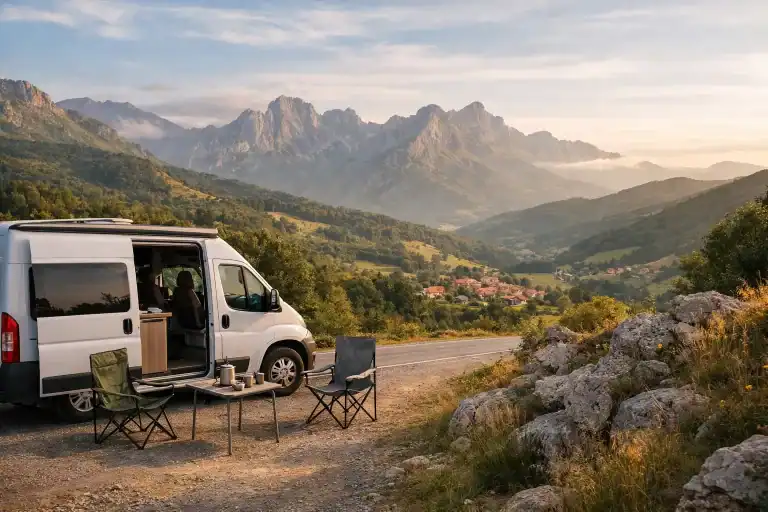
For travellers who love the road as much as the destination, southwest France has all the ingredients of a deeply satisfying slow journey. The Dordogne, Lot and parts of Occitanie offer river valleys, market towns, sunflower country, vineyard detours and campsites where it feels perfectly reasonable to stay an extra night because the view with breakfast is too good to leave.
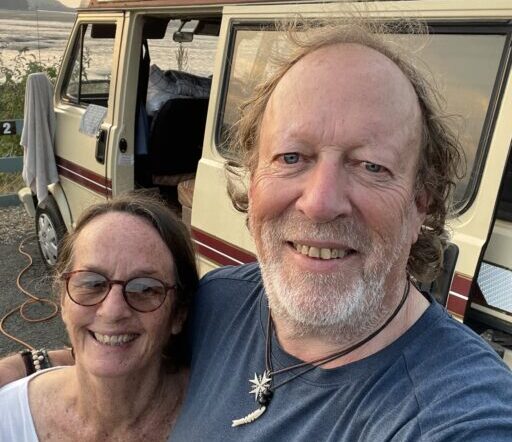
A campervan gives you freedom, but it also asks for a different mindset. Slow travel by van is not about covering huge distances. It is about creating a loose frame for your days and letting good bread, a shaded pitch, or an unexpectedly lovely village alter the plan. At Vineyards and Villages, that is very much our kind of holiday.
8. Base yourself in one Greek island town
Greek island hopping gets the attention, yet staying on one island for a full week can be far more restorative. Pick somewhere with enough local life to sustain repeat pleasures – a harbour walk, a dependable taverna, a beach reached by foot, a small winery or farm visit nearby. Islands such as Syros, Naxos or Samos can reward this beautifully.
The difference is emotional as much as practical. Once you stop treating the island as a backdrop for movement, you begin to tune into it. You notice which café fills first in the morning, how the light changes on whitewashed walls at sunset, and what local wine appears on tables when people are not trying to impress anyone.
9. Let Austria’s Wachau set the pace
The Wachau Valley, west of Vienna, is one of those places where slow travel feels completely natural. The Danube links elegant little towns, vineyard terraces climb the hillsides, and the food and wine are quietly excellent. It is ideal for travellers who want beauty with structure: bike paths, river journeys, cellar doors and handsome villages all within easy reach.
A few days here can be enough if you truly stay put and resist overreaching. Riesling and Grüner Veltliner are the natural companions, but so is a simple riverside lunch and an afternoon with nowhere urgent to be. That, more than anything, is the point.
How to choose the right slow travel Europe ideas for you
The best region depends on the sort of slowness you actually enjoy. If you like driving, go where the roads themselves are part of the pleasure, like Tuscany, the Douro or southwest France. Should you prefer to settle in one place and walk, look for villages or island towns with enough life around them. If wine matters, choose regions where tasting feels woven into local culture rather than staged as an attraction.
Season matters too. Shoulder season often suits slow travel best because places breathe differently when they are not at full capacity. You may lose some guaranteed sunshine or the full buzz of high summer, but you gain space, value and a better chance of feeling temporarily at home.
The loveliest part of travelling slowly is that the trip starts to belong to you. Not the algorithm, not the guidebook, not the pressure to keep moving. Just you, the road or rail line ahead, and enough time to let a place leave its flavour behind.
Sometimes that flavour is a mineral white wine on a warm terrace. Sometimes it is coffee in a village square while church bells mark the hour. Either way, Europe offers endless reasons to stay one more night, and that is often where the real journey begins.
Affiliate Disclaimer
This post may contain affiliate links. If you book accommodation, tours, travel products, or services through these links, Vineyards and Villages may earn a small commission at no extra cost to you. These commissions help keep our campervan adventures, travel stories, and slightly questionable parking decisions on the road. Thank you for your support!

9 Comments
Comments are closed.