Self Guided Versus Group Tours: Which Suits You?
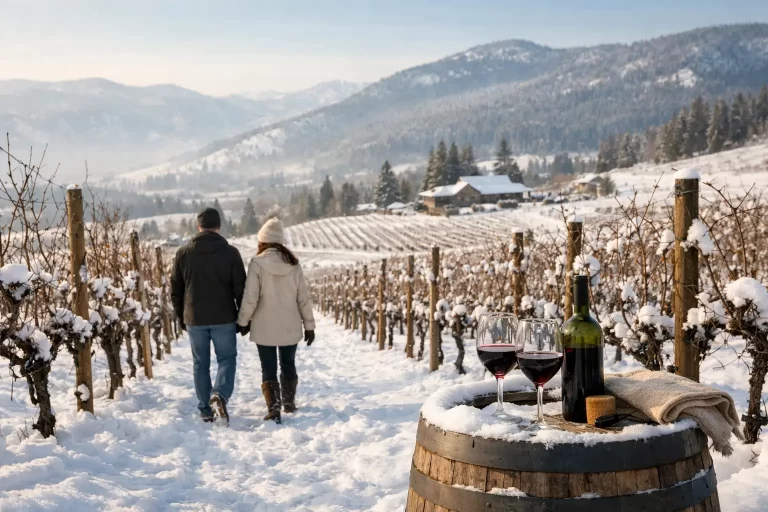
The question of self-guided versus group tours often arrives just as the good part of planning begins: a map is open, a promising bottle is on the table, and you are imagining yourself winding through vines towards a village square. One choice offers the pleasure of following your own nose. The other puts a knowledgeable local in the passenger seat, at least metaphorically, and saves you from wondering whether that tiny road is charmingly rural or simply a dead end.
For a wine-and-village holiday, there is no universally superior answer. The right style depends on how you like to travel, how confident you feel in an unfamiliar region, and whether your dream afternoon involves lingering over a second glass or fitting in three remarkable estates before supper. Both can produce the kind of trip that stays with you long after the suitcase has been unpacked.
Self-guided versus group tours: the real difference
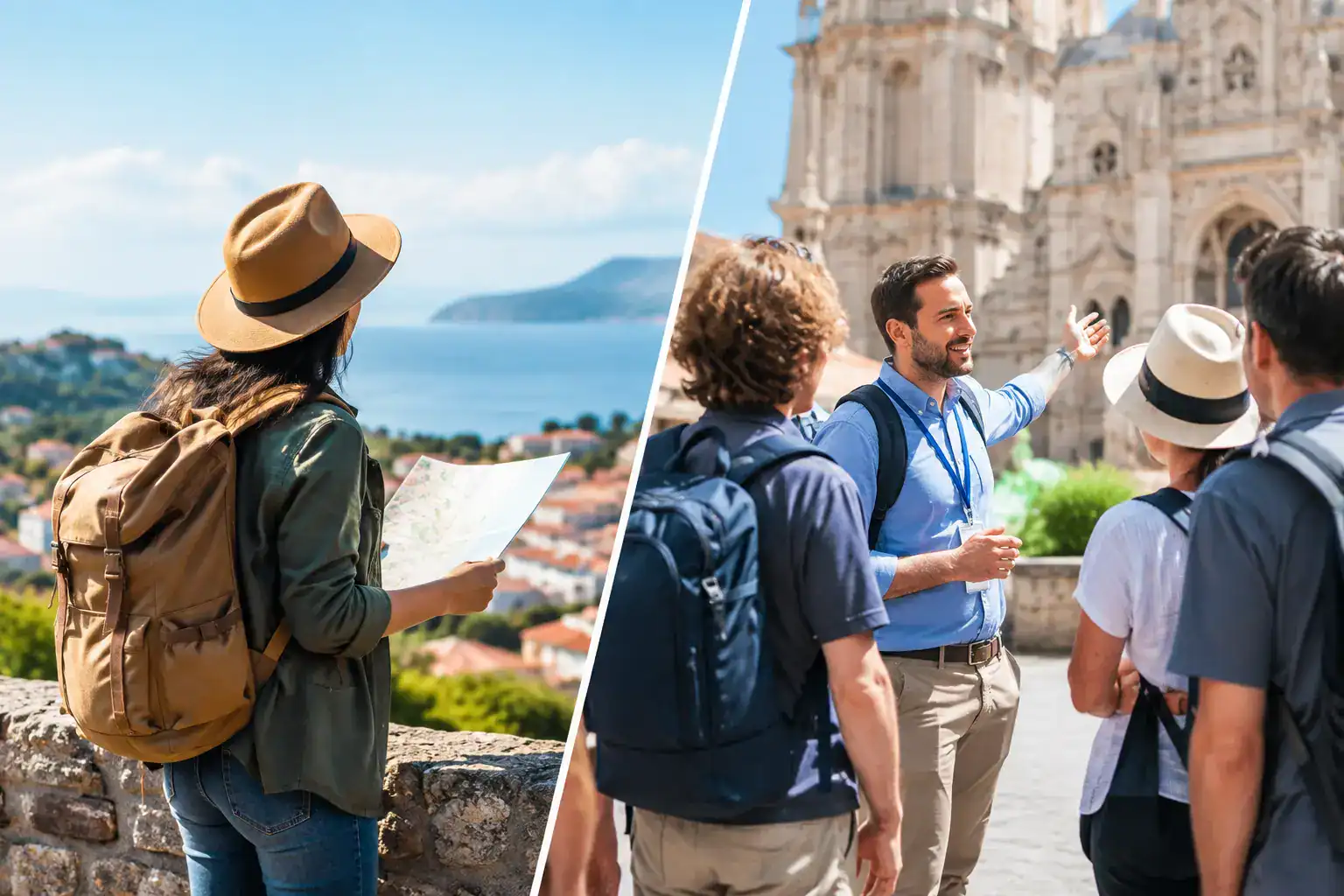
The difference is not merely independence versus company. It is about who carries the decisions. On a self-guided trip, you choose the route, the stops, the pace and, crucially, whether a bakery with warm fougasse deserves to rearrange the entire day. A group tour hands much of that organisation to someone else, usually in return for access, context and the reassuring sense that the logistics are already under control.
That distinction matters most in rural wine regions. Distances can look modest on a map, but vineyard lanes are slow, cellar doors keep particular hours, and a long lunch in a hilltop village has a way of becoming a whole afternoon. Neither approach is better at every moment. They simply make room for different pleasures.
The case for going self-guided
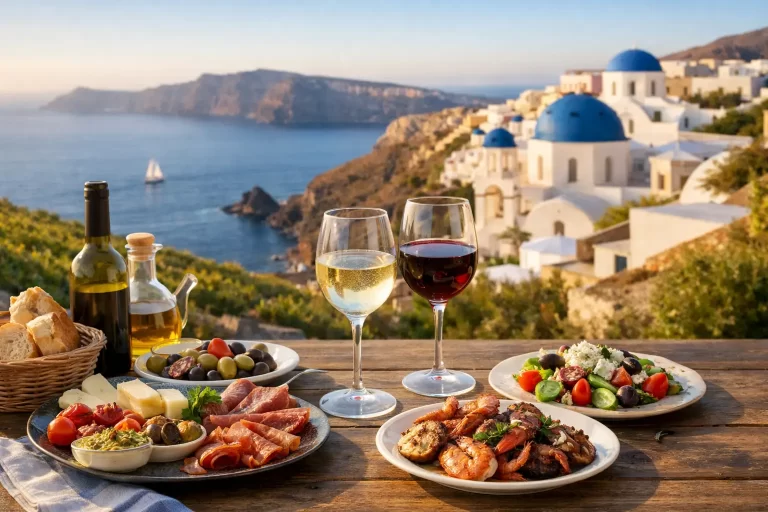
A self-guided holiday is made for travellers who find joy in the spaces between the headline sights. You may set out to visit a celebrated winery in the Douro, Alsace or Tuscany, then find yourself pausing at a family-run farm shop, a Romanesque church with no one else inside, or a shaded terrace serving a local white you had never heard of before breakfast.
Freedom is its great luxury. You can stay two nights rather than one because the market is on tomorrow. You can choose a small village hotel instead of the most convenient base. If one tasting feels rushed or overly formal, you can leave it behind and let the day become something gentler. For couples, this can feel particularly romantic: a shared map, a scenic wrong turn, and the happy responsibility of choosing dinner.
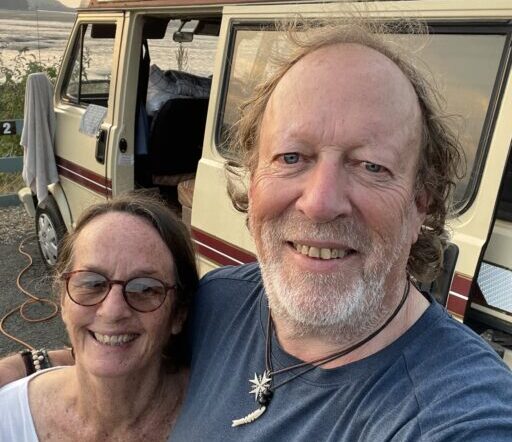
Self-guided travel also gives you more control over your budget. You can balance a special private tasting with picnic lunches, simple guesthouses and a few bottles bought directly from the producer. It is easier to make the journey fit your own version of comfort, whether that means a campervan tucked beside the vines or a room above an old stone square.
There are practical cautions, of course. Research takes time, especially where smaller producers require appointments. Driving after tastings needs real forethought, not heroic confidence after a generous pour. In regions with limited public transport, designate a driver, book taxis in advance, choose accommodation within walking distance, or spread tastings across several unhurried days. A beautiful bottle is never improved by a stressful journey back.
Self-guided travel is also less forgiving when plans wobble. A closed cellar, poor weather or a missed train becomes yours to solve. Some travellers love that little puzzle. Others would rather be enjoying the view while somebody else rings ahead.
What group tours do exceptionally well
A good group tour is not a coach full of strangers being hurried past beauty with a flag held aloft. At its best, it is an introduction to a place through people who know its rhythms. The guide understands why one slope produces richer grapes than the next, which village still makes its own local cheese, and where the winemaker will happily talk for an extra twenty minutes if the conversation is flowing.
That local knowledge can open doors. Small estates may not accept casual visitors, and the most interesting appointment is not always the most visible online. A well-chosen group tour can bring you into a family cellar, a working olive mill or a village kitchen that would be difficult to arrange alone. You gain the story behind the glass as well as the glass itself.
Group tours are especially appealing if you are new to a region, travelling solo, or keen to taste without worrying about transport. There is a quiet pleasure in letting someone else navigate the hairpin bends while you admire the patchwork of vines outside the window. You may also meet fellow travellers who are genuinely interested in food, wine and place, rather than merely collecting photographs of them.
The trade-off is a shared timetable. Even a small, thoughtful group must move at some point, often just as you have found the perfect chair in the sunshine. Your fellow travellers will have different energy levels, tasting preferences and punctuality habits. If your idea of bliss is an unplanned afternoon with nowhere to be, a structured itinerary can feel a touch buttoned-up.
Before booking, look beyond the number of wineries included. Ask about group size, free time, the pace of each day and whether meals are genuinely local or simply convenient. A smaller group with breathing room is often worth more than a packed schedule of famous names.
Consider the cost beyond the headline price
Self-guided trips can appear cheaper because you book each element separately. But the final figure may rise with car hire, fuel, parking, tasting fees and last-minute taxis. Group tours often look dearer upfront. But may include transport, guides, reservations and tastings that would cost more or be difficult to organise independently.
Value is not only financial. If you have one precious week a group tour may offer more from your time. If you have flexibility and take pleasure in the planning itself, self-guided travel can reward you with a more personal, sometimes less expensive journey.
The sweetest option may be a hybrid holiday
Many memorable trips sit happily between the two. Base yourself independently in a village for several days, then book one small-group day with a local guide. It gives you a proper introduction to the landscape, helps you learn which wines and areas excite you most, and leaves the rest of the holiday open for slow mornings and spontaneous detours.
This works brilliantly in wine country. Take a guided day early in the trip, particularly if you want to taste generously without driving. Afterwards, use your new knowledge to revisit a village, seek out a bottle you loved, or order the regional speciality with a little more confidence. You have the comfort of expert insight without surrendering every hour of your holiday.
Choose the travel style that suits this trip
Ask yourself what you want to remember. Is it the thrill of finding a tiny producer at the end of a dusty lane? Where the owner pours wine beneath a fig tree and tells you about the harvest? Or is it hearing a guide explain the landscape so clearly that the view, the grapes and the wine suddenly make complete sense?
Also be honest about your appetite for planning. There is no prize for doing everything yourself, just as there is no shame in letting an expert make a good day easier. The best travel style is the one that leaves you curious rather than exhausted.
Whichever route you choose, leave a little white space in the itinerary. A village bell, a roadside cherry stall or an unexpectedly lovely bottle can be more persuasive than any schedule. Those are the moments that turn a tour into a story worth bringing home.