A Slow Guide to Scottish Coastal Villages
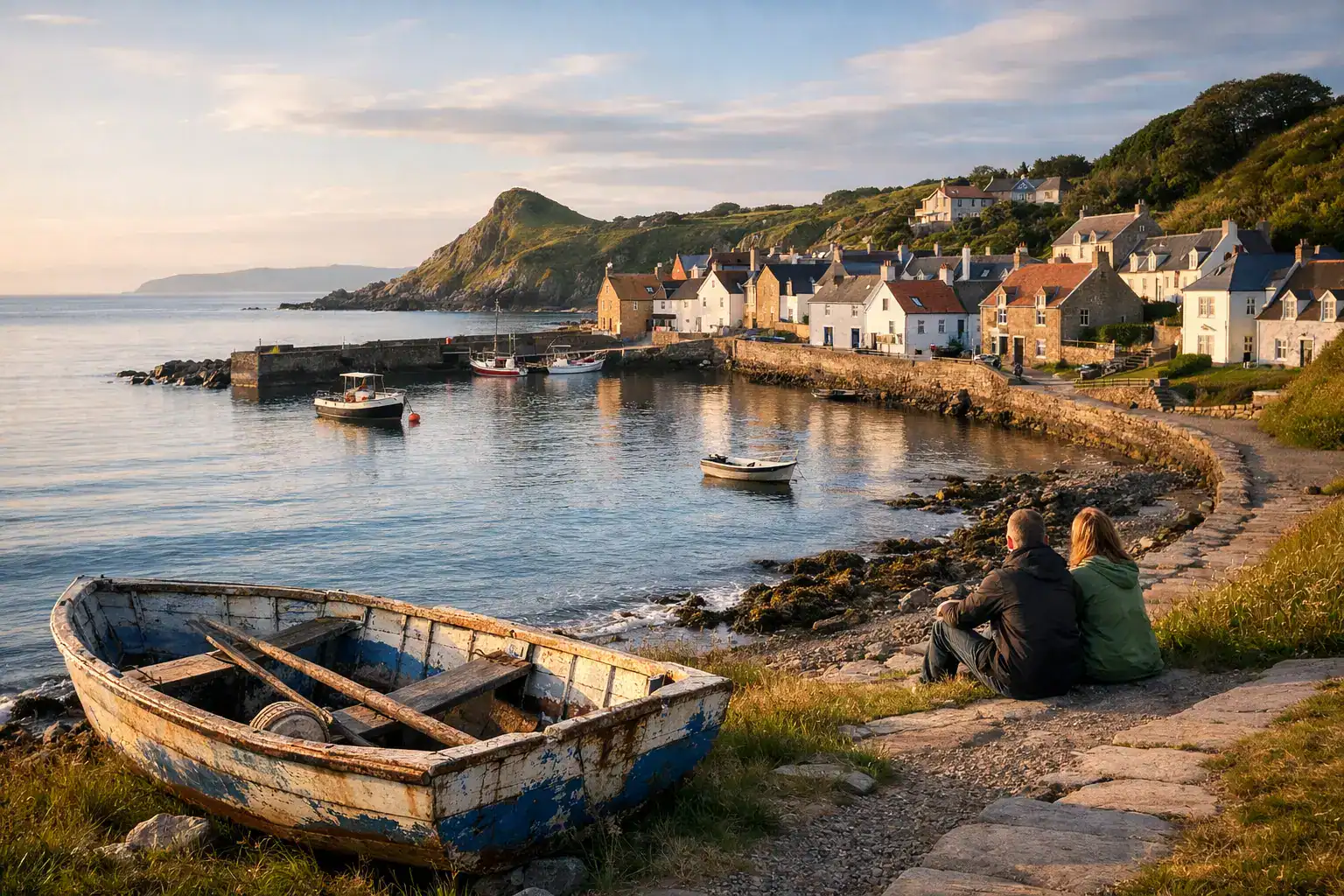
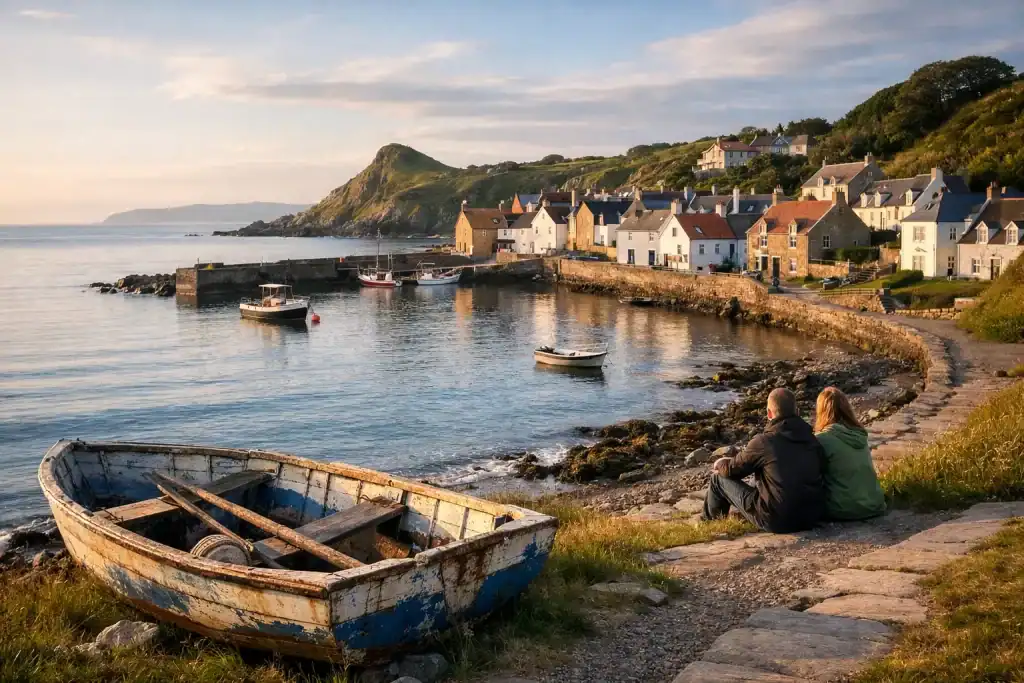
The first thing I remember about arriving in a Scottish fishing village is the sound: halyards tapping against masts, gulls conducting a very confident argument, and the soft slap of water against a stone harbour wall. This guide to Scottish coastal villages is for travellers who would rather linger over smoked fish and a good glass of something local than race between landmarks with the heater blasting and a timetable in hand.
Scotland’s coast is not one neat, predictable ribbon. It changes character constantly: gentle sandy bays on the east coast, raw Atlantic drama in the north-west, whitewashed cottages on island shores and harbours where bright fishing boats bob beneath old warehouses. The joy lies in accepting that you will not see it all. Pick a stretch of coast, give it time, and let the smaller moments become the itinerary.
Why Scottish coastal villages reward slow travel
A village can look tiny on the map and still fill a day beautifully. Start with a walk along the harbour before breakfast, when the sea smells cold and clean and there is a decent chance of finding a bakery already doing serious work with butter. Browse the local shops, talk to the person pouring your coffee, then take the long way round to a beach or headland.
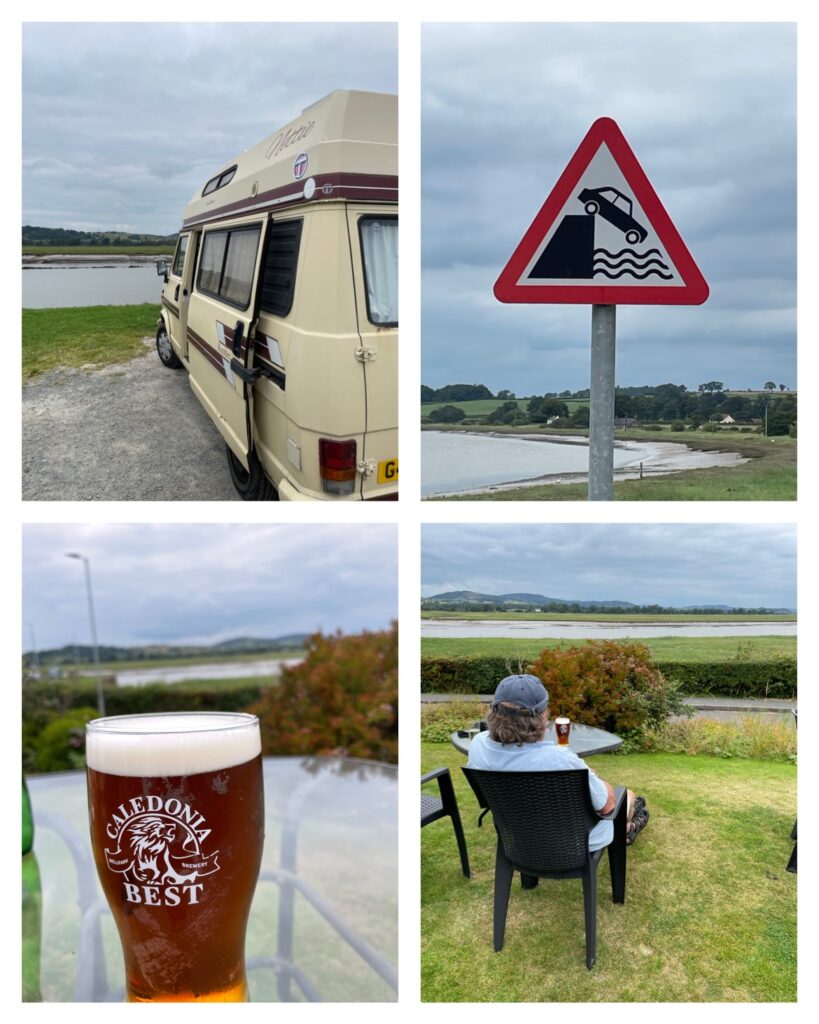
These places are especially good for couples, campervan travellers and anyone who likes their scenery with a side of proper local life. You are not arriving at a stage set. In many villages, boats are still working boats, the pub is where neighbours catch up, and weather is not small talk but a genuine organising force.
The trade-off is that things can be seasonal. A restaurant may keep limited hours outside summer, ferries can be delayed, and that picture-perfect single-track road may take longer than your navigation app claims. Frankly, this is part of the deal. Scotland’s coast asks you to leave a little room for changing plans.
A guide to Scottish coastal villages by region
The East Neuk of Fife: harbours, colour and easy pleasures
For a gentle introduction, the East Neuk is hard to beat. Villages such as Crail, Anstruther, Pittenweem and St Monans sit close enough together to make an unhurried little coastal crawl. Their harbours are wonderfully compact, framed by old stone houses, bobbing boats and the occasional bench that practically demands a pause.
Crail has winding lanes and a harbour so photogenic it almost feels unfair. Anstruther has a livelier feel, with fishing heritage and plenty of reasons to stop for seafood. Pittenweem’s white cottages and artsy character make it especially pleasant for a wander, while St Monans has a handsome old pier and a quieter, more tucked-away mood.
This is a region for packing a chilled bottle of English or Scottish sparkling wine in the campervan, then finding a legal, sensible spot to enjoy it later with local cheese or dressed crab. Keep the wine modestly cold, naturally. A warm bottle in a sunny windscreen has disappointed better people than us.
The Moray Firth: dolphins and good old-fashioned sea air
Further north-east, villages around the Moray Firth offer broad skies, sandy beaches and a strong connection to the sea. Pennan is a tiny cliff-backed village with a famous red telephone box and a view that seems made for standing quietly with your hands in your pockets. Findochty, Portknockie and Cullen all have their own character, with little harbours, rocky coves and fine walking nearby.
Cullen deserves an appetite. This is the home of Cullen skink, that deeply comforting soup of smoked haddock, potato and cream. It is not a dish for pretending you are being virtuous, but on a blustery afternoon, virtue is vastly overrated. Pair it with a crisp dry white wine if you have one to hand, or simply follow local instinct with a pint or a dram later on.
The Moray coast is also a lovely choice if you want the option of whisky distilleries without surrendering the holiday entirely to driving between them. Let one distillery visit be an occasion rather than a checklist, then give the rest of the day to the coast.
The North Coast: big landscapes, small villages
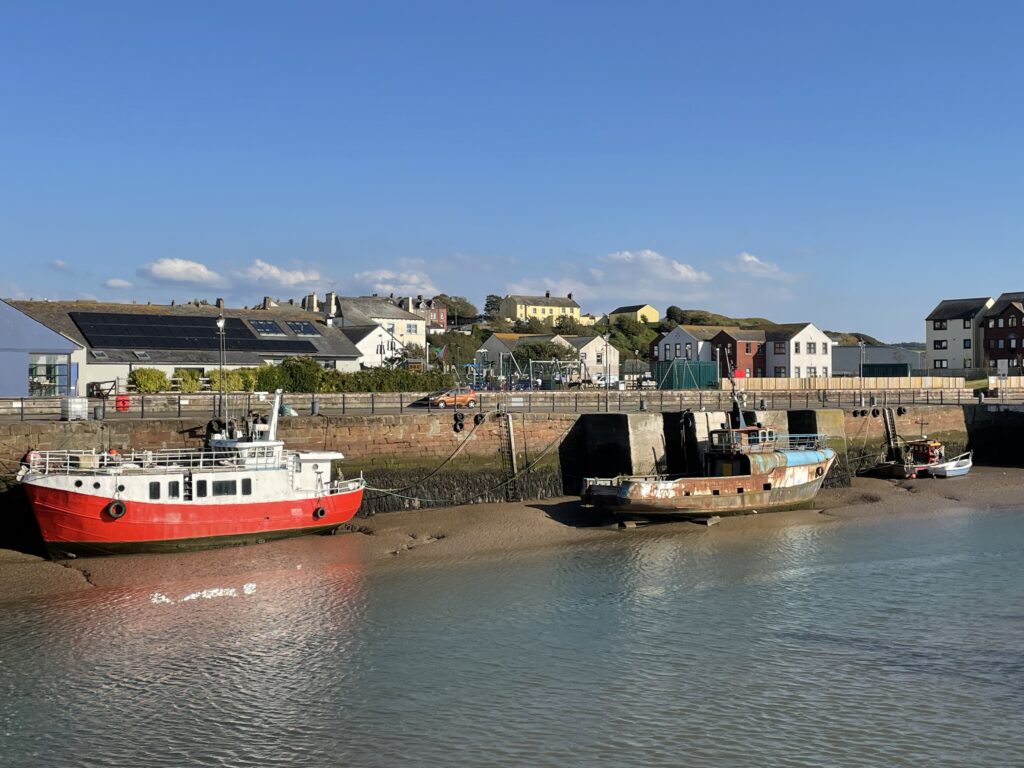
The north coast has a more elemental feel. Around places such as Durness, Tongue and John o’ Groats, the landscapes often take centre stage: vast beaches, peat-dark water, cliffs and light that can change from silver to gold in what feels like five minutes.
These are not always villages for a packed programme. They are villages for walking to the shore in a woolly jumper, coming back with pink cheeks, and settling somewhere warm as rain scatters across the window. Durness, with its spectacular beaches and sea caves nearby, makes a wonderful base if dramatic scenery is the priority.
Drive carefully here, particularly on narrow roads. Passing places are for cooperation, not competition, and local drivers will thank you for treating them with the respect they deserve. If you are in a larger motorhome, it is worth being realistic about road widths and parking before committing to every detour.
Argyll and the west coast: seafood, islands and soft evening light
The west coast is where Scottish coastal travel becomes gloriously hard to leave. The sea here is threaded with islands, and the light in the evening can make a plain white cottage, a tin roof or a line of mussel ropes look cinematic. Villages such as Tarbert, Portnahaven on Islay, Tobermory on Mull and Plockton near Kyle of Lochalsh each offer a different version of coastal charm.
Tarbert is a fine place to watch boats come and go, with seafood close at hand and ferries adding a gentle sense of movement. Tobermory’s brightly painted waterfront is deservedly popular, but stay beyond the busiest hours and it regains some breathing room. Plockton, with palms thriving in the Gulf Stream’s influence, has that delightful Scottish habit of looking both rugged and unexpectedly tropical.
On the west coast, a seafood supper often calls for a bright, saline white. Think Albariño, Muscadet or a dry Riesling, something with enough zip for oysters, langoustines and scallops. Scottish vineyards remain small and conditions are challenging, so this is not a region built around vineyard-hopping in the way southern England or continental Europe can be. Yet wine still belongs at the table here, as a companion to the catch, the conversation and the long view across the water.
How to build the right coastal road trip
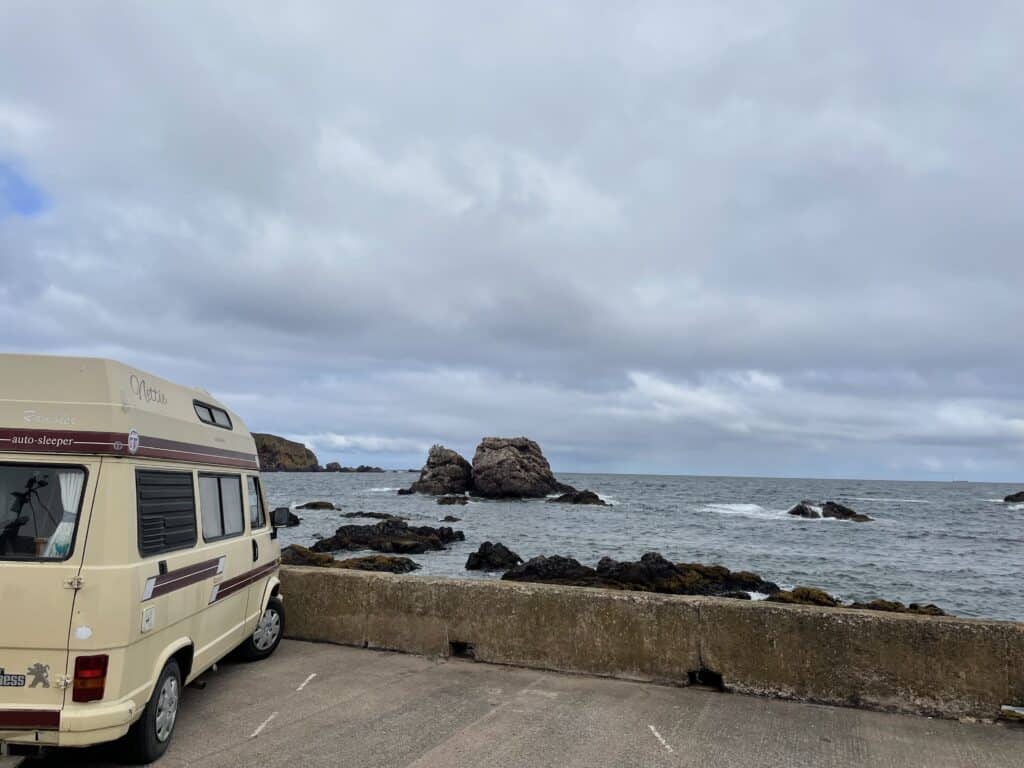
The best route depends on what you want your days to feel like. The East Neuk suits a long weekend with easy driving, independent places to eat and a mix of culture and coast. Moray is ideal for seafood, whisky and spacious beaches. The north coast is for scenery-first travellers who do not mind a little weather. Argyll and the islands are for those willing to let ferry times shape the rhythm.
Do not try to combine all of them in one short trip. Distances are deceptive, especially once you factor in photo stops, sheep, roadworks and the entirely reasonable need for a second coffee. Two or three nights in one area will give you more of the texture that makes these villages memorable.
Book accommodation and key evening meals ahead in high season, particularly on islands and in popular west-coast spots. Outside summer, check opening days before travelling. A closed harbour café is not a tragedy, but it is less charming when you have skipped lunch and driven forty miles for a bowl of soup.
The small rituals that make the trip
Bring layers, waterproof footwear and a picnic blanket. Keep a bottle of wine for the end of the day rather than the middle of it, especially if you are driving. Seek out local smokehouses, fishmongers, bakeries and village grocers, because a loaf of warm bread, good cheese and smoked mackerel can be a better supper than a formal booking when the weather turns theatrical.
Most of all, leave room to follow a handwritten chalkboard sign, a recommendation from the person behind the bar, or a beach path that seems to disappear around the headland. Scottish coastal villages do not need you to conquer them. They simply ask that you arrive with time, curiosity and a willingness to stay for one more view before heading home.
Affiliate Disclaimer
Some links on this blog may be affiliate links. This means that, at no additional cost to you, we may earn a small commission if you make a purchase through those links. We only recommend products, services, destinations, and experiences that we genuinely use, enjoy, or believe may be useful to fellow travellers and narrowboat enthusiasts. Thank you for supporting Vineyards and Villages and helping to keep our adventures afloat.