How to Travel Wine Regions Slowly
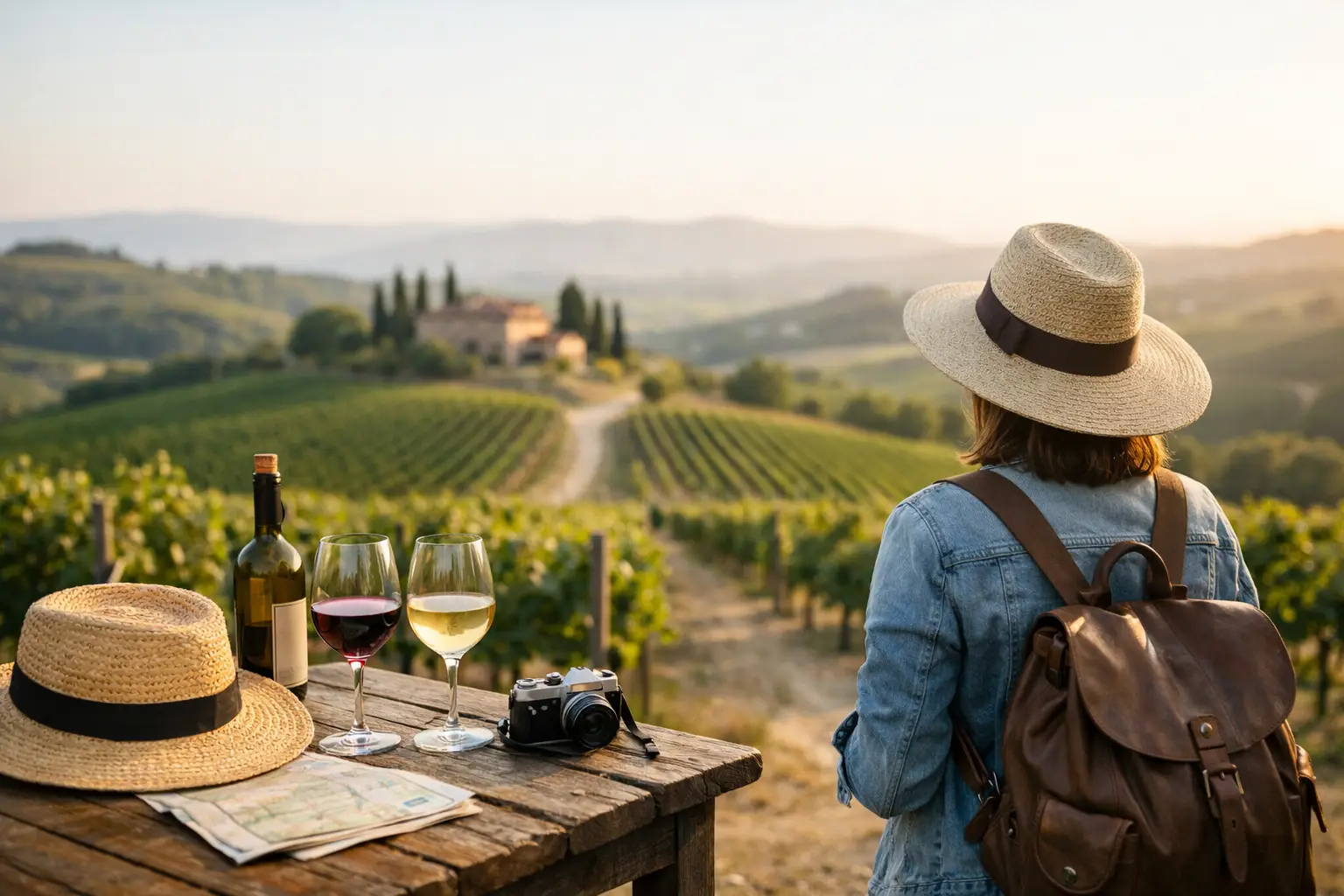
The best glass of wine I have ever had did not happen in a famous cellar or at the end of a polished tasting flight. It arrived on a wobbly café table in a tiny village square, just as the church bells struck six and the heat started to leave the stones. That is really the heart of how to travel wine regions slowly – not by collecting labels or ticking off cellar doors, but by giving a place enough time to settle around you.
Wine country can tempt you into rushing. There is always one more estate, one more panoramic road, one more lunch reservation with a view of vines rolling into the distance. Yet the regions that stay with you are usually the ones you moved through gently, where you noticed the bakery opening at dawn, the smell of must near a working winery, the way local people talked about weather as if it were family news. Slow wine travel is less about doing less for the sake of it and more about making room for the life around the wine.
Why how to travel wine regions slowly matters
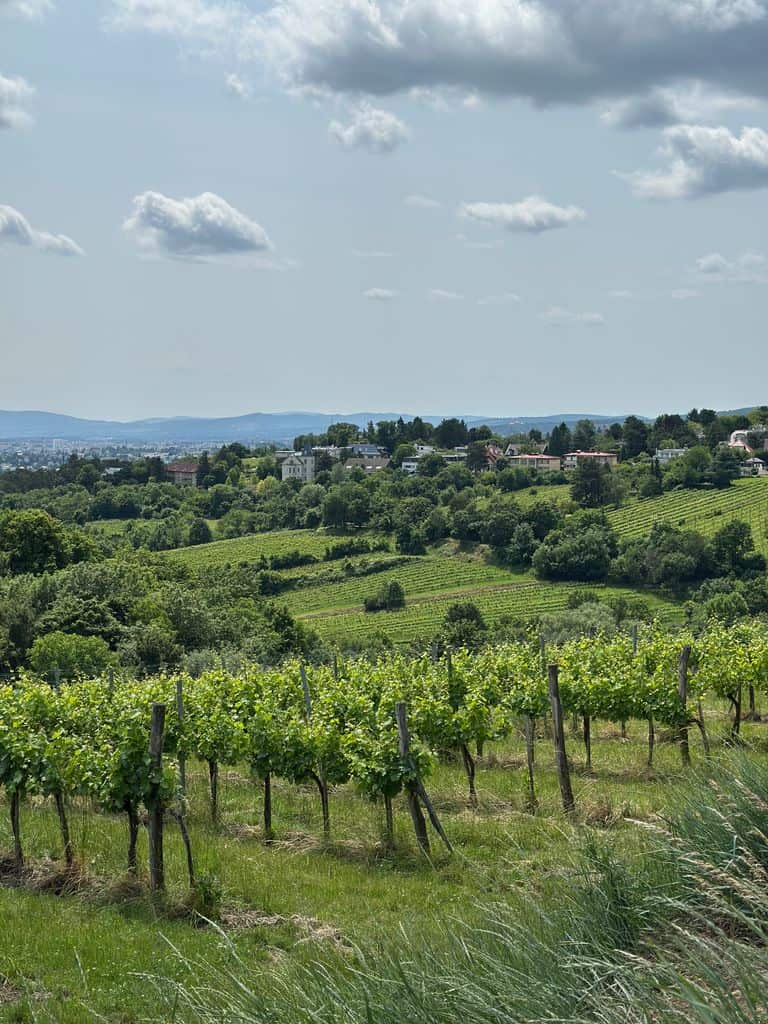
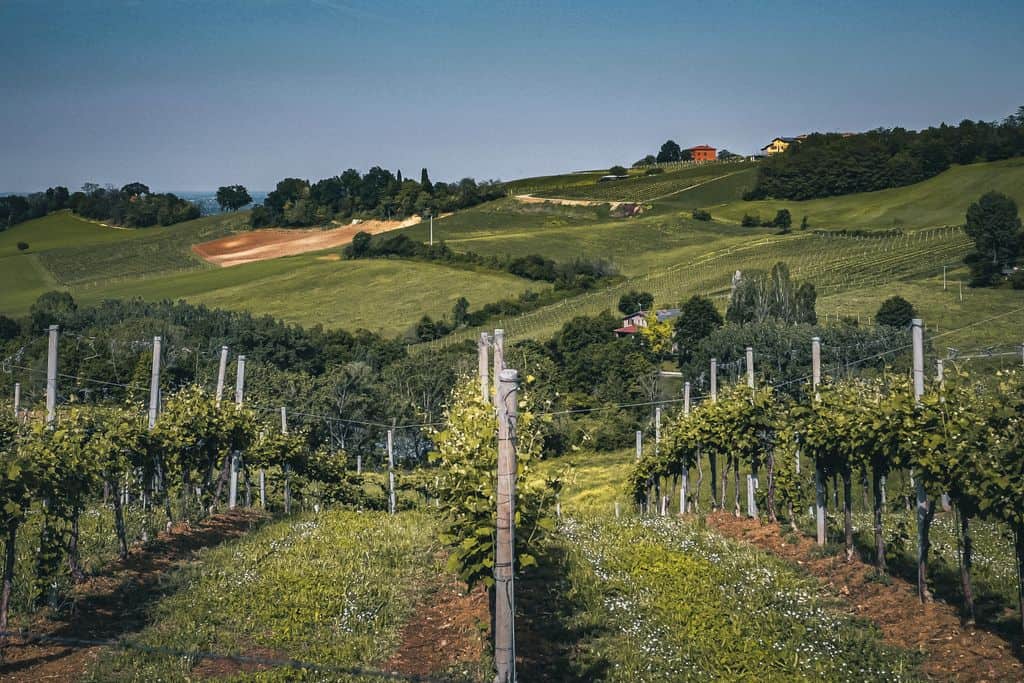
A wine region is never only about wine. It is fields, villages, kitchens, dialects, old farm walls, market stalls, chapel bells and roads that seem made for driving with the windows cracked open. If you treat it as a string of tastings, you get the flavour but miss the place. If you slow down, the wine begins to make more sense because you have seen the soil, eaten the food, noticed the light and spent enough time in one area to understand its rhythm.
This also changes the way you taste. By the third hurried winery in a day, even very good bottles can blur together. One thoughtful tasting in the late morning, followed by a long lunch and an afternoon walk through the village, often tells you far more. You remember the chilled white because you drank it with trout from the river nearby. You remember the supple red because the winemaker spoke about the slope you had driven past an hour earlier.
Stay longer in fewer places
The simplest answer to how to travel wine regions slowly is to reduce the number of bases. Instead of skimming three regions in a week, choose one and let it unfold. A small town or village usually works better than a city if your aim is to feel the region rather than commute into it.
In practical terms, three or four nights in one spot is often the difference between passing through and belonging, however briefly. On the first day, you are learning the roads. On the second, you start recognising the café owner and understanding where the best evening light falls across the vines. By the third, the place stops behaving like a backdrop and starts to feel personal.
There is a trade-off here. If this is a once-in-a-lifetime trip, you may feel pressure to cover more ground. That is understandable. But wine regions reward repeatable pleasures more than headline sights. The same lane walked twice, once in morning mist and once at sunset, can be more memorable than another rushed detour to a famous name.
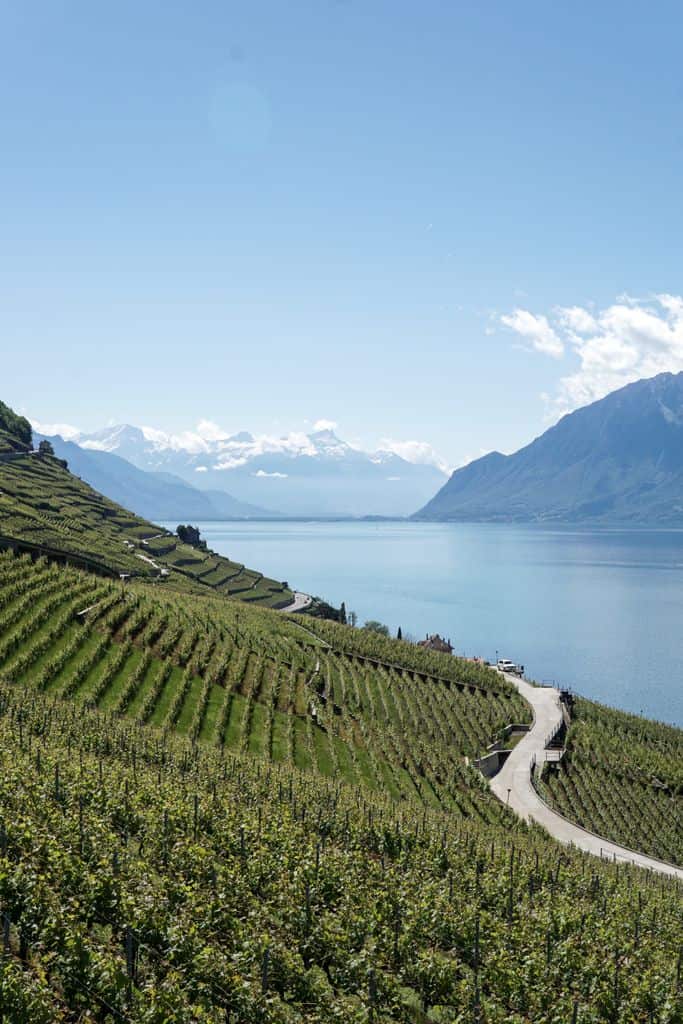
Build your days around one anchor
A slow day in wine country usually needs only one fixed point. That might be a vineyard visit, a long lunch, a village market or a scenic drive to a hilltop town. Once you start stacking bookings, the day tightens and the mood changes. You stop looking at the landscape and start checking the time.
When I travel through wine regions, I try to choose one anchor for the morning or early afternoon, then leave the rest open. That creates space for the moments that tend to become favourites: a roadside viewpoint, a wine shop with an owner keen to chat, an extra half hour beside the river, a second coffee in the square because no one seems in a hurry and suddenly neither are you.
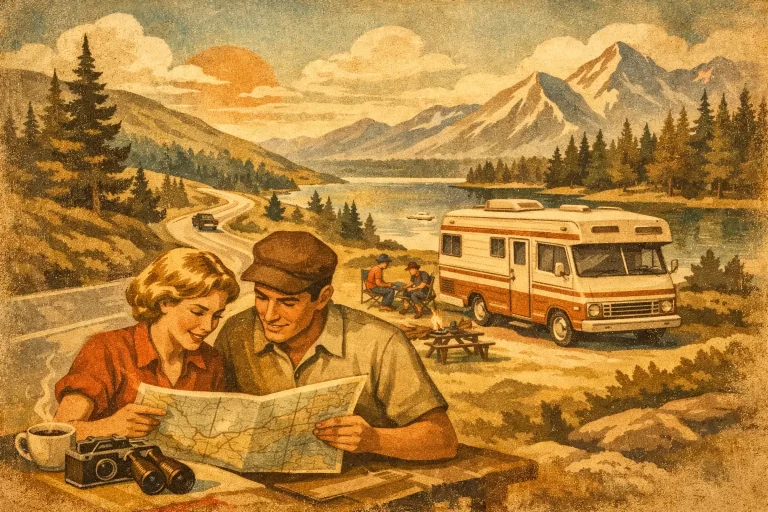
This approach is especially helpful if you are driving or travelling by campervan. Rural routes can be slower than they look on a map, and part of their pleasure lies in not treating them as transfers. A beautiful wine road should feel like part of the day, not dead time between appointments.
Taste less, notice more
There is no prize for the highest number of wineries visited. In fact, the sweet spot for most travellers is lower than they think. One tasting a day is often enough, two if they are close together and very different in style. Beyond that, attention fades.
The better question is not how many wineries you can fit in, but what kind of experience you want. A family domaine where you stand near the barrels and talk about the vintage can be more rewarding than a slick, back-to-back schedule of prestige estates. Smaller producers often reveal more about local life, though larger houses can offer history and a broader view of the region. It depends what draws you in.
And do not make every stop alcoholic. Visit a market. Walk through the vineyards. Spend an hour in the village church or local museum. Sit by the water with a simple bottle bought from a merchant and drink it with bread, cheese and whatever fruit is in season. Wine feels more generous when it is part of a day rather than the whole point of it.
Let villages shape the trip
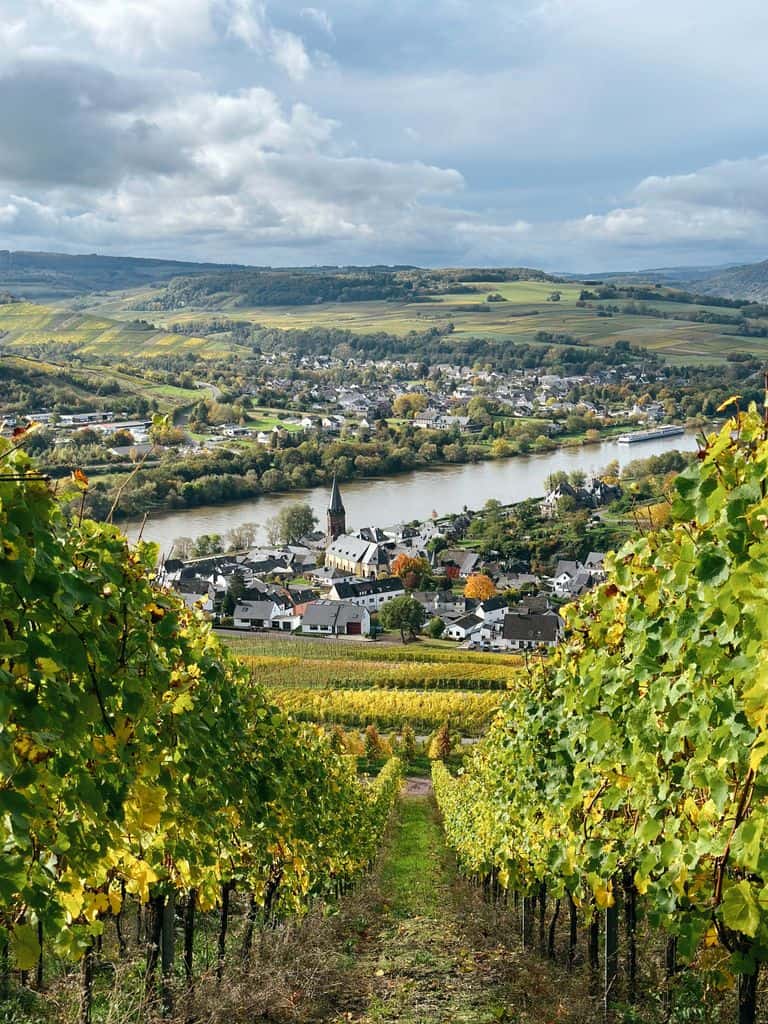
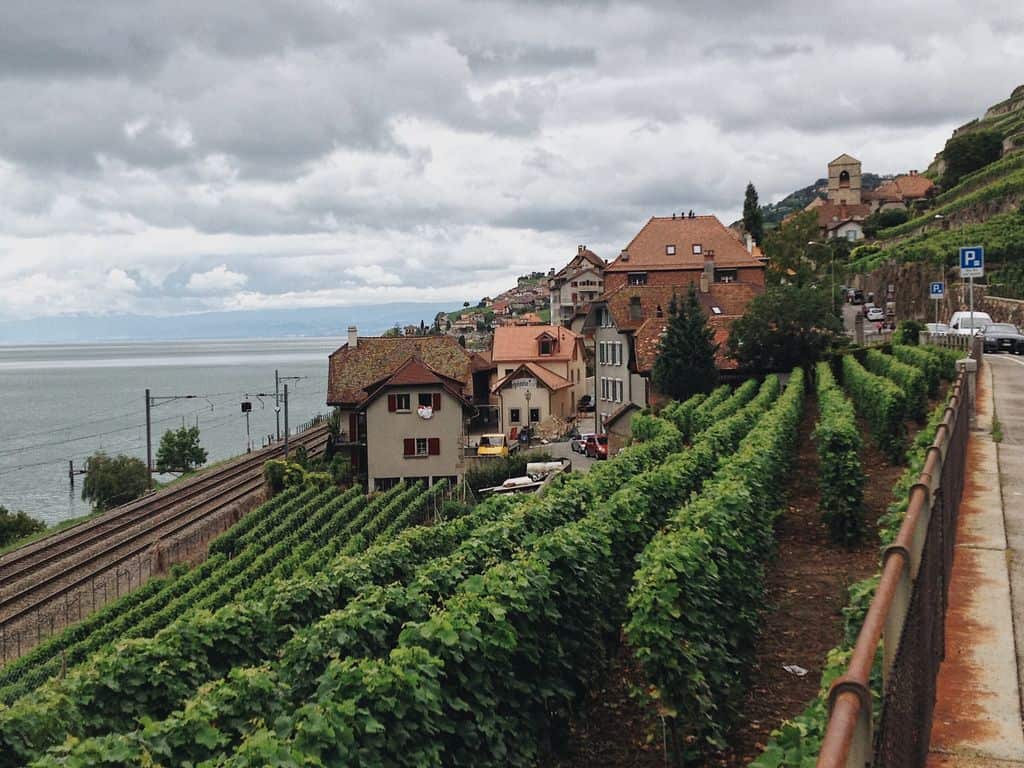
The villages are often where a wine region becomes lovable. They give scale to the landscape and context to the bottle. A row of plane trees, a stone fountain, laundry moving in the breeze above a quiet lane – these details matter more than people admit when planning a trip, yet they are often the reason a region lingers in memory.
Spend time in villages without an agenda. Arrive early before the day-trippers. Return in the evening when shutters open and the square begins to fill. If there is a weekly market, build your stay around it. If there is a local fête, even better. These moments connect you to the region in a way no tasting note can.
This is where a brand like Vineyards and Villages feels exactly right as a way of thinking, not just travelling. The vineyard gives you the flavour; the village gives you the feeling.
Eat where the wine belongs
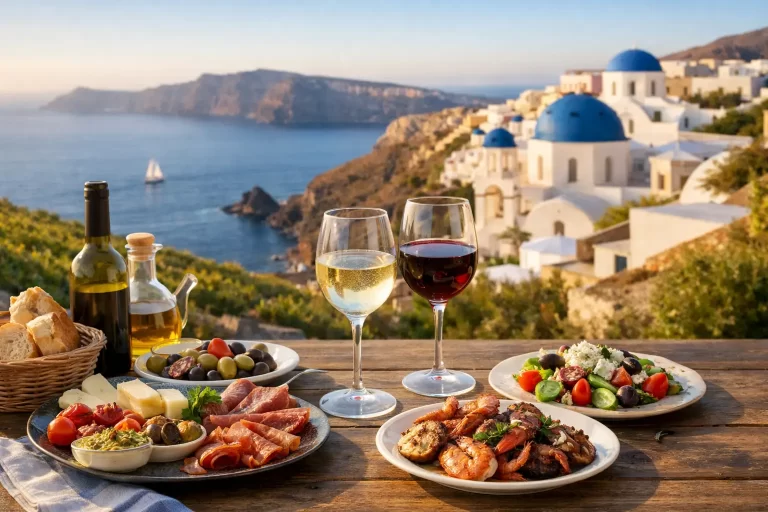
One of the loveliest ways to slow down is to treat meals as part of the landscape. Regional food explains regional wine with remarkable ease. A crisp local white with seafood near the coast, a peppery red with grilled meat inland, a glass of something lightly chilled with a plate of charcuterie on a warm evening – these pairings do not need ceremony. They just need place.
Avoid over-scheduling lunches if you can. The most satisfying meals in wine country are often the unplanned ones found after a walk or a scenic drive, when you are hungry enough to order what the region does best. Ask for the local wine by the glass. You do not need to know everything about it. Sometimes the right way to learn is simply to drink what people nearby are drinking.
There will be days when a grand restaurant is worth it, especially for an anniversary or a memorable splurge. But simple meals often suit slow travel better. They leave room in both your timetable and your head.
Choose transport that matches the pace
Driving gives freedom, especially in rural wine regions where public transport can be patchy. It lets you stop for viewpoints, bakery runs and those villages that barely register on the map. But driving and tasting require restraint, so the day needs honest planning. One proper cellar stop is usually enough if you are behind the wheel.
If you want more freedom to taste, consider staying somewhere walkable and booking a local driver or tour for one day rather than every day. Cycling can be wonderful in gentler regions, though only if distances, heat and hills are realistic for you. Trains work beautifully in some areas, but they favour regions with larger towns and stronger connections.
The best transport choice is the one that lets you remain relaxed. If you spend the whole day worrying about roads, parking or getting back before dark, the region begins to feel harder than it should.
Leave room for weather, mood and surprise
Slow travel improves the moment you stop fighting the day. Rain may cancel the vineyard picnic but lead you to a cellar tasting by candlelight. Heat may send you off the road and into a cool stone church or a shaded terrace where you discover the local rosé. Tiredness may turn a planned excursion into an afternoon nap followed by an evening stroll and a carafe of house red, which turns out to be exactly what you needed.
Wine regions are agricultural places, not theme parks. Harvest, opening hours, family-run businesses and village routines all shape what is possible. That is part of their charm. If you arrive wanting control over every hour, you may miss what makes these places feel alive.
A good rule is to finish each day with enough space to absorb it. Watch the light change. Open a bottle bought nearby. Sit outside if you can. Listen to the sounds of the village settling. The wine will taste better for the day around it, and the region will feel less like somewhere you visited and more like somewhere you briefly knew.
If you are wondering how to travel wine regions slowly, start by trusting that less can be richer. One road, one village, one lingering lunch, one bottle shared as evening comes on – that is often where the real trip begins.



5 Comments
Comments are closed.