Slow Travel Wine Regions Guide for Europe
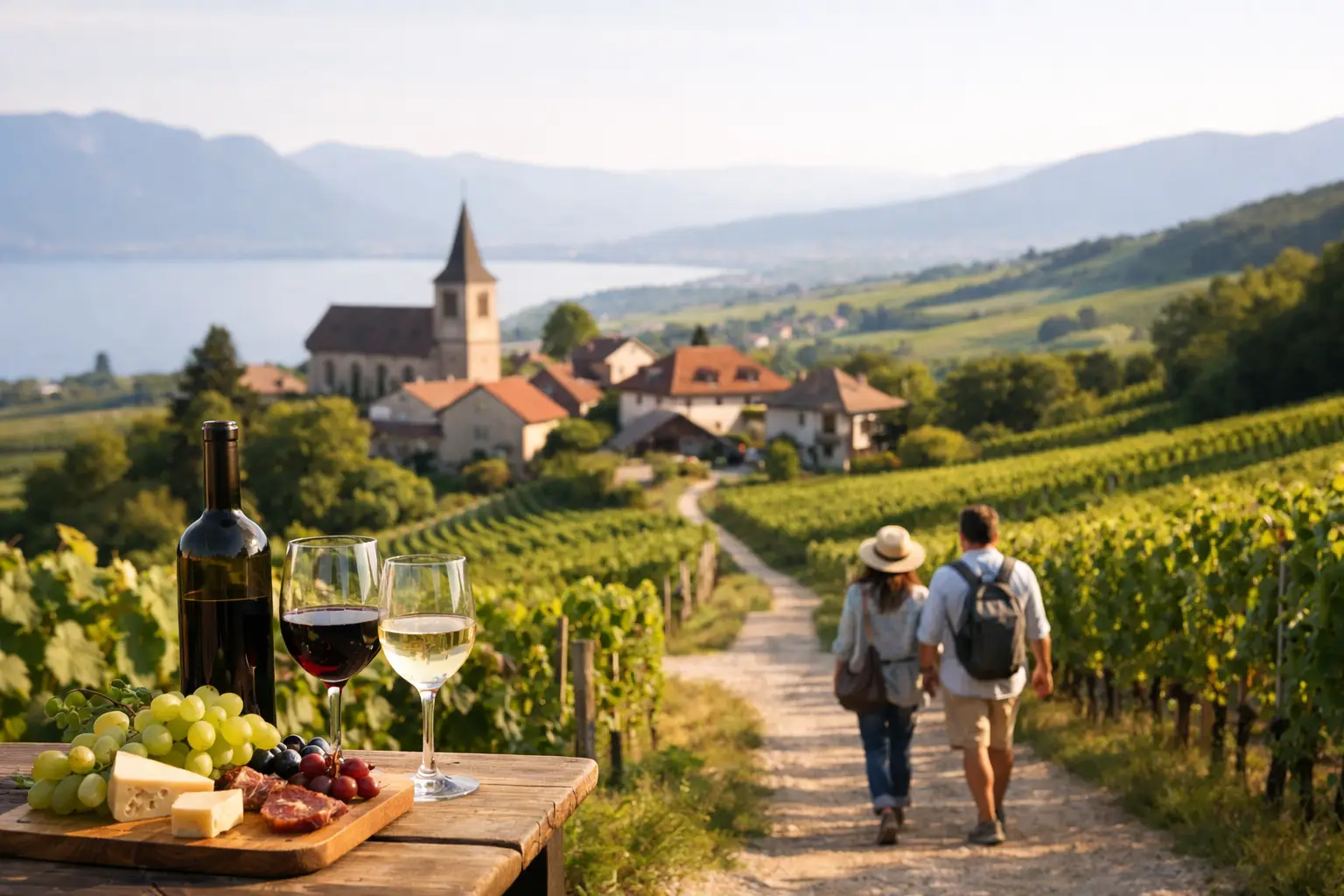
You can tell a wine region was made for slow travel when the best moment of the day is not the tasting itself, but the hour before it – driving a quiet back road, passing cypress lines or stone farmhouses, and wondering whether to stop for lunch in the next village or stay exactly where you are. A good slow travel wine regions guide should start there, with the rhythm of a place rather than a checklist of cellar doors.
The great pleasure of travelling this way is that wine gives shape to a journey without turning it into homework. You do not need to know your tannins from your terroir to feel the difference between a sun-baked hillside in southern France and a cool river valley in Germany. You simply need time. Time to stay for two or three nights instead of one. Time to notice what people are eating with the local bottle. And…time to see how a village sounds after the day-trippers have gone home.
🍷 Slow Travel Through Europe’s Most Beautiful Wine Regions
There is a particular pleasure in discovering a wine region slowly. Not through a rushed tasting itinerary or a frantic checklist of famous labels, but through winding back roads, vineyard lunches, quiet village squares and evenings that stretch lazily into sunset. The best wine travel experiences are rarely about how many wineries you visit; they are about how deeply you settle into the rhythm of a place.
In this slow travel wine regions guide, we explore some of Europe’s most rewarding destinations for travellers who prefer lingering over rushing. From the vineyard-covered hills of Alsace and the dramatic terraces of Portugal’s Douro Valley to the volcanic landscapes of Lanzarote and the riverside charm of Germany’s Mosel, these regions invite you to slow down, stay longer and savour the journey as much as the wine itself.
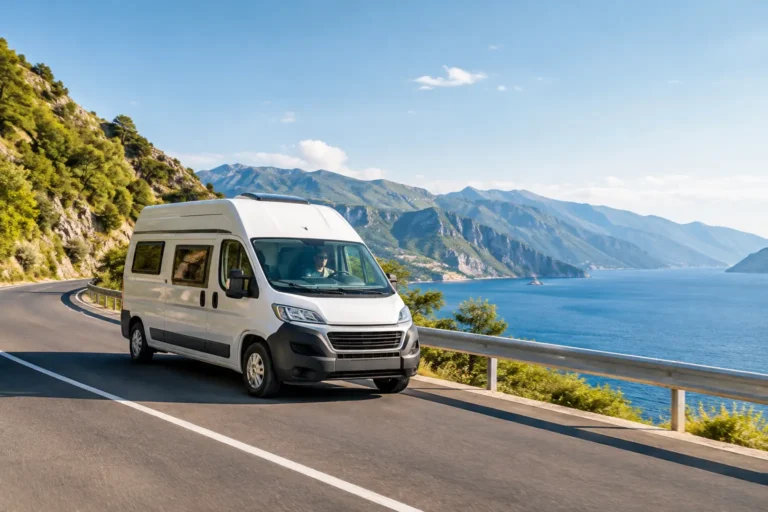
Whether you travel by campervan, train, hire car or simply follow the road wherever it leads, these destinations offer far more than cellar doors alone. Expect family-run vineyards, long countryside lunches, market towns, scenic drives and villages where life still moves at a gentler pace. If you enjoy wine, villages, beautiful landscapes and the art of unhurried travel, these are the places that truly reward lingering.
What makes a wine region right for slow travel?
Not every famous wine destination suits a slower pace. Some are brilliant but crowded, expensive, or built around a quick tasting-room circuit. For slow travel, I look for regions where vineyards sit naturally alongside market towns, family-run inns, walking routes and long lunches. The wine matters, of course, but so does the space around it.
The best places tend to have a few things in common. Distances are manageable. Villages still feel lived in rather than staged. Local food is part of the same story as the wine. And there is enough variety to fill a few unhurried days – perhaps one morning at a weekly market, an afternoon tasting in a small domaine, and an evening with a simple carafe on a terrace.
That also means accepting a trade-off. The most polished regions are not always the most restful, and the prettiest villages can be the least affordable in high season. Slow travel often rewards the second-most-famous place – the town just beyond the headline name, the producer with fewer medals and warmer conversation, the road that takes ten minutes longer and gives you a much better view.
A slow travel wine regions guide to places that reward lingering
Alsace, France
Alsace has a storybook reputation, and for once the reputation is deserved. Timber-framed villages, flower-filled balconies and vineyard slopes rolling towards the Vosges make it one of those places where even a grocery run feels cinematic. But what makes it especially good for slow travel is how close everything is. You can base yourself in one village and still spend days meandering between cellar doors, walking paths and little squares that seem designed for a late glass of Riesling.
The wines are approachable even if your knowledge is patchy. Riesling, Pinot Gris, Gewurztraminer and Cremant d’Alsace all turn up regularly, often poured by people who are happy to explain without making you feel tested. Stay just outside the most famous villages if you want more peace and better value. Colmar is lovely, but a smaller base can feel more personal once the coaches have left.
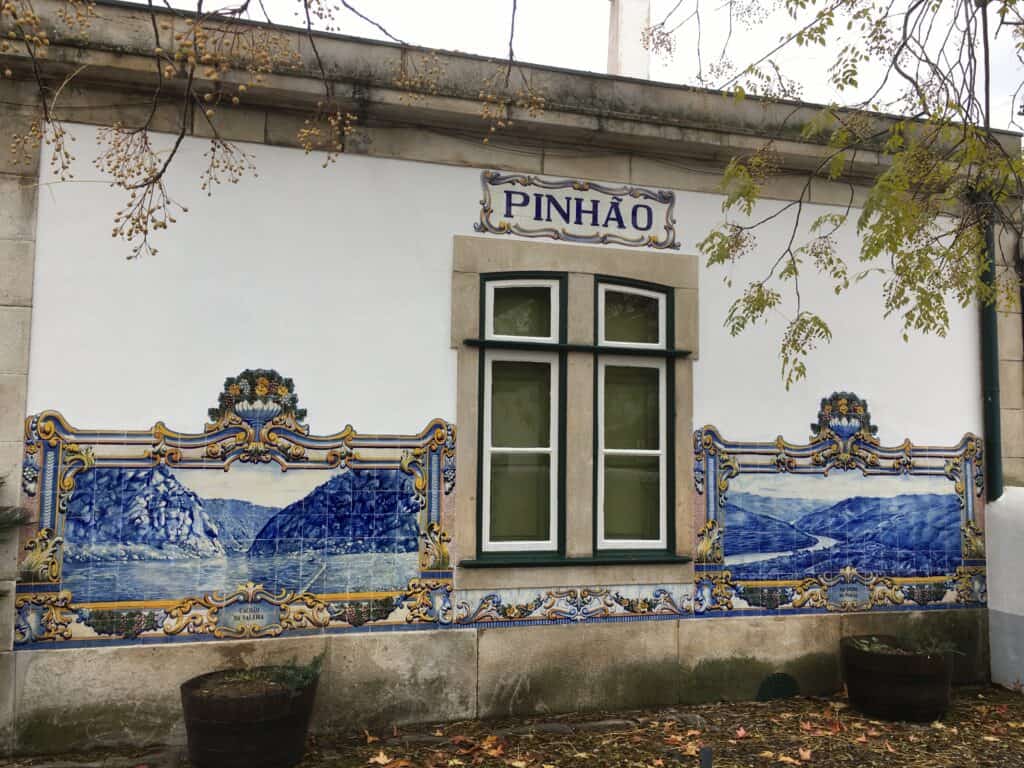
Douro Valley, Portugal
The Douro is dramatic in a way that slows you down whether you mean it to or not. The roads coil along steep terraces, the river glints between folds of vine-covered hills, and every viewpoint seems to ask for another pause. This is not a region for racing. It is a region for settling into one hillside hotel or quinta and letting the landscape do half the work.
Port may be the famous name, but dry Douro reds and whites are part of the pleasure too. The best days here are often very simple: a lazy breakfast, a river view, one visit to a producer, then a long lunch with olive oil, salt cod or grilled meat and a bottle grown on the surrounding slopes. Summer can be fiercely hot, so shoulder season tends to suit this region better if you want energy for walking and wandering.
Mosel, Germany
If your idea of a wine escape includes river bends, steep vineyards and villages that feel gently old-fashioned, the Mosel is a dream. It has a softer mood than some of Europe’s grander wine regions. You cycle beside the river, take small ferries, wander castle ruins, and drink Riesling that can be feather-light, mineral and astonishingly refreshing.
What I love about the Mosel is that it does not ask you to perform expertise. You can sit beside the water with a glass and simply enjoy how well the wine fits the place. It is especially good for travellers who like a low-key pace and easy logistics. Public transport is decent, the scenery is constant, and the atmosphere suits couples, solo travellers and anyone who finds joy in a quiet evening rather than a buzzy nightlife scene.
Piedmont, Italy
Piedmont is where slow travel becomes richly, gloriously edible. The hills around Langhe and Monferrato seem made for long drives between villages, hazy viewpoints and meals that keep arriving long after you think lunch should be over. The wines can sound serious on paper – Barolo, Barbaresco, Barbera – but the region itself is deeply hospitable when approached with curiosity rather than bravado.
This is a place to rent a room with a view, unpack properly and settle into local patterns. Have coffee in the village, visit one producer in the late morning, keep the afternoon free, and let dinner become the event of the day. Truffle season has obvious appeal, but it also brings crowds and prices. If you travel outside peak foodie periods, Piedmont can feel more relaxed and no less delicious.
La Geria, Lanzarote, Spain
For something less obvious, Lanzarote’s La Geria offers one of the most distinctive wine landscapes in Europe. Vines are planted in black volcanic ash, each one sheltered by a semicircular stone wall, and the effect is otherworldly. It is not the sort of region where you tick off village after village in the continental style, but it suits a slower holiday beautifully if you pair wine visits with coastal drives, local cooking and time outdoors.
The wines, especially Malvasia Volcanica, carry that sense of place in a very direct way – saline, bright and shaped by wind and volcanic soil. The island setting changes the rhythm. You might spend the morning by the sea, the afternoon at a bodega, and the evening watching the light soften over lava fields. It is ideal for travellers who want wine without giving up a broader scenic escape.
How to use this slow travel wine regions guide well
The temptation in any wine region is to overbook. Tastings look manageable on a map, then reality arrives in the form of winding roads, generous pours and the sudden discovery of a village bakery worth staying for. The kinder approach is to plan one anchor activity a day and leave the rest loose.
Base yourself in one place for at least three nights if you can. That single decision changes everything. You stop living out of a bag, begin to recognise the route to the bakery, and gain room for spontaneity. Some of my favourite wine travel memories have come from unplanned detours: a roadside honey stall, a church bell over the vineyards at dusk, a bottle recommended by a shopkeeper rather than a sommelier.
It also helps to match the region to the kind of holiday you actually want. If you love dramatic landscapes and do not mind driving, the Douro is wonderful. And, if you prefer cycling, riverside towns and lighter wines, choose the Mosel. If food is the main event, Piedmont is hard to beat. If visual charm matters most, Alsace delivers. And if you want something a little different, Lanzarote stays with you.
Wine, villages and the pleasure of staying put
What stays with me after these trips is rarely a tasting note. It is the feel of a place once I stopped trying to cover too much ground. The local wine became a thread through the day rather than the whole point of it – a glass of crisp white before dinner, a red chosen because the restaurant owner smiled when she suggested it, a bottle bought to open later on a terrace as the evening cooled.
That is really the heart of wine-led slow travel. You are not collecting labels. You are letting a region reveal itself through appetite, landscape and pace. For readers of Vineyards and Villages, that is where the joy lives: not in seeing everything, but in giving one beautiful place enough time to become familiar.
If you are planning your next wine escape, choose the region that invites you to linger, then leave a little space in the itinerary for whatever the road, the weather and the next village decide to offer.
Affiliate Disclaimer
This post may contain affiliate links. If you book accommodation, tours, travel products, or services through these links, Vineyards and Villages may earn a small commission at no extra cost to you. These commissions help keep our campervan adventures, travel stories, and slightly questionable parking decisions on the road. Thank you for your support!


4 Comments
Comments are closed.