How to Plan Vineyard Road Trips Well
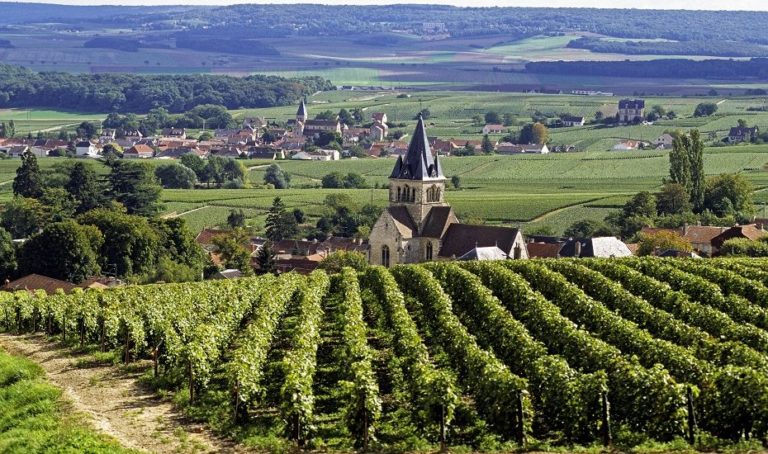
The best vineyard road trips usually reveal themselves somewhere between the second village bakery and the first glass poured in a cool cellar. You set out thinking the plan is about wineries, then realise the real magic lies in rhythm – a quiet road lined with vines, a long lunch that turns into the afternoon, a family-run estate you had not marked on the map. That is why how to plan vineyard road trips well has less to do with packing in tastings and more to do with shaping a journey that lets a wine region breathe.
Start with one wine region, not a whole country
The most common mistake is ambition. It is tempting to stitch together Bordeaux, Rioja and the Douro in one sweeping itinerary, especially when every image looks irresistible. In practice, vineyard travel rewards restraint.
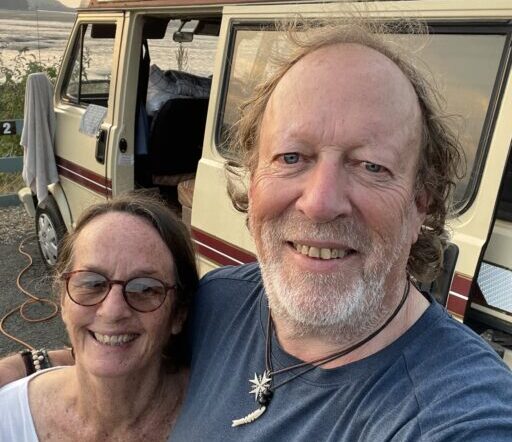
Choose one region and give it room. A road trip through Champagne feels entirely different from one through Tuscany or Alentejo. Some regions are built for short, elegant hops between villages, while others need long, cinematic drives and a willingness to be off-grid for stretches. Before you fix anything, ask what kind of days you actually want. Do you picture leisurely tastings and linen-tablecloth lunches, or mountain roads, tiny cellars and a campervan parked beside a field at dusk?
If you are travelling for four to six days, one region is usually enough. A week might allow two neighbouring areas, but only if the transfer between them is part of the pleasure rather than a logistical headache.
How to plan vineyard road trips around pace
A good wine road trip has tempo. Too many cellar doors in one day and your memory blurs into a single tasting note. Too much driving and the scenery becomes background rather than part of the experience.
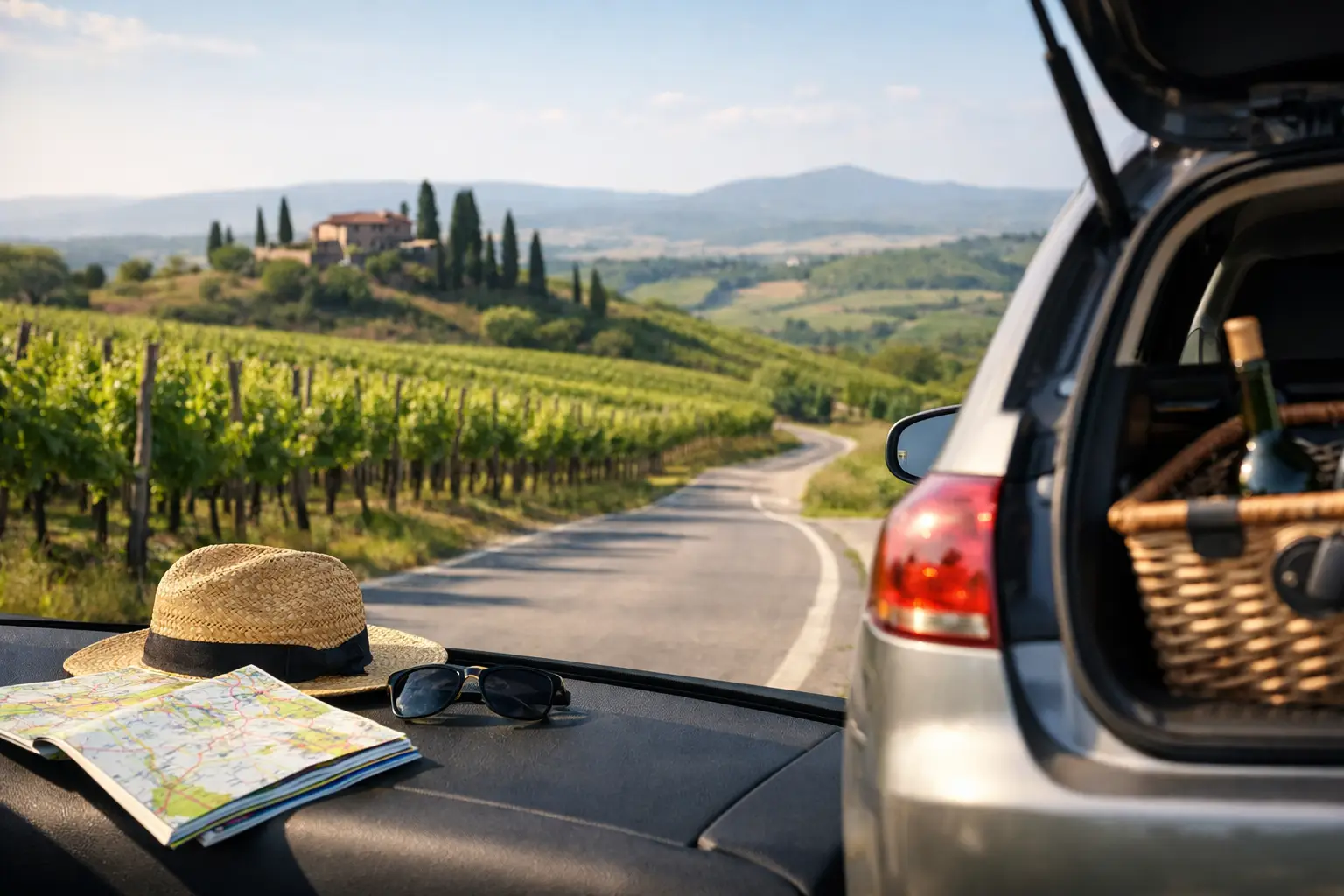
I always start by plotting no more than two winery visits a day, with one as the anchor. That leaves space for the things that often become the highlight – a market square, a church bell at noon, a deli counter full of local cheeses, or a slow lunch with the region in your glass. In some places, one visit a day is enough, particularly if estates offer tours, food pairings or vineyard walks.
Distance matters more than it seems on paper. Twenty miles through rolling vineyard lanes may take far longer than twenty miles on a fast road. Harvest season can also slow everything down, though it adds atmosphere in return. If you are travelling in late summer or early autumn, assume the roads and cellar doors will be busier, then build in slack rather than frustration.
Leave room for the unexpected
The finest moments are rarely the most scheduled. A handwritten sign for a tasting room. A village fête you stumble into. A bottle recommended by a local shopkeeper that ends up being the wine you remember most.
When planning, protect open hours in your day. If every stop is fixed, the trip can begin to feel like administration in a beautiful setting.
Choose where to sleep as carefully as where to taste
Accommodation shapes the mood of the whole journey. A vineyard road trip can feel romantic and deeply rooted in place, or oddly disconnected if you spend your evenings in soulless roadside hotels.
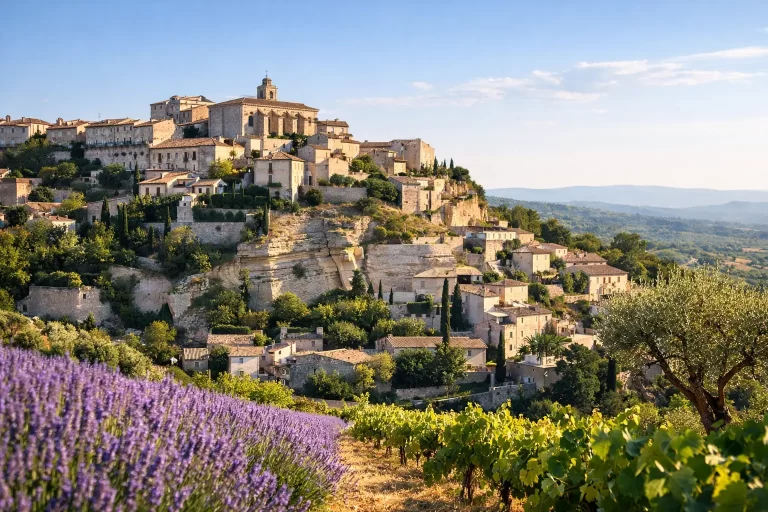
Staying in or near villages usually gives the richest experience. You can walk to dinner, hear local life around you, and enjoy that lovely sense of arriving somewhere rather than simply stopping. In wine regions, villages often hold the texture you came for – stone lanes, small bars, church squares, old shutters, and the gentle theatre of evening aperitifs.
That said, vineyard stays have their own appeal. Waking up among vines, watching morning light move across the rows, and tasting where the wine is made can feel wonderfully immersive. The trade-off is practicality. Some estates are isolated, which means dinner options may be limited and driving after tastings becomes more complicated.
For campervan travellers, the equation shifts again. Flexibility is a gift, but check local overnight parking rules and whether wineries welcome motorhomes. Some do so warmly, others not at all. It is worth planning a few reliable overnight bases in advance, then allowing gaps for spontaneity.
Book the essentials, then keep the middle loose
Not every winery requires a reservation, but many of the most atmospheric ones do, especially smaller family estates where tastings are personal and staff numbers are limited. If there are one or two places you would genuinely feel disappointed to miss, book them early and build the route around those anchors.
After that, keep your middle ground flexible. Mix one polished, well-known estate with smaller producers, village wine bars and casual tastings. The famous houses often offer beautiful settings and polished experiences, but the unassuming cellar with a slightly dusty doorway can be where you hear the most interesting stories.
When choosing wineries, variety helps. You might pair a grand estate known for sparkling wine with a low-intervention producer, or a historic family domaine with a cooperative that gives a broader sense of the region. That contrast keeps the trip lively and prevents every tasting from feeling the same.
Ask practical questions before you arrive
A little curiosity saves a lot of awkwardness. Check opening days, language options for tours, whether food is available, and how long a visit usually lasts. In rural regions, lunch hours can shape the day more than you expect, with many places closing for part of the afternoon.
If you are driving, be honest about tasting. Spitting is common and sensible, and there is no glamour in pretending otherwise. You can also alternate drivers or book occasional local transport for heavier tasting days.
Build the route around food and villages, not just wine
This is where a vineyard road trip turns from pleasant to memorable. Wine regions are rarely just about wine. They are about orchards, river valleys, hill towns, bakeries, olive groves, farm shops and recipes that grew up beside the vines.
Look at where the local market towns are. Mark villages with a strong restaurant scene, a viewpoint, or simply the sort of square where you want to linger over coffee. If the route only joins winery to winery, it misses the human side of the landscape.
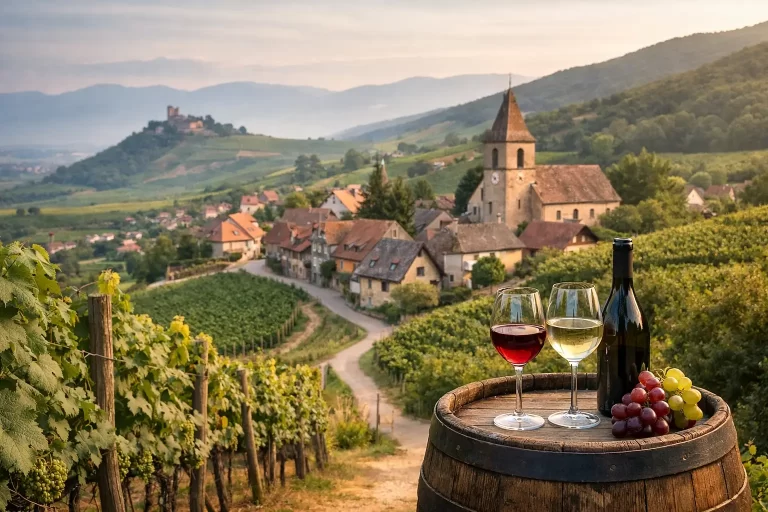
Some of my favourite road-trip days have included only one formal tasting. The rest was made of a vineyard picnic, a detour to a hillside village, and a bottle opened later with local bread and cheese as swifts dipped through the evening light. That slower shape suits wine country beautifully because it lets your senses keep up with your itinerary.
Think seasonally before you go
Every wine region has a different personality depending on the month. Spring can be fresh, green and gloriously uncrowded, though weather may be fickle. Summer brings long evenings and outdoor dining, but popular areas can feel busy and hot. Harvest season has energy and romance, yet availability may tighten and roads can be hectic. Winter can be deeply atmospheric in some regions, particularly where villages are cosy and cellar visits continue, but quieter areas may feel closed down.
This is one of the biggest factors in how to plan vineyard road trips realistically. The dream version of the region in your mind may belong to a different month than the one you are travelling in. Check not only climate but opening patterns, festival dates and whether vineyards are likely to look lush, golden or bare.
Pack for the trip you want, not just the photos
Bring clothes you can comfortably sit, walk and taste in all day. Rural wine travel often includes gravel courtyards, cool cellars and changes in temperature between bright afternoons and breezy evenings. A light layer, proper shoes and space in the car for a few bottles matter more than dressing for a postcard.
A notebook is useful if you enjoy remembering what you drank, though voice notes often feel easier after a long day. Water, snacks and a flexible attitude also deserve a place on the packing list. Some of the loveliest wine roads are not efficient, and that is rather the point.
Let the road trip reflect your own taste
There is no single right way to do this. Some travellers want benchmark estates and beautifully curated tastings. Others want back roads, unlabelled bottles and village cafés. Most people sit somewhere in between.
The trick is to plan a trip that reflects what you actually enjoy, not what sounds impressive when written down. If you love scenic driving, allow for it. And, if you care as much about lunch as the cellar tour, make that central. If you are new to wine, choose welcoming producers and skip anything that feels intimidating. The best regions in Europe and North Africa offer more than enough charm without turning the experience into a test.
At Vineyards and Villages, we always come back to the same idea: the bottle tastes better when you understand the place around it. Plan with that in mind, and your road trip will feel less like a checklist and more like a story you will want to revisit long after the last glass is empty.
So leave a little margin in the map, book the places that matter, and trust the smaller roads. Wine country tends to reward the traveller who is willing to arrive slowly.
Affiliate Disclaimer
This post may contain affiliate links. If you book accommodation, tours, travel products, or services through these links, Vineyards and Villages may earn a small commission at no extra cost to you. These commissions help keep our campervan adventures, travel stories, and slightly questionable parking decisions on the road. Thank you for your support!
8 Comments
Comments are closed.