8 Affordable European Wine Destinations
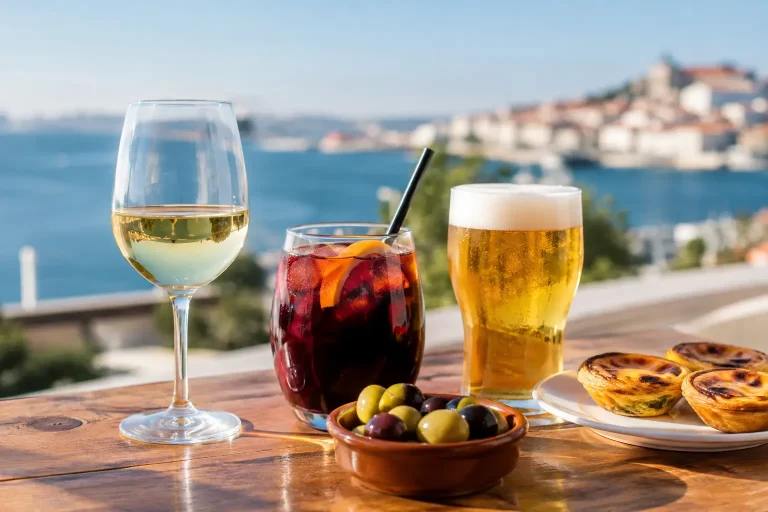
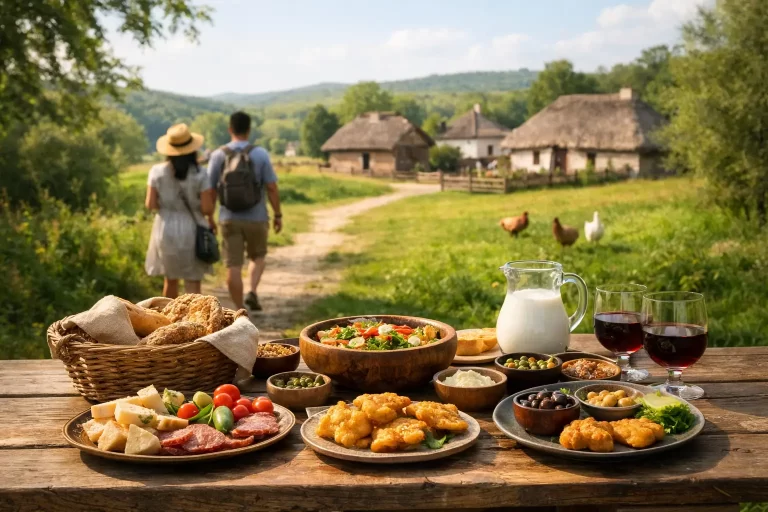
The first glass that changed my mind about wine travel was not poured in a glossy tasting room in Burgundy or beneath a chandelier in Champagne. It arrived at a simple table in a village square, with a basket of bread, a plate of sheep’s cheese and a bill so modest I checked it twice. That is the real pleasure of affordable European wine destinations – not cutting corners, but finding places where wine is still part of everyday life, and where travellers can join in without feeling priced out.
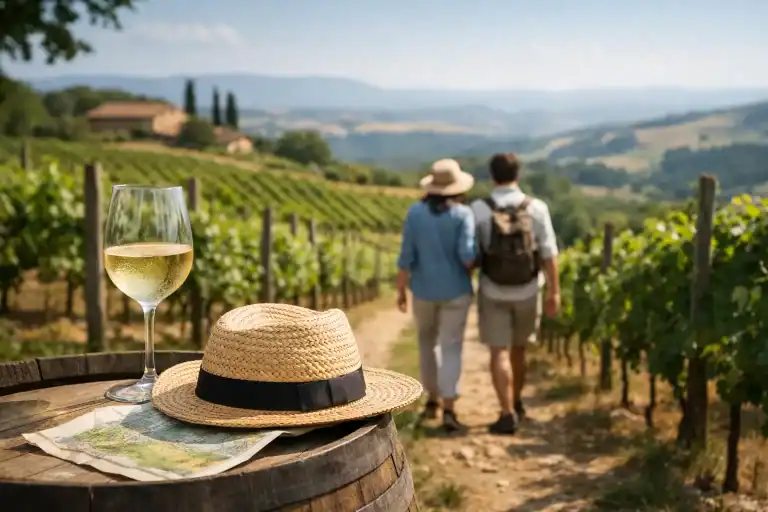
If you love the romance of vineyard landscapes but do not fancy spending half your holiday budget on one tasting flight, Europe still offers plenty of generous corners. The sweet spot tends to be regions where wine is woven into local life, tourism is present but not over-polished, and the surrounding villages have kept their own rhythm. These are the places where you can spend the morning on a scenic drive, the afternoon in a family-run cellar, and the evening with a carafe of something local that costs less than a city cocktail back home.
What makes affordable European wine destinations worth seeking out
Price matters, of course, but so does atmosphere. A destination can be cheap and still feel oddly joyless if every experience is transactional. The best-value wine regions tend to offer a fuller sort of abundance: lower accommodation costs, hearty regional food, short distances between villages, and wines that are sold to be enjoyed rather than revered.
There is also a practical advantage. In pricier regions, wine travel can become overly scheduled. You book months ahead, rush between appointments and worry whether each tasting justifies the spend. In more accessible wine regions, the experience often feels looser and more human. You wander. Even stop when a hillside catches the light. You ask what the family is pouring with lunch. For a slower traveller, that matters.
Portugal’s Douro Valley beyond the luxury image
The Douro can look expensive from the outside, largely because its postcard beauty has become widely recognised. Yet if you step away from the handful of polished stays and headline estates, it can still deliver excellent value. The landscapes are spectacular – terraced vines folding down towards the river, sleepy stations, little hilltop settlements – but the pleasures are often refreshingly simple.
Base yourself in a smaller town rather than one of the most photographed luxury properties and the costs soften quickly. House wines are often very good, local dishes are filling and generous, and vineyard visits range from formal tastings to much more relaxed introductions. A short road trip through the valley is especially rewarding if you enjoy moving at your own pace. You can spend a morning tasting port, then switch to dry Douro reds and whites over lunch without feeling that the day has become a financial event.
The trade-off is transport. The region is beautiful but winding, and tastings need planning if you are driving. For couples, it often works best to mix one organised tasting day with slower self-guided exploring.
Alentejo is one of the easiest affordable European wine destinations
If you want warmth, space and a sense of ease, Alentejo is hard to beat. This is a region of cork oaks, whitewashed villages and long lunches, and it often feels less self-conscious than more famous wine areas. The wines are approachable, the hospitality tends to be relaxed, and the pace suits travellers who would rather settle into a place than tick off a list.
What I like most about Alentejo is that affordability here does not feel like compromise. You can find characterful rural stays, honest food and cellar doors where staff speak about wine with pride rather than performance. Reds tend to be ripe and generous, though there are fresh whites too, especially welcome in the heat.
Évora makes a good anchor if you want history alongside wine, but some of the smaller village stays are more memorable. Sit out late, order a local bottle, and the whole evening feels like the sort of travel moment people spend years trying to manufacture elsewhere.
Bulgaria’s Melnik region for character and value
Melnik is not the first name that appears in most wine holiday conversations, which is precisely part of its appeal. In the south-west of Bulgaria, this small region combines sandstone landscapes, deeply local wine culture and prices that still surprise seasoned travellers. It feels less polished than western Europe’s marquee wine regions, but more personal because of it.
The local grape story adds interest, especially if you enjoy trying wines that feel rooted in place rather than globally familiar. Tasting rooms are often modest, but that modesty can be refreshing. Instead of a choreographed brand experience, you may simply find somebody keen to pour a glass and explain what grows on the surrounding slopes.
Accommodation and meals are generally easier on the wallet here than in Europe’s better-known wine belts. The main consideration is accessibility. Melnik works best if you are comfortable building a trip around a lesser-known region rather than expecting big-city convenience.
Northern Spain’s La Rioja Alta if you choose carefully
Rioja is not always cheap, and parts of it certainly know their own fame. Even so, La Rioja Alta can offer very good value if you stay in smaller towns and avoid assuming every experience has to be high-end. Haro is the obvious wine name, but the wider region is full of villages, traditional restaurants and solid, affordable pours.
This is an excellent choice for travellers who want a classic European wine experience without the price shock of France’s most famous appellations. You get handsome old streets, vineyard panoramas, tapas culture and cellar doors that range from stately to unpretentious. There is enough structure for a proper wine trip, but enough informality to keep it enjoyable.
The caveat is that the region rewards a bit of research. Some wineries are geared towards prestige tourism, while others remain wonderfully down to earth. Pick a mix and you will feel the difference in both mood and budget.
Hungary’s Eger for reds, cellars and old-town charm
Eger has that lovely combination of being genuinely attractive and still reasonably priced. The town itself is handsome, with Baroque architecture and enough atmosphere for an evening stroll to feel like part of the holiday rather than dead time between tastings. Add in nearby wine cellars and local restaurants, and it becomes an easy place to sink into for a few days.
The region is known for Egri Bikavér, or Bull’s Blood, but the wider wine scene is more varied than many visitors expect. Tasting is accessible, food is affordable, and you rarely feel the pressure that can hover around more famous wine capitals. There is a simple pleasure in sitting in one of the cellar areas with a glass in hand and no sense that the day needs improving.
For slow travel, Eger works beautifully. It is compact, easy to enjoy on foot, and friendly to travellers who prefer atmosphere over spectacle.
Romania’s Dealu Mare for those who like the road less travelled
Romania remains underrated for wine travel, and Dealu Mare is one of the reasons it deserves more attention. Rolling hills, vineyards stretching across soft folds of countryside, and wineries producing increasingly confident wines make this an appealing option for curious drinkers who want discovery as much as comfort.
This is not the place to expect every stop to be polished for international tourism. What you gain instead is value, authenticity and the pleasure of feeling slightly ahead of the curve. Tasting fees can be modest, bottles are often fairly priced, and rural accommodation can make a wine-focused break feel surprisingly attainable.
It helps to plan ahead a little more here, especially for visits and transport, but if that does not bother you, the rewards are considerable.
Sicily offers wine travel with a broader holiday feel
Some wine regions are best if wine is the whole point. Sicily is different. It works brilliantly if you want wine woven into a wider holiday of markets, sea views, ancient towns and languid dinners. Costs vary, especially in high season, but compared with many famous mainland regions, Sicily can still offer very good value.
The island’s wine story is wonderfully diverse, from Etna’s mineral reds to the sunnier, easier-drinking bottles found elsewhere. What keeps it appealing for budget-conscious wine travellers is range. You can spend carefully or generously, and still drink well. Local trattorias often pour wines that suit the food perfectly without inflating the bill.
The trick with Sicily is timing. Shoulder season brings the best balance of light, warmth and sensible prices. Go then, and the island feels expansive rather than overrun.
How to choose the right affordable wine region for your style
The most affordable option is not always the cheapest on paper. If you prefer not to drive, a region with easy rail access and walkable towns may save money and stress. Should you love campervan travel, somewhere with scenic rural routes and lower overnight costs can stretch the budget further. If food matters as much as wine, look closely at where local dining still serves residents first and visitors second.
For many readers of Vineyards and Villages, the real test is whether a destination lets you linger. Can you stop in a village for no reason other than it looks beautiful in the late afternoon? Shall I order the local bottle without feeling it is a compromise choice? Can the trip still feel generous after you have paid for it? That is the sort of affordability worth chasing.
A good wine holiday should leave room for appetite, detours and one more glass as the light begins to soften. Europe still has places where that kind of travel feels not extravagant, but entirely possible.
This post may contain affiliate links. If you purchase products or services through these links, Vineyards and Villages may earn a small commission at no additional cost to you. We only recommend wines, destinations and travel products we genuinely enjoy during our narrowboat, campervan and vineyard adventures.