
European Wine Road Trips Worth Taking
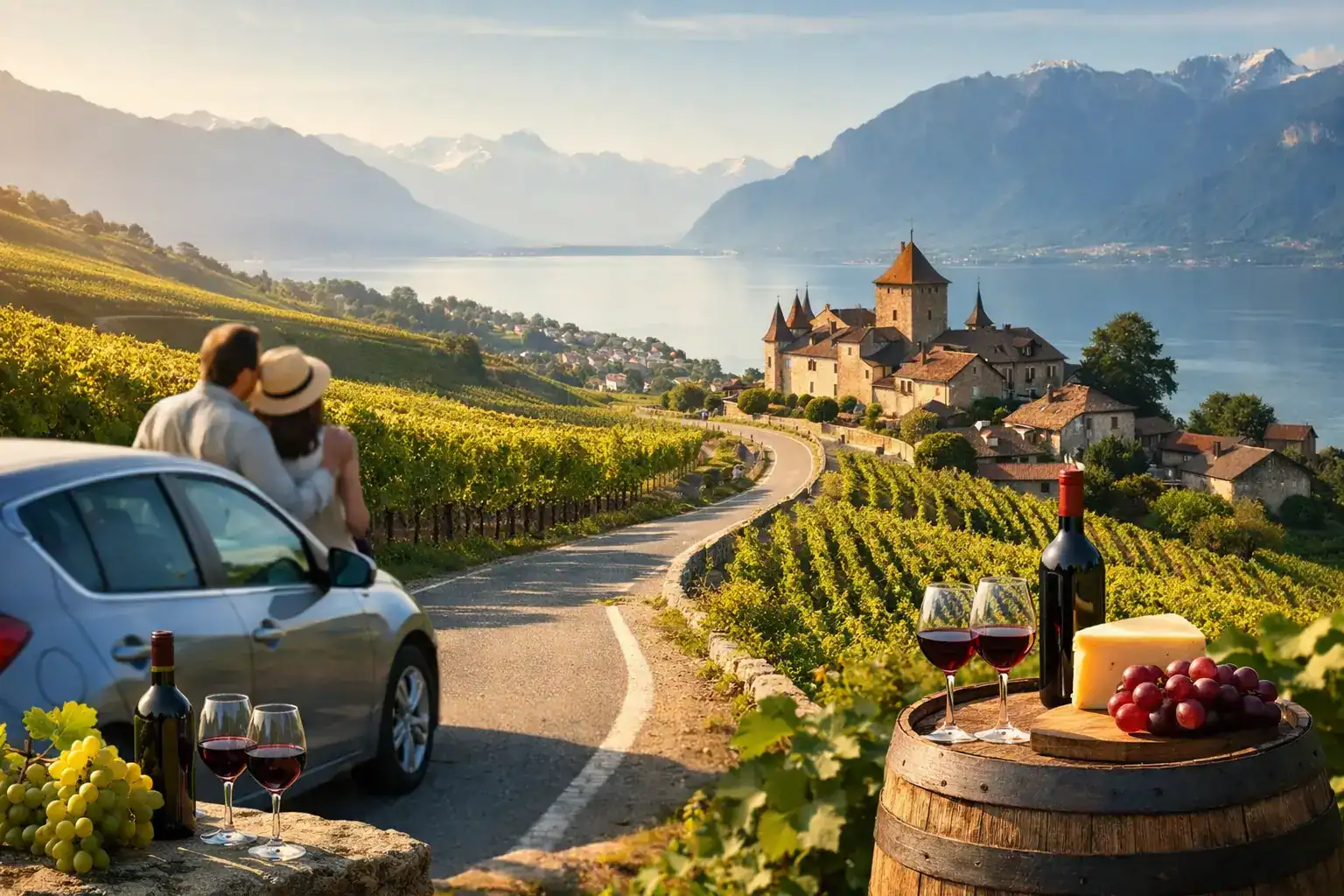
There is a particular kind of afternoon you only seem to find on European wine road trips: the car warm from a long country drive, a church bell carrying across the vines, and a bottle bought that morning waiting on the passenger-side floor like a promise. It is not just about tasting wine. It is about moving slowly through landscapes that make sense of what is in the glass.
That is why this style of travel lingers. A city break can thrill you for a weekend, but a wine road trip settles into your memory differently. You remember the road curling past cypress trees, the woman in a village shop wrapping goat’s cheese in paper, the terrace where the house red arrived in a plain carafe and turned out to be the best thing you drank all week. Europe does this especially well because wine regions are rarely only wine regions. They are also farming country, old market towns, family-run restaurants, and roads that invite a gentle pace.
Why European wine road trips work so well
The appeal is simple: wine country rewards people who are willing to linger. Vineyards are shaped by weather, altitude, soils, local habits, and generations of trial and error. When you drive through a region rather than parachute in for a single tasting, those details start to connect. You see the slopes. You notice where olive groves begin or where the air cools near a river. The wines stop feeling abstract.
There is also a practical pleasure to it. Many of Europe’s loveliest wine areas are awkward to piece together by rail alone, especially if you want to stay in a hamlet, pull over at a viewpoint, or spend a night in a family guesthouse outside the main town. A car, or even better a campervan if you like waking up among the vines, gives you freedom. The trade-off, of course, is that someone has to drive. The best wine road trips are never about racing through cellar doors with a packed tasting schedule. They work when you choose one or two proper visits a day and let the rest of the time belong to the road, the food, and the place itself.
The regions that make the best European wine road trips
Some wine regions are famous because they are beautiful. Others are beautiful because the vines have shaped them for centuries. The sweet spot is where both things are true.
Douro Valley, Portugal
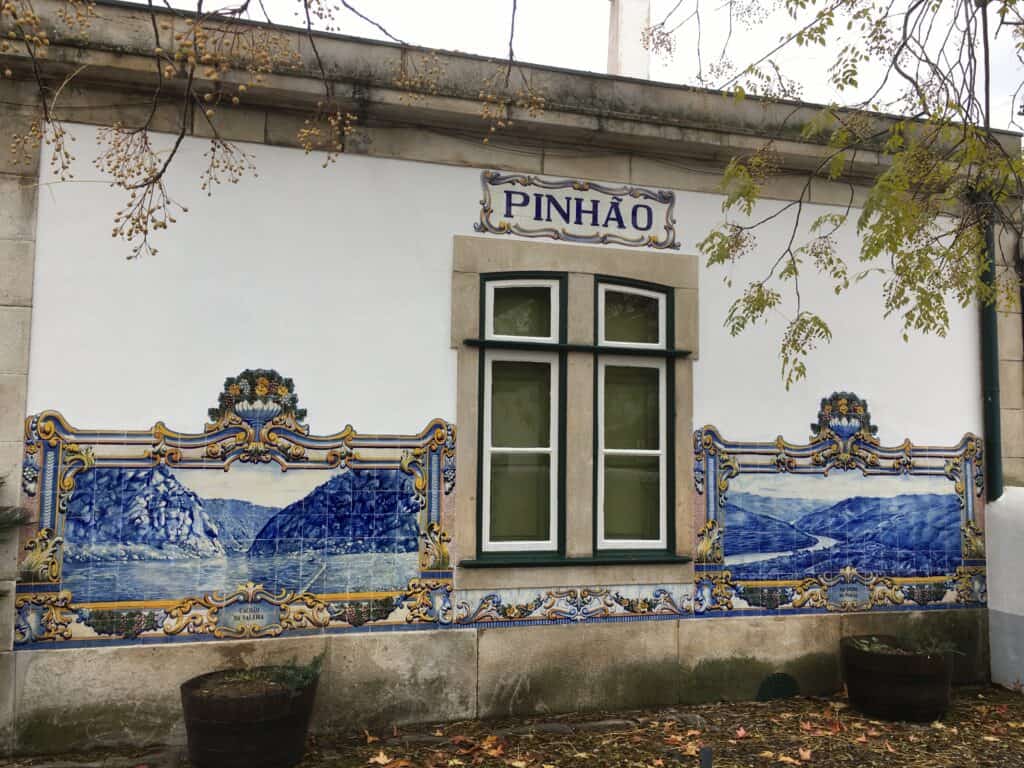
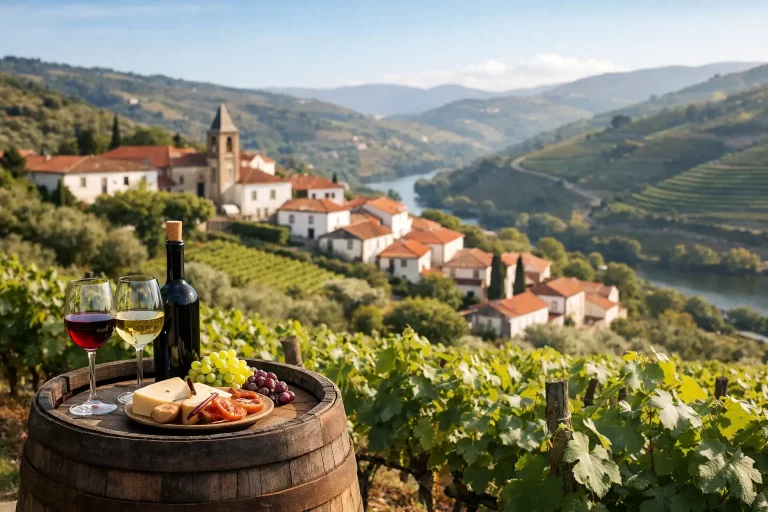
The Douro feels cinematic from the first turn in the road. Steep terraced vineyards rise in layers above the river, and every bend seems to offer another view worth stopping for. This is one of those drives where you will want to keep pulling over simply to look. The region is best known for Port, but dry reds and whites have become part of the pleasure too, especially when tasted close to where the grapes are grown.
What makes the Douro such a satisfying road trip is the rhythm of it. You can base yourself in a small town, spend the morning driving between quintas, then take a long lunch with river views and nowhere else to be. It suits travellers who like drama in the landscape and don’t mind roads that ask for concentration. If you prefer relaxed, flat cruising, this may feel a little demanding. If you enjoy the sense of earning the view, it is glorious.
Alsace, France
If your ideal wine trip includes half-timbered villages, flower boxes, and cellar doors that seem to have been arranged for postcards, Alsace is hard to resist. The Route des Vins threads through handsome towns and vineyard-covered hills, and the distance between stops is pleasingly manageable. It is easy to combine tasting with village wandering, bakery stops, and long, unhurried dinners.
Alsace is especially good for travellers who love white wines but do not want a trip to feel too formal. Riesling, Pinot Gris and Gewurztraminer all tell slightly different stories here, and even casual drinkers begin to notice those distinctions after a few days. The region also has a wonderful domestic scale. It feels intimate rather than sprawling, which makes it ideal if you want your road trip to be gentle rather than epic.
Tuscany, Italy
Yes, Tuscany is the obvious answer, but obvious is not always wrong. There is a reason people keep going. The roads between Chianti towns, hilltop villages and cypress-lined estates really are that lovely, and the combination of wine, olive oil, Renaissance architecture and deeply comforting food is difficult to argue with.
The trick with Tuscany is timing and expectation. In high season, some stretches can feel polished and busy, particularly around the best-known villages. If you can travel in shoulder season, or stay just beyond the most photographed areas, the region regains its softness. Then the joy returns: a Brunello with dinner in Montalcino, a farmhouse stay with views over rows of vines, a lazy afternoon where the only plan is deciding whether to stop for pecorino or gelato first.
La Rioja, Spain
Rioja offers one of the most balanced versions of a wine road trip because it mixes tradition and modernity so well. There are ancient villages, old cellars and deeply rooted food culture, but also sleek contemporary wineries and a sense that the region is still evolving. The landscape has a broad, open beauty, framed by mountains, and the roads are easy to enjoy.
This is a particularly welcoming destination if you like red wine but are not interested in tasting notes that sound like homework. Rioja is pleasurable on its own terms. You can sit down with a plate of lamb, pour a glass of crianza, and feel immediately at home. It also works well for travellers who want their days to include more than wineries. Market towns, tapas bars and local festivals all sit naturally alongside the wine.
Mosel, Germany
The Mosel is all curves: river bends, steep vineyard slopes, roads that tuck in close to the water, and villages that seem to gather around church spires like they have always belonged there. It is a deeply atmospheric place, especially in the softer light of late afternoon. Riesling is the star, and tasting it here can change the minds of people who think they do not like German wine.
What I love about the Mosel is its calm. Even when it is busy, it rarely feels frantic. Days can be built around very simple pleasures – a riverside drive, a vineyard walk, an easy tasting, an evening in a guesthouse with a local bottle on the table. If you want nightlife, look elsewhere. If you want quiet beauty and wines with precision and charm, this is one of the best routes in Europe.
How to plan a wine road trip without rushing it
The temptation with European wine road trips is to try to cover too much ground. A map can make everything look close together, but wine regions ask for a slower pace than ordinary touring. Two or three bases over a week is usually more rewarding than packing up every night. You start to notice the mood of a place when you stay long enough for mornings to become familiar.
Book a few winery visits, but not every hour of every day. Some of the best moments happen outside the formal tasting room: buying peaches from a roadside stall, stumbling into a village fête, or finding a simple café where local workers are having lunch. Leave room for those moments. They are often the difference between a good trip and one that feels deeply lived.
It also helps to be honest about your own style. Some travellers want polished hotels and landmark estates. Others would happily trade that for a farmhouse room, a campervan pitch and a plastic chair outside a village bar. Neither approach is better. They simply create different memories. Vineyards and Villages has always leaned towards the second kind of pleasure – not because luxury is unwelcome, but because intimacy is what gives wine travel its texture.
One final thing: treat tasting with restraint. Spit when you need to, share flights, and choose lunches that slow the day down. Wine country is at its best when it is savoured, not collected.
The loveliest road trips are the ones that let a region reveal itself gradually. Pick a valley, a coastline, a run of hills. Drive it without trying to conquer it. Then, when you open a bottle at home months later, there is every chance the road will come back to you too.
Affiliate Disclaimer
This post may contain affiliate links. If you book accommodation, tours, travel products, or services through these links, Vineyards and Villages may earn a small commission at no extra cost to you. These commissions help keep our campervan adventures, travel stories, and slightly questionable parking decisions on the road. Thank you for your support!

5 Comments
Comments are closed.