
10 Best Wine Villages in France
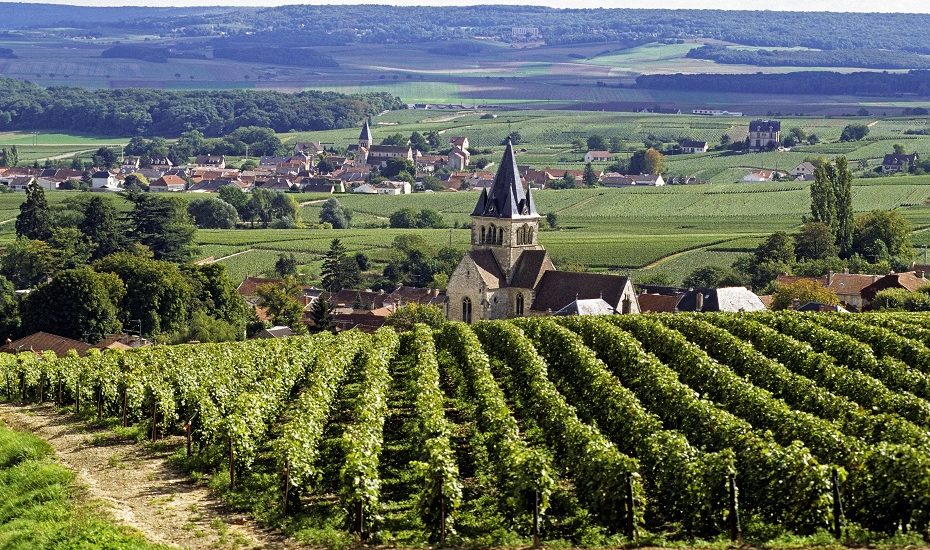
There is a particular hour in a French wine village when everything seems to soften at once. The shop shutters are half open, church bells carry across the vines, and somebody is setting out chairs on a small square for the evening apéritif. If you are drawn to wine villages in France, that moment is often the reason why. It is not only about what is in the glass. It is the feeling of arriving somewhere that still moves at a human pace, where the landscape, the bottle and the village all belong to the same story.
What I love most about these places is how different they are from one another. Some are postcard-pretty and busy in summer, with polished tasting rooms and rows of flower boxes. Others feel quieter and more workmanlike, where tractors roll past ancient stone walls and the day still revolves around the vineyard. Both have their charm. The right choice depends on whether you want romance, access to top producers, fewer crowds, or simply a beautiful base for a few unhurried days.
Why wine villages in France feel so special
France does not just produce famous wines. It has built entire ways of life around them. In the best villages, wine is not a tourist performance added on top of daily life. It is stitched into the place – into the cellar doors under family homes, the slope of the vineyards behind the church, the menu at lunch, and the rhythm of the seasons.
That is what makes these destinations so rewarding for slow travellers. You can spend a morning wandering a single lane, stop for a modest but memorable lunch, taste one producer’s Pinot Noir or Chenin Blanc, then sit with a view of the vines and feel that you have done enough. There is no need to rush between major sights. The village itself is the experience.
10 wine villages in France worth building a trip around
Eguisheim, Alsace
Eguisheim feels almost theatrical at first glance, with its concentric lanes, painted timbered houses and riot of flowers in warmer months. Yet it is more than a pretty face. This is one of those villages where you can spend hours simply walking, noticing old courtyards, storks overhead and tasting rooms tucked into historic buildings.
Alsace wines suit this setting beautifully. Riesling, Gewurztraminer and Pinot Gris can be aromatic and expressive, but they also carry a freshness that makes them lovely with local food. The trade-off is that Eguisheim is no secret, particularly in peak season. If you prefer a quieter stay, visit early or use it as a morning stop before settling somewhere smaller nearby.
Riquewihr, Alsace
Riquewihr has the kind of streets that make you slow down without even realising it. Behind the medieval façades, there is serious wine heritage, and the surrounding vineyards produce wines with real precision. It is one of the easiest villages for first-time visitors to enjoy because everything is compact, walkable and undeniably charming.
That said, charm brings company. If you do not mind sharing the lanes with other travellers, it is a lovely base. If you want a more personal feel, stay overnight rather than arriving on a day trip. The village changes after the daytime bustle fades.
Kaysersberg, Alsace
Kaysersberg combines river views, vineyard access and enough everyday life to feel lived in rather than stage-set. There is a satisfying balance here between beauty and substance. You can taste excellent Alsace wines, wander up towards the castle ruins, and still feel connected to a functioning village rather than a museum piece.
For couples or slower road trippers, this is one of the most rewarding stops in the region. It feels especially good if you like your wine travel with a little texture – not just tasting, but bakeries, market life and a sense of place beyond the cellar door.
Saint-Émilion, Bordeaux
Saint-Émilion is perhaps the most famous of all French wine villages, and for good reason. The honey-coloured stone, steep lanes and vineyard-framed setting are magnificent. Add the underground history, prestigious estates and rich Merlot-based wines, and it becomes one of those places that can genuinely live up to expectations.
Still, it helps to arrive knowing what kind of experience you want. Saint-Émilion can feel polished and premium, with tastings and dining to match. If you want a splash-out stop with atmosphere, this works beautifully. If you prefer humble, under-the-radar villages, you may find it a little too well known. I think it is best approached with a sense of occasion.
Sancerre, Loire Valley
Set high above the surrounding countryside, Sancerre has that elevated, open feeling that makes you want to linger over a glass and look out for longer than planned. The village itself is elegant but not overly grand, and the wines are famously expressive. Sauvignon Blanc is the headline act, crisp and mineral, though the local Pinot Noir deserves more attention than it often gets.
This is a wonderful stop if your idea of wine travel includes long lunches, cheese, market browsing and broad views. It is less about dramatic medieval romance than some Alsace villages, but more about atmosphere and easy pleasure.
Vouvray, Loire Valley
Vouvray is not the kind of village that relies on postcard prettiness alone. Its appeal is quieter and, in some ways, deeper. Set near Tours, it is known for Chenin Blanc in styles ranging from bone dry to lusciously sweet, as well as sparkling wines. The troglodyte cellars carved into the limestone add another layer of intrigue.
This is a good choice if wine is your main reason for travelling and you are happy with a less theatrical village setting. It may not have the instant fairy-tale appeal of Eguisheim or Saint-Émilion, but there is richness here for curious drinkers who enjoy discovering nuance.
Chablis, Burgundy
Chablis has a straightforward kind of beauty. Pale stone buildings, a modest river, quiet streets, and all around it the vineyards that give the world one of its most recognisable white wines. I like that it does not need to overstate itself. It feels grounded, confident and closely tied to the work of the land.
For lovers of mineral, taut Chardonnay, this is a deeply satisfying place to visit. It is also relatively manageable compared with some of Burgundy’s bigger-name destinations. If you are after bustle and lots of nightlife, look elsewhere. If you want cellar visits and clear, elegant pleasures, Chablis is hard to beat.
Meursault, Burgundy
Meursault has a quiet grandeur that creeps up on you. The tiled roofs, handsome stone houses and vineyard roads have a calm confidence, and the wines made here are among Burgundy’s most admired. White Burgundy can be expensive and occasionally intimidating on paper, yet the village itself feels welcoming when approached with curiosity rather than checklist ambition.
It suits travellers who enjoy detail – vineyard walks, thoughtful tastings and unshowy beauty. As with much of Burgundy, planning helps. Opening times can be variable, and top estates may require appointments. The reward is a richer, more intimate experience.
Gigondas, Rhône Valley
If you want a wine village with a little rugged drama, Gigondas is a wonderful choice. The Dentelles de Montmirail rise behind it in striking folds of rock, and the wines have warmth, spice and southern character. The village itself is compact and atmospheric, with enough restaurants and tasting opportunities to make a short stay feel full.
There is a more relaxed mood here than in some grander regions. You can combine tastings with walking, scenic drives and long meals under the plane trees. In high summer it can be very warm, so spring and early autumn often feel more comfortable.
Beaumes-de-Venise, Rhône Valley
Beaumes-de-Venise tends to be overshadowed by more famous names, which is part of its appeal. It offers beautiful Provençal light, easy access to vineyards and a slower, less self-conscious rhythm. It is known for its sweet Muscat, but the surrounding appellations also produce excellent reds that deserve attention.
This is the sort of village that suits travellers who like wandering without too much agenda. A few tastings, a village meal, perhaps a drive through the hills, and suddenly the day has taken on that lovely French shape where nothing feels hurried.
How to choose the right French wine village for your trip
The best wine villages in France are not all trying to offer the same thing, so it helps to match the village to your style of travelling. If visual charm is top of the list, Alsace is hard to resist. If you want prestige and a sense of occasion, Saint-Émilion and Meursault deliver. If you care more about relaxed tasting and scenic rural life, parts of the Loire and southern Rhône may feel more comfortable.
Season matters too. Harvest time can be magical, but it is also busy. Summer brings long evenings and lively terraces, though popular villages can feel crowded. Spring often offers the nicest balance – fresh vineyards, easier parking, lighter roads and that sense of the season just opening up.
If you are travelling by car or campervan, build in space for detours. Some of the best moments come between the headline villages: a roadside viewpoint, a modest cave with brilliant wine, a village market you had not planned on. That unforced rhythm is very much the point.
A French wine village does not ask much of you in the end. Arrive slowly, stay longer than you meant to, and let the place reveal itself one glass and one street at a time.
Affiliate Disclaimer
This post may contain affiliate links. If you purchase through these links, Vineyards and Villages may earn a small commission at no extra cost to you. This helps keep the blog, narrowboat adventures and ongoing wine research flowing smoothly. Thank you for your support!

2 Comments
Comments are closed.