Vineyards & Villages – Episode 5: A Three-Week Malta Travel Guide Through Villages, Coastlines & Vineyards
INTRODUCTION
This Malta travel guide is based on my three-week stay exploring the Mediterranean islands of Malta and Gozo, with time spent discovering historic cities, coastal villages, vineyards and everyday island life. Staying in Sliema made it easy to explore nearby Valletta, wander the ancient streets of Mdina, visit the colourful fishing harbour of Marsaxlokk, and take ferries across the Grand Harbour and onward to Gozo. This guide shares practical travel tips, transport advice, cultural insights, food experiences and vineyard visits to help you plan a meaningful and memorable trip. From coastal walks and historic fortifications to traditional markets and centuries-old salt pans, it highlights the places, experiences and local character that make Malta and Gozo such rewarding Mediterranean destinations.
I came to Malta for three slow weeks in search of sunshine and coastal charm, but what I found was far richer than expected. This Malta travel guide is based on my own journey—living in Sliema, wandering ancient alleys in Mdina, tasting wines named after Grand Masters, walking the coastline to St Julian’s, visiting Gozo’s centuries-old salt pans, and soaking up the island’s vibrant food, history and maritime heritage.
Between ferry rides, fishing villages, fortified cities and hidden vineyards, Malta surprised me every day. This is the full story of my stay—woven with practical tips, personal discoveries and routes that made the trip unforgettable.
Arriving in Malta & Settling in Sliema
I flew to Malta from Rome on a Malta Air flight, an easy hop over the Mediterranean. Malta International Airport is compact and efficient, and within minutes I found the bus stop outside. Public transport on the island is straightforward, affordable and frequent—perfect for visitors.
My base for three weeks was an apartment in the older part of Sliema, a neighbourhood full of limestone buildings, wooden balconies and quiet charm. From my front door to the Sliema waterfront was a short walk, and the promenade quickly became my morning ritual: cappuccino in hand, sea breeze in my face, ferries crossing to Valletta and joggers gliding by.
Sliema has everything you need—supermarkets, cafés, bakeries, long coastal paths and easy access to transport. It’s lively without being chaotic, and made for the perfect home base.
Walking the Coast: Sliema to St Julian’s Bay
One of the most beautiful walks on the island is the coastal path from Sliema to St Julian’s Bay. I did it several times, especially in the cooler morning hours. The sea hits the rocks with energy; swimmers climb down ladders carved into stone; waves glitter in the sun.
As you reach St Julian’s, the scenery softens into a postcard: colourful fishing boats, waterfront cafés and restaurants, and that easy Mediterranean rhythm that slows your steps.
Crossing to Valletta: Malta’s Striking Stone Capital
The ferry from Sliema to Valletta is one of Malta’s best travel experiences—quick, inexpensive and wonderfully scenic. The approach alone, with Valletta’s golden bastions rising from the sea, is spectacular.
Valletta may be small, but it’s overflowing with culture:
- St John’s Co-Cathedral with its Baroque interiors and Caravaggio masterpiece
- Steep stone streets lined with balconies and ornate facades
- Upper Barrakka Gardens, overlooking the Grand Harbour
- Cosy cafés and restaurants, perfect for sunset aperitifs
- Historic sites and fortifications around every corner
Cruise ships often glide into Valletta, looking almost unreal as they dwarf the harbour. Watching them from the city walls feels theatrical.
Exploring Fort Manoel & Malta’s Maritime Legacy
One of the most fascinating places I visited was Fort Manoel on Manoel Island, just across the water from Sliema. Built by the Knights in the 18th century, the fort is beautifully restored and offers sweeping views across to Valletta’s skyline.
Malta’s coastline is dotted with towers, batteries and maritime structures—echoes of an island shaped by centuries of naval strategy. From Torri ta’ San Giljam near St Julian’s to coastal watchtowers sprinkled across the islands, each tells a chapter of Malta’s story.
The Three Cities: Across the Harbour Into the World of the Knights
From Valletta, another ferry takes you to Vittoriosa (Birgu), Senglea (Isla) and Cospicua (Bormla)—collectively known as the Three Cities. These were the strongholds of the Knights of St John before they built Valletta.
Here, I wandered flagstone streets lined with auberges, dockyards, medieval lanes and fortifications. The Three Cities feel quieter and more authentic than Valletta—full of character, history and small surprises around every corner.
It’s easy to imagine knights in heavy armour walking these same paths centuries ago.
A Day in Marsaxlokk: Fishing Boats & Seafood Feasts
One of my favourite outings was the Sunday trip to Marsaxlokk, the fishing village famous for its open-air market. Traditional luzzu boats decorate the harbour in bright colours, each painted with the symbolic “Eyes of Osiris”.
The market is a delight:
- Fresh seafood straight from the boats
- Local vegetables, fruit and spices
- Handmade products
- Energetic vendors chatting with locals
I treated myself to freshly cooked octopus, tender and flavourful—without a doubt one of the best meals of my trip.
Maltese Cuisine & the Island’s Food Influences
Malta’s food scene is shaped by its crossroads location between Europe and North Africa. Expect influences from Sicily, the Middle East and traditional island recipes.
Some must-try dishes:
- Pastizzi – flaky pastries with ricotta or pea filling
- Fenek (rabbit stew) – a national favourite, slow-cooked with wine and herbs
- Ftira – Maltese bread layered with tuna, capers and tomatoes
- Lampuki – a seasonal fish, often grilled or baked
- Bigilla – broad bean dip served with crackers
- Seafood everywhere, fresh and plentiful
And then there are fireworks—the pride of Maltese villages. With 35 official firework factories across the island (and roughly 800 unofficial fireworks factories), summer nights often explode in colour. Towns even compete in pyrotechnic contests; it’s loud, vibrant and unmistakably Maltese.
Mdina: The Timeless Silent City
High on a hill sits Mdina, the ancient fortified city once home to Malta’s nobility. Its history stretches back to the Phoenicians, and every civilisation since has shaped its architecture.
Known as the Silent City, Mdina is a dream to explore:
- Narrow alleys glowing golden in the sun
- Palaces and noble homes
- The stunning St Paul’s Cathedral
- Panoramic views across the island
- Intimate cafés set in quiet courtyards
I wandered for hours, letting the silence and beauty sink in. Mdina is one of Malta’s most atmospheric locations.
Vineyards of Malta: Ta’ Betta & Meridiana Wine Estate
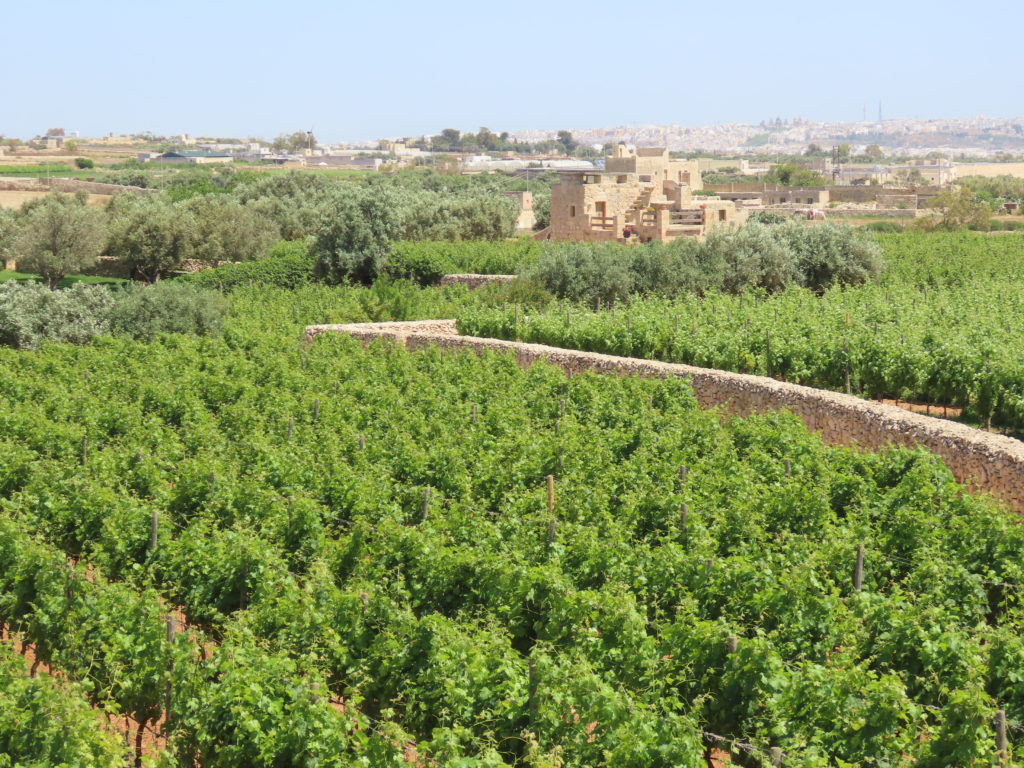
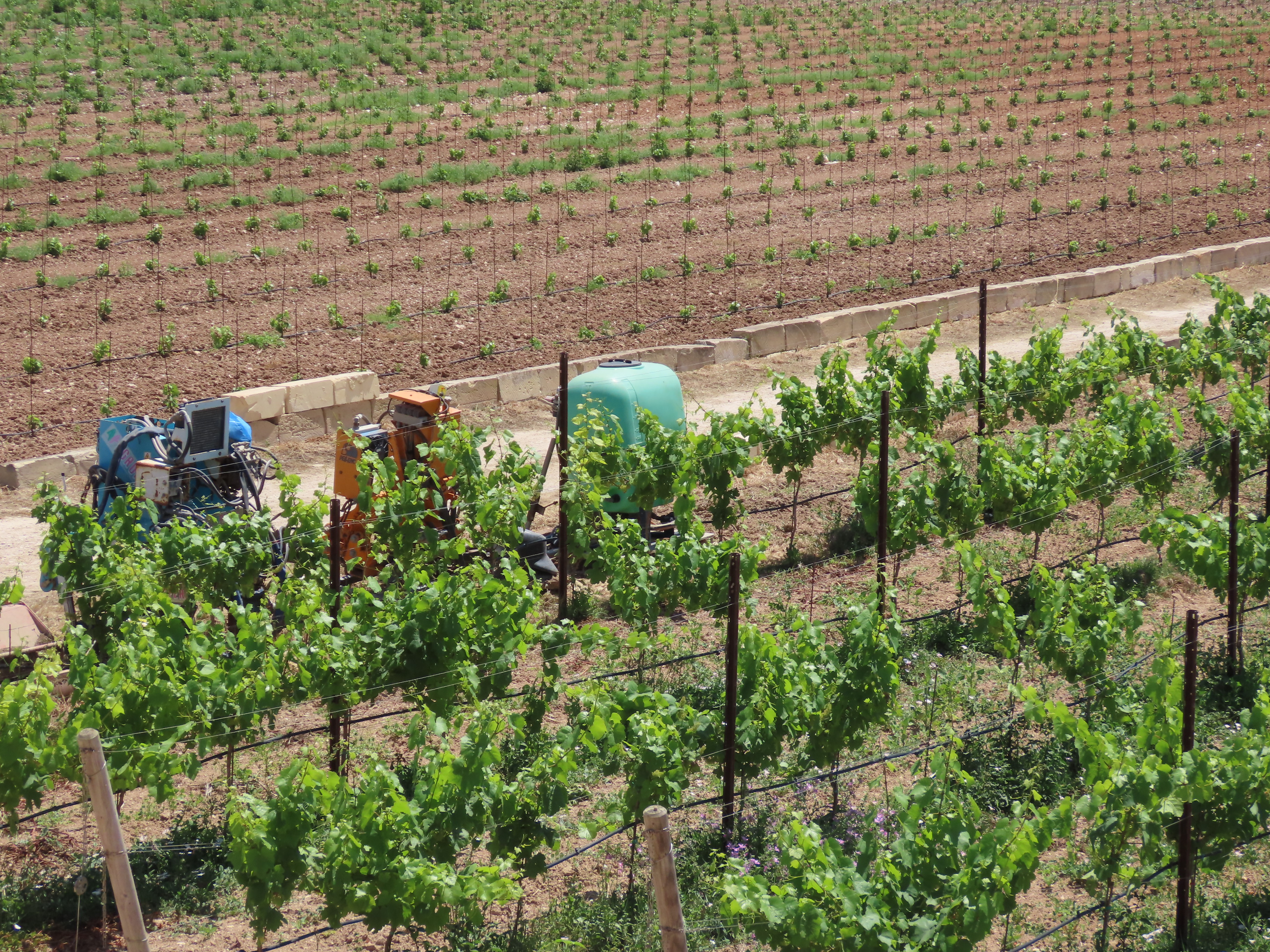
Malta’s wine industry is blossoming, and I set out to explore two remarkable vineyards.
Ta’ Betta Wine Estates
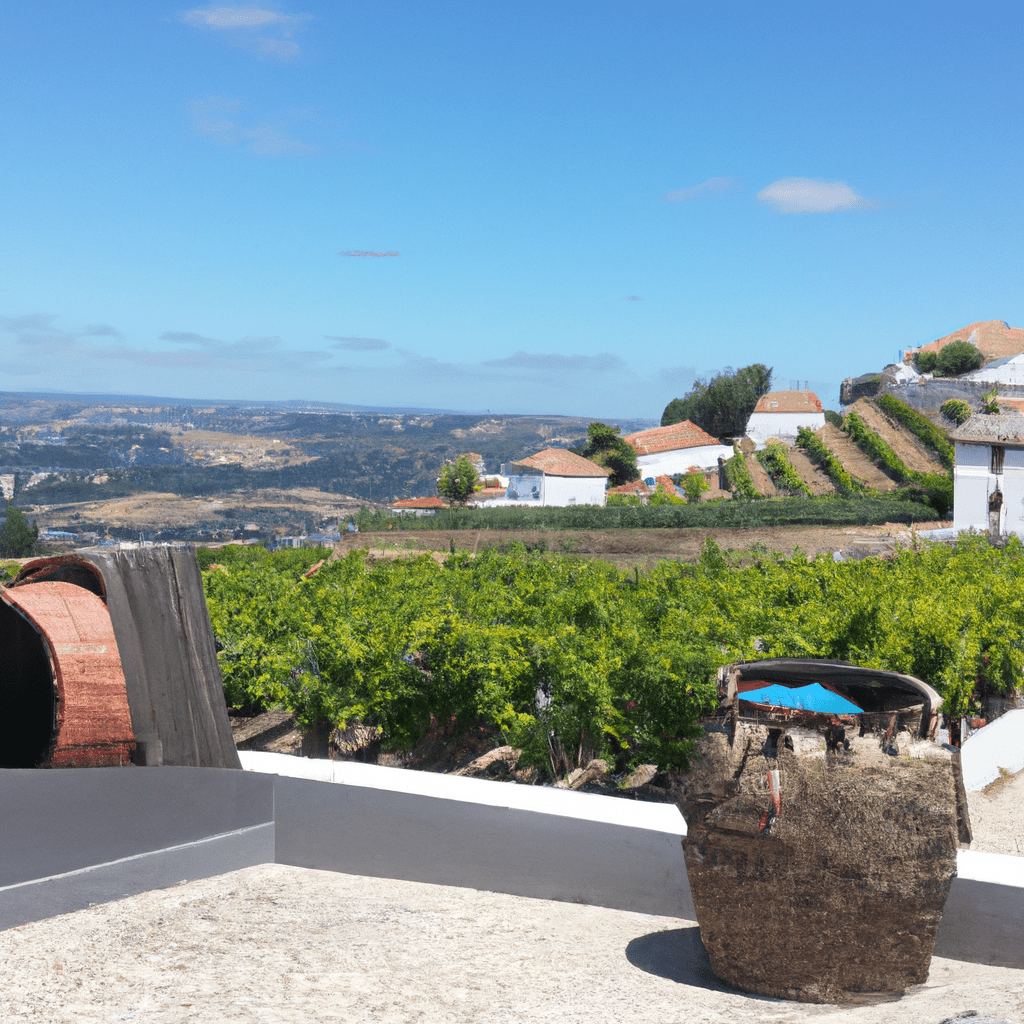
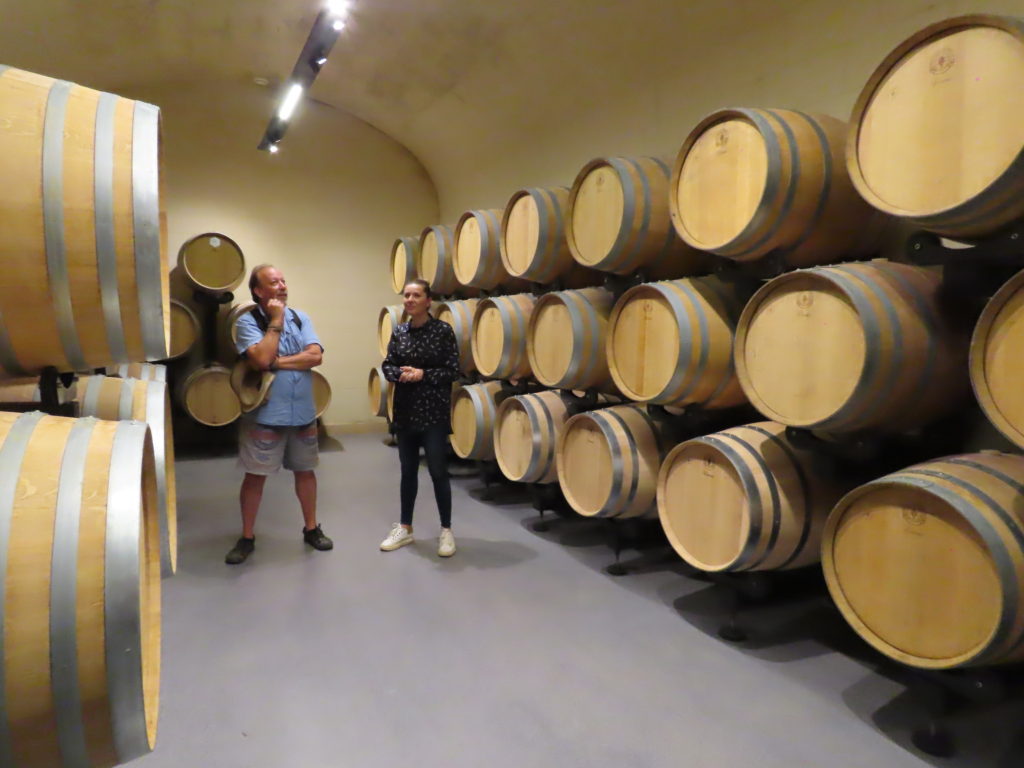
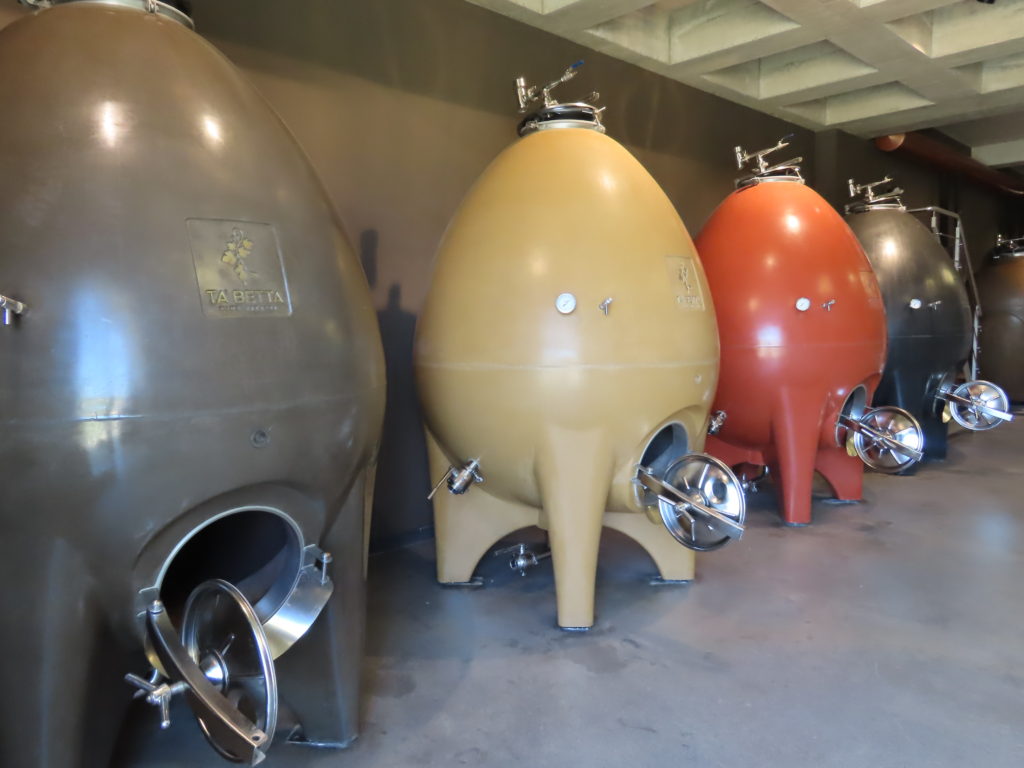
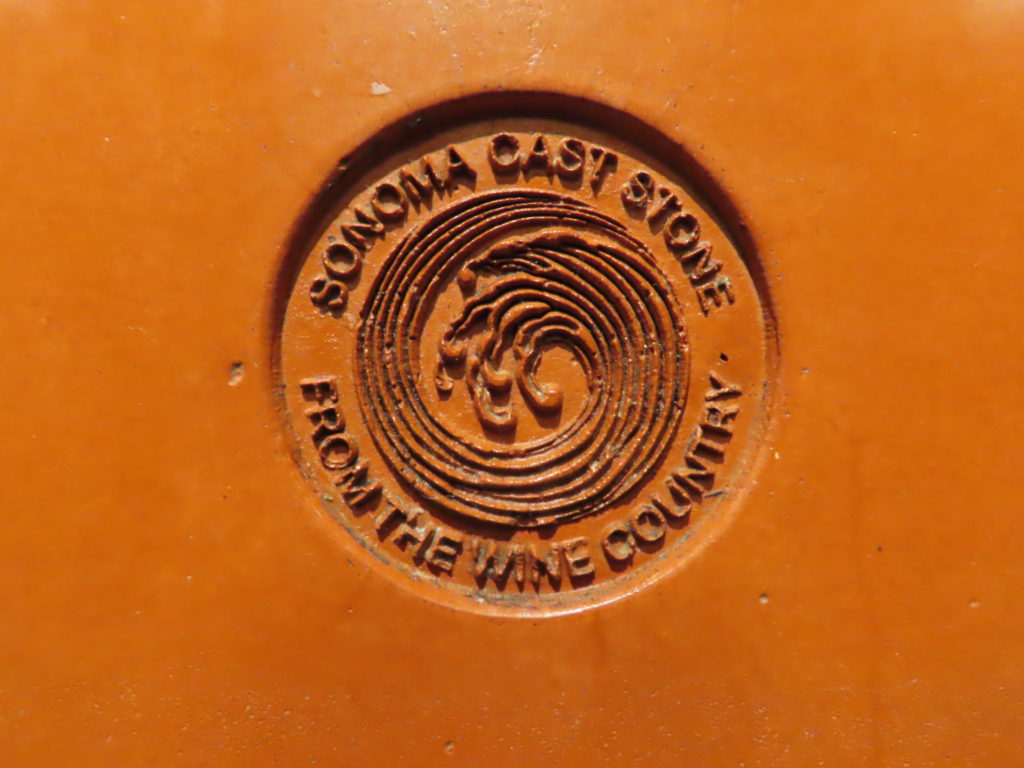
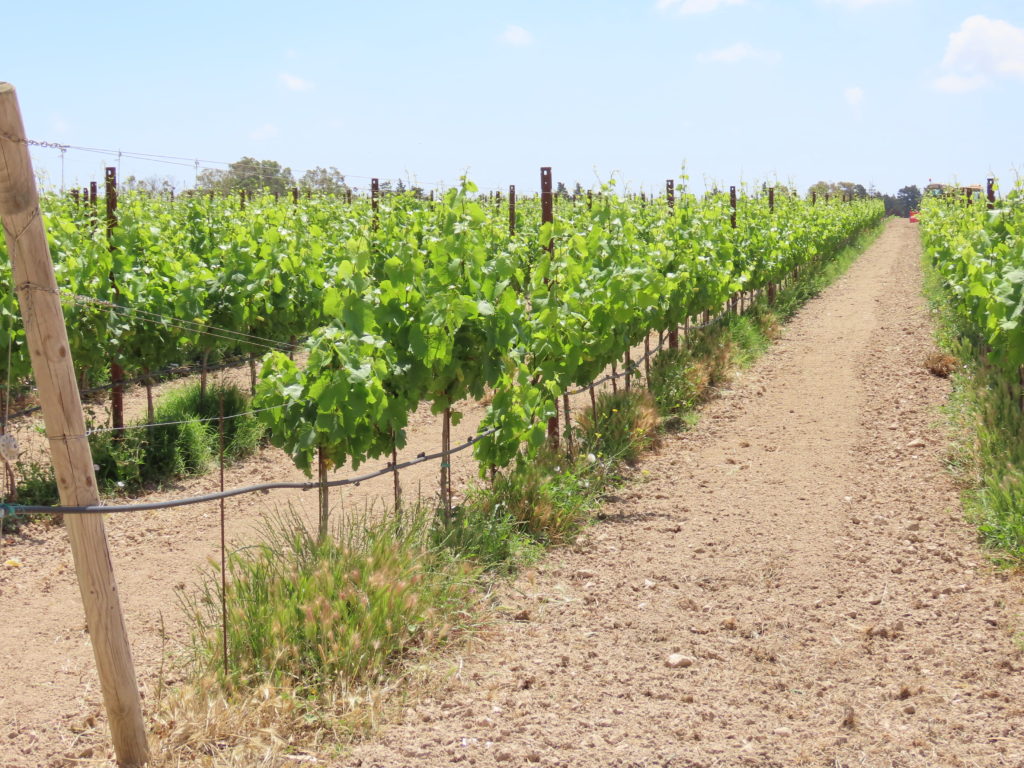
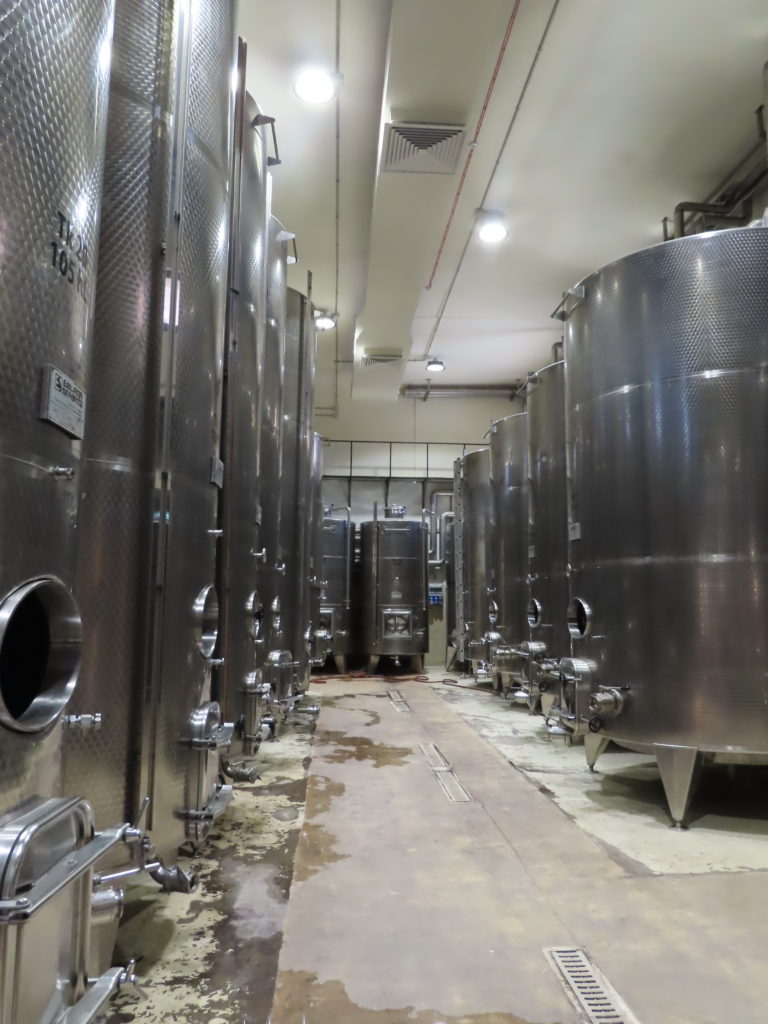
This estate is set on terraced land with imported soil and a stylish mix of modern and traditional techniques. Their colourful “egg barrels” add a quirky charm to the winemaking process.
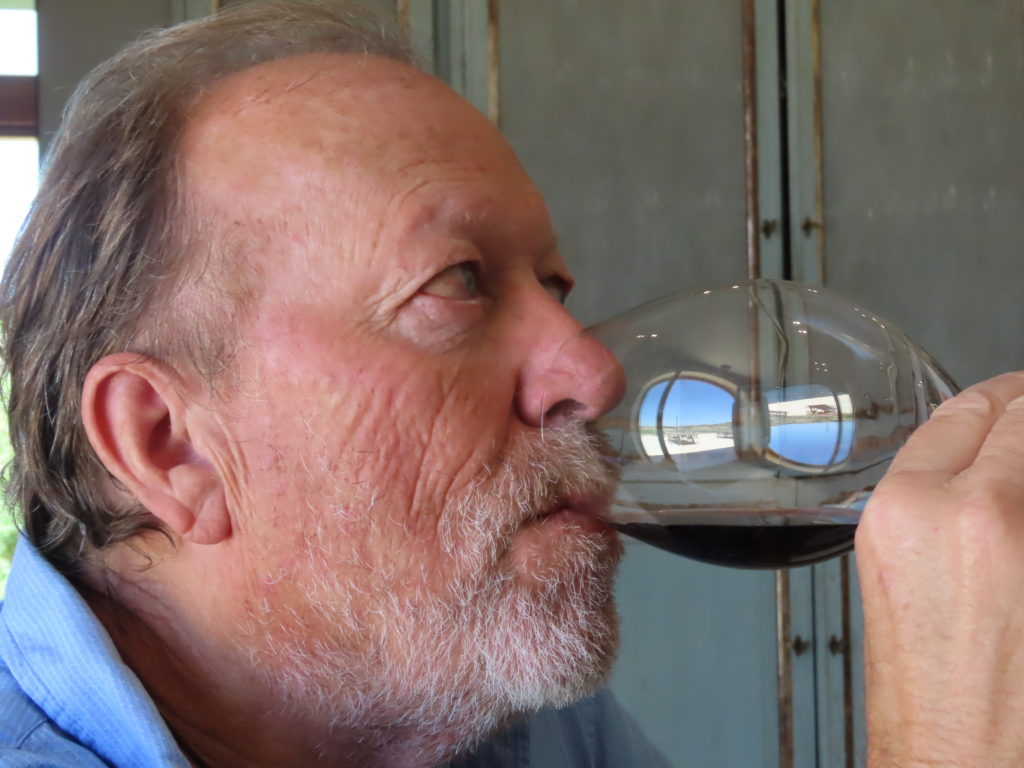
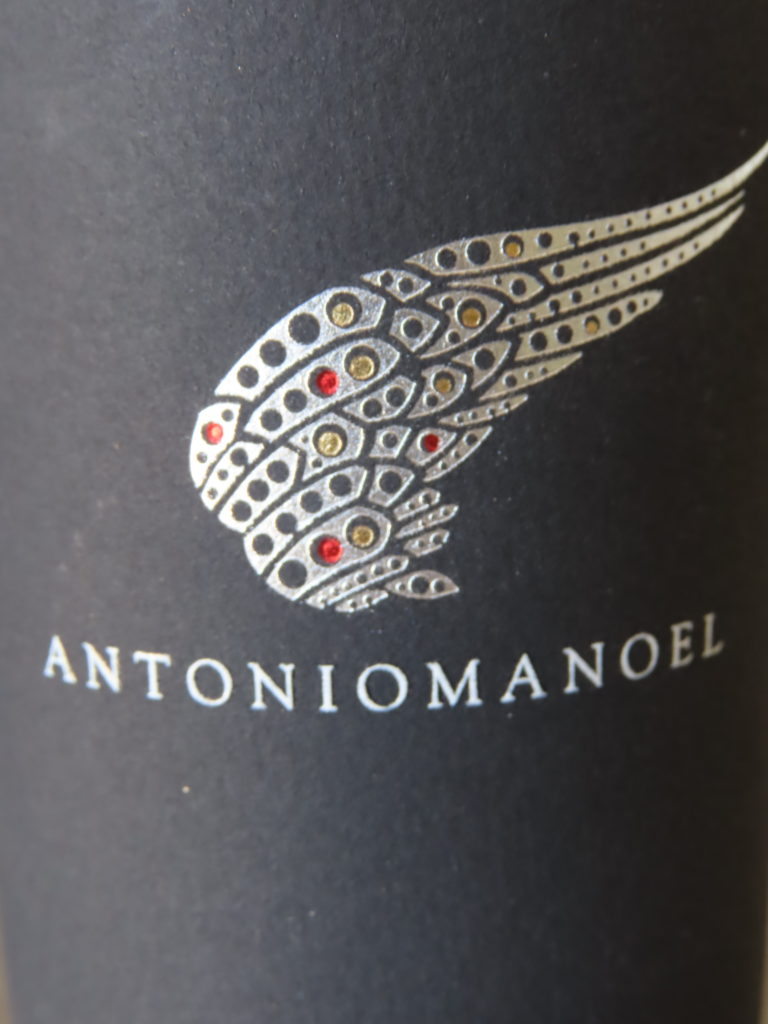
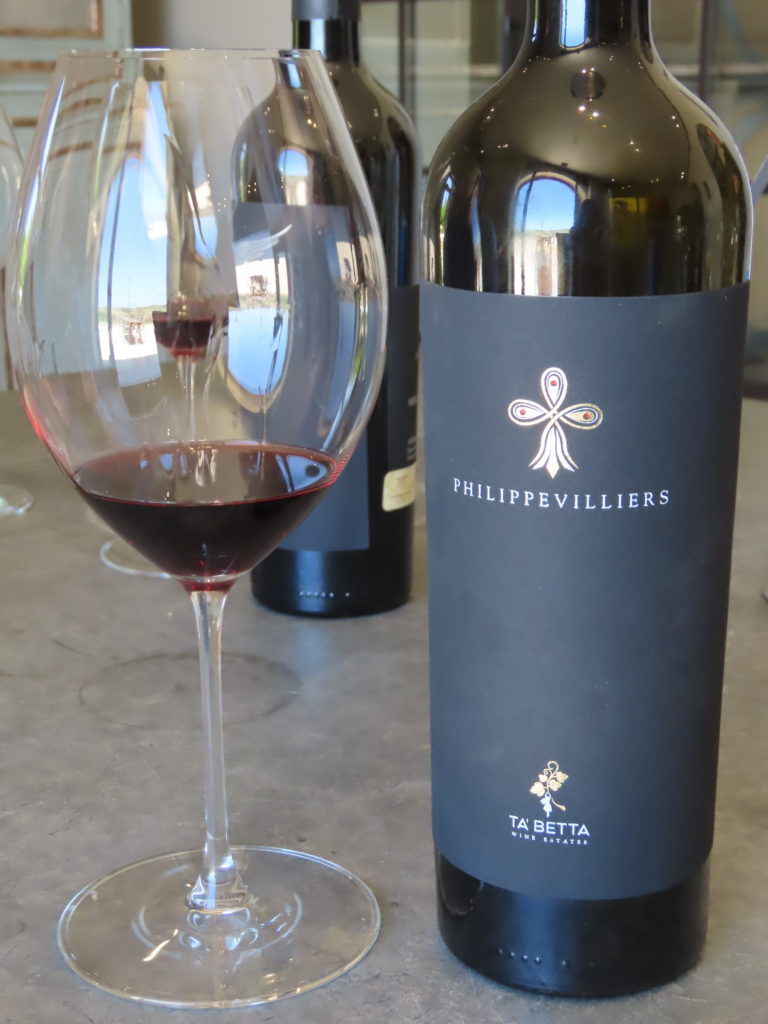
The wines—named after Grand Masters of the Knights—are sophisticated, expressive and award-winning. My personal tasting session was warm, insightful and deeply enjoyable thanks to the friendly sommelier.


Meridiana Wine Estate
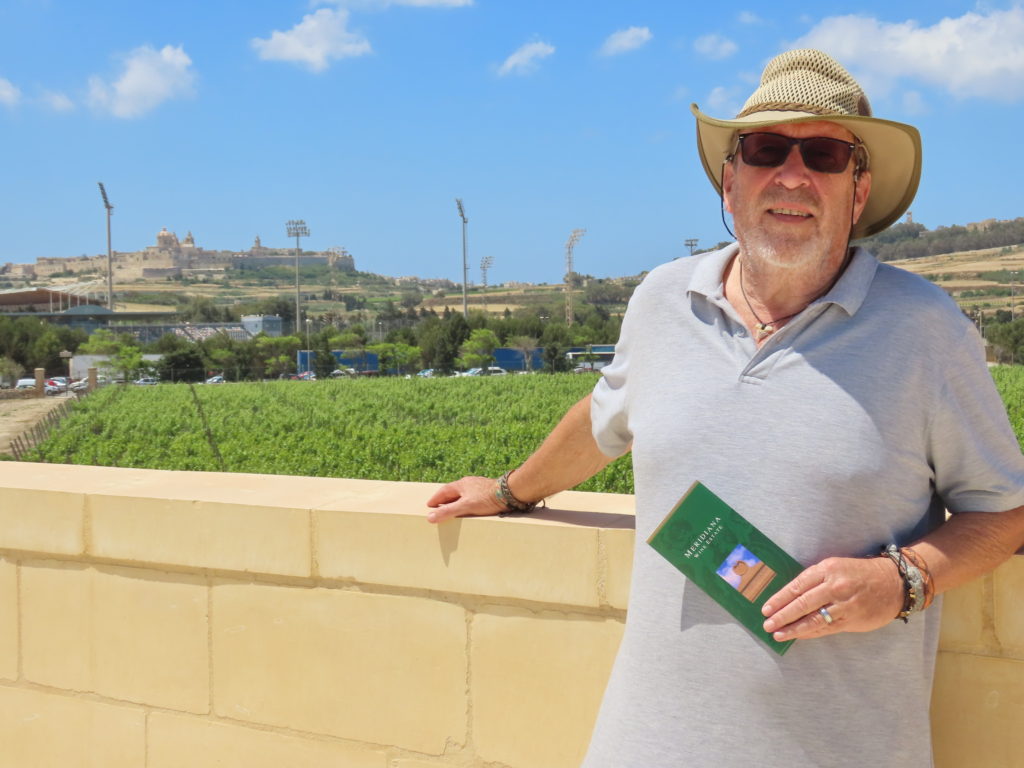
More family-oriented in atmosphere, Meridiana produces excellent, easy-drinking wines. Tastings here feel relaxed and inviting—great wine in a beautiful setting without formality.
Three Days on Gozo: Salt, Sea & Slow Living
From Sliema, I took the ferry for a three-day escape to Gozo, Malta’s quieter, greener sister island.
Xwejni Salt Pans
The ancient salt works at Xwejni Bay were one of the most memorable sights of the trip: geometric pools carved into the limestone, stretching along the coast in rows. Salt has been harvested here for generations, and seeing the pans catch the sunlight is almost hypnotic.
Marsalforn
Nearby Marsalforn is a relaxed seaside town with good swimming spots, restaurants and evening ambience. It’s the ideal place to unwind after a day exploring Gozo’s rugged coastline.
Gozo moves at a softer pace, and I loved every minute.
Final Thoughts: Malta’s Villages and Vineyards Stay With You
My three weeks in Malta were a rich blend of history, sunshine, cuisine, culture and warm encounters. From fortified cities to village fireworks, vineyards to salt pans, cliffs to coastlines, Malta is steeped in stories and alive with colour.
If you’re looking for a travel destination full of character—walkable, welcoming and wonderfully layered—Malta and its little sister Gozo deserve a place high on your list.
Unforgettable landscapes. Deep history. Friendly people. And always, another village waiting to surprise you.
Disclaimer: This page contains affiliate links. If you choose to make a purchase after clicking a link, I may receive a commission at no additional cost to you. Thank you for your support!