Discover Bragança and Mirandela Portugal: Castles, Olive Oil & Hidden Treasures of Trás-os-Montes
Description:
Bragança and Mirandela Portugal are historic towns in the Trás-os-Montes region of northern Portugal, near the Spanish border. Bragança is known for its medieval castle, preserved walled village and cultural museums, while Mirandela is famous for olive oil production, the Olive Oil Museum, the River Tua and its historic bridge. Both towns offer visitors authentic Portuguese traditions, scenic landscapes, traditional markets and excellent regional food, making them ideal destinations for travellers exploring northern Portugal beyond the mountains.
Bragança and Mirandela Portugal: Castles, Olive Oil & Hidden Treasures of Trás-os-Montes
Welcome back to Vineyards and Villages, where we wander beyond the obvious tourist trails and discover places filled with character, history and a good story or two. This week’s journey takes us to Bragança and Mirandela Portugal, two wonderfully authentic towns tucked away in the rugged Trás-os-Montes region of northern Portugal — literally meaning “beyond the mountains.”
And beyond the mountains you certainly are. This is a landscape of rolling hills, ancient olive groves, vineyards, medieval castles and small towns where traditions remain proudly alive.
During my stay in Bragança, I also visited nearby Mirandela twice, travelling comfortably by coach through the beautiful countryside. Together, these two towns offer a fascinating glimpse into a region that still feels refreshingly untouched by mass tourism.
🏰 What Makes Bragança One of Northern Portugal’s Hidden Gems?
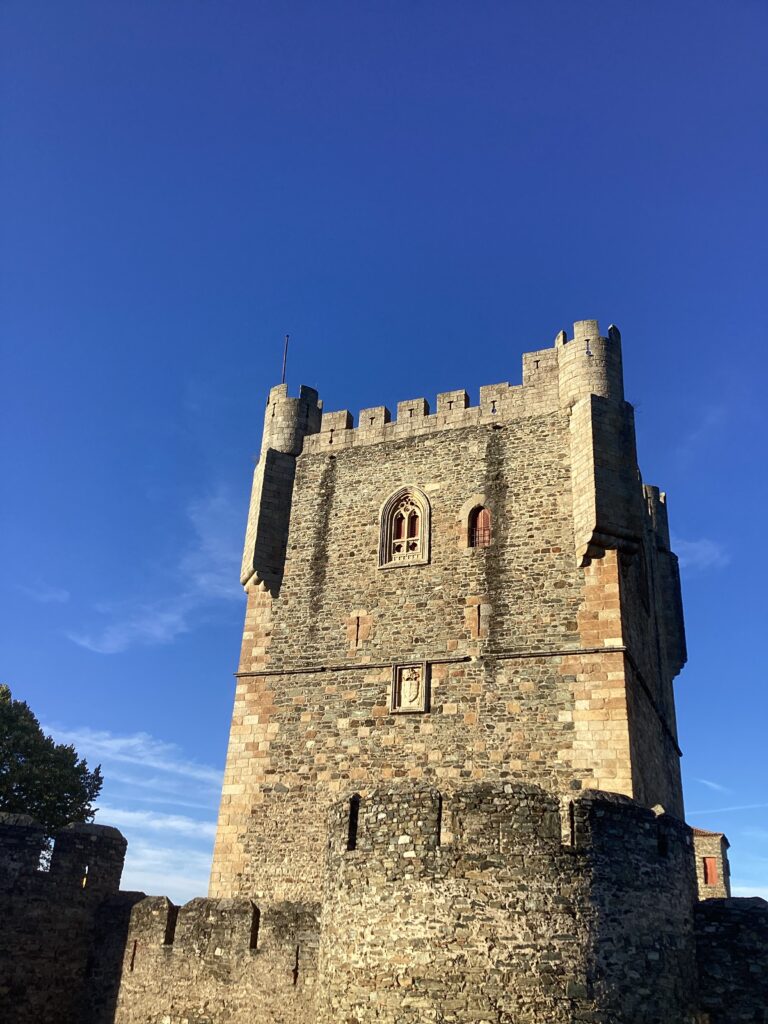
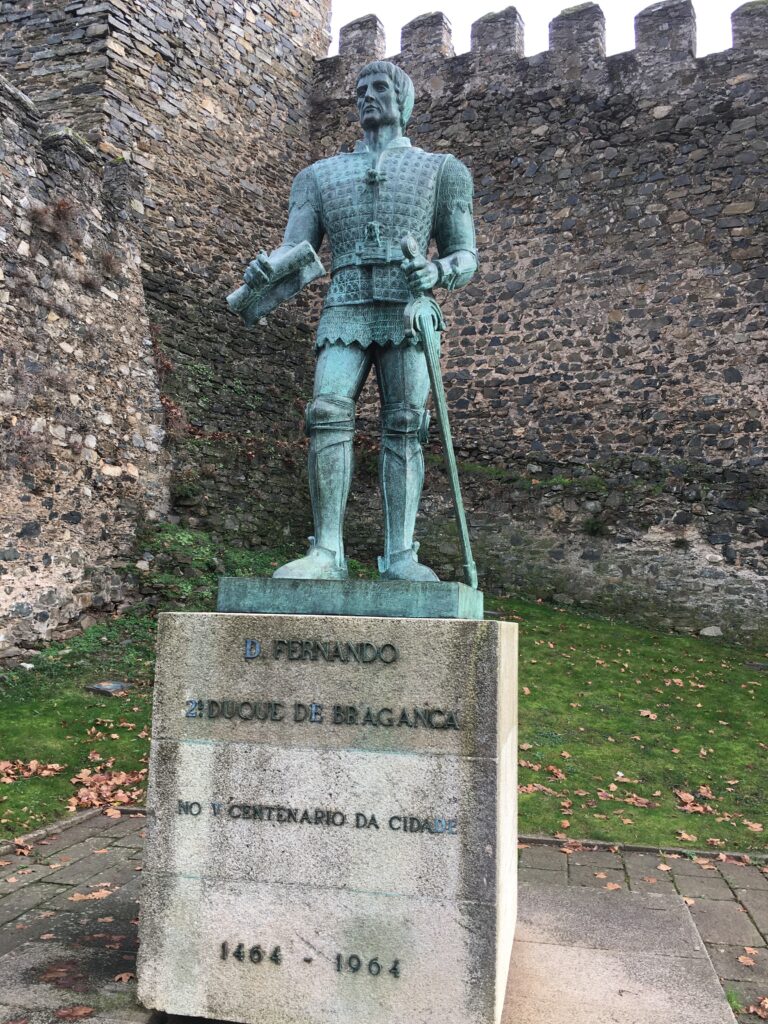
Perched close to the Spanish border, Bragança is one of Portugal’s most historic towns. Its crown jewel is the magnificent Castelo de Bragança, a medieval fortress rising proudly above the town.
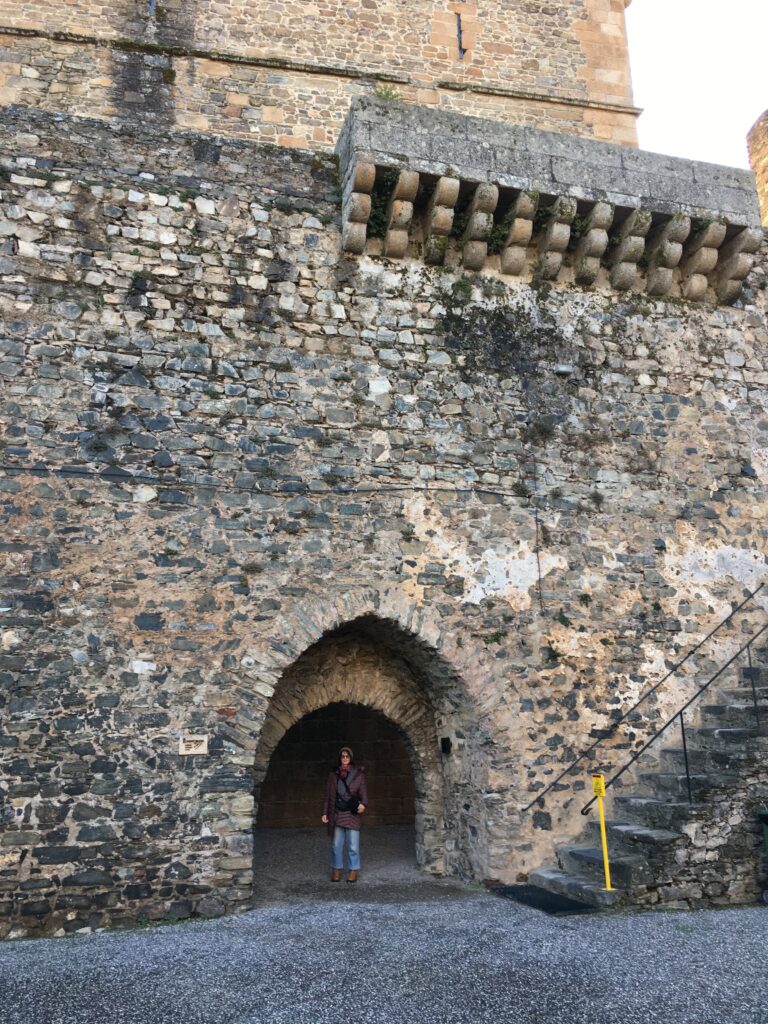
The castle dates back to the 12th century and remains one of the best-preserved fortifications in Portugal. Walking through the thick stone walls feels like stepping into a medieval storybook. Inside the fortress lies a charming walled village, known as the Cidadela, where narrow streets, whitewashed houses and small gardens create a peaceful atmosphere that has barely changed in centuries.
From the castle towers you are rewarded with sweeping views across the surrounding countryside — hills dotted with farms, vineyards and ancient olive trees that have been quietly producing fruit for generations.
⚔️ What Can You See Inside the Bragança Castle?
Within the castle keep you’ll find the Military Museum, which houses a fascinating collection of armour, uniforms, weapons and historical artefacts. It tells the story of Portugal’s defensive history and the important strategic role Bragança once played near the Spanish frontier.
Even if military history is not normally your thing, the displays are surprisingly engaging and help bring the region’s past vividly to life.
And here is a delightful surprise: there is also a restaurant inside the castle grounds. Sitting down for lunch within medieval walls while looking out over the rooftops of Bragança is one of those quietly magical travel moments.
🏘️ What Is It Like to Explore Bragança’s Old Town?
Outside the castle walls, Bragança continues to charm with its Old Town streets.
Cobbled lanes wind through traditional houses, small squares and historic churches. Life moves at a relaxed pace here. Locals greet one another on the street, café tables spill onto pavements, and conversations stretch comfortably over strong Portuguese coffee.
One thing that quickly catches your eye is the greenery. Many homes grow fruit trees in their gardens and courtyards.
And I noticed something rather wonderful: almost every garden seems to have a lemon tree. Bright yellow fruit peeking over old stone walls adds cheerful colour to the streets.
🧵 What Is the Silk Route of tras?
Bragança also preserves an unusual piece of industrial heritage: its historic Silk Route.
In earlier centuries, silk production played an important role in the town’s economy. Visitors can explore the old silk-spinning house where a traditional water wheel once powered the machinery used to process silk threads.
It’s a fascinating glimpse into the ingenuity of earlier industries — long before electricity transformed production.
☕ What Food Should You Try in Bragança?
Northern Portugal takes its food seriously, and Bragança certainly does not disappoint.
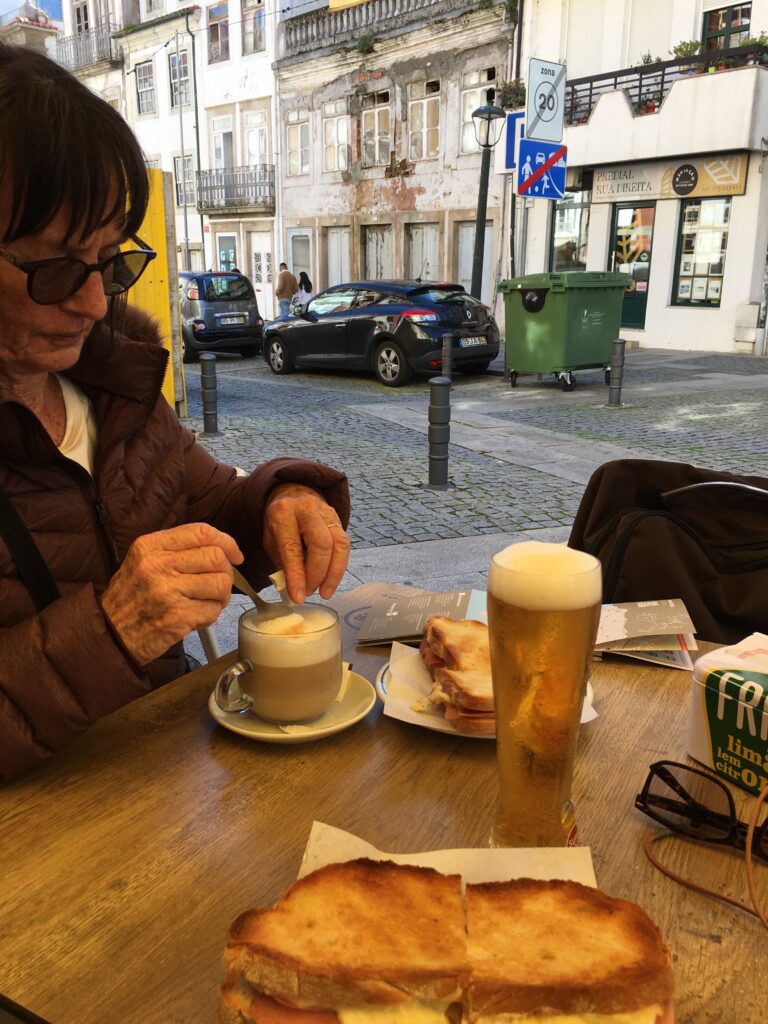
Start your day in one of the many cafés with a “café com cheirinho.” This cheerful little drink is an espresso with a splash of local brandy — perfect if the morning air feels a little chilly.
For something deliciously simple, order a Tosta Mista, the classic toasted ham and cheese sandwich that somehow tastes far better in Portugal than anywhere else on earth.
Feeling brave? Then try the legendary Francesinha. This famous northern Portuguese dish layers bread, multiple meats and cheese under a rich sauce. It is magnificent… but definitely not a meal for the faint-hearted.
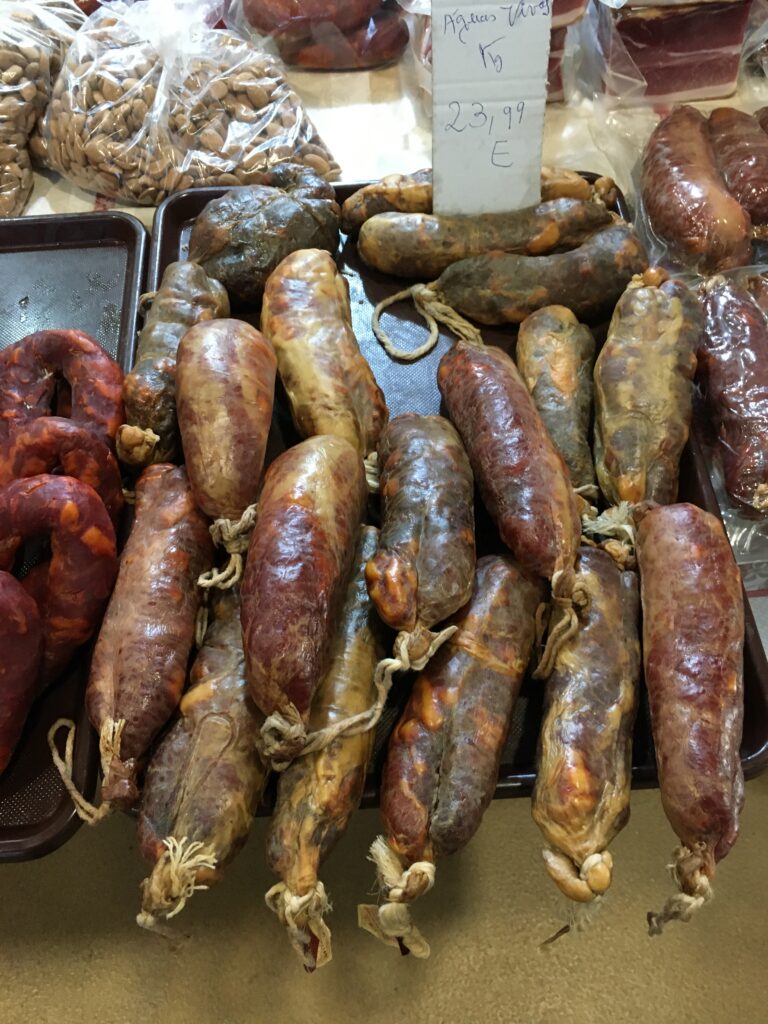
Local shops sell olives by the scoop, and you will often find home-pressed olive oil in large bottles at wonderfully reasonable prices. Many households still make their own sausages too — and the famous Bragança chorizo is considered by many to be among the best in Portugal.
🛍️ What Is the Market Like in Bragança?
The weekly market in Bragança is a lively affair and a perfect place to experience everyday local life.
Stalls overflow with vegetables, dried fruits, cheeses, smoked meats and handmade goods. It feels wonderfully traditional — the kind of market where locals meet, chat and catch up on the week’s news while buying produce grown just a few kilometres away.
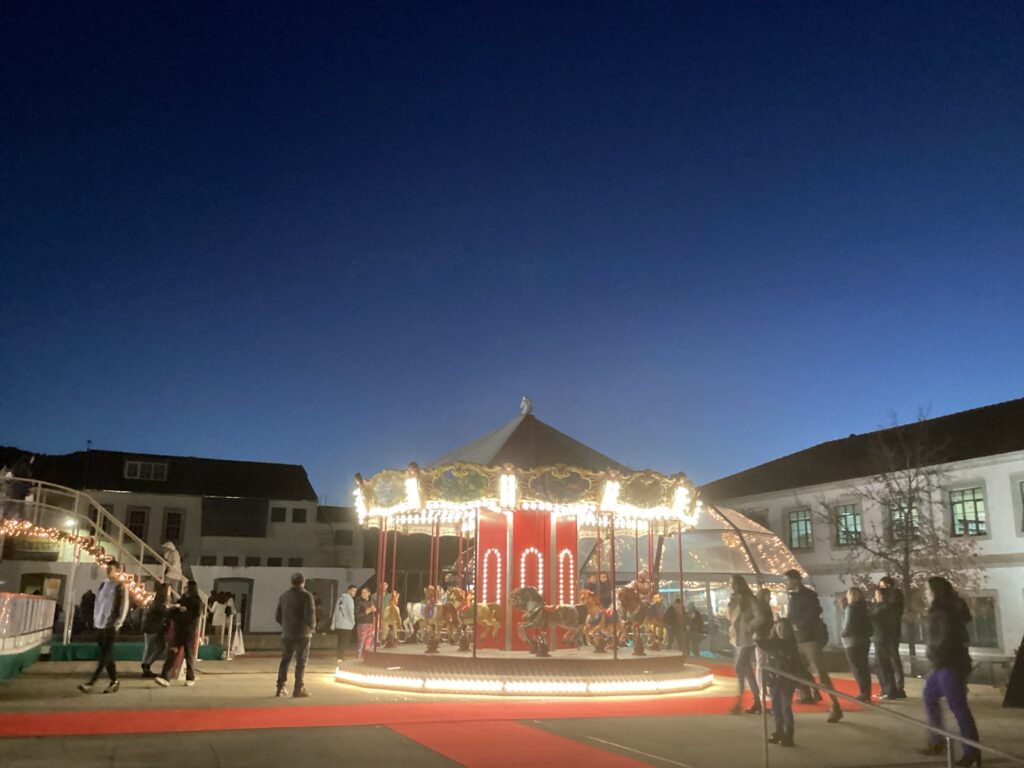
🎄 What Happens in Bragança During Christmas?
If you visit during Natal (Christmas), the town becomes especially magical.
The streets glow with festive lights, a local brass band plays Christmas carols, and the irresistible smell of roasted chestnuts drifts through the air from street vendors.
There is even a temporary ice rink, where young people skate and dance under the winter lights while families gather around with warm drinks.
It is joyful, festive and wonderfully heart-warming.
🚌 How Do You Travel from Bragança to Mirandela?
About an hour south of Bragança lies another delightful town: Mirandela.
Travelling there is easy thanks to the Flixbus coach service, which connects the towns comfortably through the scenic hills of Trás-os-Montes. The buses are modern, reliable and surprisingly comfortable — making the journey part of the adventure.
🫒 Why Is Mirandela Famous for Olive Oil?
If Bragança tells the story of medieval Portugal, Mirandela celebrates one of the region’s most treasured traditions: olive oil.
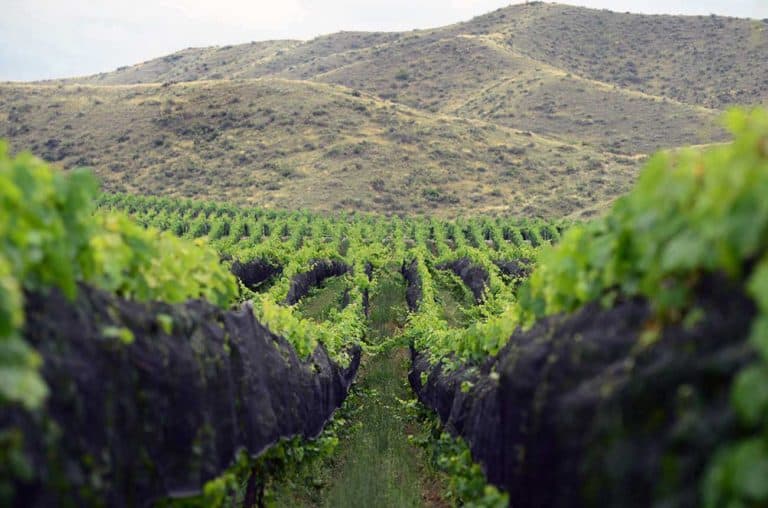
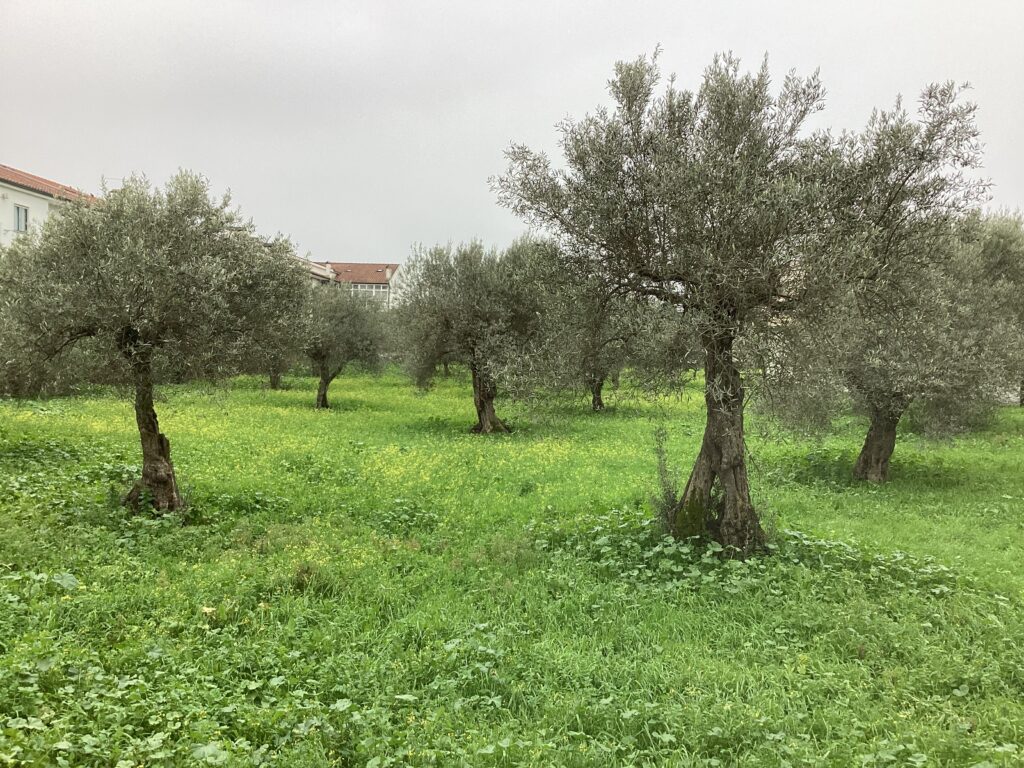
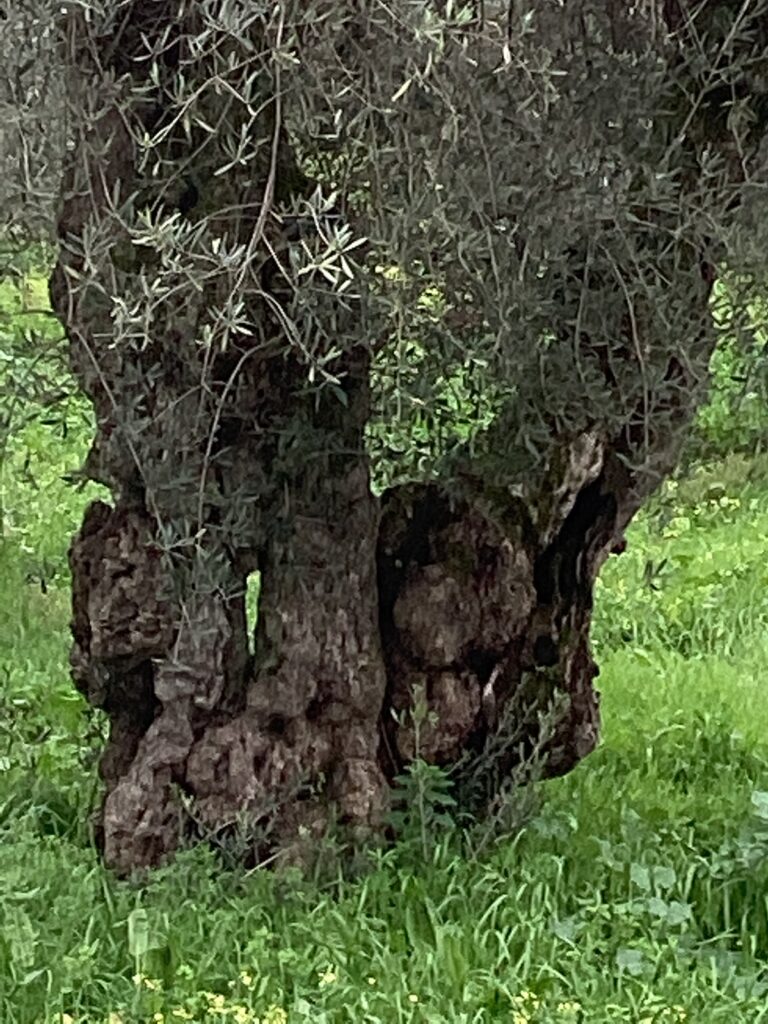
This part of Trás-os-Montes is one of Portugal’s most respected olive-growing areas. The surrounding hills are covered with olive groves, many containing trees that are several centuries old.
To understand this heritage properly, a visit to the Olive Oil Museum is essential.
The museum explains the entire olive oil process — from harvesting the olives to grinding, pressing and storing the oil. Traditional stone presses and historical equipment show how the process worked long before modern machinery.
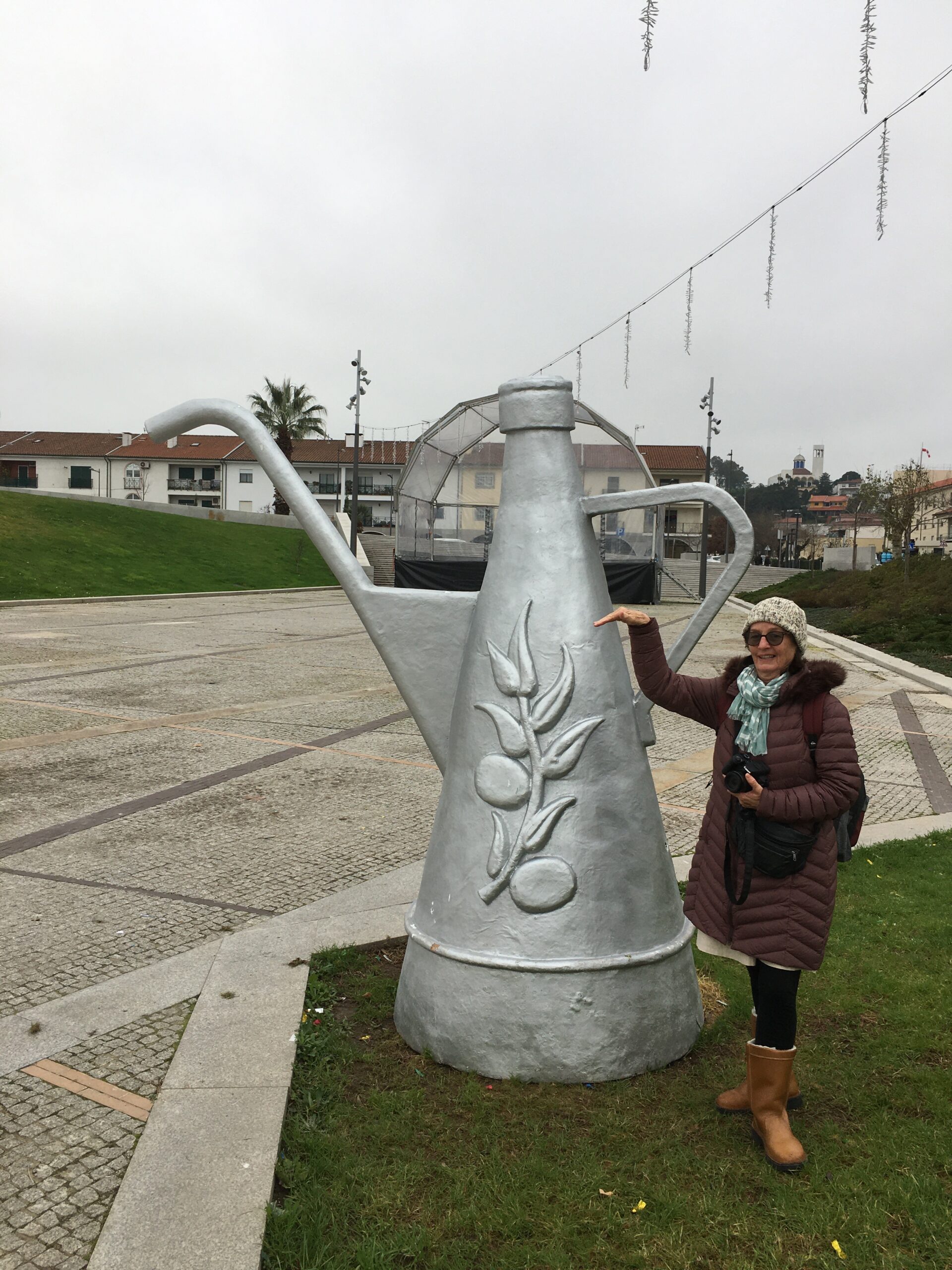
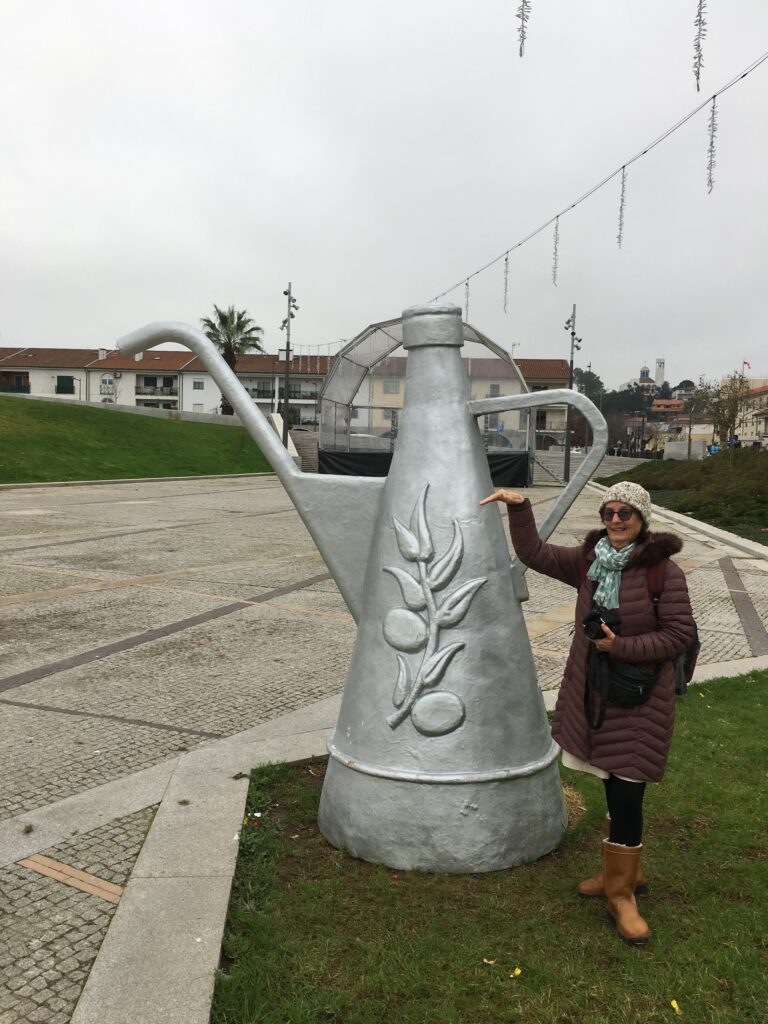
And yes… outside stands a rather amusing sight: a giant traditional olive oil cruet.
Naturally, after learning so much about the region’s olive oil culture, we did the only sensible thing and bought a generous bottle of local olive oil to take home.
Purely educational, of course.
🌊 What Makes the River Tua So Special?
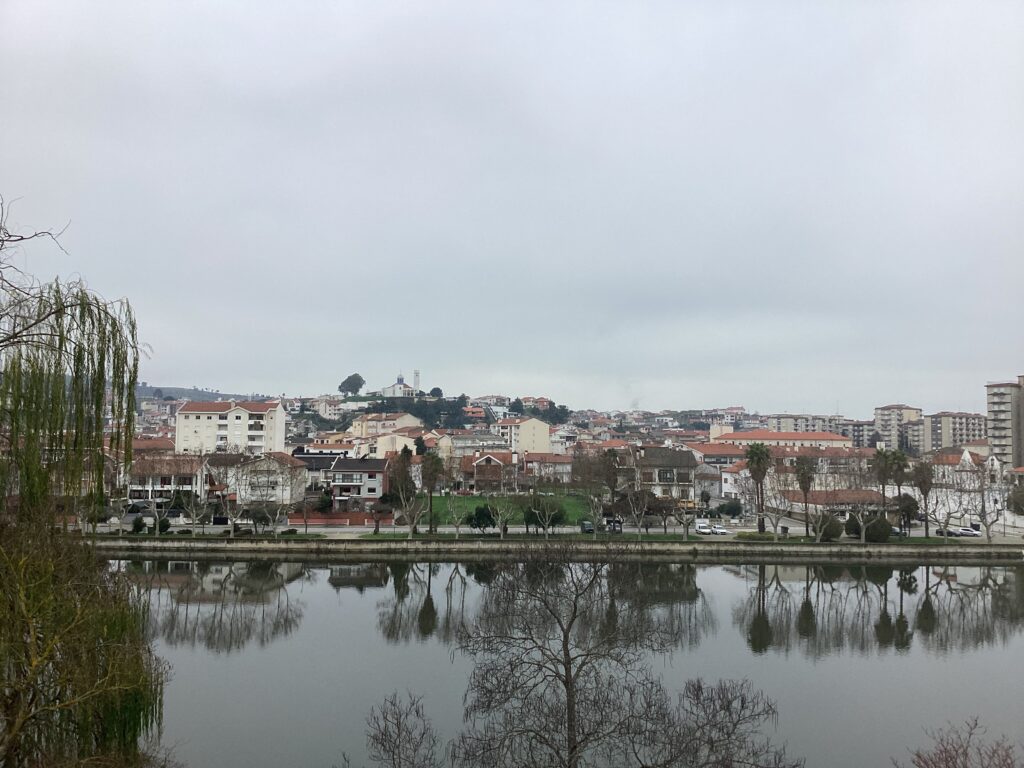
Mirandela sits along the peaceful River Tua, which flows through the valley before eventually joining the famous Douro River.
Today the river provides one of the town’s most pleasant attractions: a beautiful riverside walking path. Shaded by trees and accompanied by the gentle sound of flowing water, it is a perfect place for a relaxed stroll.
Locals walk here daily, joggers pass by, and fishermen occasionally try their luck along the banks.
It is calm, scenic and wonderfully relaxing.
🌉 What Is the Historic Bridge of Mirandela?
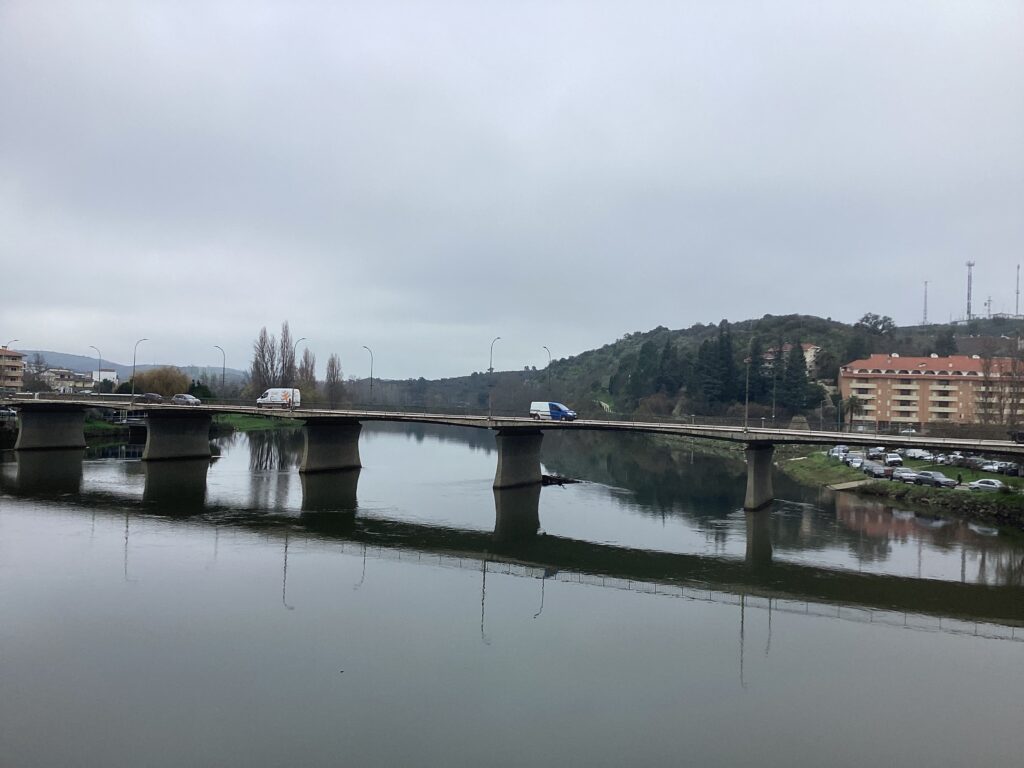
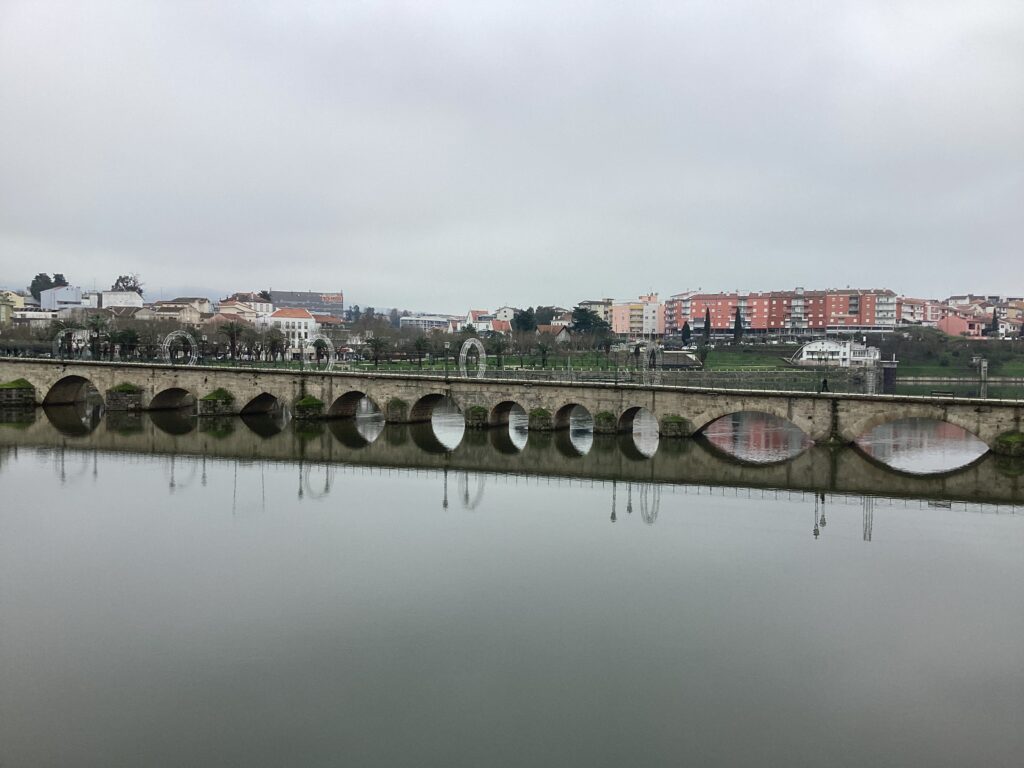
Spanning the River Tua is Mirandela’s impressive medieval stone bridge, built centuries ago to connect trade routes through the region.
Its granite arches have stood firm through floods, storms and countless travellers passing between the banks. Walking across the bridge offers lovely views of the river, the surrounding hills and the town itself.
It is one of those places where you naturally slow down, take a deep breath and appreciate the beauty of simple moments.
🏘️ What Is Mirandela’s Old Town Like?
Mirandela’s Old Town invites slow wandering.
Narrow cobbled streets weave between traditional houses, cafés and quiet squares. Balconies overflow with flowers, and small shops line the pedestrian shopping street in the centre.
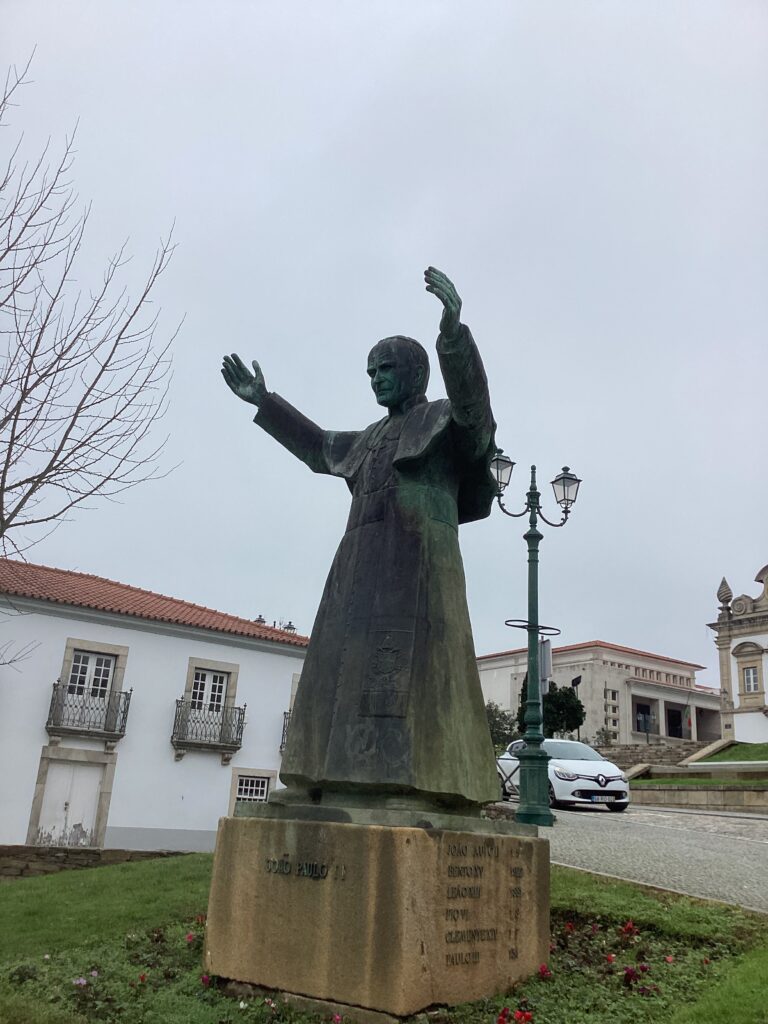
One notable landmark is the statue of São Bento, watching quietly over the town.
Nearby cafés serve excellent coffee and pastries, making it dangerously easy to spend an hour simply enjoying the atmosphere and watching the world stroll by.
🌿 Why Visit the Trás-os-Montes Region?
Travelling through Trás-os-Montes feels different from many other parts of Portugal.
Life here remains closely connected to the land. Olive groves stretch across hillsides, vineyards thrive in the valleys and family traditions continue from generation to generation.
Towns like Bragança and Mirandela offer something increasingly rare in modern travel: authenticity.
No crowds. No rush. Just genuine Portuguese life unfolding at its own pace.
📸 Photos From My Visit
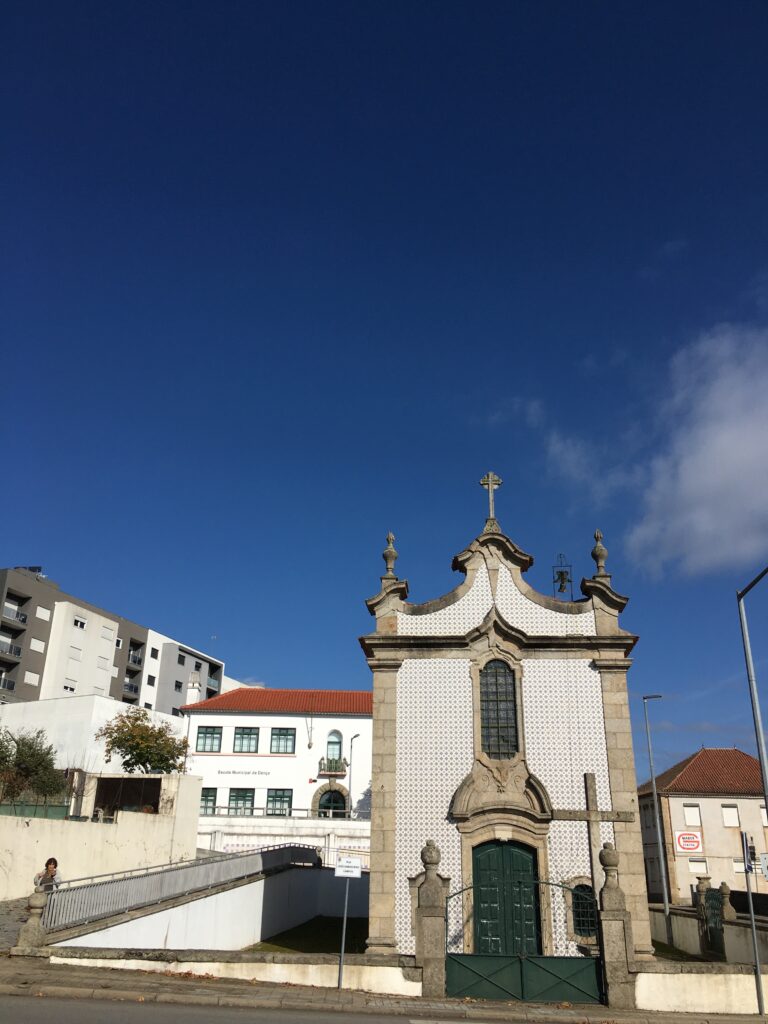
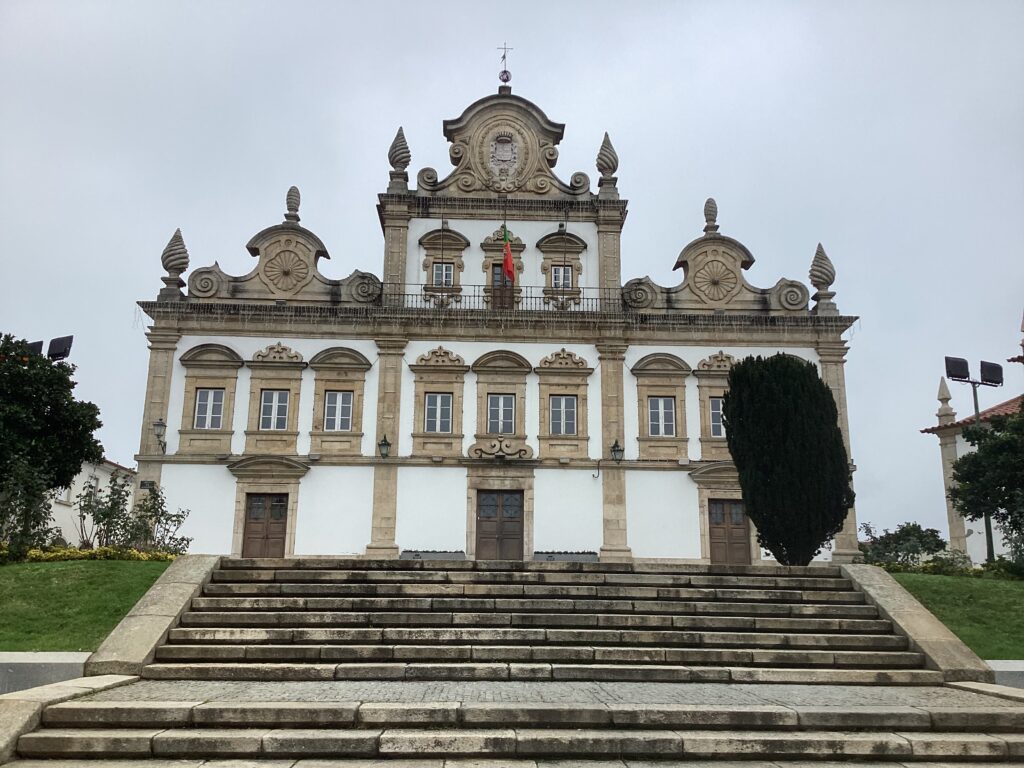
Photographs of the castle, Old Town streets, olive groves, river walks and Mirandela bridge.
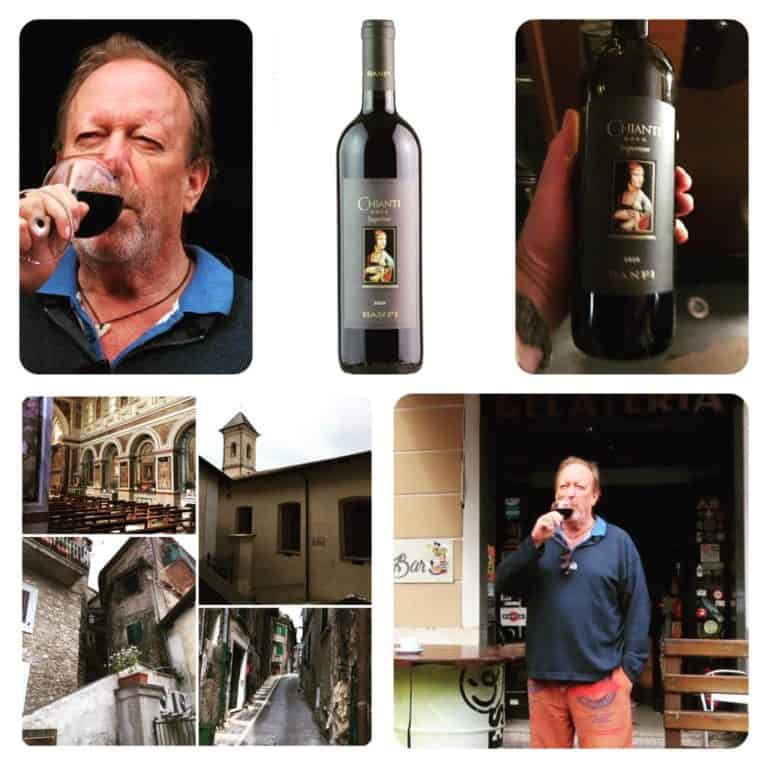
🍷 Sip of the Week – Ponte do Arquinho 2017
No episode of Vineyards and Villages would be complete without our Sip of the Week.
This time we’re tasting a local red from the region: Ponte do Arquinho 2017, produced in the Valpaços sub-region of Trás-os-Montes.
The wine is made primarily from traditional Portuguese grape varieties including Trincadeira and Tinta Carvalha. These indigenous grapes thrive in the warm, rugged landscape of northern Portugal and are known for producing robust, fruit-forward wines with plenty of character.
In the glass, the wine shows a deep ruby colour with hints of maturity. On the nose you’ll find aromas of ripe red fruits, subtle spice and gentle vanilla notes. On the palate it’s smooth, fruity and well balanced — the sort of wine that feels right at home alongside grilled meats, local sausages or a hearty Portuguese meal.
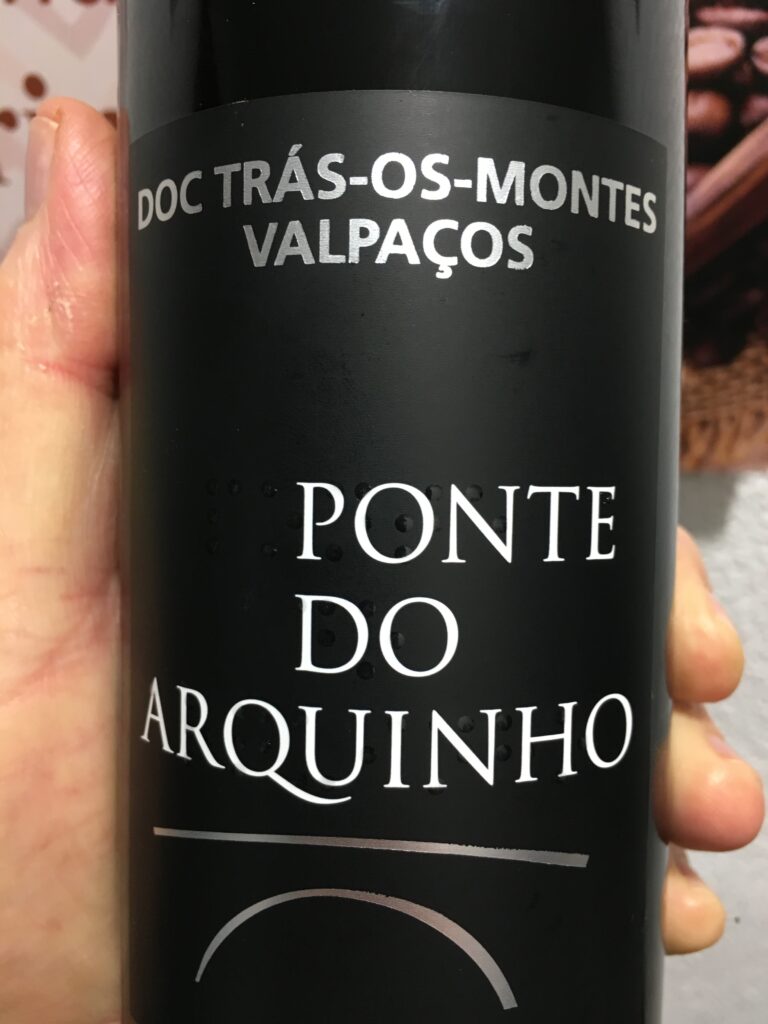
Our verdict?
A wonderfully honest, rustic red that perfectly matches the spirit of Trás-os-Montes. It may not try to impress with fancy labels or grand promises, but it delivers exactly what good regional wine should: warmth, flavour and a sense of place.
And at the end of a day exploring medieval castles and olive groves… it tastes even better.
Affiliate Disclaimer
Some links on this page may be affiliate links. This means I may earn a small commission — at no additional cost to you — if you choose to make a purchase through them. Thank you for supporting my blog and helping keep the adventures going.