Our Campervan adventure to Wonderwool Wales
Description:
Slow road-tripping through Wales to the Wonderwool Wales Annual Wool Festival, with rivers, mountains, sheep and campervan charm.
There are road trips. And then there are road trips through Wales on the way to the Wonderwool Wales Annual Wool Festival — which somehow feel softer, greener, and just slightly more sheep-filled than average.
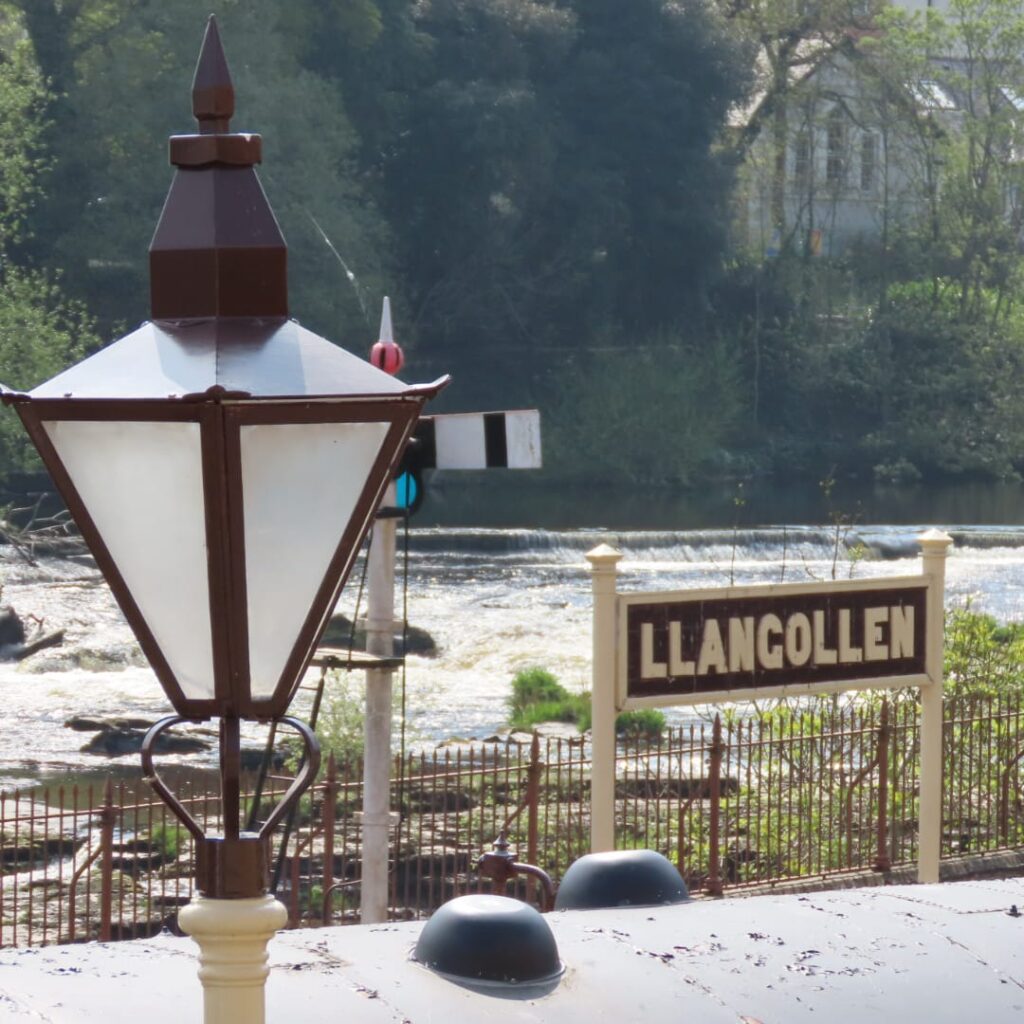
We’d left Tattenhall Marina, rolled through Malpas, and crossed into Wales with Nettie humming bravely. Our first night was in Llangollen, beautifully set on the banks of the River Dee.
Llangollen – River, History and High Street Finds
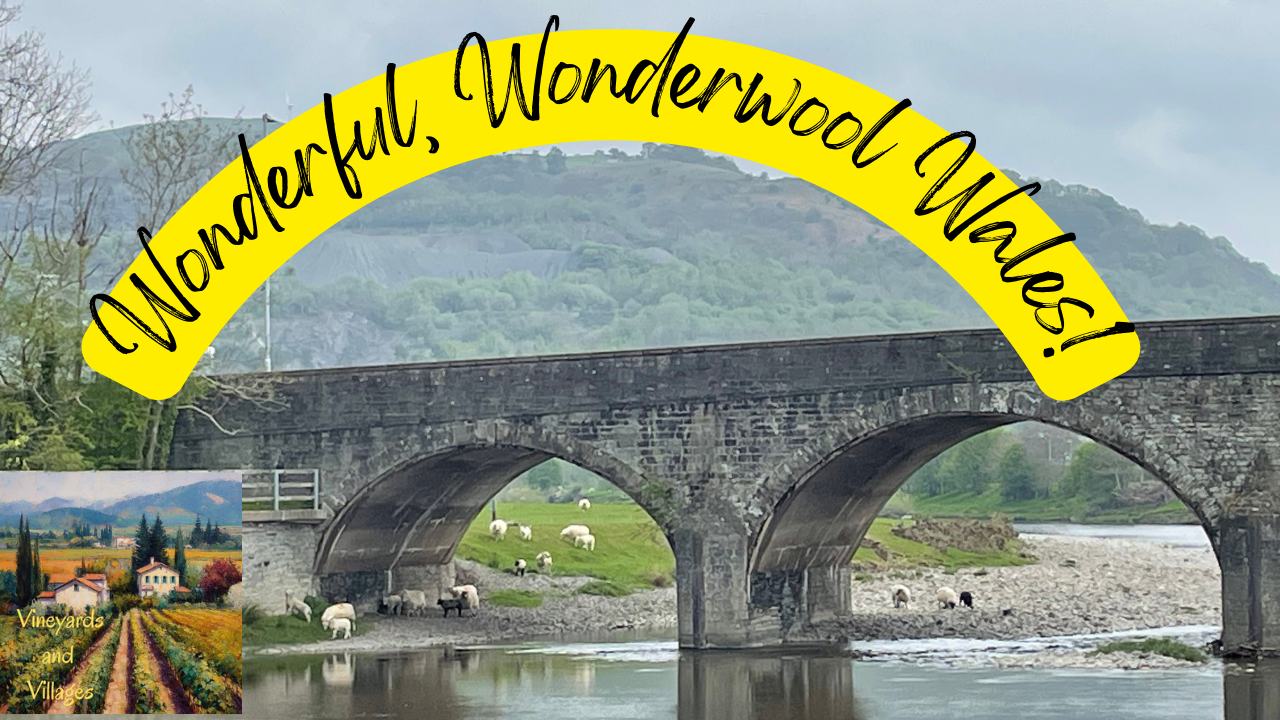
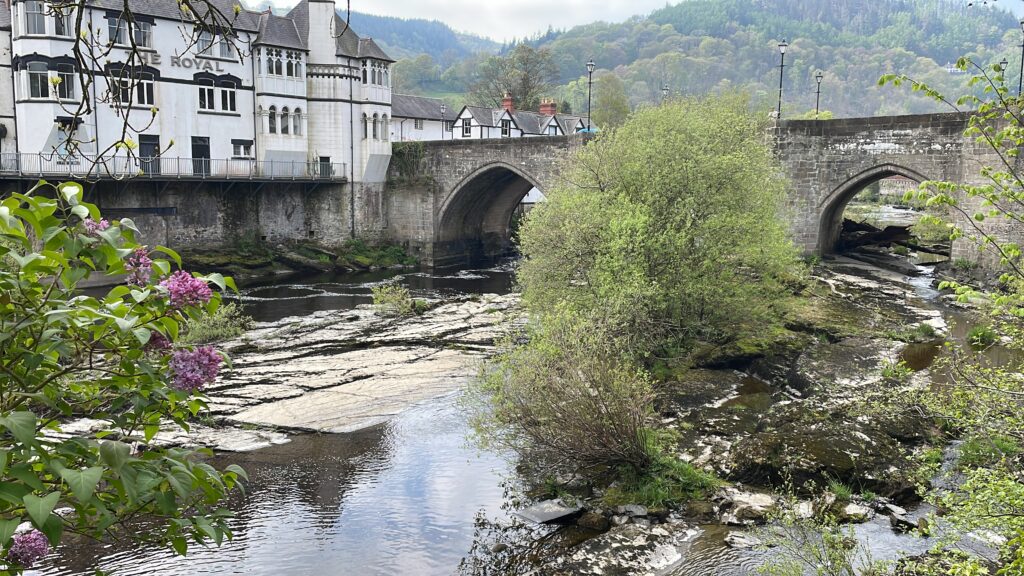
Llangollen really does sit exactly where you’d want it to. The River Dee tumbles past stone walls and beneath the elegant arches of Llangollen Bridge, the constant rush of water forming a soundtrack that never quite leaves you.
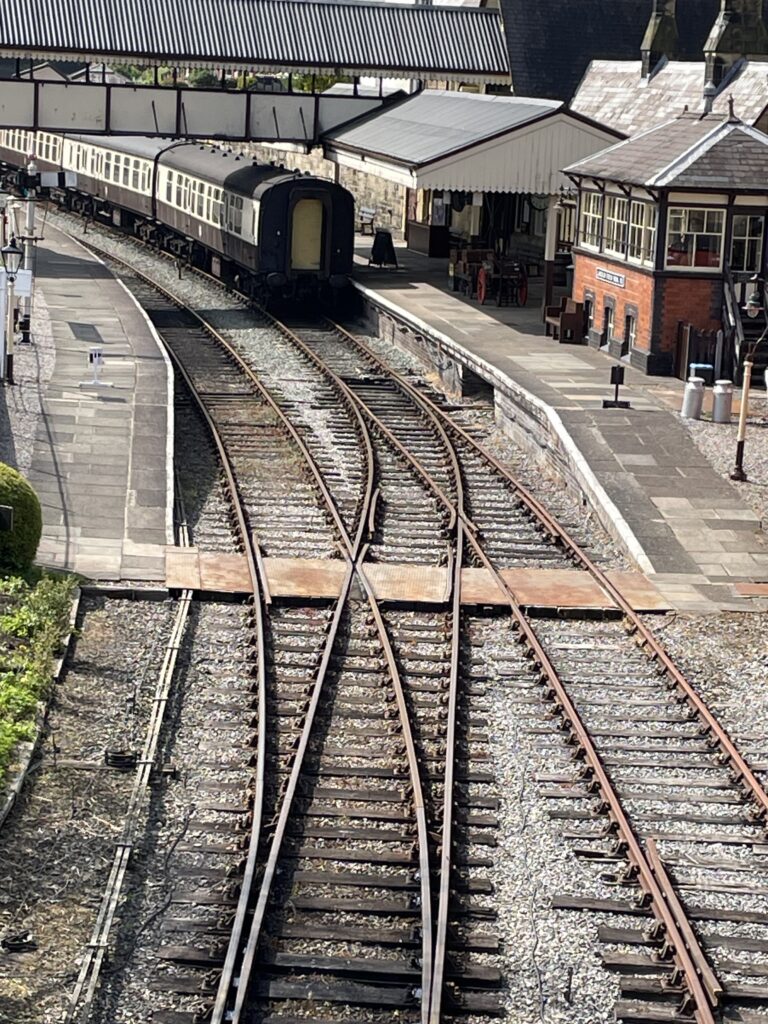
This little town has history in layers. Medieval princes once watched the valley from Castell Dinas Brân high above. Drovers moved livestock through the valley. Later, canal builders carved the Llangollen Canal into the landscape, linking north Wales to England’s industrial heartlands.
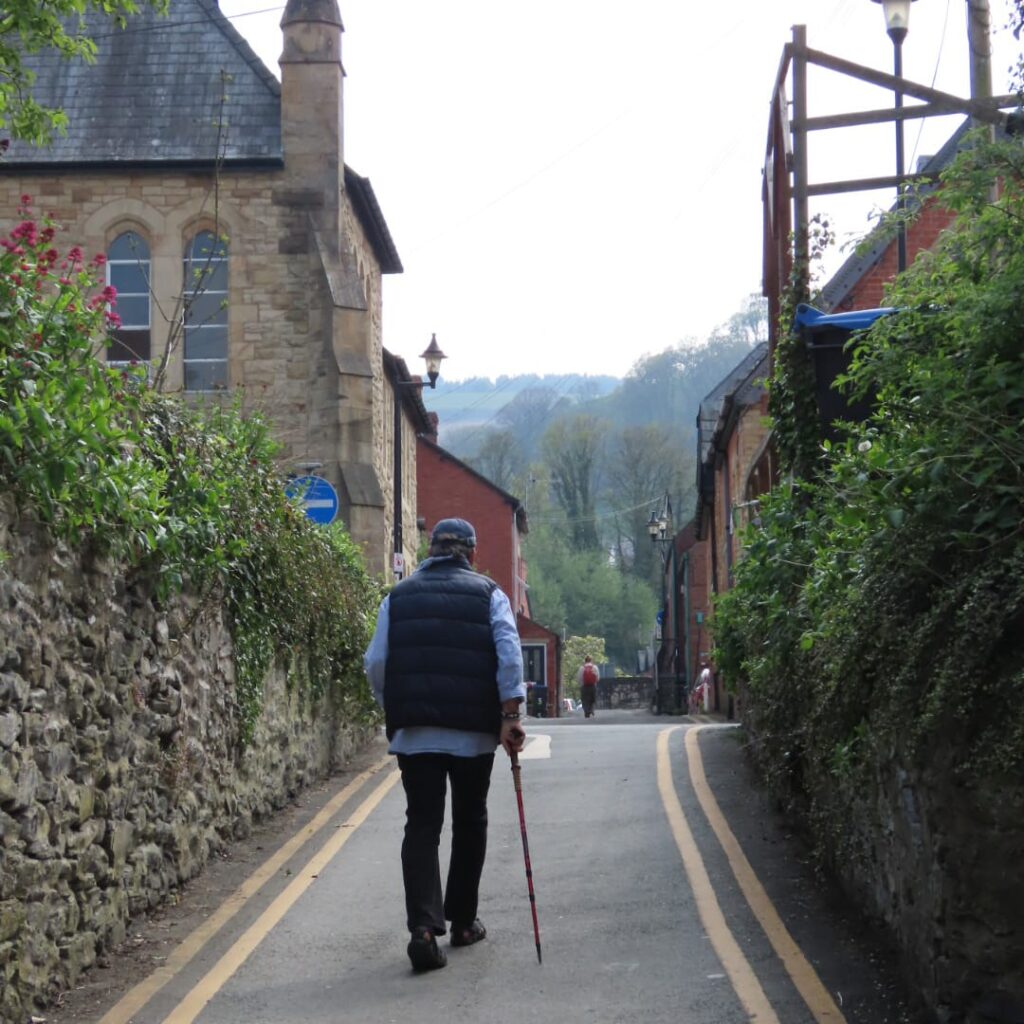
Today, it’s charming without trying too hard. The High Street is full of independent shops. Proper bookshops. Outdoor gear stores. Little gift shops that make you consider buying Welsh slate coasters you absolutely do not need. Coffee shops are plentiful. We sampled one. Then another. Strictly for research.
Our overnight stop was in a designated parking area where campervans are welcome. Always a joy when a town embraces slow travellers. The River Dee flowed nearby. Audible. Present. Calming. Not once intrusive. Nettie settled in. So did we.
Through the Clwydian Range and Dee Valley National Landscape
Morning light brought us south through the Clwydian Range and Dee Valley National Landscape. The road rises and falls gently, weaving between hills quilted in green. Stone farmhouses appear, then disappear. Sheep dot the slopes like misplaced clouds.
Driving here requires patience. And admiration. The views stretch wide across valleys carved by ice and time. Lay-bys tempt you to stop every few miles. Nettie climbed steadily. No drama. Just a determined 1989 hum.
Lunch at Bala Lake
By midday we reached Llyn Tegid, better known as Bala Lake — the largest natural lake in Wales. It glimmered under a soft sky. Sailing dinghies skimmed across the surface, white sails catching the breeze.
The town of Bala sits quietly at the lake’s northern edge. Stone buildings. Outdoor cafés. Walkers with maps. The lake feels vast, yet peaceful. We lunched near the water. Sandwiches taste better with a view of mountains and sails.
Slow Road-Tripping South
From Bala, we embraced the joy of the small road.
Brithdir is tiny. A scattering of houses. Fields stretching beyond. Quiet, rural and beautifully unpretentious.
We paused for coffee at Cross Foxes Inn, a historic coaching inn where travellers have been stopping for centuries. Ours was a quick caffeine revival. Nettie appreciated the break.
Corris Uchaf lies nestled between wooded hills, once shaped by slate quarrying. Narrow lanes. Mossy stone. A sense of deep Welsh heritage.
Tan y Coed is barely more than a name on a sign, wrapped in trees as its name suggests — “under the wood.”
Pantperthog offers sweeping valley views and that wonderfully remote feel.
Friddgate is rural Wales at its most understated. Rolling pasture. Dry-stone walls. Occasional sheep traffic.
This is slow travel at its finest. No rush. No motorway monotony. Just bends, hills and fresh air.
Machynlleth – A Surprise in the Mountains
Then we reached Machynlleth — and what a surprise it was.
Colourful façades line the broad main street. Independent shops abound. There’s a creative energy here. Historically, Machynlleth was the seat of Owain Glyndŵr’s Welsh Parliament in 1404. For a brief moment, it was the capital of Wales. That legacy lingers.
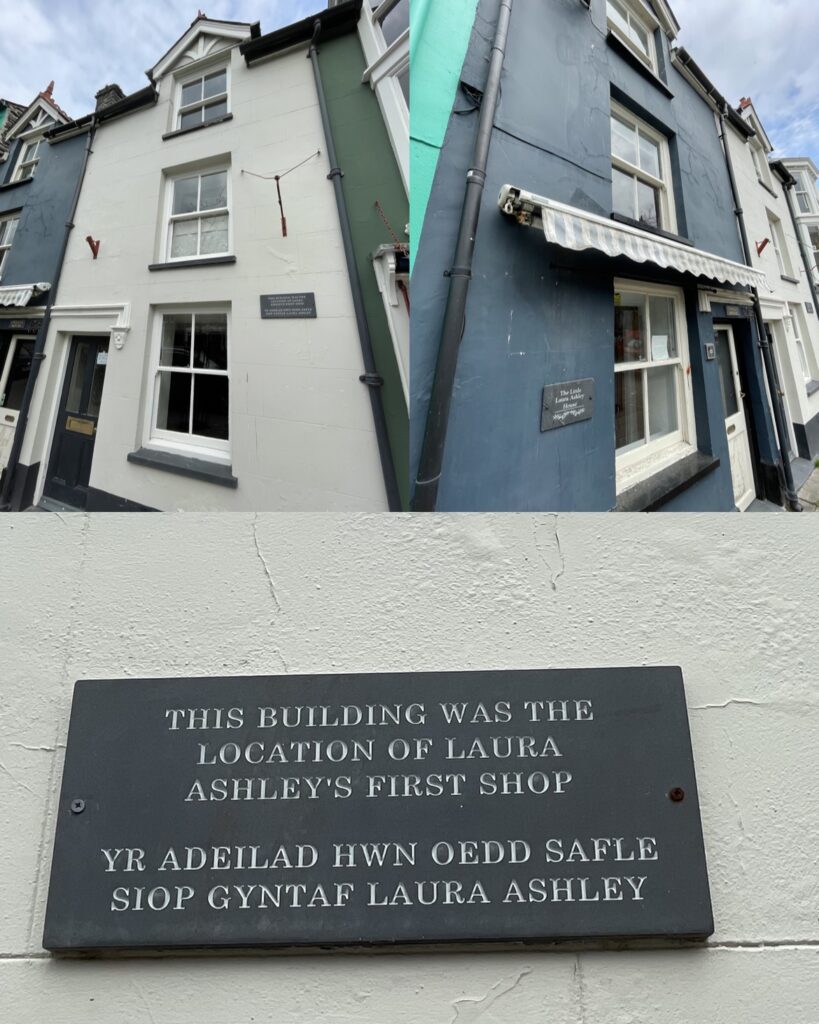
And then, a delightful discovery. In 1961, Laura Ashley opened her very first shop here. Yes, that Laura Ashley. I took far too many photos of the building to send back to family in South Africa. For many older South Africans, Laura Ashley fabrics and florals were iconic. Nostalgia travels well.
Machynlleth blends history with independent spirit. Galleries. Bookshops. Artisan bakeries. We lingered longer than planned.
Over the Mountains to Llanidloes
From there, the road climbed. Nettie huffed. She puffed. She persevered. The Cambrian Mountains are not shy. Gradients sharpen. Views widen.
Our campsite was near Llanidloes, at Ty Llewelyn. An old quarry transformed into a peaceful camping and glamping haven (www.tyllewelyn.com). Hard standing pitches. Hot showers. Friendly owners.
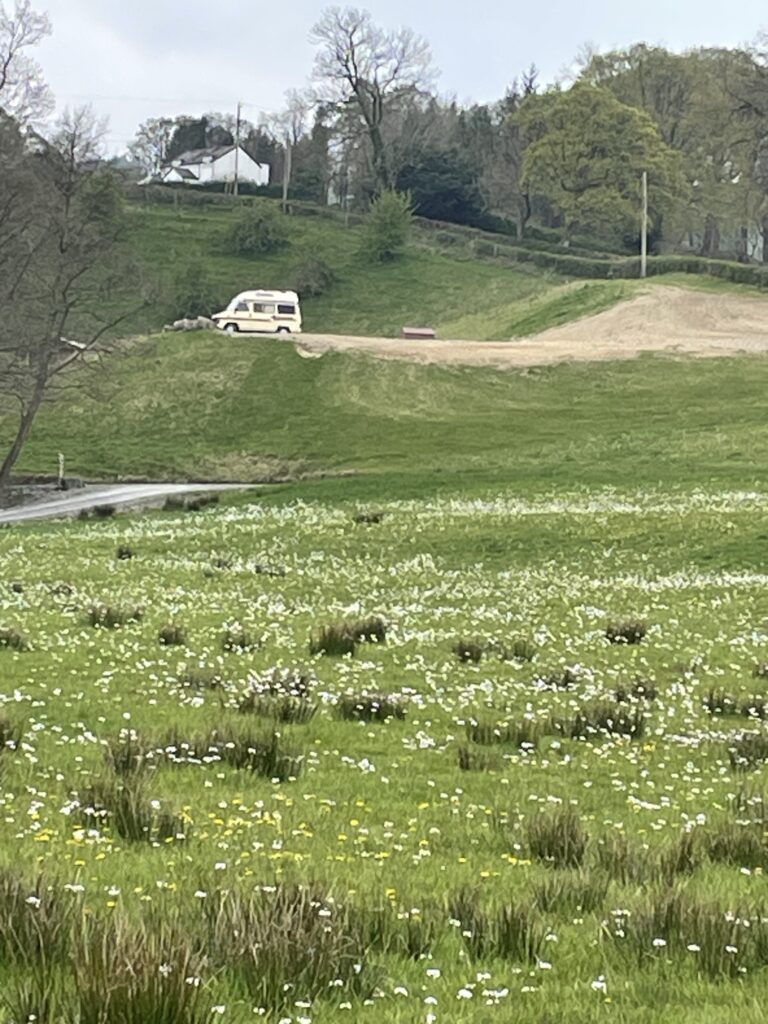
Sheep grazed nearby. Wildflowers edged the fields. Silence felt complete. Nature is the headline act here. We slept well.
Onward to Builth Wells
Next morning, a short drive via Llangurig, Rhayader and Llysdinam brought us to our destination: Builth Wells.
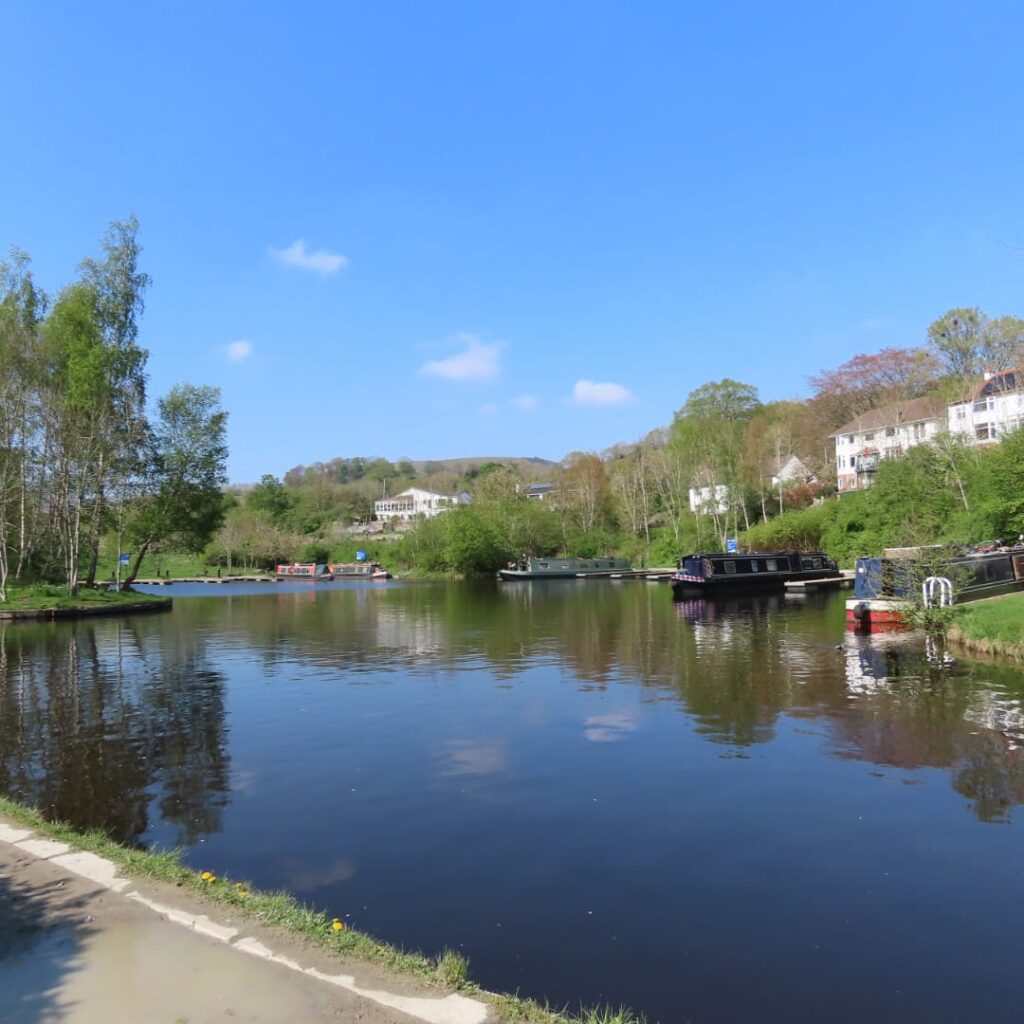
We found a wonderful riverside parking area with views of the bridge and flowing water. A lone heron stood poised like a meditation instructor. Patient. Still. Then — splash — lunch secured.
Two rivers meet here: the River Wye and the River Irfon. We stood on the bridge admiring the convergence. The park along the river is beautifully kept. Benches invite lingering.
Fish and chips from a local chippy tasted magnificent eaten at a picnic table beside the water. Salt, vinegar, river views. Perfection.
The Wonderwool Wales Annual Wool Festival
The following day, we joined thousands attending the Wonderwool Wales Annual Wool Festival at the Royal Welsh showground.
Stalls stretched far and wide. Yarn in every colour imaginable. Demonstrations of weaving and knitting. Spinning wheels humming. Alpacas patiently enduring affection. Sheep and lambs in pens drawing admiring crowds.
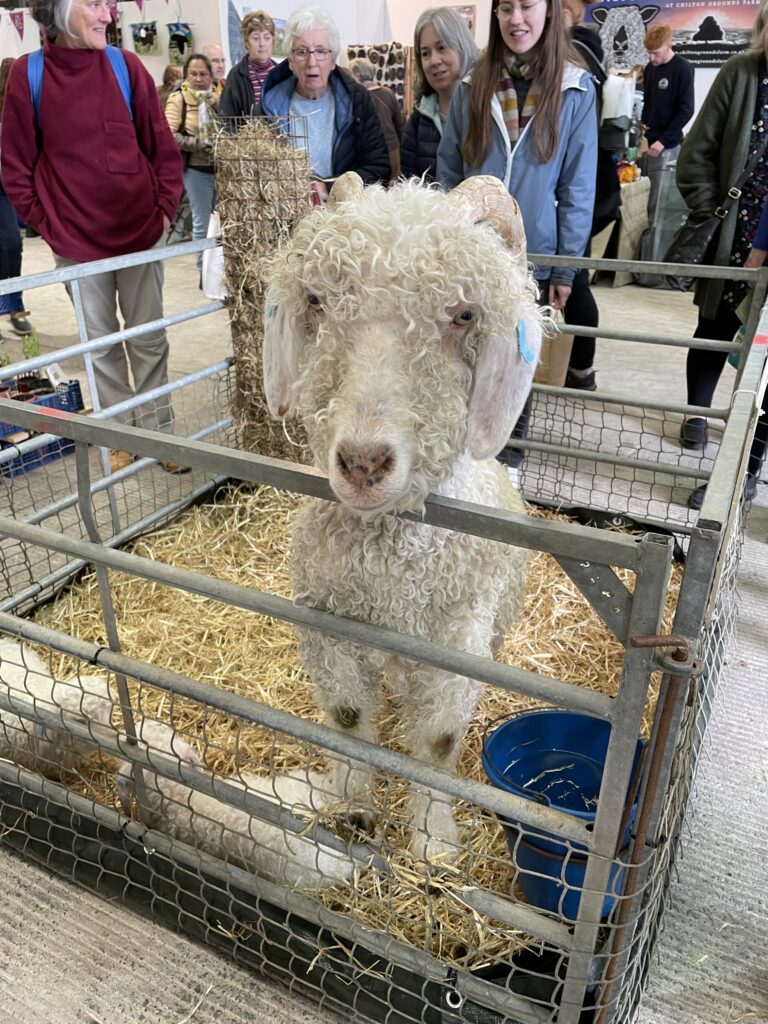
The atmosphere is joyful. Creative. Unapologetically woolly. Visitors flock each year (pun fully intended) and leave inspired.
Another peaceful night followed before we turned Nettie northwards again.
Sip of the Week – Côtes du Rhône Hautes Terres Red
After a long day of wandering through wool stalls, greeting alpacas and admiring the patience of Welsh sheep, it felt entirely appropriate to open something robust, friendly and reassuringly French.
This week’s bottle is Côtes du Rhône “Hautes Terres” Red, produced by the well-known Union des Vignerons des Côtes du Rhône. This cooperative brings together growers across the Rhône Valley with a shared focus on sustainability, fairness among producers and responsible viticulture. In short, good wine made with a bit of conscience — which always tastes better.
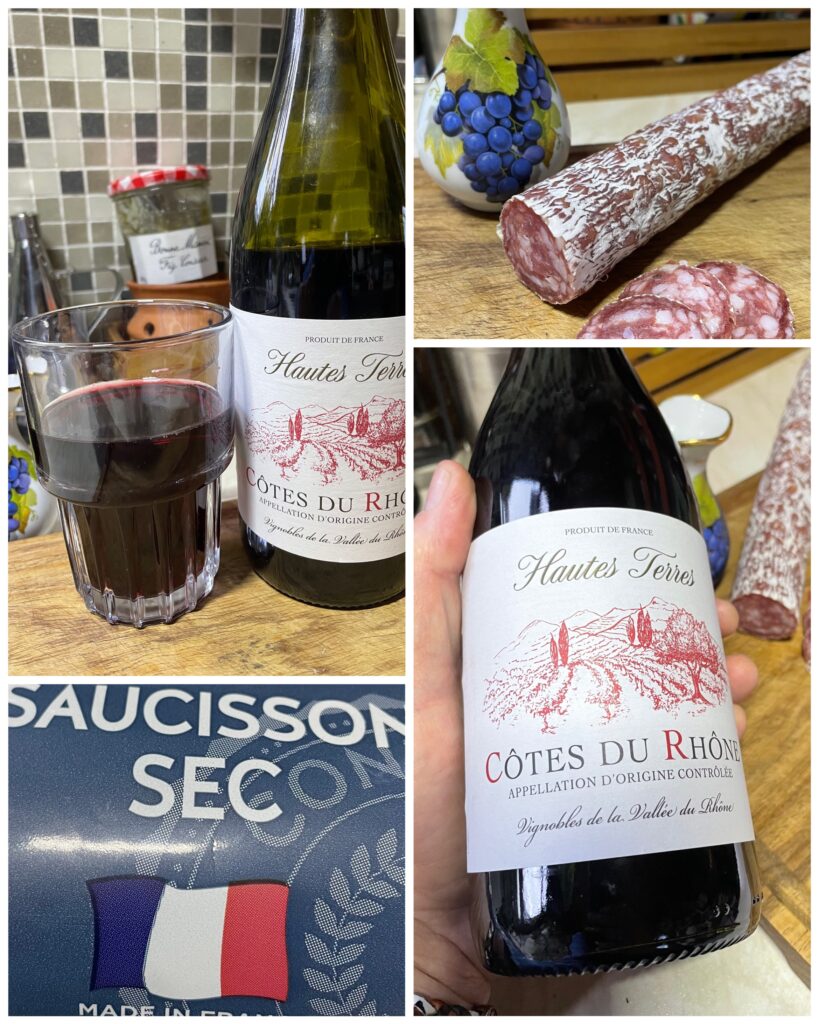
Pour a glass and you’re greeted with a deep ruby colour and inviting aromas of ripe blackberry, cassis and juicy red cherry. Give it a swirl and more layers appear: plum, a little violet, and a gentle hint of white pepper and dried Mediterranean herbs — the famous Rhône “garrigue”.
The blend is typically led by Grenache and Syrah, a classic Southern Rhône partnership that delivers plenty of fruit and warmth without becoming heavy. At 12.5% ABV, this is a beautifully balanced, easy-drinking red. Medium-bodied, smooth and generous, with soft tannins that make it very approachable.
On the palate, the fruit continues to shine. Blackberry and plum lead the way, supported by a subtle savoury spice that keeps things interesting. It’s the sort of wine that doesn’t demand deep contemplation — although you certainly could — but instead invites relaxed conversation and another sip.
Food-wise, it’s wonderfully versatile. Grilled meats, barbecue, tomato-based pasta dishes and rustic cheeses all work beautifully. Around our campervan table it paired very happily with simple comfort food after a long day outdoors.
In other words: uncomplicated, honest and thoroughly enjoyable.
Exactly the sort of wine you want waiting for you at the end of a good road-trip day. 🍷🚐
How to Get to Builth Wells
From South Africa: Fly from Johannesburg or Cape Town to London (Heathrow). Hire a car and drive about 3.5–4 hours west into mid-Wales.
From Australia: Flights from Sydney or Melbourne connect via Singapore, Dubai or Doha to London. Then drive or take a train to Hereford or Llandrindod Wells and continue by car.
From New Zealand: Fly Auckland to London via Asia or the Middle East. Car hire is easiest for exploring rural Wales.
Ex USA: Direct flights from major hubs (New York, Atlanta, Dallas) to London. From there, hire a car.
From London: Approximately 180 miles by car. Around 4 hours. Train options require connections and are slower but scenic.
Affiliate Disclaimer
Some links mentioned may be affiliate links, meaning we may earn a small commission at no extra cost to you. We only recommend places and products we genuinely enjoy.
See you soon! 🚐🍷🐑