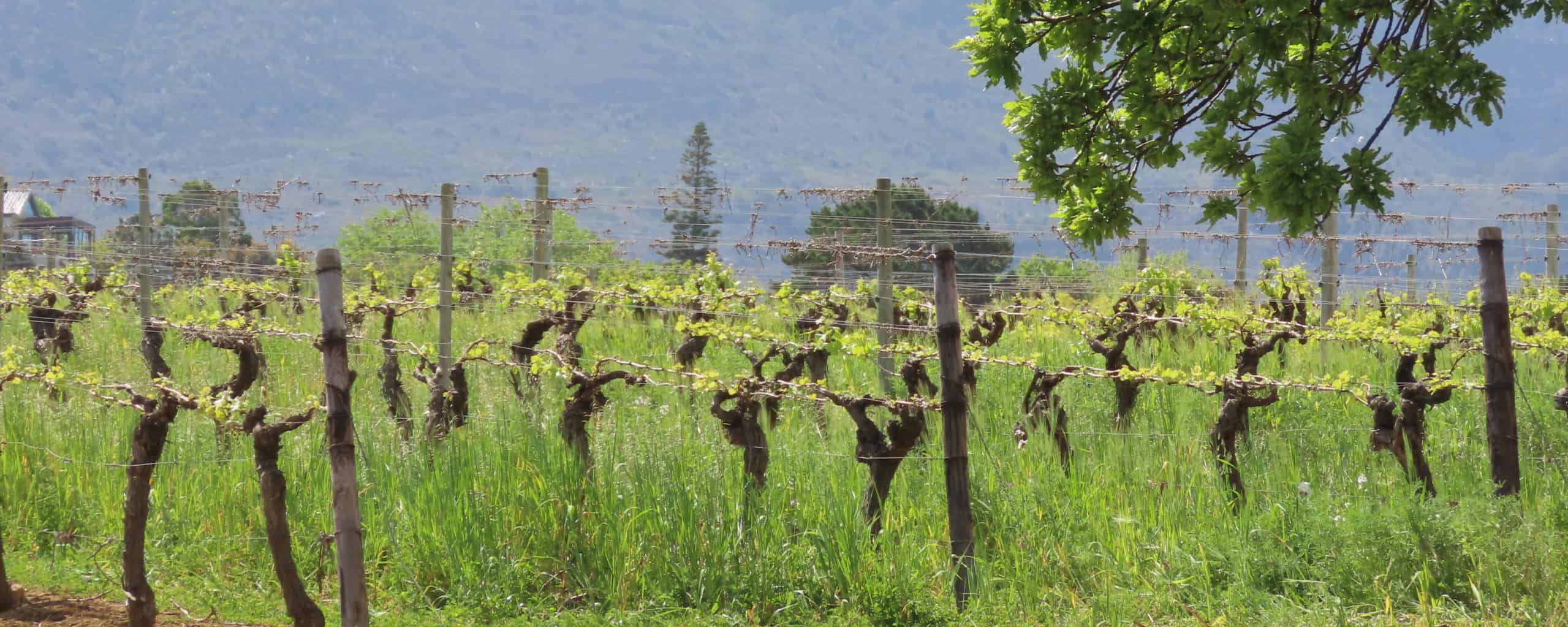
Rome on Foot and the Vines of Olevano Romano: Discovering Cesanese in Lazio
Rome on Foot and the Vines of Olevano Romano
Rome on Foot and the Vines of Olevano Romano perfectly sums up this week’s adventure in our Vineyards and Villages Series 2, Episode 2. We swapped wheels for walking shoes in the Eternal City, before steering our little hire car into the hills of Lazio to the ancient village of Olevano Romano, home of the Cesanese grape.
Let me say this upfront. Walking Rome is not for the faint-hearted. It is glorious. And unforgettable. It is also utterly exhausting. Pack proper shoes. Bring water. Pace yourself. And if you plan to step inside the Pantheon or St Peter’s Basilica, dress respectfully. Shoulders covered. Knees covered. Ladies, carry a light scarf or head covering just in case. Rome may be relaxed in spirit, but certain doors still require decorum.
The Colosseum, Trevi Fountain and Pantheon: Icons on Every Corner
Rome feels like an open-air museum. You turn a corner and there it is. The Colosseum. Enormous. Ancient. Slightly intimidating. Standing beneath those arches, you cannot help but imagine the roar of the crowds.
From there we wandered through cobbled streets towards the Trevi Fountain. Yes, it is busy. Yes, you will share the moment with several hundred other visitors. Still magical. We tossed our coins over our shoulders and made the obligatory wish. Time will tell.
The Pantheon stopped us in our tracks. That dome. That oculus. The light streaming through like something choreographed. It is breathtaking in its simplicity and scale. A gentle reminder again to dress appropriately before entering.
We ended our Roman ramble in Piazza Navona. Artists sketching. Fountains flowing. Cafés buzzing. Rome does atmosphere rather well.


A Vatican Surprise: The Regina Caeli in St Peter’s Square
Luck was firmly on our side. We arrived at the Vatican on a day when the Pope addressed the crowds in St Peter’s Square. The Regina Caeli prayer echoed across the square as thousands gathered in quiet reverence.
No planning. No strategy. Just good timing and a sense of wonder. Moments like that stay with you.
Dinner with a Tram Rattle: NUOVA STELLA TRATTORIA

After a full day pounding Roman pavements, we found ourselves at NUOVA STELLA TRATTORIA. A pedestrian street. Tables spilling outside. The gentle rattle of a tram passing by. Proper Roman energy.
Plates of pasta. Carafes of house wine. Animated conversation drifting between tables. It felt local and lively. Exactly what you hope for in Rome.
Olevano Romano: Medieval Streets, Roman Roots and the Soul of Cesanese
Leaving the grandeur of Rome behind, we climbed into the hills of eastern Lazio. About an hour later, Olevano Romano appeared, perched confidently above the valley like a watchful guardian of history.
This is not a polished, tourist-heavy hill town. It feels lived in. Authentic. Quietly proud.
The Old Town: Stone, Steps and Stories
The historic centre is a maze of narrow lanes, stone staircases and archways that seem designed long before cars were even imagined. You wander rather than navigate. Getting lost is part of the charm.
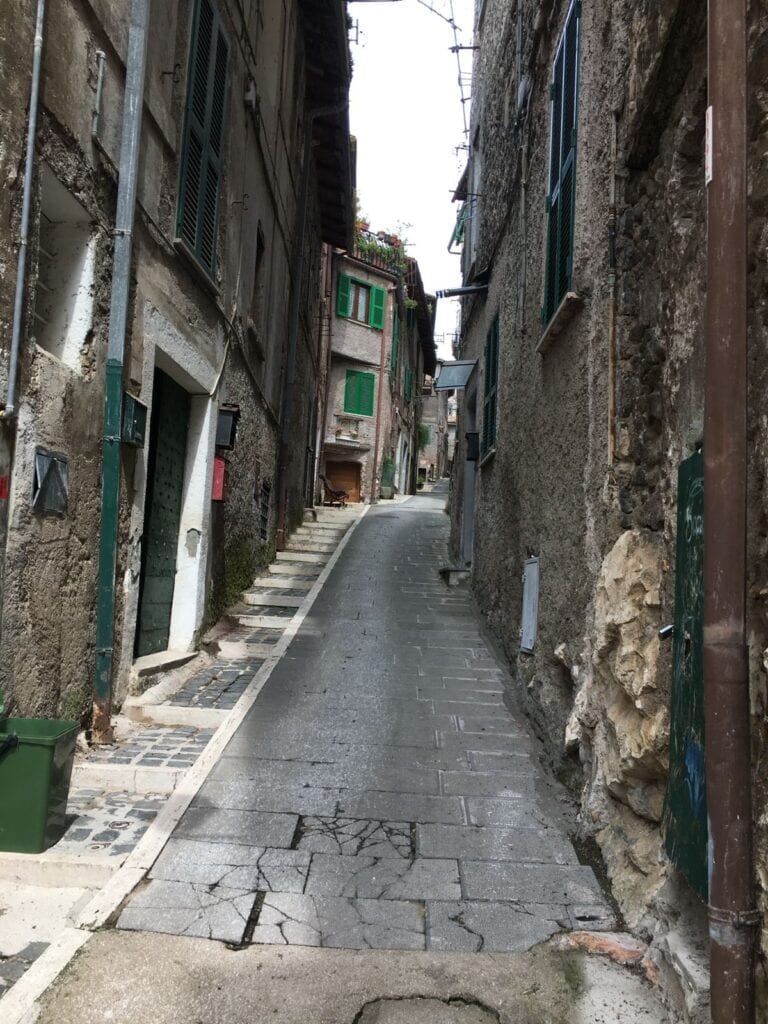
Weathered wooden doors open onto tiny cobbled alleys. Flowerpots brighten worn stone walls. Church bells mark the rhythm of the day. Life unfolds slowly here. Elderly neighbours chat from doorways. Laundry flutters above the lanes like informal bunting.
At the highest point stands the Castello Colonna, a fortress with medieval foundations that dominates the skyline. From its terraces, the view stretches across vineyards, olive groves and rolling countryside. On a clear day, the panorama feels endless.
Yet Olevano’s story stretches back long before the Middle Ages.
Ancient Roman Heritage in the Hills of Lazio
Long before it became a medieval stronghold, this region was inhabited by ancient Italic tribes. Later, it fell under Roman influence as the Republic and then the Empire expanded outward from Rome.
Archaeological traces remain scattered across the area. Roman roads once threaded through these hills, linking agricultural settlements to the capital. Villas dotted the countryside. Wine and olive oil travelled towards Rome along well-worn routes.
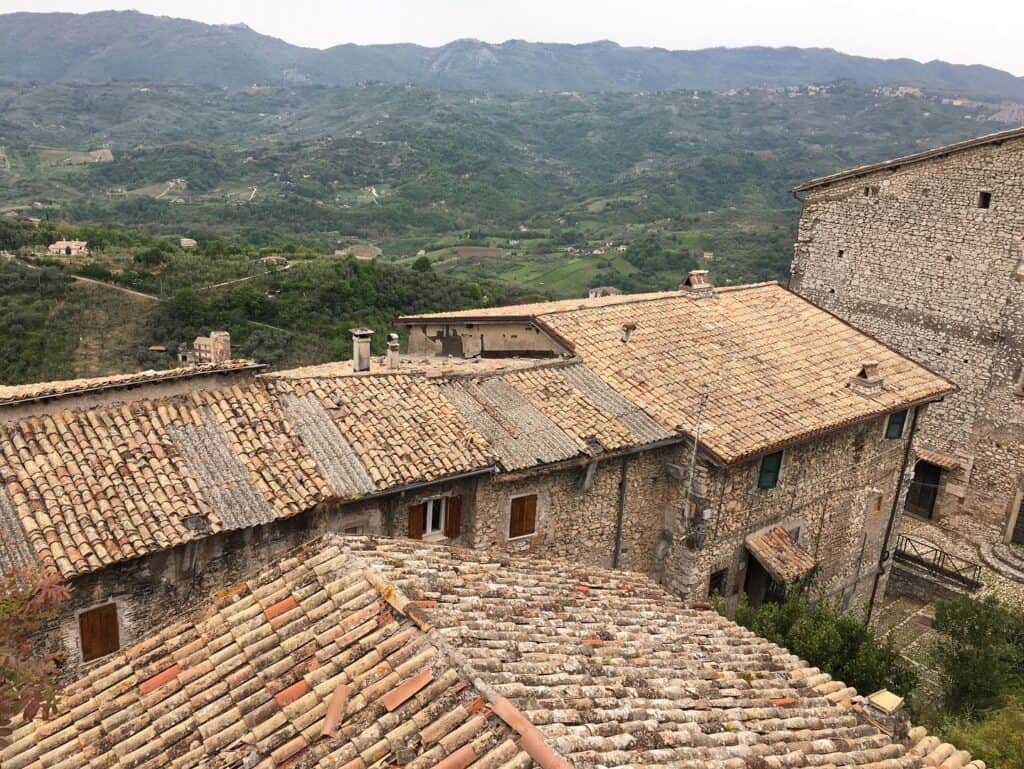
Viticulture here is not a modern fashion. It is part of a chain that stretches back more than two thousand years. The volcanic soils, warm days and cooler nights at altitude created ideal conditions for vines even in Roman times.
The Romans understood the value of good land. They cultivated it carefully. Wine was not a luxury product as we think of it today. It was part of daily life. A staple. A trade commodity. A cultural symbol.
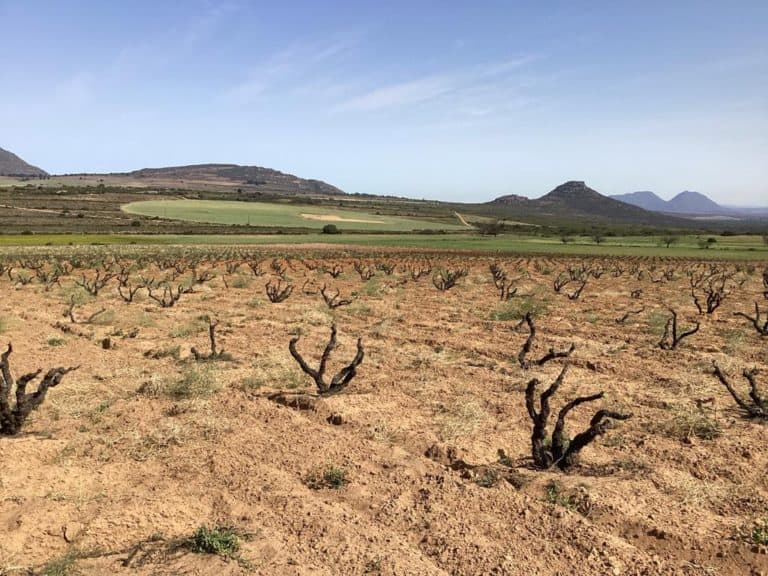
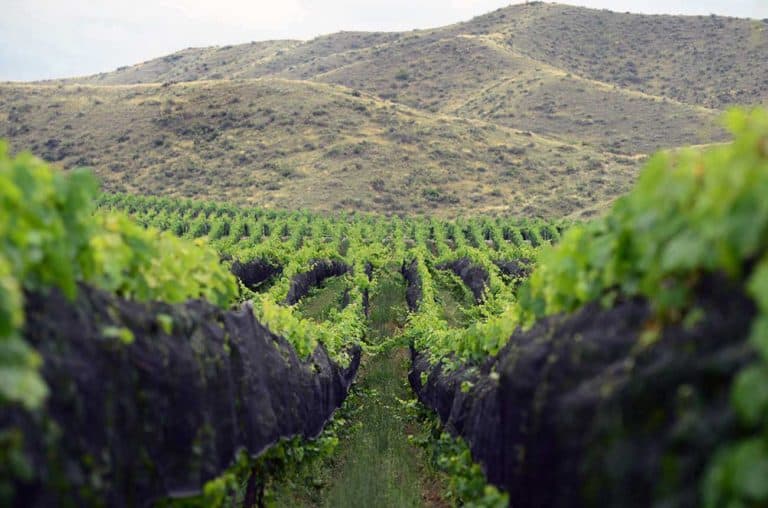
Standing in a Cesanese vineyard above Olevano Romano, it is not difficult to imagine Roman farmers working similar slopes centuries ago.
Cesanese: The Pride of Olevano Romano
If Olevano Romano has a beating heart, it is Cesanese.
This ancient red grape is native to Lazio. It has grown in these hills for generations, surviving wars, economic hardship and the rise of more fashionable international varieties.
For many years, Cesanese was overlooked. Easier-to-pronounce grapes captured global markets. Yet local producers in Olevano remained loyal. They believed in the grape’s character and identity.
Today, Cesanese del Piglio DOCG and related designations have helped restore its reputation. Olevano Romano plays an important role in that revival.
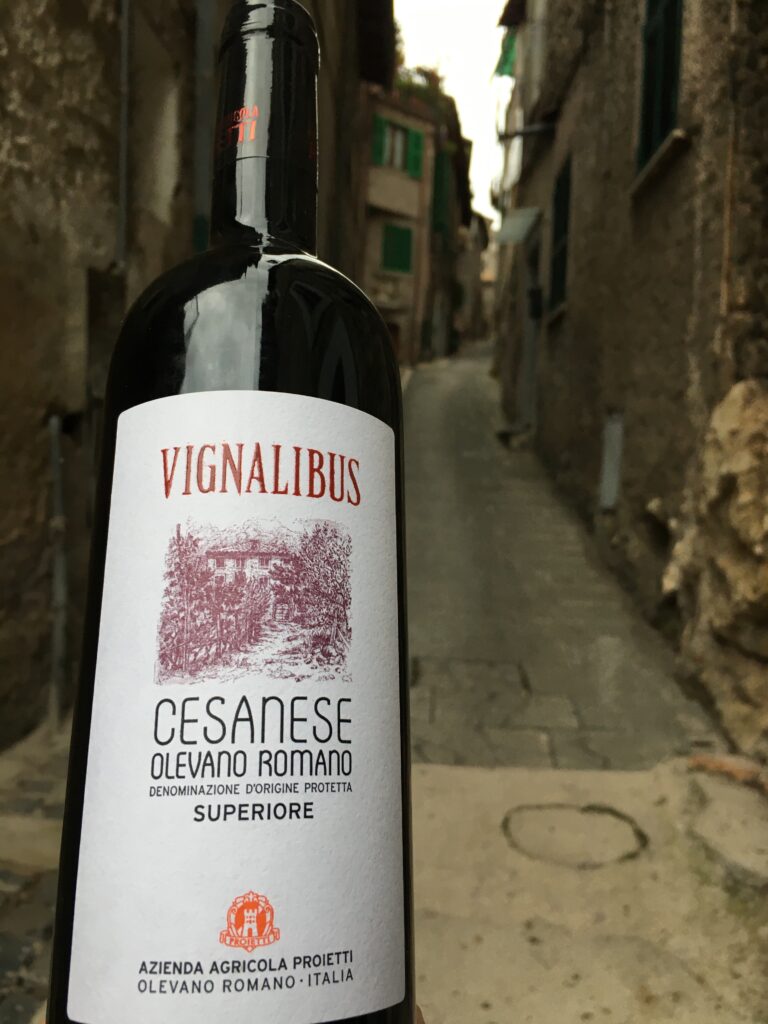
Why Cesanese Matters
Cesanese is more than a grape here. It is cultural heritage.
It expresses the landscape. The altitude brings freshness. The volcanic soils add structure and subtle spice. The wines often show bright cherry fruit, hints of wild berries and a gentle peppery note. Some are vibrant and youthful. Others are deeper and more complex, capable of ageing.
Importantly, it connects the present to the past. Families pass down vineyard knowledge through generations. Harvest remains a communal moment. Local festivals celebrate the grape not as a marketing exercise, but as part of identity.
In a world of global sameness, Cesanese feels rooted. Distinct. Proudly regional.
Walking Through History in the Vineyards
We spent our days wandering between old vines and ancient stone walls. Conversations with producers revealed stories of grandparents who farmed by hand. Of difficult years when selling wine was a struggle. Of renewed optimism as visitors rediscover Lazio’s native grapes.
As the sun dipped behind the hills, the village glowed softly in golden light. A glass of Cesanese in hand, the layers of history felt tangible. Roman roads. Medieval fortresses. Modern revival.
Olevano Romano is not flashy. It does not shout for attention. Instead, it invites you to slow down, look closer and taste something deeply connected to place.
And after the intensity of Rome, that gentle authenticity feels like a gift.
How to Get There
From the UK
Fly from London, Manchester or other major airports to Rome Fiumicino (FCO) or Ciampino (CIA). From Rome, hire a car and drive about 1–1.5 hours to Olevano Romano. Public transport is possible via train and bus, but a car offers flexibility for vineyard visits.
Ex USA
Direct flights operate from cities such as New York, Atlanta and Chicago to Rome Fiumicino. After arrival, hire a car or use regional trains towards the Lazio countryside.
From Asia
Connect via major hubs such as Doha, Dubai or Istanbul to Rome. Once in Rome, follow the same route by car or regional transport to Olevano Romano.
Ex South Africa
Flights from Johannesburg or Cape Town typically connect through the Middle East or Europe before landing in Rome. Car hire is the simplest way to explore the hilltop villages and surrounding vineyards.
Sip of the Week: 2023 Belorante Montepulciano d’Abruzzo

This week’s wine is a cheerful crowd-pleaser: 2023 Belorante Montepulciano d’Abruzzo, often spotted at Asda with its rather fabulous peacock label.
First impressions? That label. Bold. Colourful. Slightly strutting. It practically demands shelf attention.
In the glass, it offers bright red berry aromas with a hint of floral lift and a dash of peppery spice. Medium-bodied. Fruity. Easy-going. The sort of red that behaves well with pasta, tomato sauces or a simple plate of grilled meat.
It is affordable. Approachable. Trendy without trying too hard. Perfect for a midweek Italian-themed supper while plotting your own Roman holiday.
We paired ours with a hearty pasta dish and declared it excellent value. Not a brooding philosopher of a wine. More a cheerful dinner companion. Sometimes that is exactly what you need.
Final Thoughts
Rome dazzles. It also exhausts. Olevano Romano soothes. Cesanese intrigues. Together they offer a wonderful contrast between iconic city grandeur and authentic village life in Lazio.
Next time, we might slow the Roman itinerary slightly. Perhaps fewer kilometres on foot. Definitely more gelato breaks.
Affiliate Disclaimer
This post may contain affiliate links. If you choose to book flights, accommodation, car hire or purchase wine through these links, we may earn a small commission at no extra cost to you. We only recommend products and services we genuinely use and enjoy.