Portuguese Wine Tourism: A Journey to (Re)Discover the Great Wines of Europe
Keyphrase: Portuguese Wine Tourism
If you’ve ever dreamed about planning a trip centred around vineyards, cellar doors and long lunches overlooking rolling hills, then Portuguese wine tourism deserves a place at the very top of your list. Portugal may be small in size, but when it comes to wine heritage, diversity and authenticity, it quietly rivals some of Europe’s most famous wine destinations.
From dramatic river valleys to sun-drenched plains and volcanic Atlantic islands, Portugal offers extraordinary variety in both landscape and flavour. Wine isn’t simply produced here; it is lived, celebrated and woven into everyday culture. Whether you’re an experienced wine enthusiast or just beginning your journey, exploring Portugal through its vineyards is one of the most rewarding ways to experience the country.
Let’s take a closer look at why Portuguese wine tourism has become one of Europe’s most exciting travel experiences.
Portugal’s Wine Regions: Diversity in Every Direction
Portugal boasts 14 official wine regions, each with its own identity, climate, grape varieties and traditions. This diversity is what makes Portuguese wine tourism so compelling — no two regions feel the same.
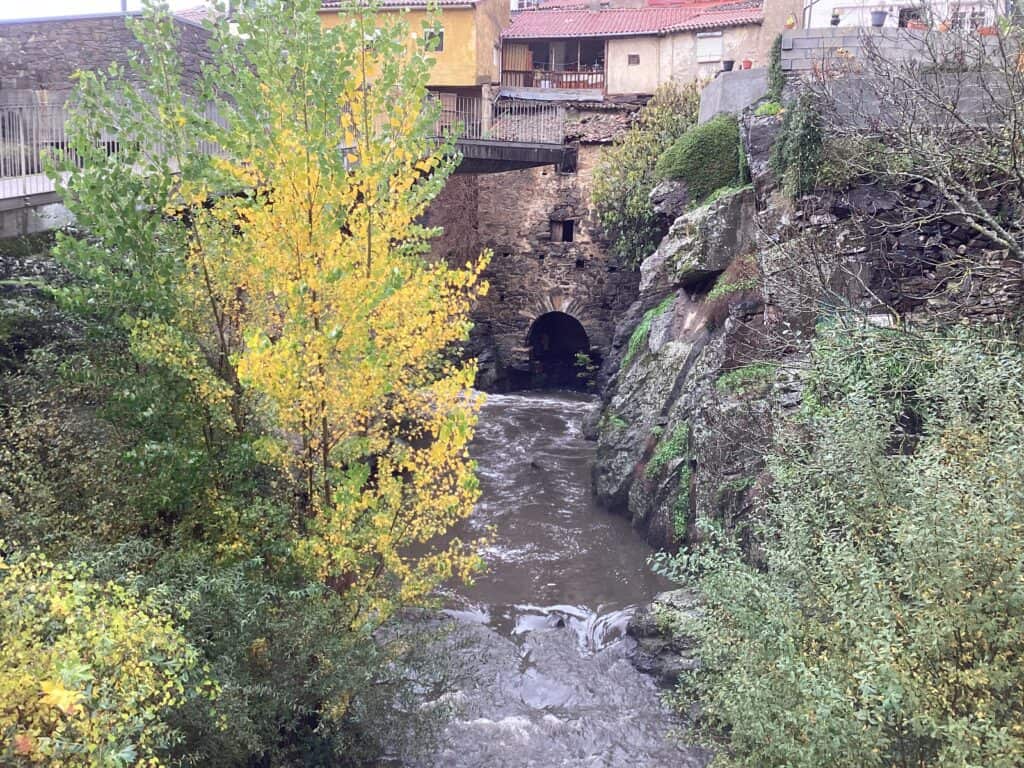
Douro Valley – UNESCO Heritage and Port Wine Royalty
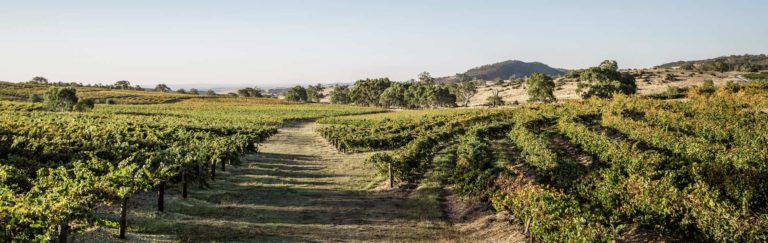
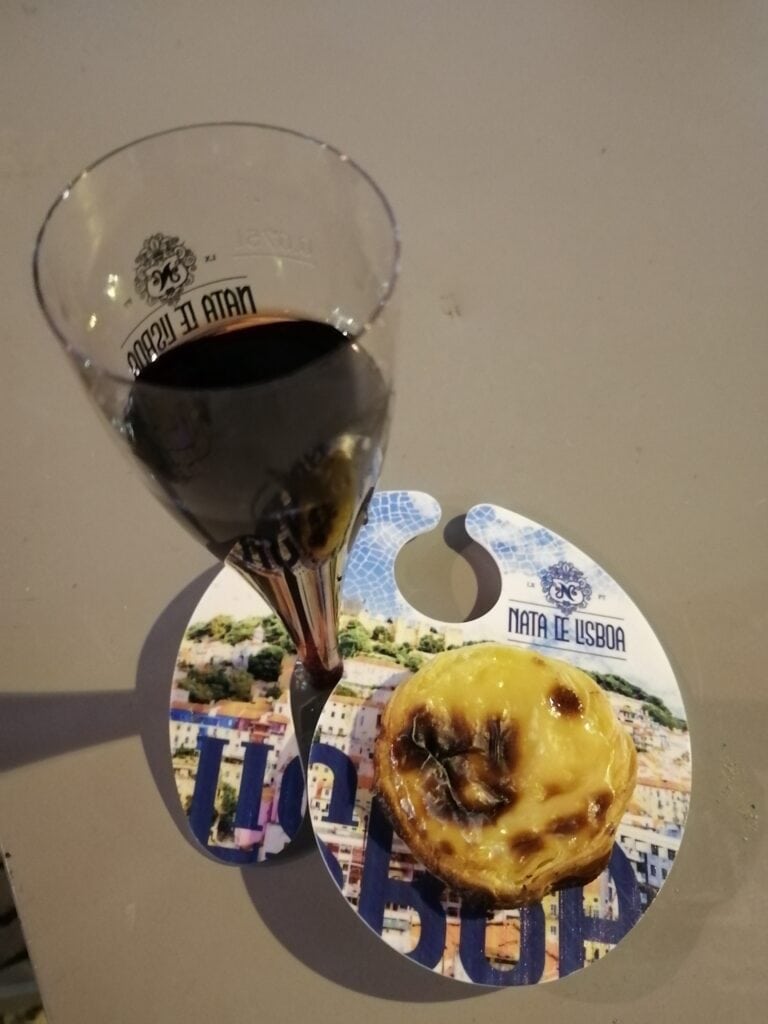
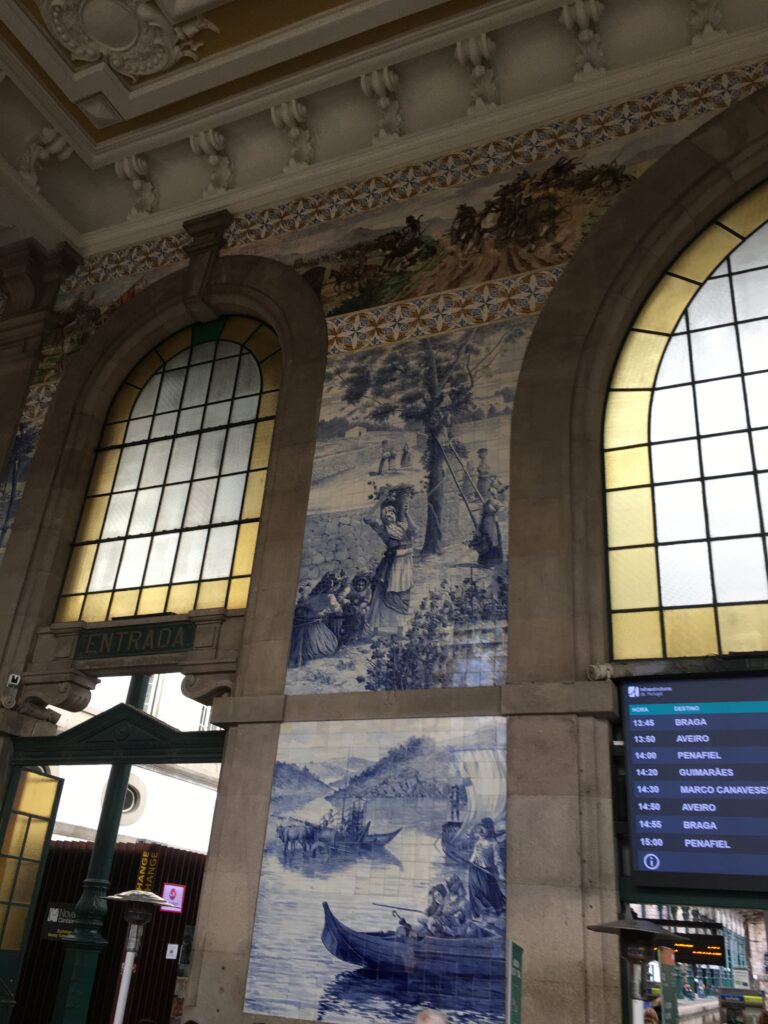
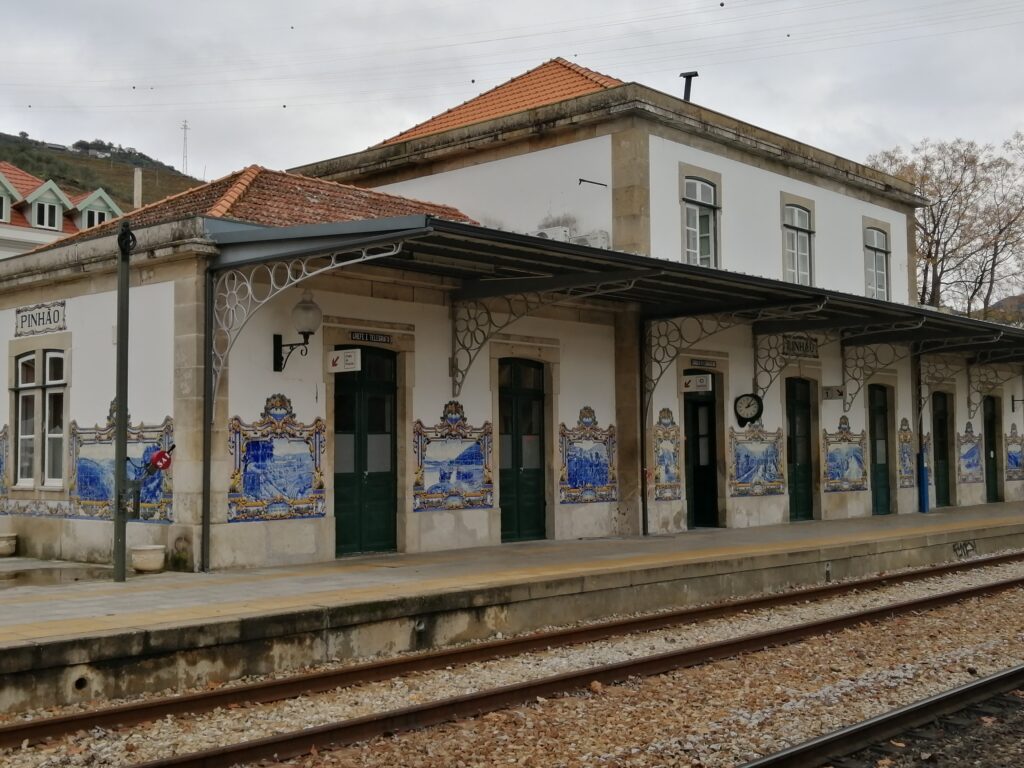
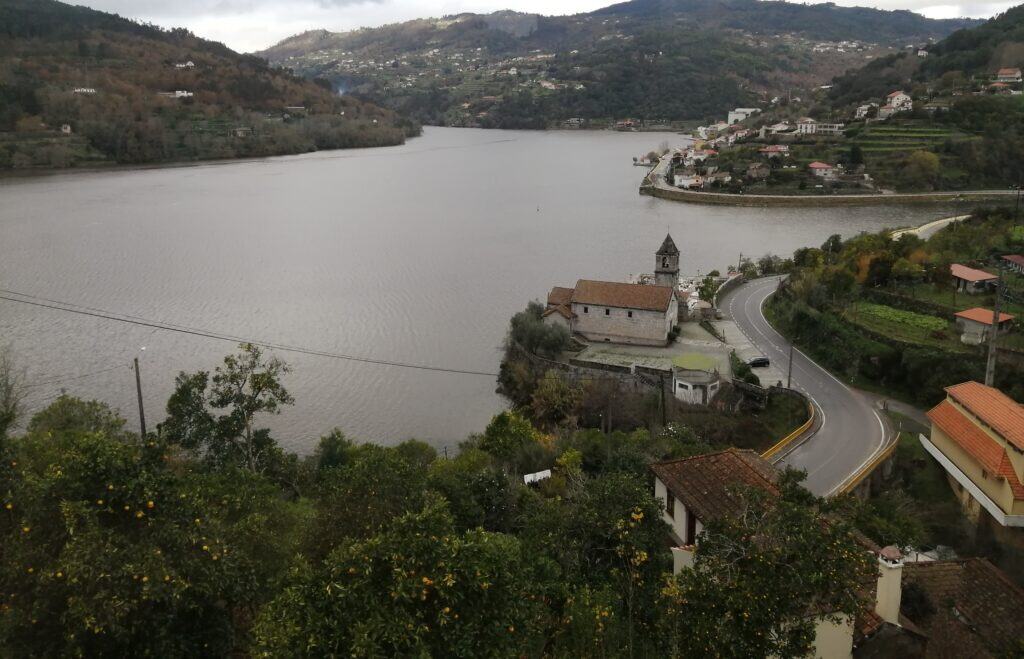
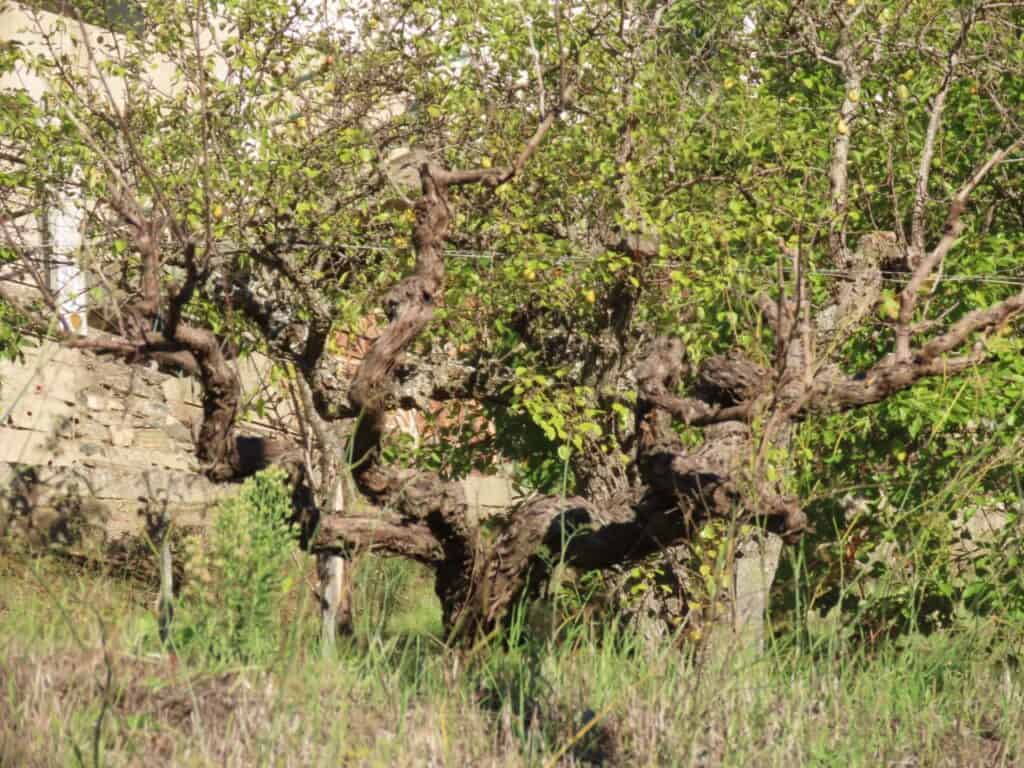
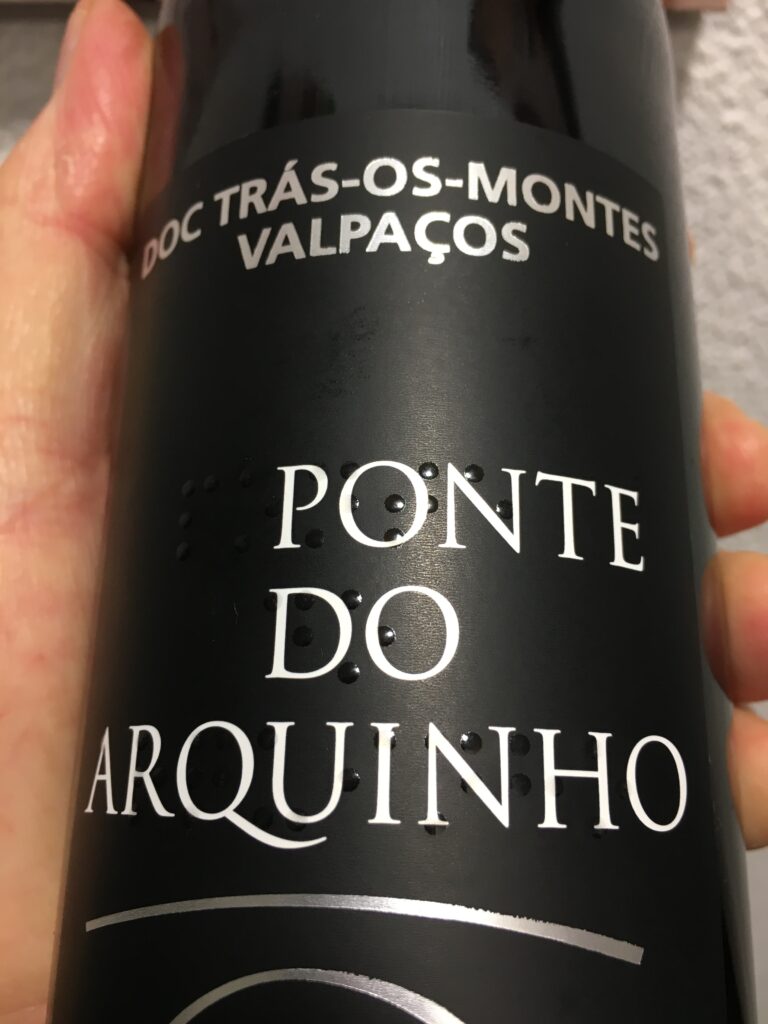
The Douro Valley is perhaps Portugal’s most iconic wine destination. Recognised as a UNESCO World Heritage Site, its steep terraced vineyards cling dramatically to the hillsides above the Douro River. It’s breathtakingly beautiful and historically significant.
The region is world-famous for Port wine, the sweet fortified wine that helped shape global wine history. But modern Douro is not just about Port. Today, it also produces powerful, structured red wines made from indigenous grape varieties such as Touriga Nacional, Touriga Franca and Tinta Roriz.
Visitors can tour traditional quintas (wine estates), cruise along the river, or even stay overnight on a working vineyard. Harvest season in September is particularly magical.
Alentejo – Bold Reds and Golden Landscapes
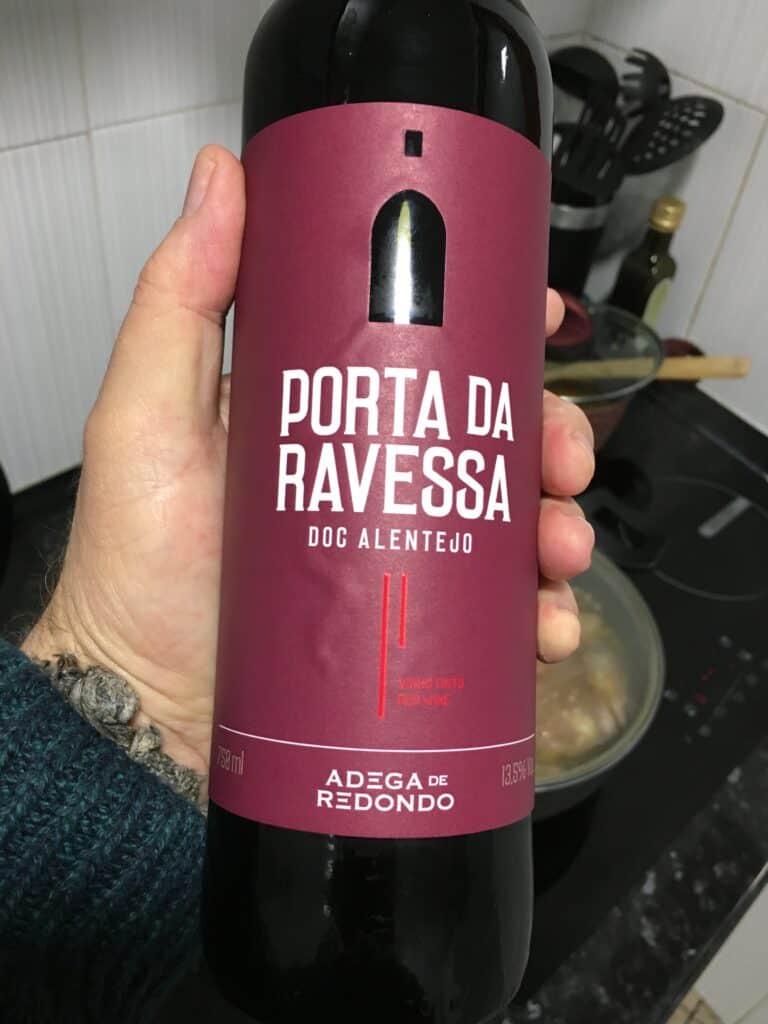
Head south and you’ll find Alentejo, a region known for wide open plains, cork oak forests and generous hospitality. Alentejo wines are approachable yet expressive, particularly its rich, fruit-forward reds.
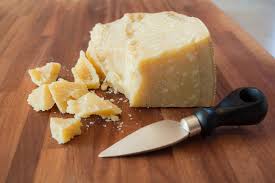
Wine tourism here often feels relaxed and personal. Many estates are family-run, offering intimate tastings paired with regional dishes like black pork, sheep’s cheese and hearty stews.
Alentejo is also leading innovation in sustainable viticulture, blending tradition with modern techniques.
Vinho Verde – Fresh Atlantic Energy
In the cooler, greener north lies the Vinho Verde region. The name means “green wine,” referring not to colour but to youthfulness. These wines are fresh, vibrant and slightly effervescent.
Made primarily from Alvarinho and Loureiro grapes, Vinho Verde is perfect for warm afternoons and seafood lunches by the coast. The region itself is lush and charming, dotted with granite manor houses and small family estates.
Madeira – Timeless Fortified Wines
Out in the Atlantic Ocean, the island of Madeira produces one of the world’s most distinctive fortified wines. Madeira wine is aged through a unique heating process, resulting in remarkable longevity and layered complexity.
Wine lovers visiting Madeira can explore historic lodges in Funchal and taste styles ranging from dry Sercial to rich Malmsey. The island’s volcanic scenery adds to the drama.
Wine Tours and Tasting Experiences in Portugal
One of the highlights of Portuguese wine tourism is the variety of wine tours available. Whether you prefer independent exploration or structured guided visits, there’s something to suit every travel style.
Vineyard Visits and Cellar Tours
Most estates offer guided tours that walk you through the vineyard, explain indigenous grape varieties and demonstrate traditional winemaking techniques. Many include tastings straight from the barrel — always a memorable experience.
Wine and Food Pairings
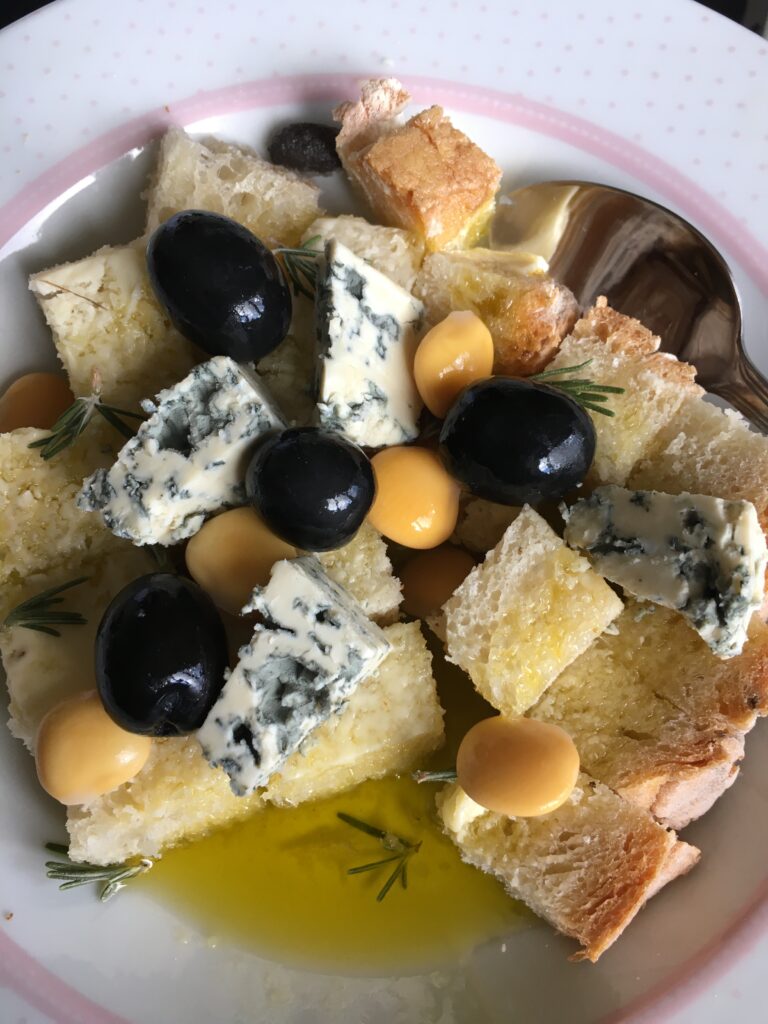
Portuguese cuisine pairs beautifully with local wines. Many wineries now offer curated food and wine experiences featuring regional cheeses, cured meats, olive oils and freshly baked bread.
In coastal regions, expect seafood pairings. In inland areas, you’ll find robust reds served with grilled meats and rustic dishes.
Harvest Experiences
If you visit during vindima (grape harvest season), some estates allow guests to participate in grape picking or even traditional foot-treading in stone lagares. It’s hands-on, joyful and deeply rooted in tradition.
Indigenous Grapes: Portugal’s Hidden Treasure
One reason Portuguese wine tourism is gaining global attention is its extraordinary range of native grape varieties — over 250 of them.
Instead of relying heavily on international grapes like Cabernet Sauvignon or Chardonnay, Portugal proudly champions its own.
- Touriga Nacional – Often considered Portugal’s flagship red grape.
- Alvarinho – Crisp, aromatic and ideal for white wine lovers.
- Baga – Produces structured reds with ageing potential.
- Arinto – Fresh, mineral-driven white wines.
This means that tasting Portuguese wine feels like genuine discovery. You’re experiencing flavours you simply won’t find elsewhere.
Wine Festivals and Cultural Celebrations
Wine in Portugal isn’t just a product — it’s part of local identity. Throughout the year, wine regions host festivals celebrating harvests, folklore, food and music.
In the Douro, harvest festivals are lively affairs filled with traditional costumes and community spirit. In Madeira, the annual Wine Festival transforms Funchal into a vibrant celebration of history and culture.
Attending one of these events offers deeper insight into Portuguese traditions and creates lasting memories beyond the tasting room.
Sustainable and Eco-Friendly Wine Tourism
Modern travellers increasingly value sustainability, and Portugal is responding.
Many wineries now practise:
- Organic or biodynamic farming
- Water conservation methods
- Renewable energy use
- Reduced chemical intervention
Several estates have earned sustainability certifications, reflecting a genuine commitment to environmental responsibility.
Choosing eco-conscious wineries allows visitors to enjoy their wine experience while supporting long-term environmental care.
Planning Your Portuguese Wine Journey
Portugal is compact and easy to navigate, making it ideal for a multi-region wine itinerary.
- Best time to visit: Spring (April–June) and harvest season (September–October).
- Transport: Car hire offers flexibility, but river cruises and guided tours are widely available.
- Accommodation: Many quintas offer vineyard stays, combining wine tasting with countryside relaxation.
Because regions are relatively close together, you can combine wine exploration with cultural highlights like Porto, Lisbon or the Algarve coastline.
Why Portuguese Wine Tourism Stands Out
What makes Portuguese wine tourism truly special is authenticity. Many estates remain family-owned. Tastings are often conducted by the winemaker or a family member. Conversations feel genuine rather than commercial.
There is less polish than in some high-profile wine regions — and that’s precisely the charm. You see the real vineyards, meet the people behind the labels, and taste wines that reflect centuries of tradition.
Portugal offers depth without pretension.
Final Thoughts: A Wine Destination Worth Discovering
Portuguese wine tourism is more than a holiday trend — it’s an immersive cultural journey. With 14 diverse wine regions, hundreds of indigenous grape varieties, world-class fortified wines, exceptional food pairings and a strong commitment to sustainability, Portugal offers something for every wine lover.
Whether you’re sipping Port in the Douro Valley, enjoying a chilled Vinho Verde in the north, tasting bold reds in Alentejo or exploring historic Madeira lodges, each glass tells a story.
If you’re planning your next European wine adventure, Portugal might just surprise you in the best possible way.
Raise a glass and start planning.
Meta Description
Discover Portuguese wine tourism, explore 14 unique wine regions, taste Port, Vinho Verde and Madeira, and plan the ultimate vineyard travel experience.
Affiliate Disclaimer
This article may contain affiliate links. If you choose to book tours, accommodation or wine experiences through these links, I may earn a small commission at no additional cost to you. I only recommend experiences and services that genuinely enhance a Portuguese wine tourism journey. Thank you for supporting the site. 🍷