Cape West Coast … Land of Birds, Beaches and Bokkoms
INTROCUCTION
Welcome to the Cape West Coast — a place where wild beauty, living tradition, and remarkable birdlife meet along South Africa’s Atlantic shoreline. Just north of Cape Town, the peaceful waters of the Berg River Estuary draw hundreds of bird species and travellers seeking slower rhythms. In the fishing village of Velddrif, generations-old traditions still shape daily life, while nearby coastal landscapes protected within West Coast National Park reveal windswept beaches, tidal wetlands, and skies alive with movement. This is a place best explored gently — where nature, culture, and history unfold together.
There are places you visit, and then there are places that quietly settle into your soul. For me, the Cape West Coast – Land of Birds, Beaches and Bokkoms is very much the latter. Just over an hour’s drive from Cape Town, this unique stretch of coastline feels wonderfully unhurried, deeply authentic, and richly connected to nature, history, and tradition.
In this sixth episode of Vineyards and Villages, I travel to the heart of the Cape West Coast, focusing on the Berg River Estuary, its extraordinary birdlife, the fishing villages of Velddrif and Laaiplek, the legendary bokkom industry, long white beaches, organic vineyards, and ancient stories written into the sand itself.
The Cape West Coast: Where Nature Sets the Pace
The West Coast is known for its wide open spaces, crisp Atlantic air, and ever-changing light. It’s a landscape of contrasts — soft white beaches meeting the cold, nutrient-rich Atlantic Ocean, peaceful riverbanks alive with birds, and fishing villages where life still follows the rhythm of the tides.
This is not a place of rush or rush-hour traffic. It’s a place where people wave as you pass, where fishermen mend nets at sunrise, and where sunsets seem to last just a little longer than anywhere else.
The Berg River Estuary: A Haven for Birds and Birdwatchers
The Berg River Estuary is one of South Africa’s most important wetlands and one of the finest birdwatching destinations on the West Coast. The river is navigable for approximately 56 kilometres, gently winding its way through salt marshes, reed beds, and open water before meeting the Atlantic Ocean at Laaiplek.
With around 200 recorded bird species, the estuary is a paradise for bird lovers — whether you’re a seasoned birder or someone who simply enjoys watching nature unfold.
Birdlife You Can Expect to See
On any given day along the riverbanks, I spot an incredible variety of birds, including:
- Elegant greater and lesser flamingoes
- Agile terns diving for fish
- Long-legged waders patrolling the shallows
- Dark-feathered cormorants drying their wings
- Snowy white egrets stalking silently
- Flashing blue and orange kingfishers
- Spoonbills, pelicans, and the occasional fish eagle overhead
The estuary is also an important stopover for migratory birds, making spring and summer particularly rewarding for birdwatchers.
River Cruises and Canoeing
One of the most relaxing ways to experience the Berg River is on a river cruise. Drifting quietly along the water offers unmatched opportunities for bird photography and wildlife observation. The calm waters are also ideal for paddling, and it’s no surprise that the world-renowned Berg River Canoe Marathon finishes in Velddrif — a gruelling, multi-day event that attracts elite canoeists from around the globe.
Velddrif: Bokkoms, Boats and a Living Tradition
Situated on the banks of the Berg River, Velddrif is a working fishing village with a strong sense of identity. This is the spiritual home of South Africa’s bokkom industry, a tradition that dates back generations.

Bokkom Laan: Where Tradition Hangs in the Air
A visit to Bokkom Laan is essential. Here, fishermen unload grey mullet caught in the icy Atlantic waters of St Helena Bay. The fish are salted and hung to dry in the open air, creating bokkoms — a staple food for fishermen and farm workers, and a deeply rooted part of West Coast culture.
The smell, the sight of rows of fish drying in the breeze, and the easy conversation with locals make this one of the most authentic experiences on the West Coast.
Laaiplek Harbour: Colour, Movement and the Atlantic Beyond
Just downstream lies Laaiplek, the fishing harbour where the Berg River meets the sea. Colourful trawlers line the quayside, their hulls painted in bright blues, reds, and greens.

Here, pelagic fish such as anchovy are landed and delivered directly to the nearby processing factory — a reminder that this coast is still very much a working coastline. It’s fascinating to watch the daily choreography of boats, gulls, fishermen, and forklifts against the backdrop of the open ocean.
Birdwatching on the West Coast: Beyond the Berg River
The West Coast as a whole is a birdwatcher’s dream. Coastal wetlands, salt pans, dunes, and lagoons create diverse habitats that support an extraordinary range of species.

One particularly special resident is the rare Knysna Oystercatcher, easily identified by its striking black plumage and bright red bill. To protect nesting sites and fragile ecosystems, vehicles are strictly prohibited on West Coast beaches — a decision that has helped preserve both birdlife and the pristine beauty of the shoreline.
White Beaches and Simple Pleasures
The beaches of the Cape West Coast stretch endlessly — long ribbons of white sand bordered by dunes and fynbos. These beaches invite simple pleasures:
- Peaceful beach walks
- Seasonal whale watching
- Shell collecting after storms
- Traditional beach barbecues
- Safe swimming in sheltered areas
- Lazy beach picnics with views that seem to go on forever
With no vehicles allowed, the beaches remain quiet, clean, and wonderfully natural.
Wine on the River: Org de Rac Organic Winery
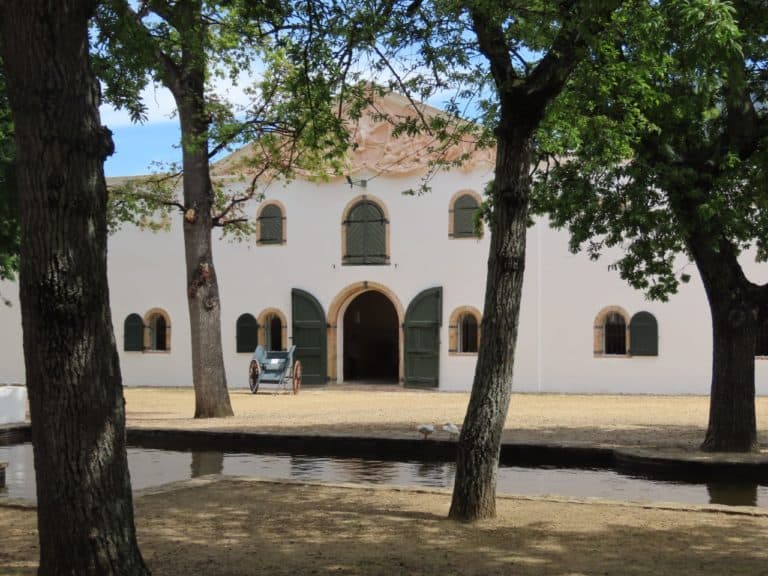
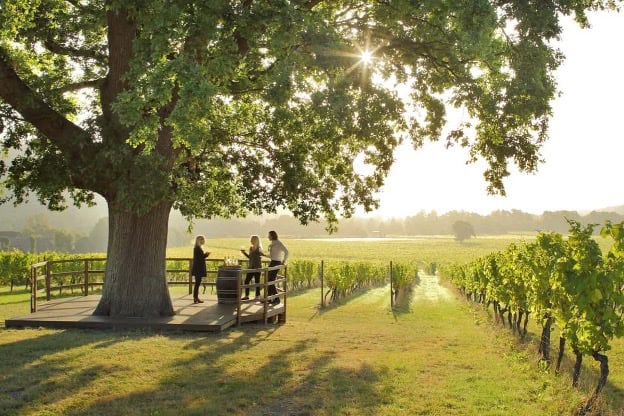
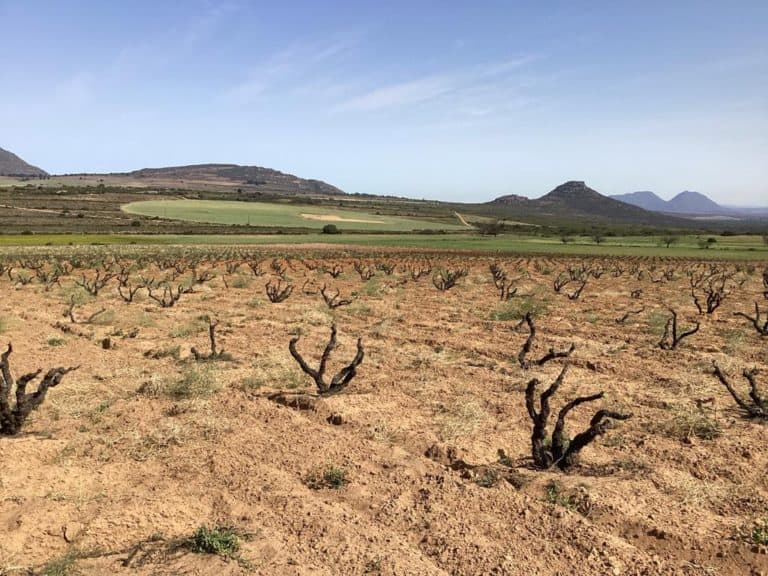
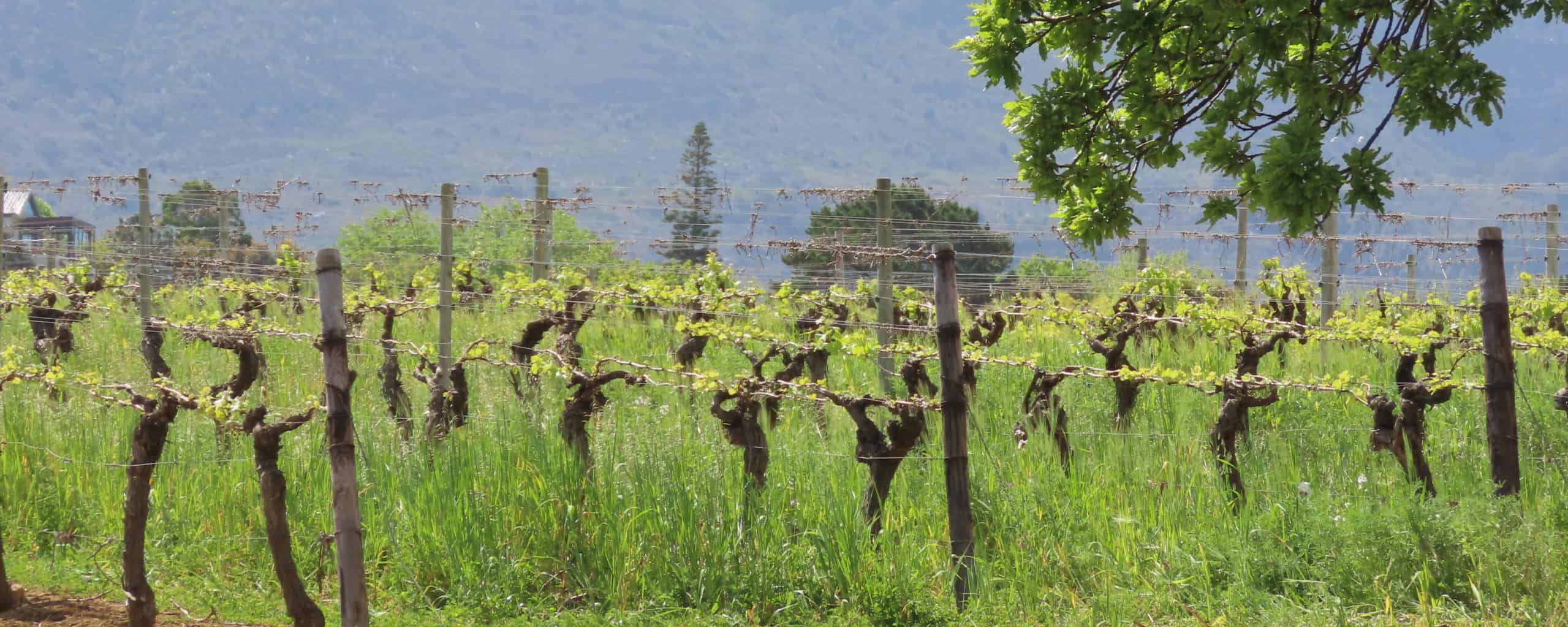
Few people expect vineyards on the West Coast, but the banks of the Berg River tell a different story. Org de Rac, South Africa’s pioneering organic winery, produces award-winning wines in harmony with the surrounding environment.
Tasting wine here feels different — more grounded, more connected. It’s wine shaped by river breezes, sandy soils, and a philosophy that respects both land and community.
West Coast Fossil Park and Eve’s Footprints
The West Coast Fossil Park offers a fascinating glimpse into a prehistoric world where saber-toothed cats, giant bears, and ancient giraffes once roamed.
Nearby, within the West Coast National Park, lies one of South Africa’s most extraordinary discoveries — the footprints of “Eve”, regarded as the oldest known footprints of anatomically modern humans, dating back over 100,000 years.
Standing on those dunes, knowing that our ancestors once walked here, is a profoundly moving experience.
Where to Stay: Welcoming and Varied
Accommodation on the West Coast is as diverse as the landscape itself. Visitors can choose from:
- Comfortable hotels
- Charming guest houses
- Relaxed camping sites
- Authentic farm stays
- Well-equipped caravan parks
Wherever you stay, you’ll be met with genuine warmth — West Coast hospitality is quiet, sincere, and welcoming.
How to Get There
Reaching the Cape West Coast is straightforward from anywhere in the world.
From London & Europe
Fly to Cape Town International Airport (direct flights available). From Cape Town, Velddrif is approximately 150 km, a scenic drive of about 1.5 to 2 hours.
From the USA
Fly via major hubs such as London, Amsterdam, or Doha to Cape Town. Then continue by rental car or guided transfer to the West Coast.
From Japan, China & India
Fly via international hubs (Doha, Dubai, Singapore, or Frankfurt) to Cape Town International Airport. From there, the West Coast is an easy road journey north.
Car hire is highly recommended, allowing you to explore villages, beaches, and nature reserves at your own pace.
Why the Cape West Coast Stays With You
What makes the Cape West Coast special isn’t just the scenery — it’s the feeling. The sound of birds lifting off the river at dawn, the taste of bokkom shared with locals, the quiet pride of fishing communities, and the knowledge that people have walked these sands for over 100,000 years.
It’s a place that invites you to slow down, look closer, and listen more carefully.
Affiliate Disclaimer
This post may contain affiliate links. If you choose to make a booking or purchase through these links, I may earn a small commission at no additional cost to you. This helps support Vineyards and Villages and allows me to continue sharing authentic travel stories and destinations. All opinions remain my own.