
Vineyards and Villages visits Olevano Romano, Italy
Olevano Romano

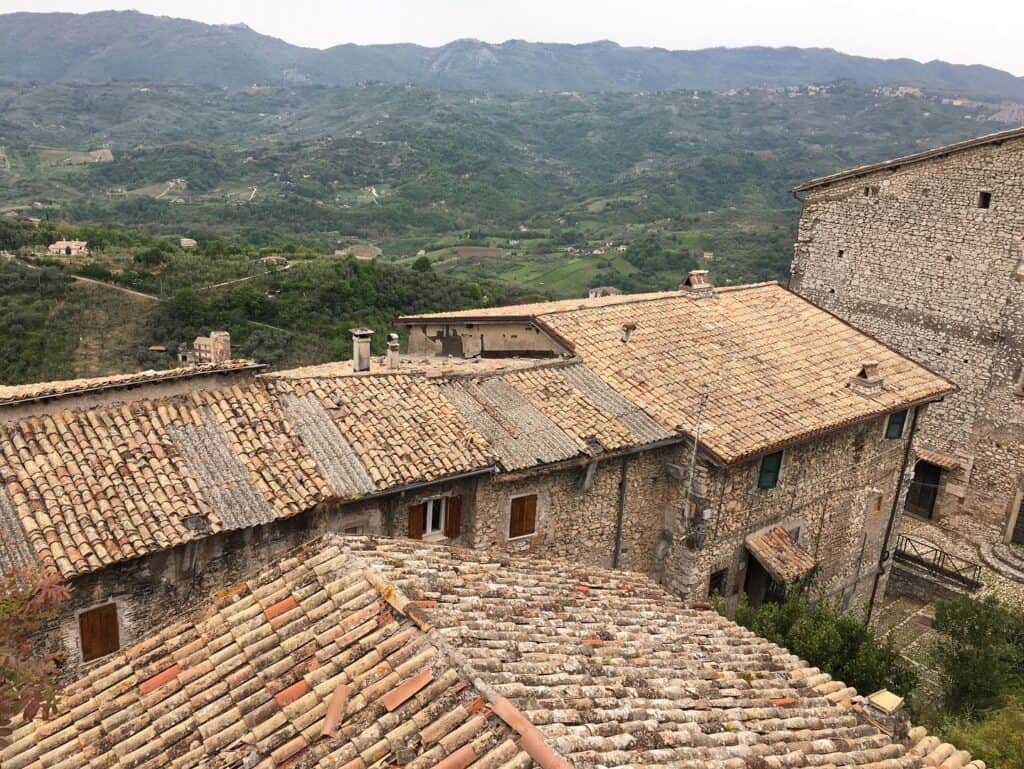
I went in search of old vineyards and quaint villages in Italy and discovered Olevano Romano. Perched about 45 km east of Rome in the Lazio region, the village of Olevano Romano rises on a hillside in the foothills of the Monti Prenestini. (Wikipedia) The altitude (around 570 m) gives it cooler air and sweeping views over the valleys and adjacent hills. (TraveLazio) It is easily reachable by car from Rome and offers a pleasantly compact escape from the city.
In my stay, I lodged in the Old Town—winding cobbled alleys, old-stone buildings, and even a guy leading a packhorse collecting garbage every couple of days lent an unhurried, timeless feel to the place.

A short history
Olevano Romano presents a layered tapestry of history. The site was inhabited before the Romans: the impressive “mura poligonali” (polygonal stone walls) built by the Italic tribe of the Aequi date back to the 5th-6th century BC. (TraveLazio) In the Middle Ages, the town evolved into the hill-fortress “castrum”, under the influence of the powerful Colonna family and later others. (Wikipedia)
The entire village retains much of its medieval footprint: narrow alleys, steep stairways, stone buildings clinging to the ridge. From the Old Town, you sense that the surrounding hills also held Roman settlements and defensive outposts—so wherever you wander, you’re literally treading on a continuum of human occupation stretching back millennia.
Places worth visiting in Olevano Romano
- Mura Poligonali: Visit the remnants of the ancient polygonal stone walls near the lower edge of the historic centre. These large rough-cut blocks were part of early defensive works built by the Aequi before Roman dominance. (TraveLazio)
- Museo Civico d’Arte (AMO): The village has attracted painters and artists since the early 19th century; many sketched or painted its landscapes. Today the museum houses over 2,000 works by international artists who found inspiration here. (Euro Art)
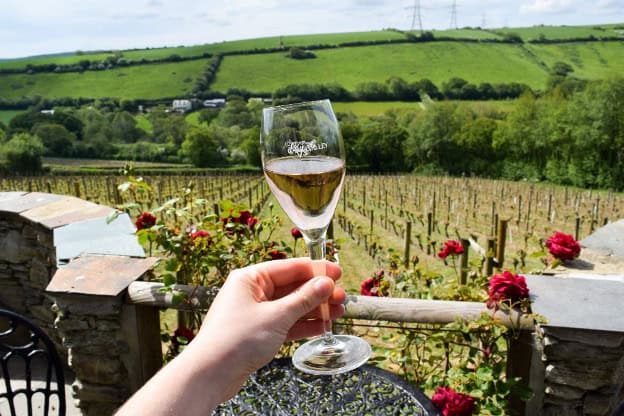
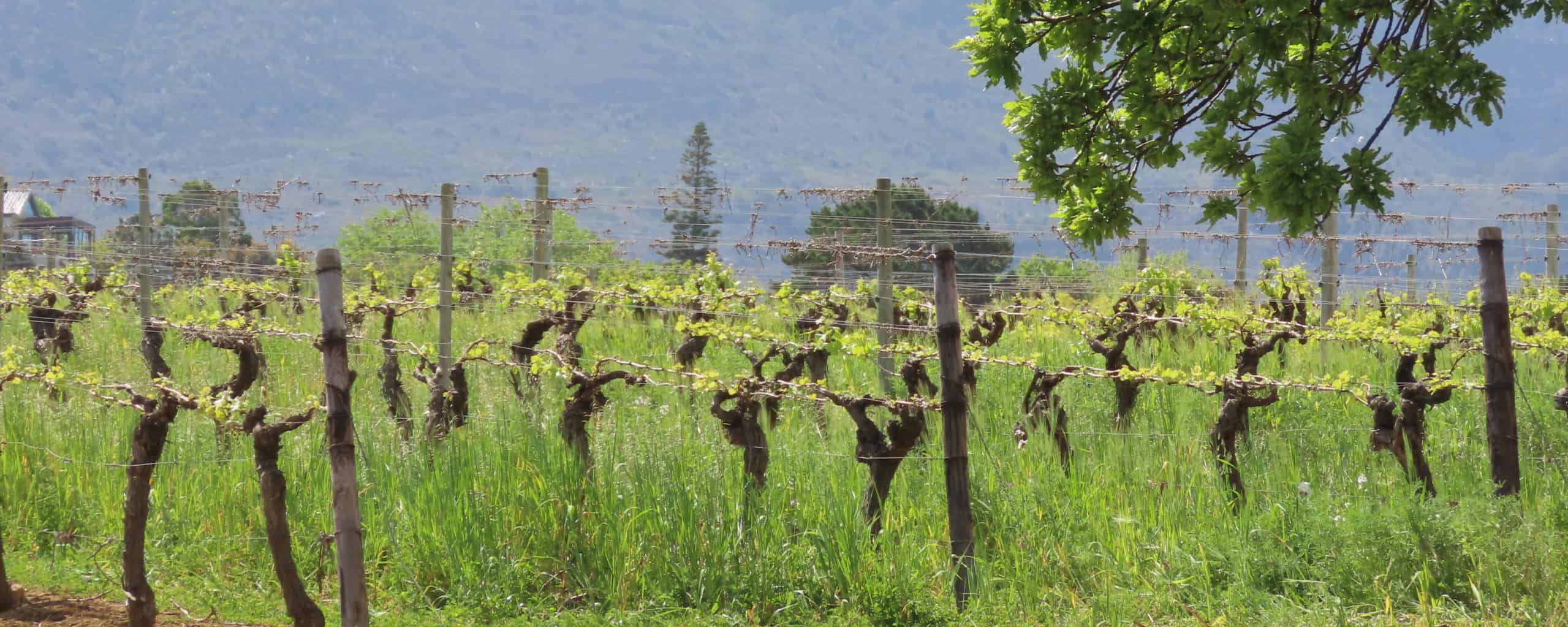
- Wine Country & Vineyards: The surrounding hillsides are planted with the ancient red grape variety Cesanese Comune (also called Cesanese di Affile), which is key to the local DOC wine known as Cesanese di Olevano Romano. (Wikipedia) Many small wineries offer tastings; the rustic landscape and views alone make the journey worthwhile.
- Old Town Wanderings: Roam the narrow cobbled alleys where laundry flaps, stone stairways twist, and a massive horse quietly passes—this is one of the most charming ways to absorb the atmosphere. The toll of the church bells echoes reassuringly on the hour. No rush, just stone, light and peace.
- Scenic Views & Historical Hills: Around the village you’ll see hills topped by ancient Roman or pre-Roman sites. Climb any of the higher vantage points above the Old Town and you’ll see vistas of the countryside, terraces, olive groves, vines and the broader Lazio embrace.
General Information
As you know by now, old vineyards and quaint villages are my “thing”! For the inquisitive traveller, Olevano Romano offers a few very appealing traits:
- Ambience: With its hilltop location and pedestrian-friendly lanes, it feels far removed from the bustle of Rome, even though the city is nearby. The horses, the old stones, the vines—everything adds to a tranquil, slow-travel vibe.
- Wine & Cheese Pairings: Given the Cesanese connection, a visit to the vineyards is ideal. Cesanese produces red wines with appealing freshness and moderate tannins—excellent when paired with local aged pecorino cheese, mushrooms from the hills or hearty Lazio-style country dishes.
- Artist Heritage: Lovers of art and painting will find the village especially enticing. The light that drew 19th-century European landscape painters is still present. Even if you don’t paint, simply sitting at a viewpoint with a glass of wine offers that same inspiration.
- Accommodation Tip: Staying in the Old Town, as I did, is ideal—walkable, atmospheric, and integral to the experience of the village.
- Getting There & Getting Around: Since Olevano is in the hills, a car may provide the greatest flexibility (for vineyard trips and hillside views). The vantage of 570 m plus the quiet lanes make early morning and late afternoon especially magical.
- Taste & Explore: Encourage visitors to sip a bottle of Cesanese from the local hills, perhaps while nibbling on regional pecorino or fresh bruschetta with local olive oil. Slow down, walk the alleys, breathe the hillside air, listen for the clip-clop of hooves—these little moments are what linger.
Why the Cesanese Grape Matters
The local grape variety Cesanese Comune (and its expression in the DOC Cesanese di Olevano Romano) gives this village its special vinous identity. (Wikipedia) Unlike more ubiquitous international grapes, this one ties the wine literally to the land, the slopes and the hillside culture around Olevano. When you taste it among the very vines that produce it, the sense of place deepens—especially after walking the alleys of the village and viewing the surrounding hills.
Olevano Romano is not just to a “pretty village near Rome” but a place where grape variety, local soil, art, history and daily life converge.
Disclaimer: Please note that some of the links in this post are affiliate links. If you book accommodation or travel via those links, I may earn a small commission at no extra cost to you.
You will need a car…